


Mon Route
- San Martín de Oscos
- Circular route
- 12.6 km
- 4.5 hours
- Media
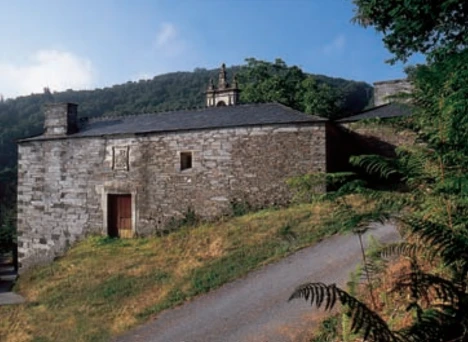
The itinerary begins in the village of A Revoqueira, three kilometers from San Martín.
This town is characterized by a well-preserved popular architecture and a gentle orography with green meadows, where numerous cows and their calves graze. Shortly after we will find the native forest (oak, chestnut and birch trees) that accompanies us until we reach Mon. Here the walker will be amazed by the majesty of the Palace of Mon, an example of baroque and stately architecture of the region. We continue the walk along a cart track bounded by stone walls and “chantos” (slate slabs driven) adorned with mosses and ferns to reach the chapel of Santa Marina, a place worth stopping and look out over the valley of the river Ahío in the background of which shines the Mazo de Mon. We continue the descent to the mallet through a lush and centenary chestnut grove dotted with “corripas” (circular stone constructions to store chestnuts), until we reach the hidden mallet of Mon. In this privileged natural space we find the remains of the Mazo, next to the old irrigation channel, still perfectly preserved today. At this point and before starting the way back, along the same path, we must stop to take a breath and enjoy the Ahío river and the ecosystem that surrounds it, characterized by riparian forest in which alders, ash and willows bathe their roots. Halfway up we turn left to Ventosa to return to Revoqueira.
Hiking trails
-
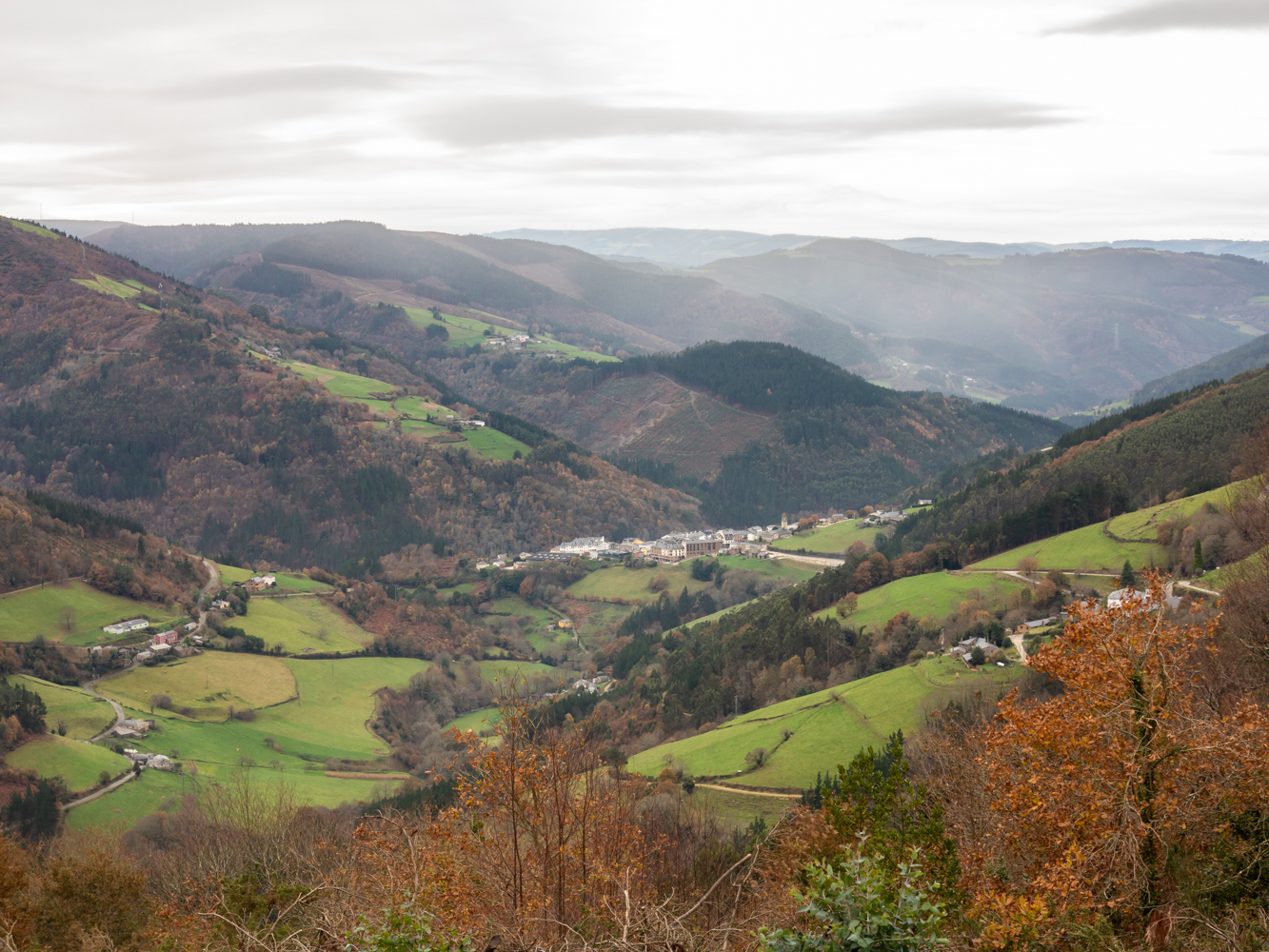
Taramundi – Vegadeo route through the Eiros Mountain Range
- Taramundi
Download the route in PDF and KML and follow the route with your mountain bike or MTB.
-
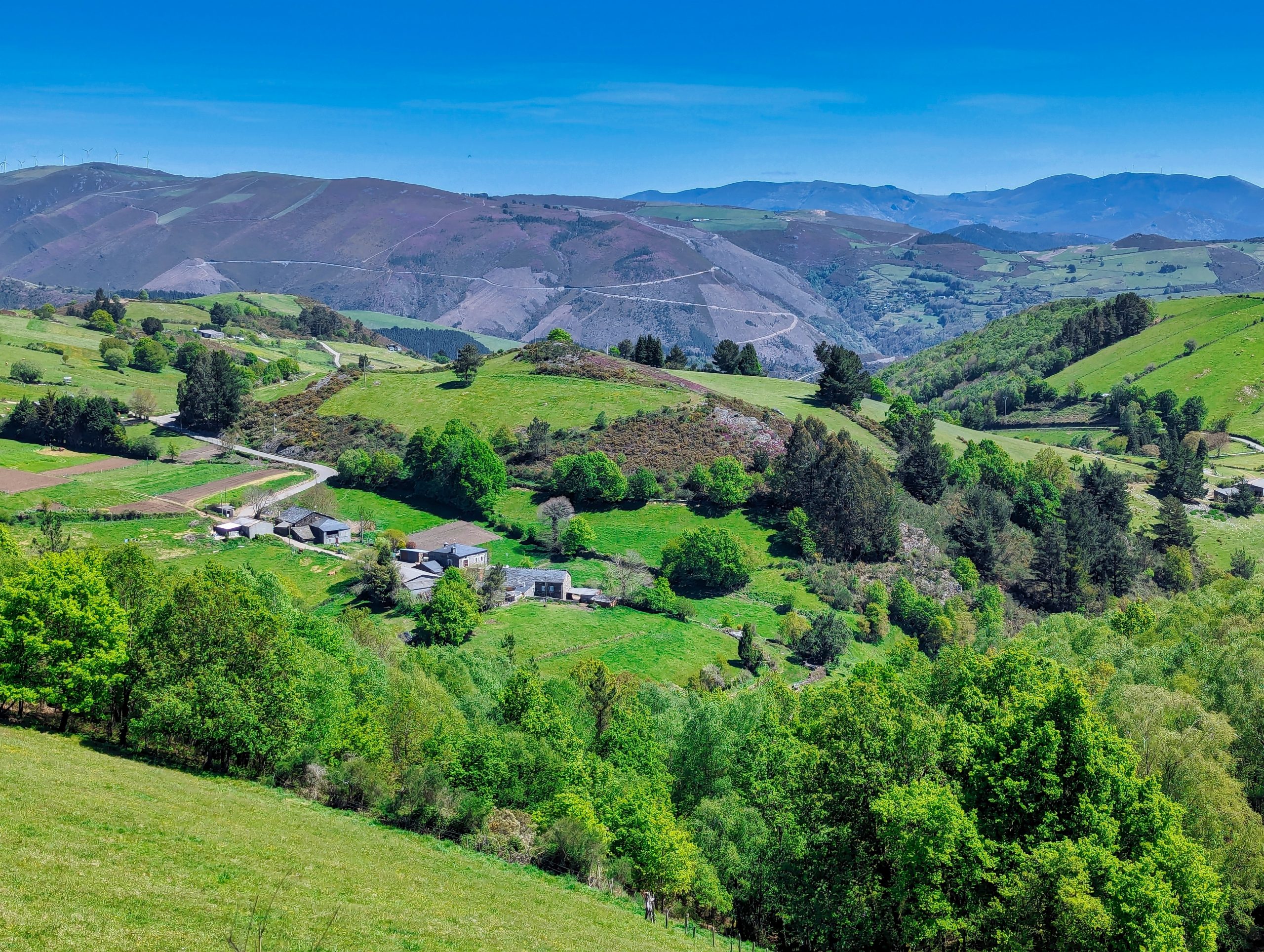
Ruta Piorno a os Fornos
- San Martín de Oscos
 5,5 km
 2h 30m
 Baja
Baja
Iniciamos la ruta en el pueblo de Piorno, que se recomienda recorrer porque conserva excelentes muestras de arquitectura tradicional de los Oscos en piedra, pizarra y madera.
-
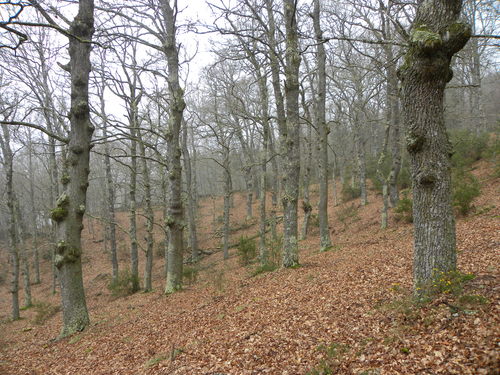
As Carballeiras Green Trail
- Santa Eulalia de Oscos
- 4.5 km
- 1 hour 20 minutes
- Download
This route starts at the Nature Interpretation Center, in the center of Santa Eulalia de Oscos.
-
Teixo – Os Teixois Route
- Taramundi
- 10 km
- 3 hours and 45 minutes
- Media
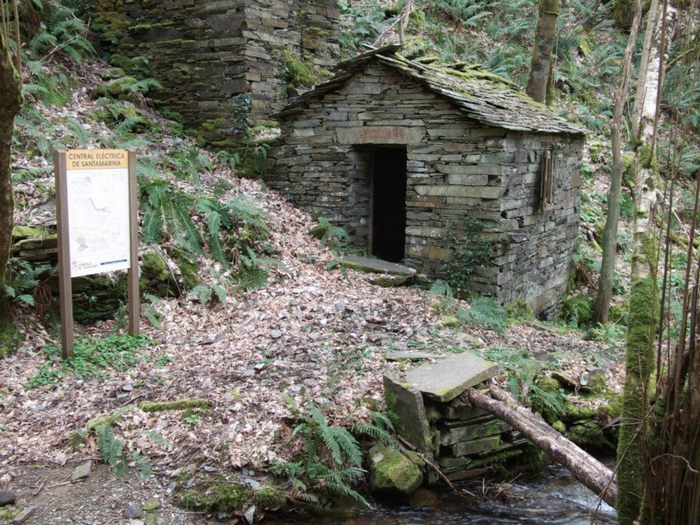
The itinerary begins in Teixo, where after leaving the vehicle and passing the last houses we start an easy walk along the road that connects this town with Santa Marina, leaving it to the right by a wide dirt track that leads us after a slight descent to the Arroyo das Mestas.
-
Mount Marón and Ascuita route
- San Martín de Oscos
- 9 km
- 2 hours
- Download
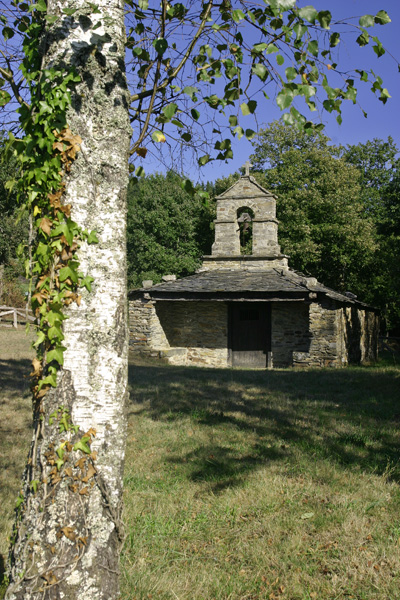
We begin the route in San Martín de Oscos where we can see the parish church, with a Latin cross plan, large porticoed space and inscription of 1828. To the right of the facade we observe one of the most characteristic hórreos of the Oscos with a mixed roof (slate and straw), which corresponds to the primitive models. In front of the church we have the mansion of the Guzmanes, an old manor house of the XVIII century, which preserves in the portico of its main entrance a coat of arms carved in stone. We cross the bridge that crosses the San Martín river to begin the ascent to Mount Marón, entering a small forest of birch and oak trees, which make our walk even more pleasant.
-
Ruta del Esqueicer
- Santa Eulalia de Oscos
- 8,6 Km
- 3 horas
- Media
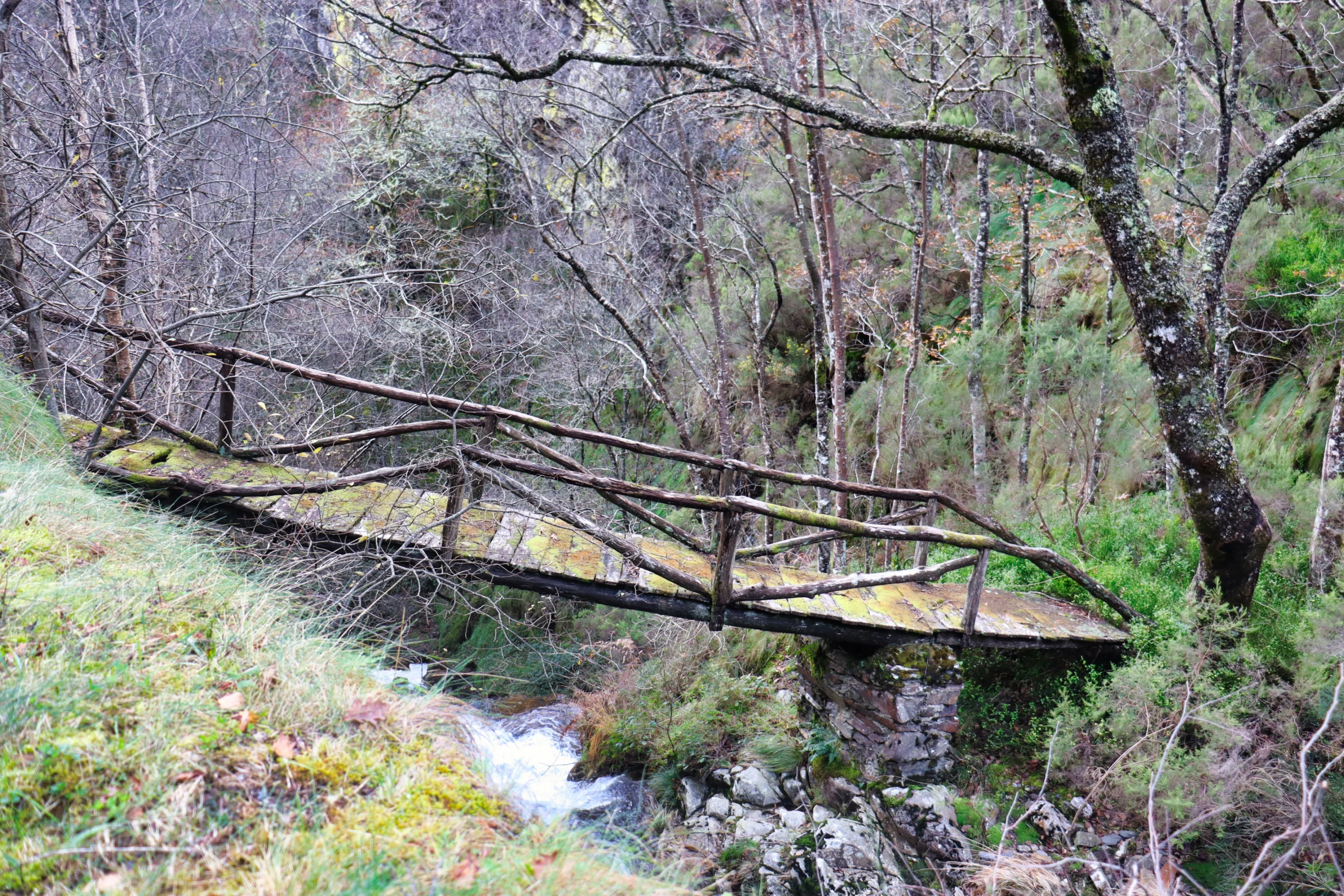
La ruta arranca en una curva situada entre el puente y la aldea de Sualleiro, justo al lado de los apartamentos que llevan ese mismo nombre. Inaugurada en agosto de 2020, se presenta bien cuidada y correctamente señalizada con flechas pintadas en árboles y piedras.


