


- Home
- What to visit?
- Piantón
Piantón
- Vegadeo
- Heritage
Two kilometers from the town of Vegadeo is the village of Piantón, which can be reached on foot as the entire route has a sidewalk. It is a beautiful walk along the Suarón River.
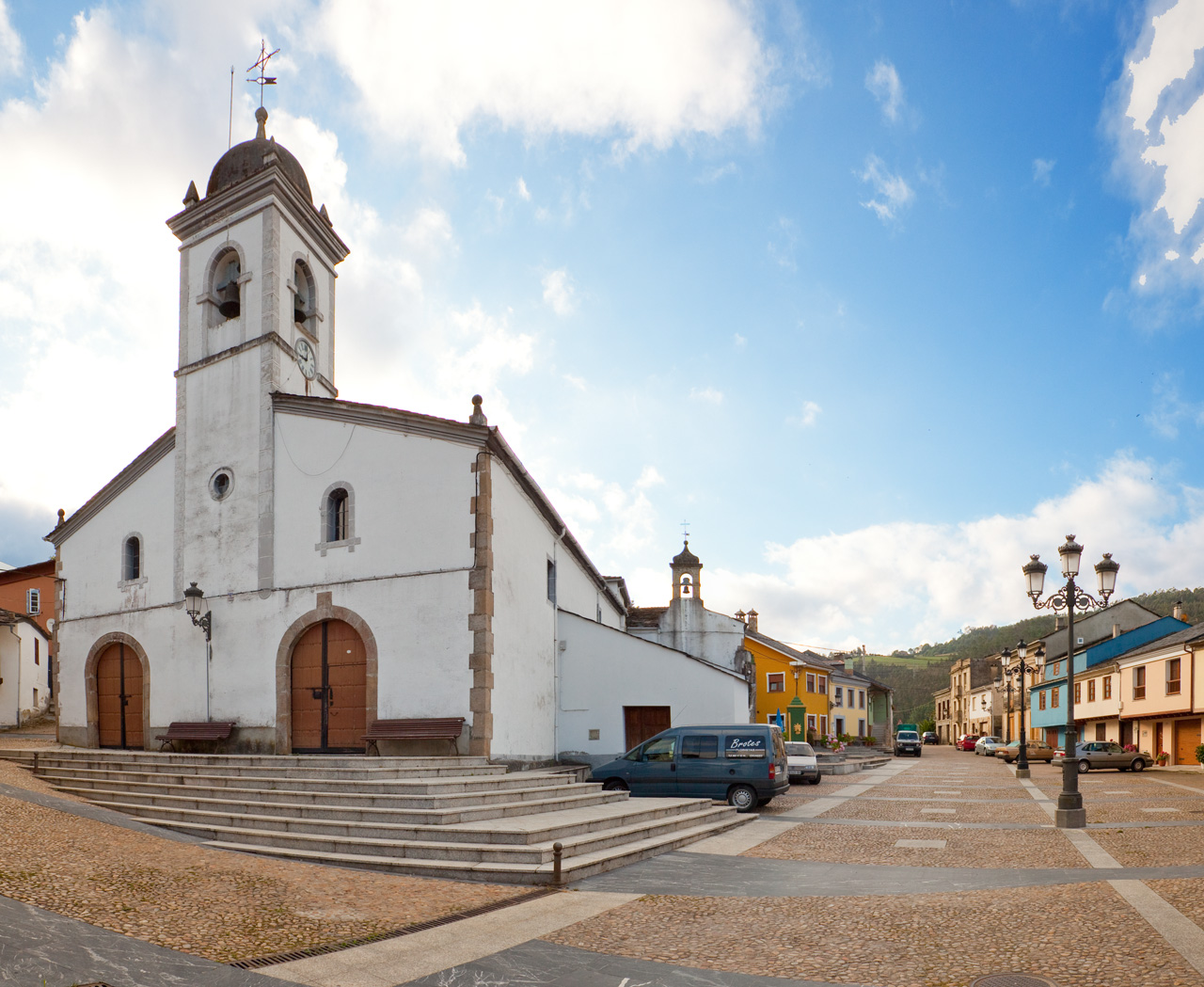
This village offers an excellent sample of religious heritage. The church, located in the town square, was built between the sixteenth and eighteenth centuries and the oldest seems to be the sacristy (1604). It is worth mentioning the varied set of baroque altarpieces that it treasures. This church is linked to the Order of Malta.
In this square also stand out the balconied houses of traditional structure and the Casa del Rego (XVIII century).
One of the emblems of Piantón is its bridge, built in 1844 in place of another, apparently medieval, that was swept away by a flood of the Suarón River. This public work has three brick arches and low parapets.
It is also worth visiting the “Puente de Bartolo” recreational area , which has a bathing area.
In the parish of Piantón, specifically in the village of “A Corredoira”, the pre-Roman stele of Nícer (Prince of the Albions) was found, of which we can see a replica in the Municipal Library of Vegadeo, since the original is permanently exhibited in the Archaeological Museum of Asturias.
Celebrations
Piantón is also known for its celebrations, among others:
Easter
The images were made by artisans of the parish, most of them articulated.
The party in “Honor of Suaron”.
It revives the medieval past through a traditional market with craft stalls, food, workshops and crafts, falconry, equestrian meeting and horse tournament, medieval dinner, medieval characterization contest, magical night with torches and the investiture of the knight “Honor del Suarón”.
The International Music Festival
Several classical music concerts take place over the course of a week or so.
What to see?
-
Ferrería de Santa Eufemia
- Villanueva de Oscos
- Ethnographic set
-
Eo Leche Artisan Cheese Factory
- Taramundi
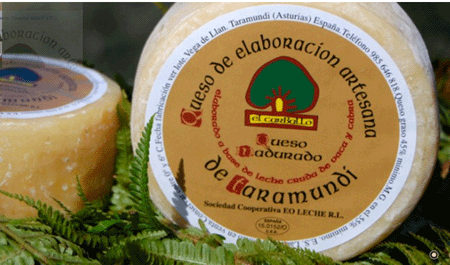
The Eo Leche Taramundi cheese factory is located in the Parque de Empresas Artesanas, about 400 meters from the center of the town of Taramundi.
-
Bres Craft Center
- Taramundi
- Craft
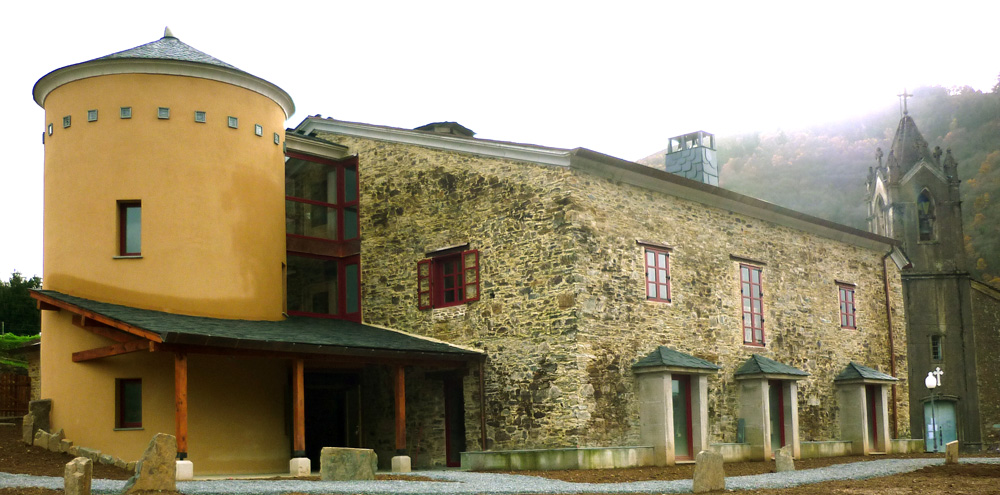
The Bres Craft Center is located in the old Casona de Villanueva, in the center of Bres, 5 kilometers from the capital of the council. This center was conceived as a facility to facilitate the knowledge and enhancement of craft activities, both new and traditional of the region.
-
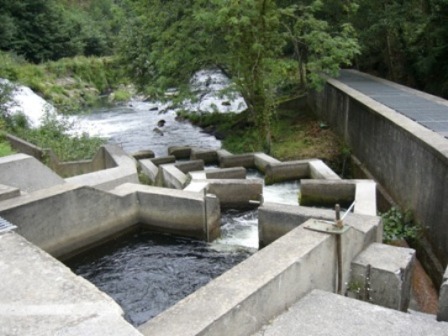
Escala de Salmones
- San Tirso de Abres
-
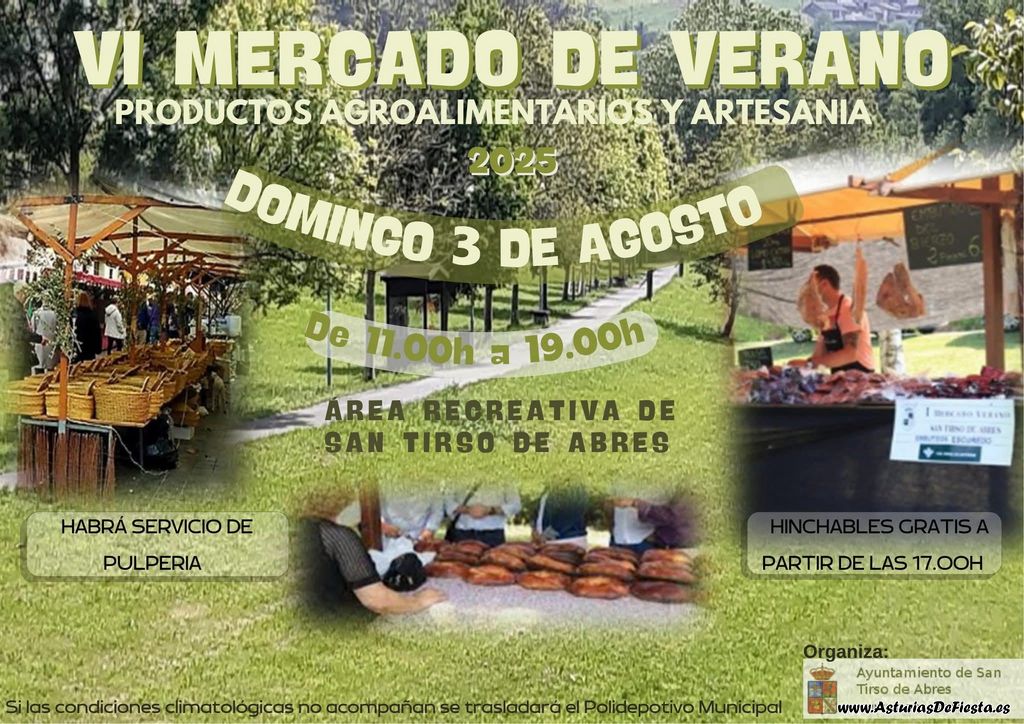
Mercado de Verano
- San Tirso de Abres
- Fiestas y Eventos
-
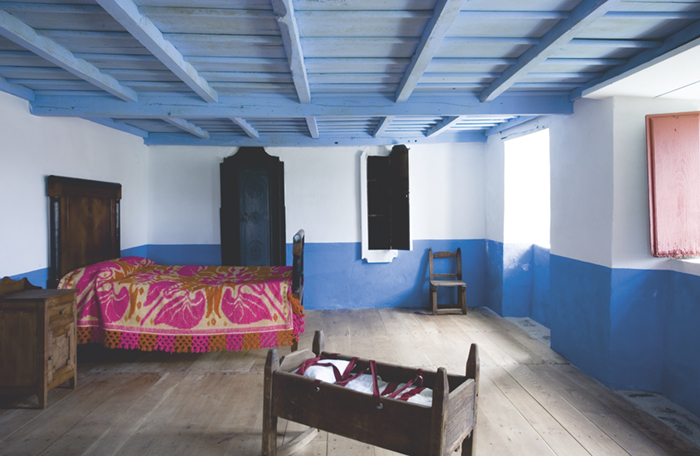
Casa del Marco Interpretation Center “Casa Campesina Museum”.
- San Martín de Oscos
- Museum
In the town of Villarquille (San Martín de Oscos) we find the Casa del Marco, a peasant house with its furniture, tools and implements which shows the way of life of the rural society of the region until the mid-twentieth century.


