


- Home
- What to visit?
- Escala de Salmones
Escala de Salmones
- San Tirso de Abres
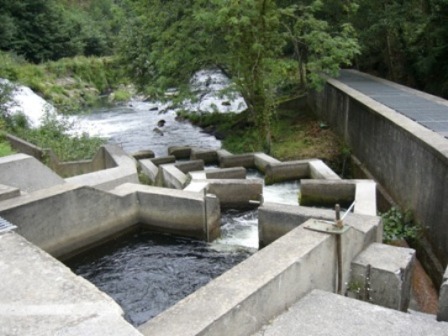
La Escala de Salmones de San Tirso de Abres es una infraestructura ecológica situada en la Vía Verde del Ferrocarril del Eo, en el concejo de San Tirso de Abres, Asturias. Esta estructura permite a los salmones superar las barreras físicas impuestas por las presas en su ruta migratoria hacia las zonas altas del río Eo, donde se reproducen. Consiste en una serie de escalones interconectados que facilitan el ascenso de los peces, contribuyendo a la conservación de la biodiversidad fluvial.
Además de su función ecológica, la escala de salmones es un punto de interés en la Vía Verde del Eo, una ruta de senderismo y cicloturismo que sigue el trazado de un antiguo ferrocarril minero. A lo largo de este recorrido, los visitantes pueden disfrutar de paisajes naturales y observar la fauna local, como nutrias y aves acuáticas. La escala de salmones destaca como ejemplo de ingeniería ambiental aplicada a la conservación de especies migratorias en el río Eo.
What to see?
-
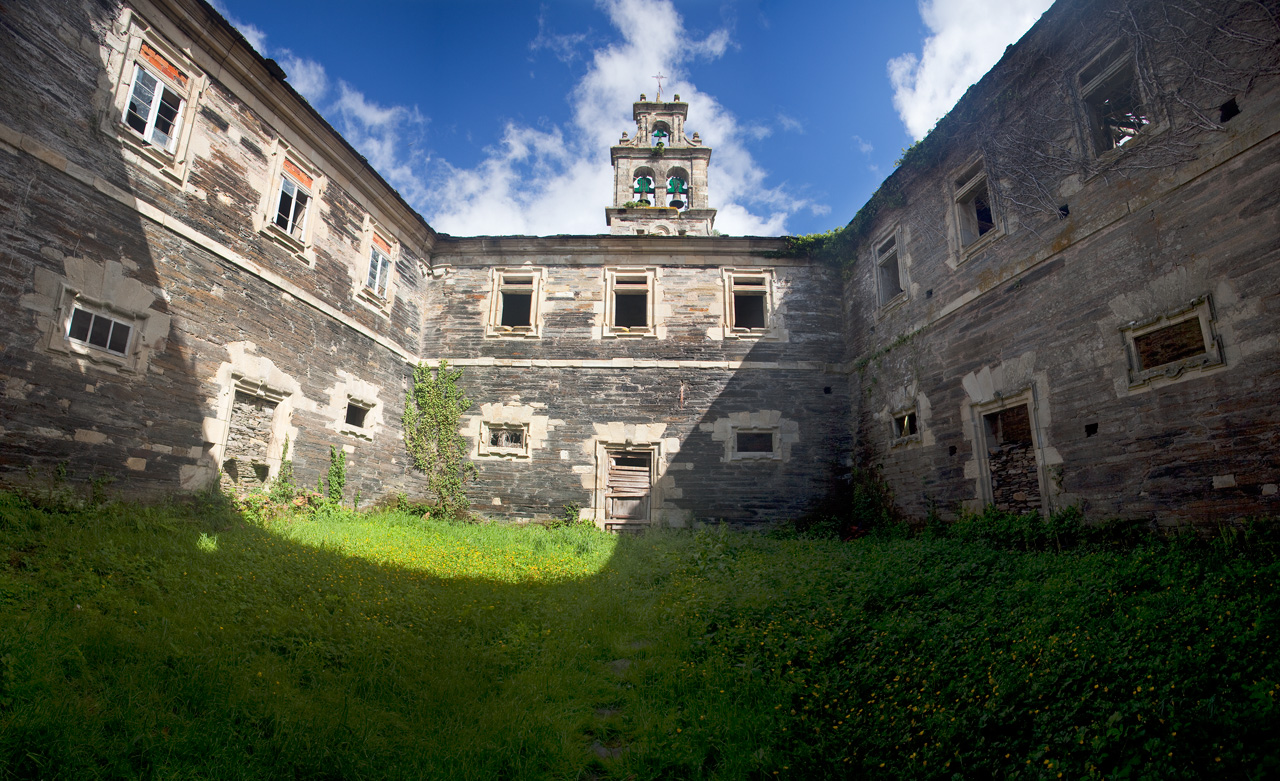
Monastery of Santa Maria
- Villanueva de Oscos
- Heritage
The history of Villanueva de Oscos is closely linked to the Monastery of Santa María, at the entrance of the capital of the council. This Monastery, considered one of the great jewels of Asturian heritage and classified as a Historic-Artistic Monument, was born Romanesque and grew Baroque.
-
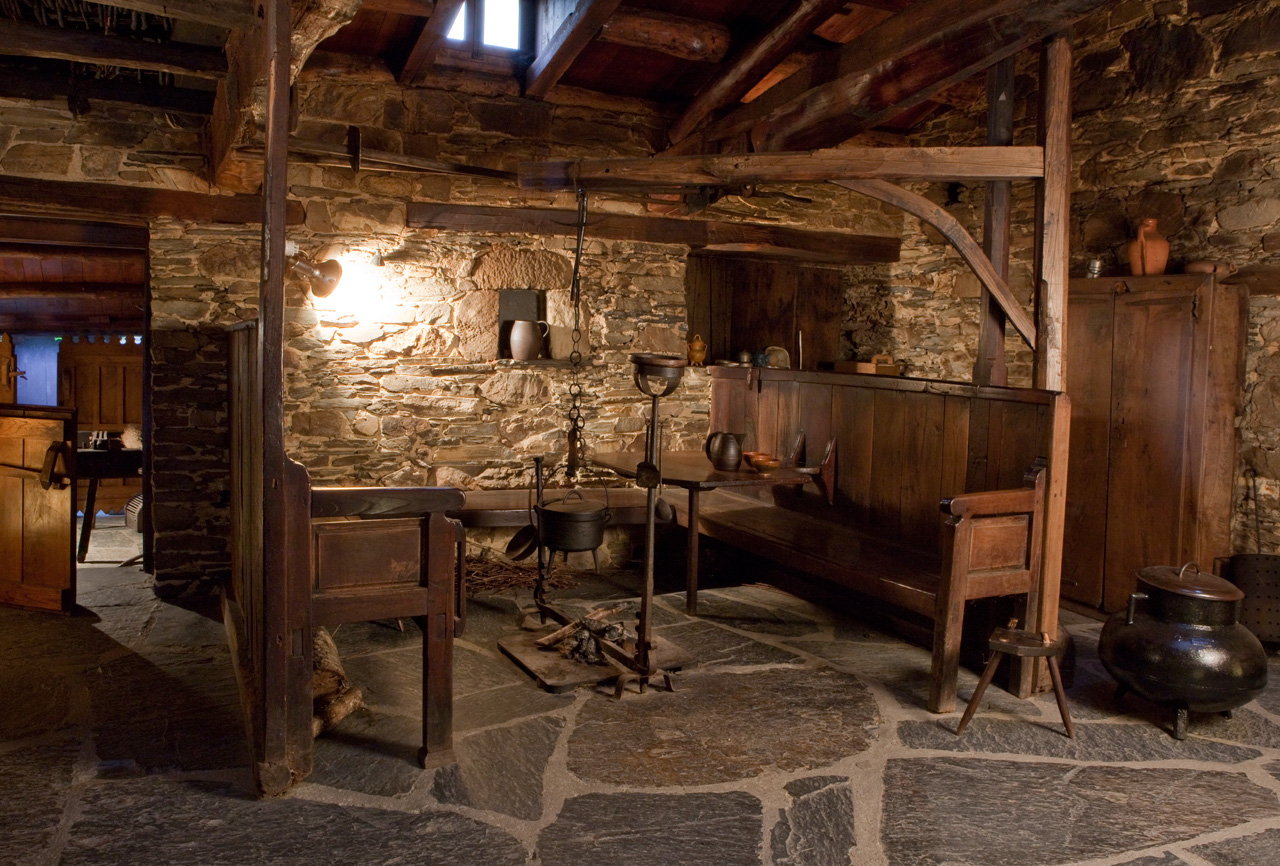
Marquis of Sargadelos Birthplace Museum
- Santa Eulalia de Oscos
- Museum
The house where Antonio Raimundo Ibáñez, Marquis of Sargadelos (1749-1809) was born is now an exhibition space dedicated to the life and work of this industrial and enlightened merchant, who in the late 18th century built in Sargadelos (Cervo, Lugo) one of the first cast-iron foundry and earthenware factories in Spain.
-
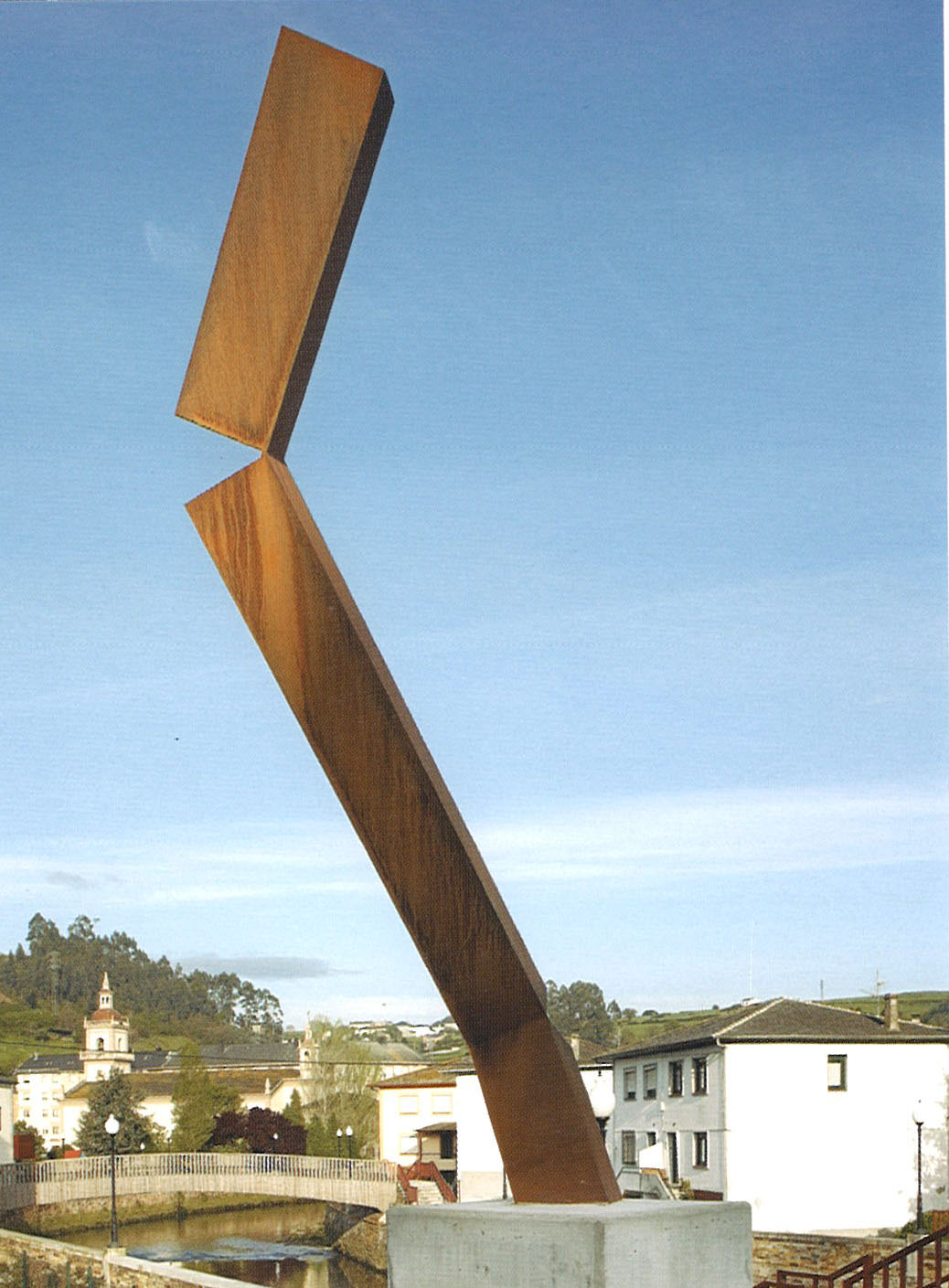
Contemporary art sculptures and sculptures by César Montaña (Vegadeo)
- Vegadeo
- Sculpture
The town of Vegadeo has the peculiarity of being crossed by two rivers: the Monjardín and the Suarón, which have twelve bridges that cross them (six each). Taking advantage of this circumstance, the idea was that visitors to Vegadeo could get to know the town center by crossing these bridges, and enriching the visit with a sculpture on each of them.
-
Yacimientos Arqueológicos “Os Castros”
- Taramundi
- Heritage
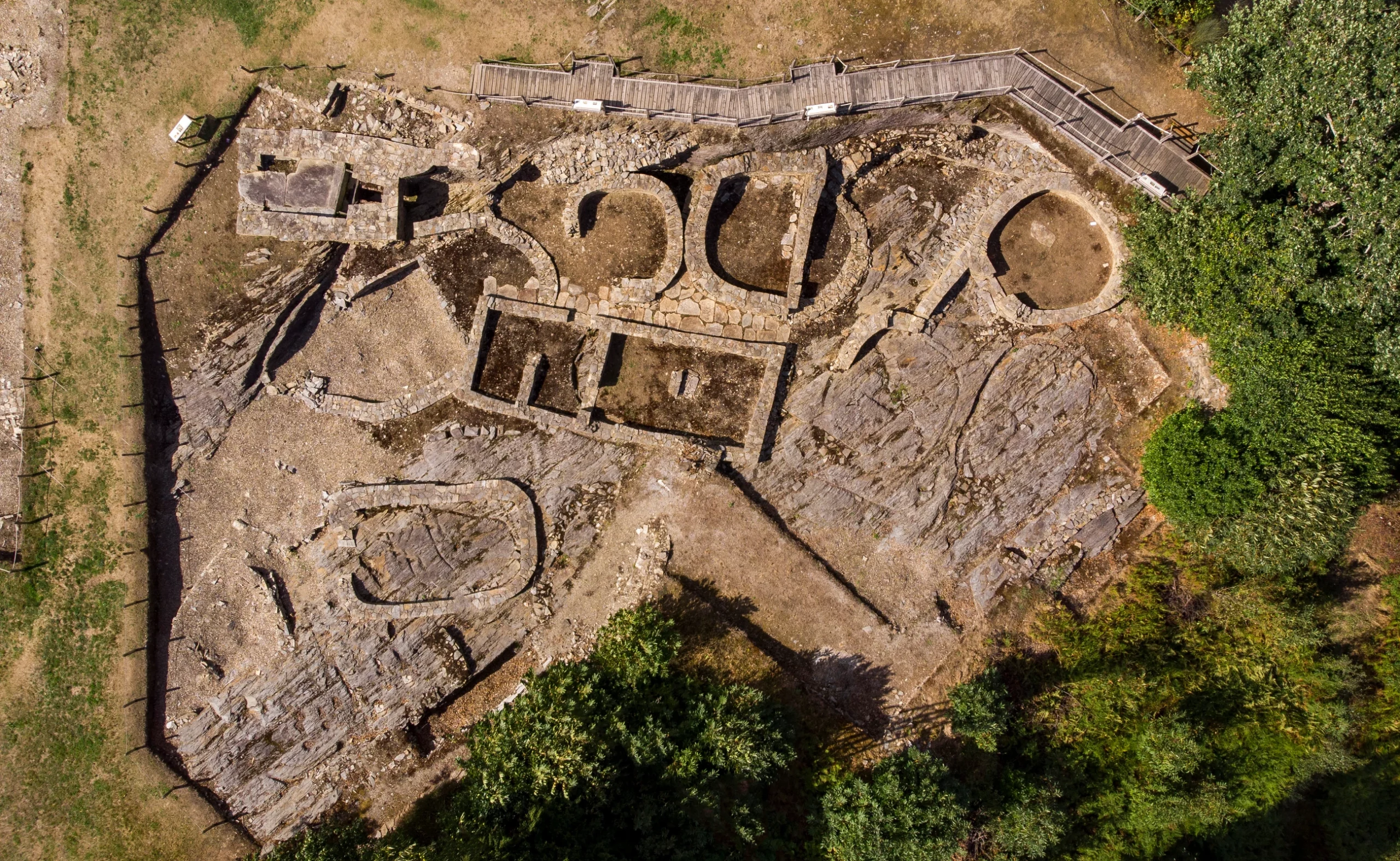
El yacimiento, conocido como Os Castros se localiza en la capital del concejo. Buena parte de su superficie se ha mantenido ajena al desarrollo urbano del municipio si bien la carretera que desciende hacia Mazonovo significó la destrucción algunas cabañas y parte de la muralla. En el año 2000 se iniciaron las excavaciones arqueológicas bajo patrocinio del Ayuntamiento de Taramundi, la Consejería de Cultura del Principado de Asturias y la meritoria colaboración de la asociación de hosteleros locales ANTURTA.
-
Mazonovo Mallet
- Santa Eulalia de Oscos
- Ethnographic set
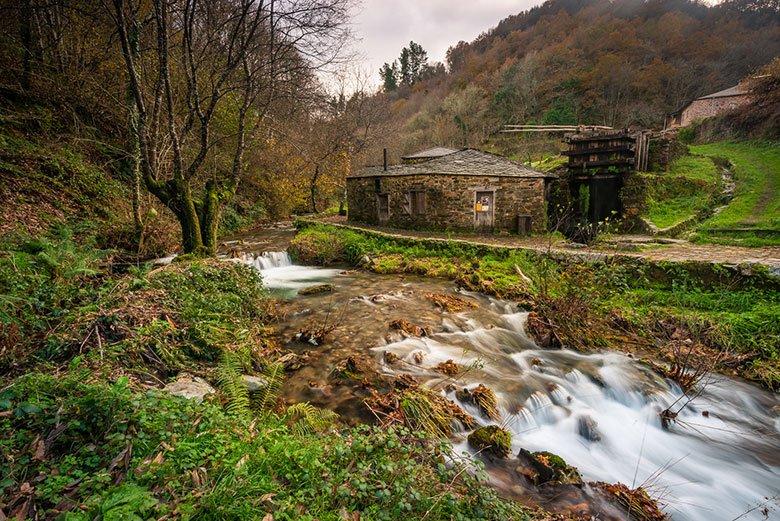
The Mazonovo Mallet is located about 3 km from Santa Eulalia. It is a 17th century mallet active in the 21st century. This set is restored and rehabilitated in its integrity for the understanding of the iron industry. The building of the mallet stands out for being in a state in which it has not suffered great modifications with the passage of time. Here you can forge your own nail and take it as a souvenir.
-
Los Castros
- San Martín de Oscos
- Heritage
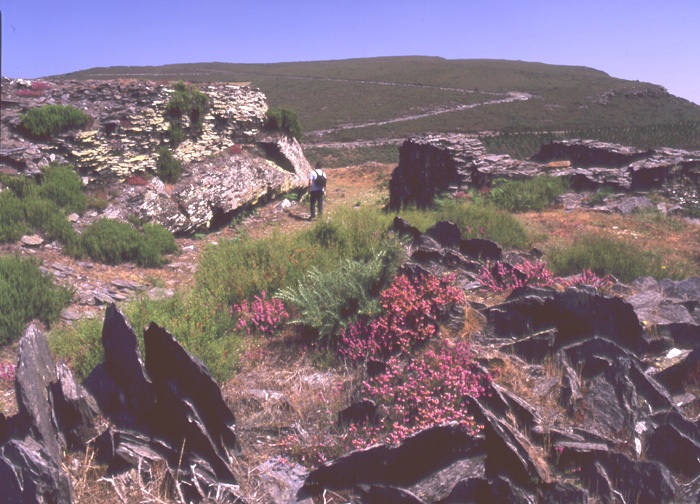
The castros are population centers of an eminently strategic and defensive nature. They are found throughout the northwest of the peninsula (castreña culture). These settlements arise in the transition from the Bronze Age to the Iron Age, reaching its peak during the Second Iron Age.


