


- Home
- What to visit?
- Ferrería de Santa Eufemia
Ferrería de Santa Eufemia
- Villanueva de Oscos
- Ethnographic set
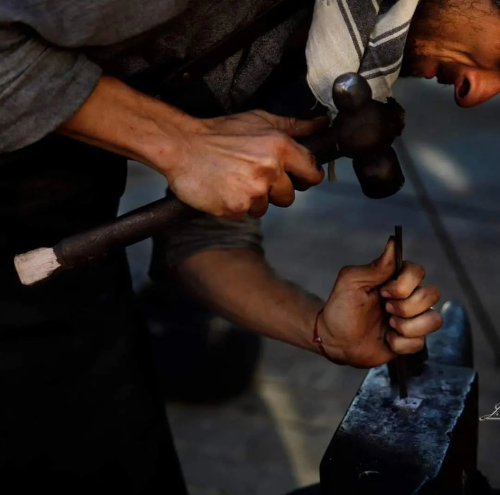
Visita la ferrería de Santa Eufemia y conoce su trabajo a través de talleres, visitas guiadas, demostración de oficios tradicionales como fragua artesanal y una muestra de sus piezas más significativas. En la visita conocerás un poco sobre la importancia de los mazos y “ferreiros” en toda la comarca y al terminar podrás forjar tu propio recuerdo.
Basic information
- 659805417
- Santa Eufemia, s/n - Villanueva de Oscos
Schedule
Consulta horarios de apertura y visitas guiadas en el teléfono 659805417
What to see?
-
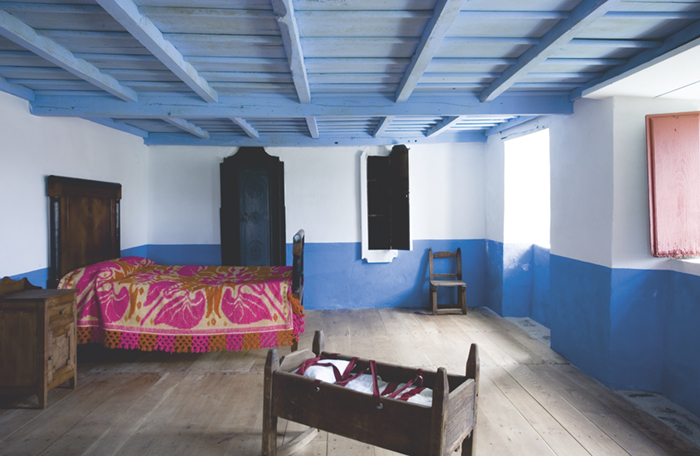
Casa del Marco Interpretation Center “Casa Campesina Museum”.
- San Martín de Oscos
- Museum
In the town of Villarquille (San Martín de Oscos) we find the Casa del Marco, a peasant house with its furniture, tools and implements which shows the way of life of the rural society of the region until the mid-twentieth century.
-
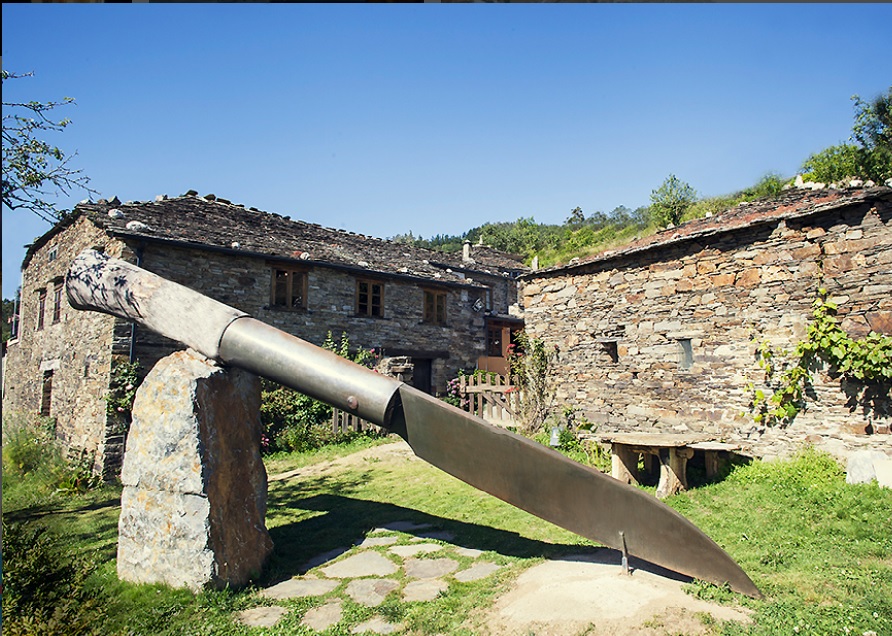
House Museum of Traditional Cutlery
- Taramundi
- Museum
Located in Pardiñas, 1 km from the capital of the council, the museum of the Cutlery offers the possibility of approaching the most representative trade of the council of Taramundi: the navalleiros.
-
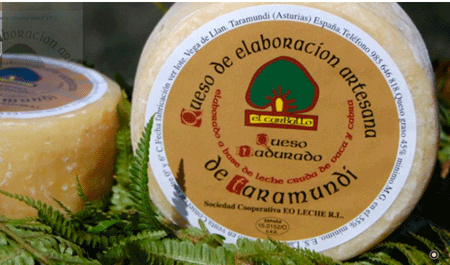
Eo Leche Artisan Cheese Factory
- Taramundi
The Eo Leche Taramundi cheese factory is located in the Parque de Empresas Artesanas, about 400 meters from the center of the town of Taramundi.
-

Mina do Salgueiro
- San Tirso de Abres
- Mines
-
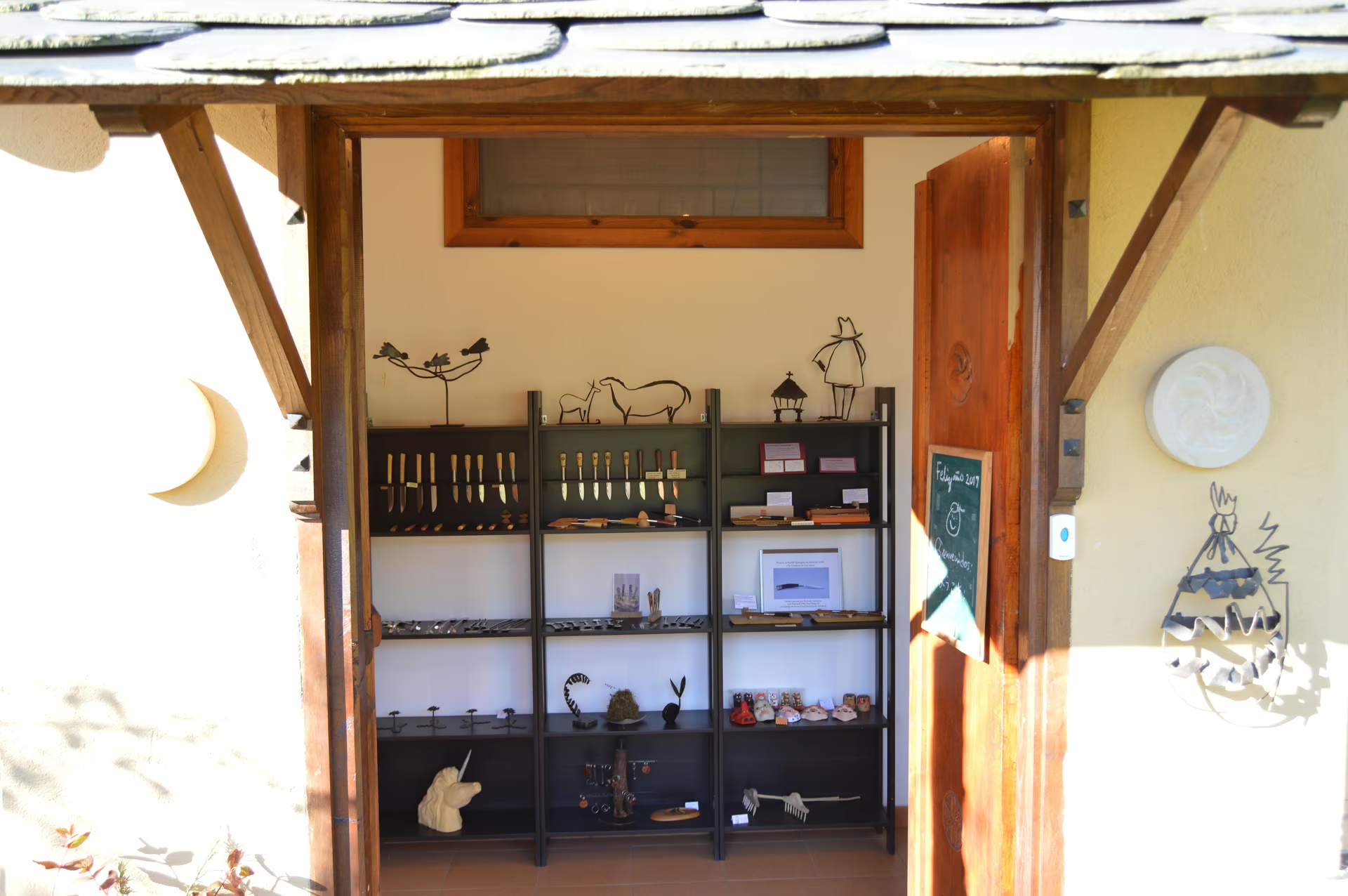
Hiottoko artistic forge and cutlery workshop-shop
- Santa Eulalia de Oscos
- Craft
Traditionally, in Santa Eulalia de Oscos, knives have been made for more than a century. Nowadays Jorge (knifemaker) and Keiko (metal craftswoman) maintain this tradition developing this ancient craft to which they add part of the Japanese ancestral wisdom.
-
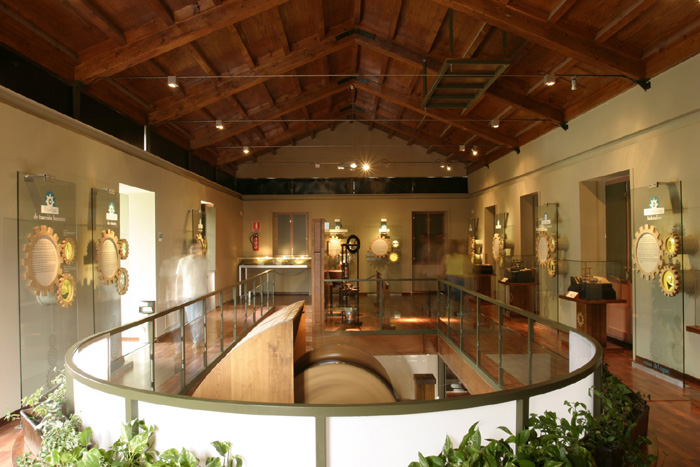
Bres Water House
- Taramundi
- Museum
The Casa del Agua de Bres, Taramundi, was created with the aim of making known the relationship between cultures and the dynamics of water throughout history. In this installation water is conceived, on the one hand, as a living substance capable of developing a force that men have been using throughout history to perform tasks that require power and routine work.


