


- Home
- What to visit?
- Bres Craft Center
Bres Craft Center
- Taramundi
- Craft
The Bres Craft Center is located in the old Casona de Villanueva, in the center of Bres, 5 kilometers from the capital of the council. This center was conceived as a facility to facilitate the knowledge and enhancement of craft activities, both new and traditional of the region.
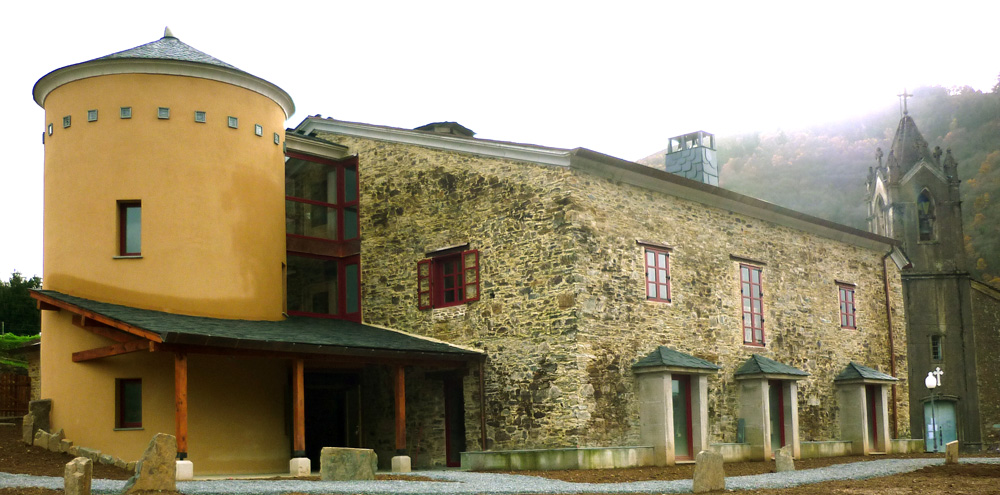
The Center has three distinct areas: workshop area, exhibition and sales area, and training classroom. This provides a suitable place for artisans to work and an environment where visitors can learn first-hand about the manufacturing processes of the different crafts installed there. It is also intended that this space will serve as a forum for dialogue, training and exchange of knowledge among professionals in the sector.
The Center opened its doors to the public in July 2013 and currently has a craftswoman: Inés Barcia (loom).
Basic information
- 671 302 320
- inesquilts@hotmail.com
- Bres, s/n - Taramundi
Schedule
From March to June:
Saturdays and Sundays from 11:00 – 14:00 h. / 16:00 to 20:00 h.
Easter Week:
from April 13 to 21, open daily from 11:00 – 14:00 h. / 16:00 to 20:00 h.
July and August:
from Wednesday to Sunday from 11:00 – 14:00 h. / 16:00 to 20:00 h.
September and until December 15:
Saturday and Sunday from 11:00 – 14:00 / 16:00 – 20:00 h.
Visits throughout the year by appointment.
Prices
Free
What to see?
-
Ethnographic Museum of Esquíos
- Taramundi
- Museum
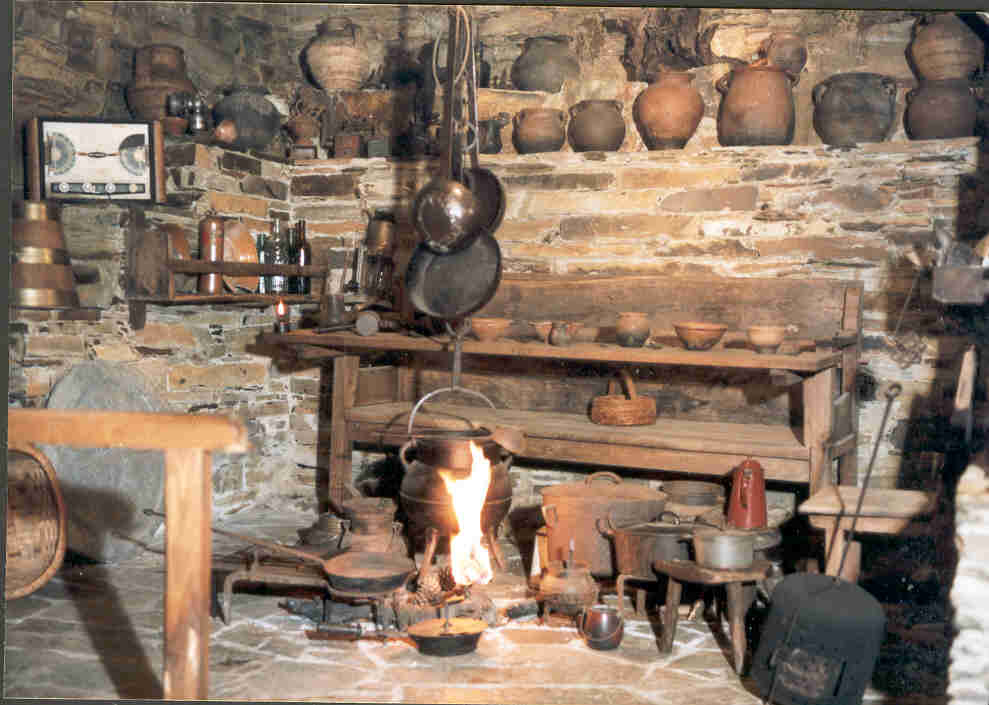
Esquíos is a village in the council of Taramundi inhabited for centuries by families of ferreiros, the Lombardía family, who emigrated from Italy to the Basque Country and later to Asturias.
-
Marquis of Sargadelos Birthplace Museum
- Santa Eulalia de Oscos
- Museum
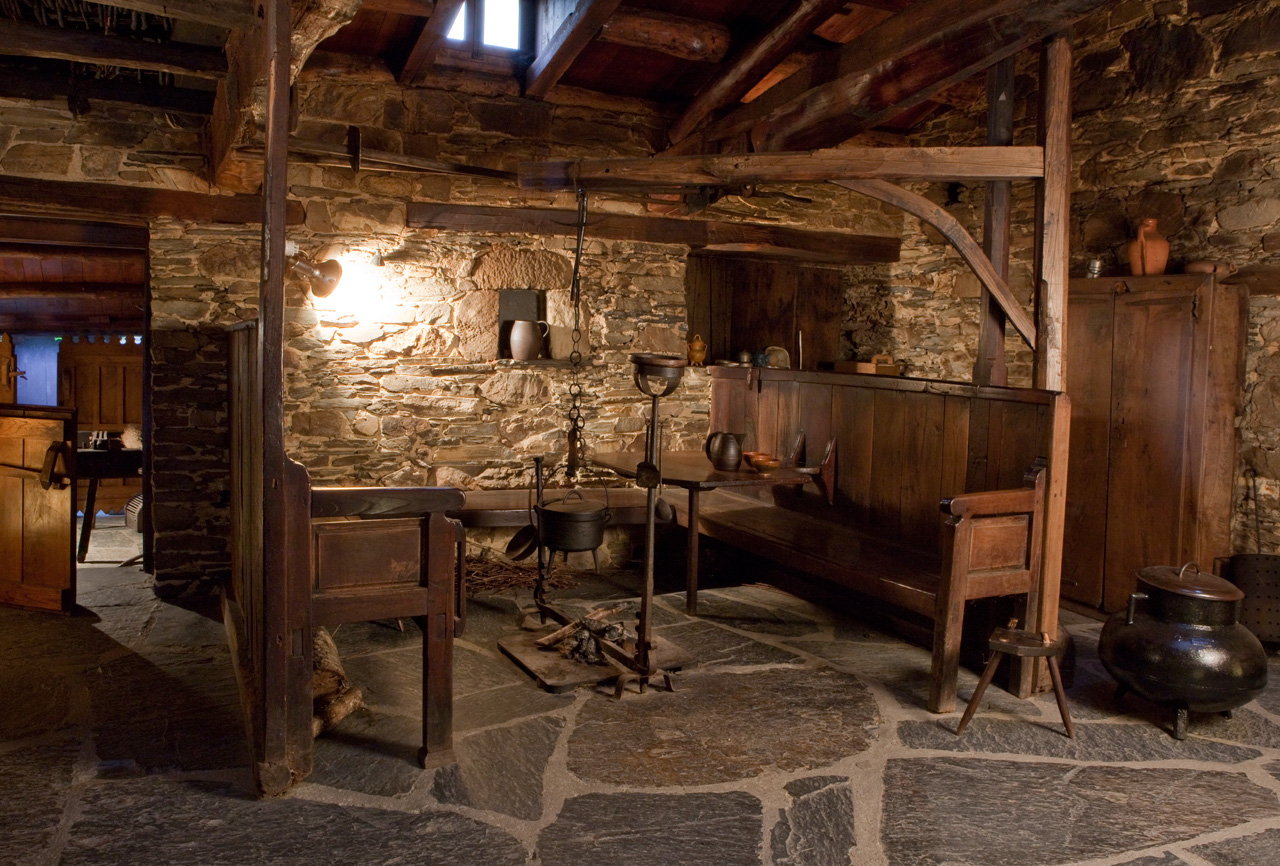
The house where Antonio Raimundo Ibáñez, Marquis of Sargadelos (1749-1809) was born is now an exhibition space dedicated to the life and work of this industrial and enlightened merchant, who in the late 18th century built in Sargadelos (Cervo, Lugo) one of the first cast-iron foundry and earthenware factories in Spain.
-
House Museum of Traditional Cutlery
- Taramundi
- Museum
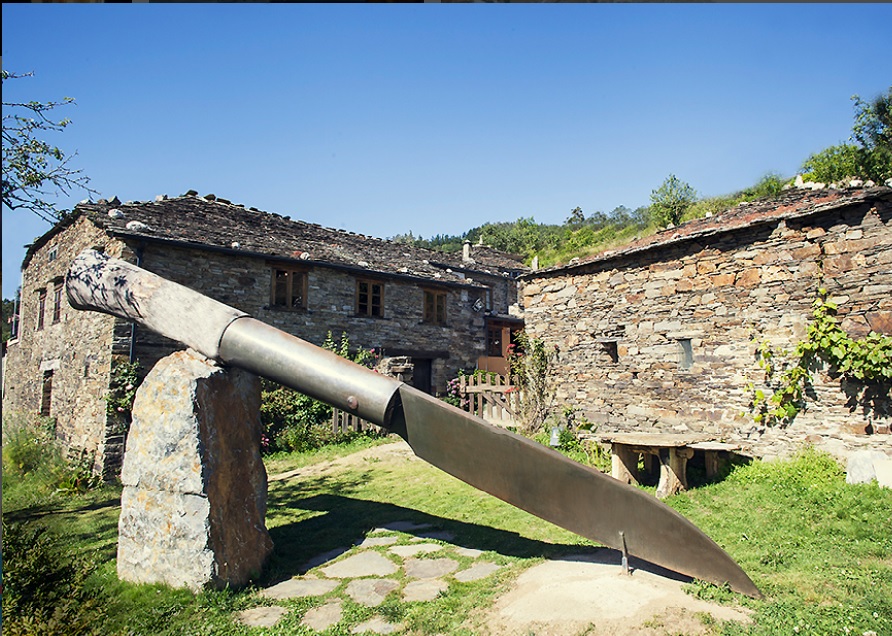
Located in Pardiñas, 1 km from the capital of the council, the museum of the Cutlery offers the possibility of approaching the most representative trade of the council of Taramundi: the navalleiros.
-
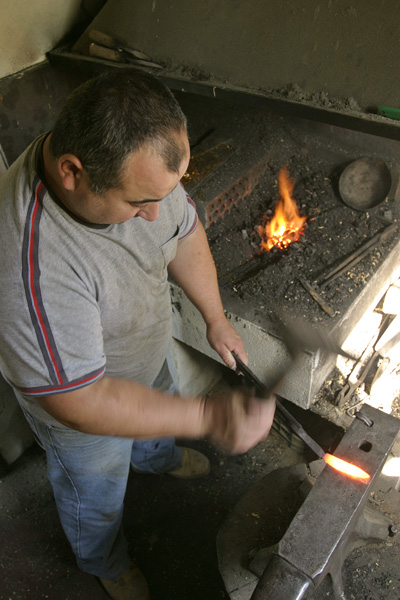
Knife and razor artisan workshops
- Taramundi
Some artisans perform demonstrations in their workshops of the craft they develop. In this way, visitors can see the whole process of elaboration of the products, which also allows them to actively participate in the process.
-
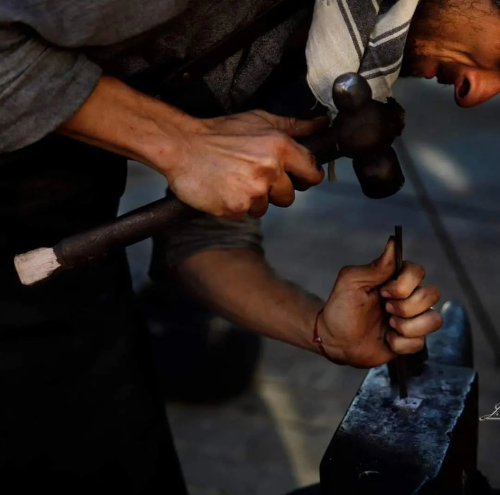
Ferrería de Santa Eufemia
- Villanueva de Oscos
- Ethnographic set
-
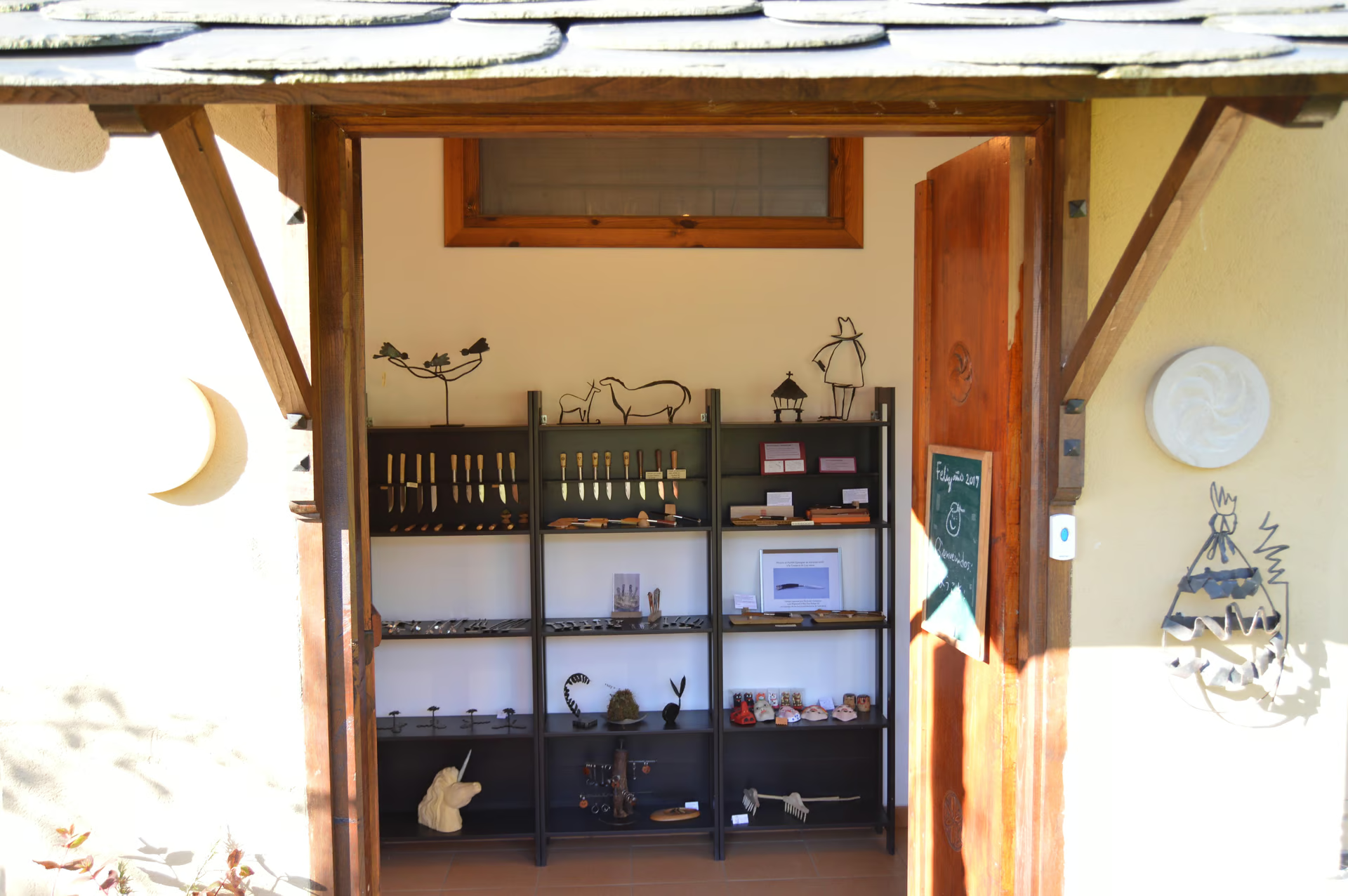
Hiottoko artistic forge and cutlery workshop-shop
- Santa Eulalia de Oscos
- Craft
Traditionally, in Santa Eulalia de Oscos, knives have been made for more than a century. Nowadays Jorge (knifemaker) and Keiko (metal craftswoman) maintain this tradition developing this ancient craft to which they add part of the Japanese ancestral wisdom.


