


- Home
- What to visit?
- Casa del Marco Interpretation Center “Casa Campesina Museum”.
Casa del Marco Interpretation Center “Casa Campesina Museum”.
- San Martín de Oscos
- Museum
In the town of Villarquille (San Martín de Oscos) we find the Casa del Marco, a peasant house with its furniture, tools and implements which shows the way of life of the rural society of the region until the mid-twentieth century.
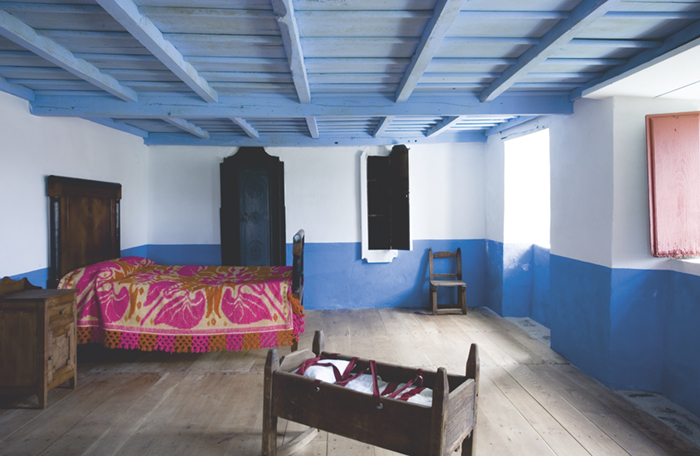
The set consists of five buildings that house the different spaces of a traditional house: the house with the entrance hall, the kitchen, the living room, the rooms, the attic and the oven cellar; and the rest of spaces for the development of the peasant activity: stables, hayloft, cabanón, loom, carpentry, henhouse, wine cellar, woodshed and potato.
In the farms near the house you can also enjoy the presence of animals typical of an Asturian farmhouse: chickens, horses, cows,…
Basic information
- 615 375 701
- turismo@sanmartindeoscos.es
- Villarquille (San Martín de Oscos)
Schedule
Summer guided tours:
From Wednesday to Sunday
at 12:00 noon.
Appointments must be made in advance with the staff at the tourist office (open from 10:30 am to 6:00 pm every day except Wednesday and Thursday).
Prices
Adults and over 10 years old:
2,00 €
Children under 10 years old:
free of charge
What to see?
-
Mon Palace
- San Martín de Oscos
- Heritage
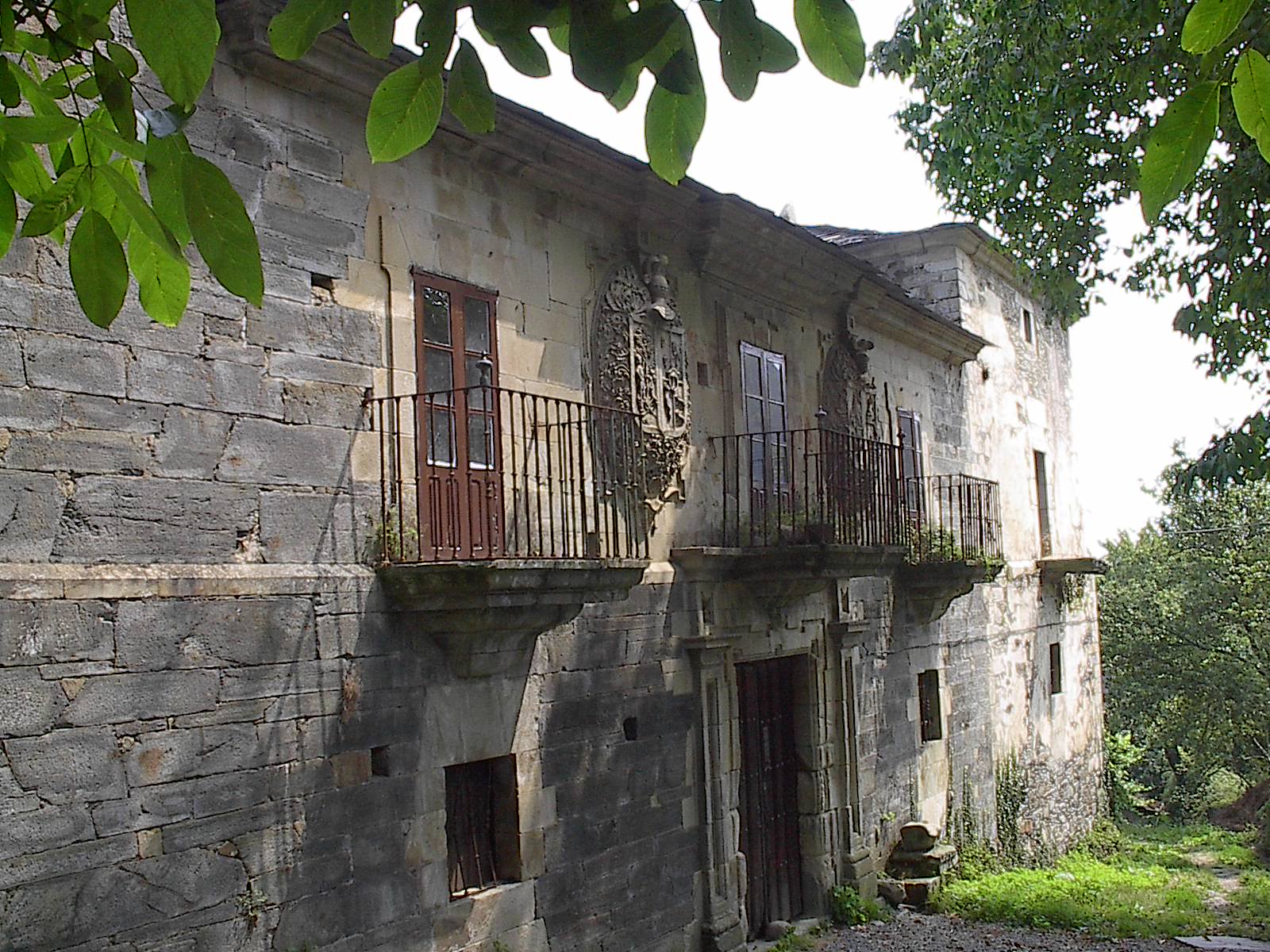
Among the artistic heritage of San Martín de Oscos it is worth mentioning the legendary and majestic Palacio de Mon. Conditioned by the sloping terrain, its main facade faces south while its foundations adapt to the slope, fitting into the west bay below ground level while developing height to the east.
-
Interactive Museum of the Mills in Mazonovo
- Taramundi
- Museum
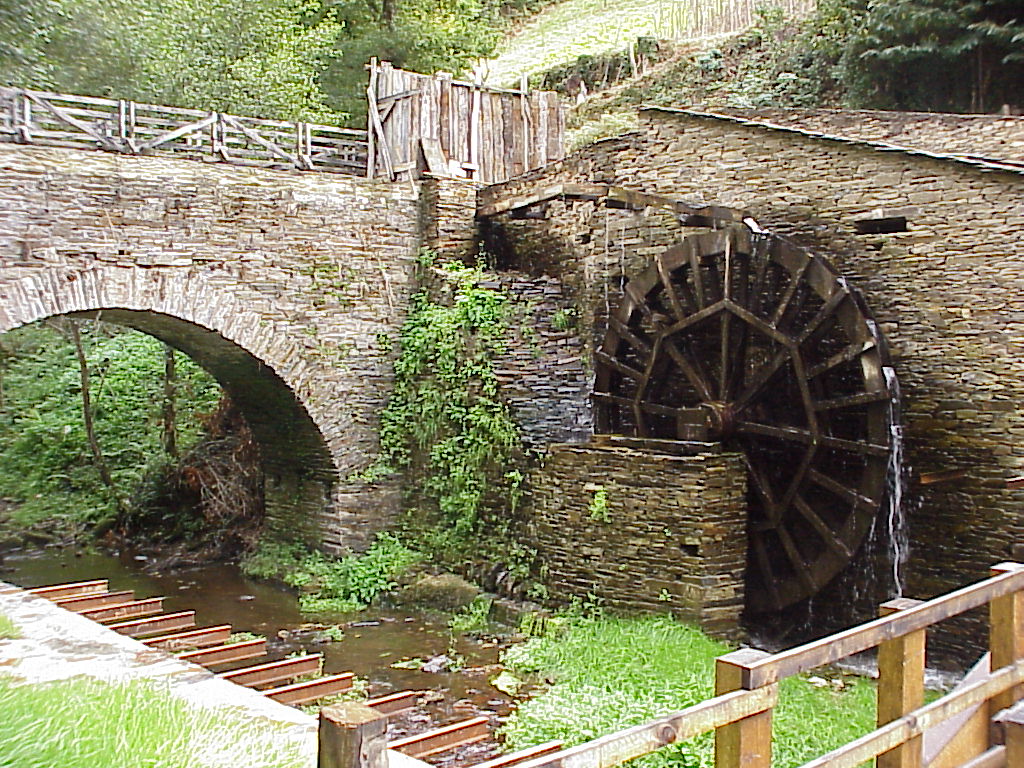
This museum was created to show the great variety of hydraulic and hand-operated mills that were used throughout history and in different parts of the world to grind cereals.
-
Bres Water House
- Taramundi
- Museum
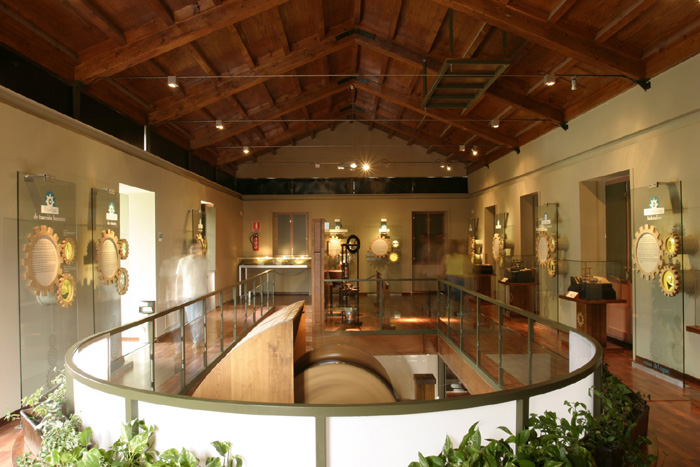
The Casa del Agua de Bres, Taramundi, was created with the aim of making known the relationship between cultures and the dynamics of water throughout history. In this installation water is conceived, on the one hand, as a living substance capable of developing a force that men have been using throughout history to perform tasks that require power and routine work.
-
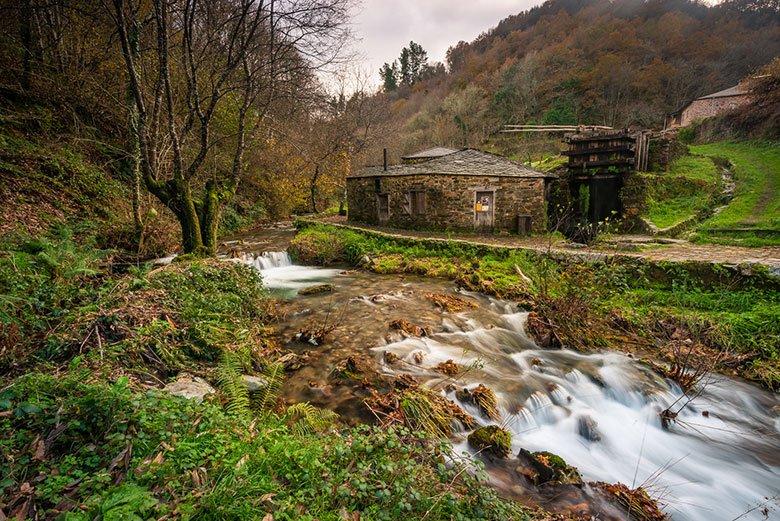
Mazonovo Mallet
- Santa Eulalia de Oscos
- Ethnographic set
The Mazonovo Mallet is located about 3 km from Santa Eulalia. It is a 17th century mallet active in the 21st century. This set is restored and rehabilitated in its integrity for the understanding of the iron industry. The building of the mallet stands out for being in a state in which it has not suffered great modifications with the passage of time. Here you can forge your own nail and take it as a souvenir.
-
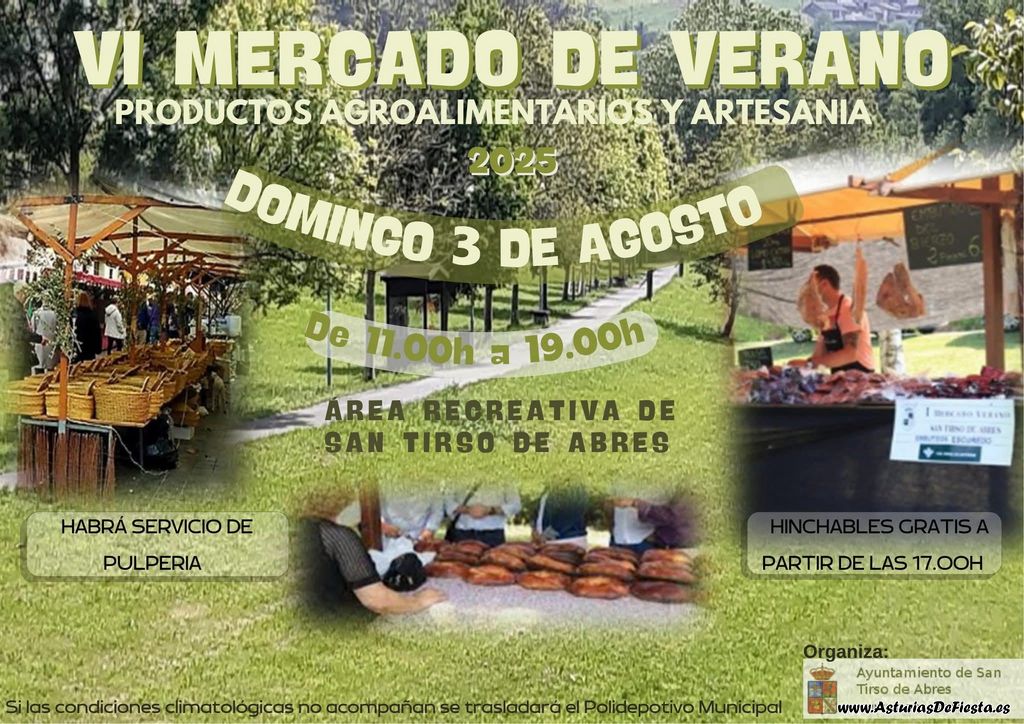
Mercado de Verano
- San Tirso de Abres
- Fiestas y Eventos
-
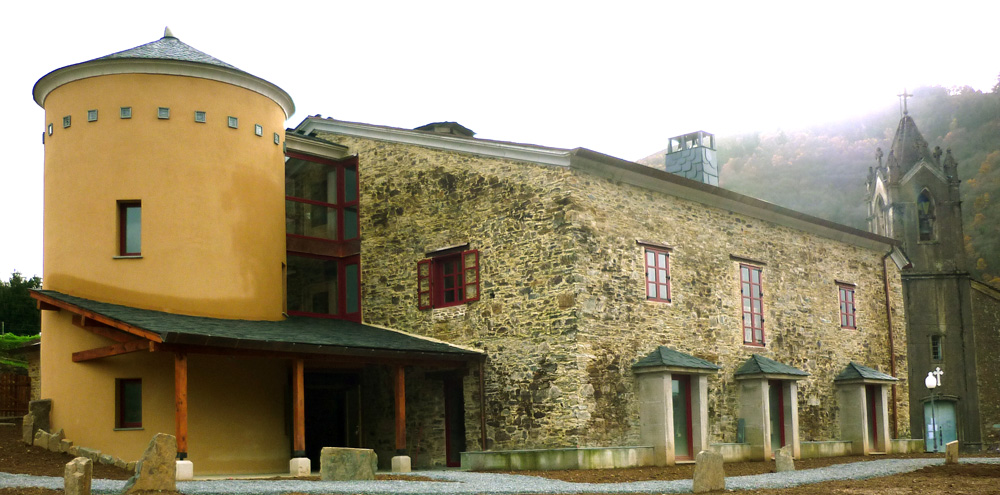
Bres Craft Center
- Taramundi
- Craft
The Bres Craft Center is located in the old Casona de Villanueva, in the center of Bres, 5 kilometers from the capital of the council. This center was conceived as a facility to facilitate the knowledge and enhancement of craft activities, both new and traditional of the region.


