


- Home
- What to visit?
- Mina do Salgueiro
Mina do Salgueiro
- San Tirso de Abres
- Mines
La Mina do Salgueiro, situada en San Tirso de Abres (Asturias), fue una importante explotación de hierro con orígenes que podrían remontarse a época romana. Ubicada en la zona de San Salvador, conserva varias galerías excavadas en la roca, algunas con evidencias de trabajos tanto antiguos como industriales modernos. La mina formó parte del sistema minero del occidente asturiano, vinculado al transporte de mineral por el antiguo ferrocarril Villaodrid–Ribadeo.
Aunque cerró definitivamente en 2018, sigue siendo un punto de referencia del patrimonio minero de la comarca. Sus restos forman parte del paisaje cultural del valle del Eo, junto a castros como el de As Croas de Eilale, con los que probablemente mantuvo relación funcional. Hoy, la mina permanece cerrada al público, pero su historia perdura a través de rutas de senderismo y el recuerdo de quienes trabajaron en sus galerías.
What to see?
-
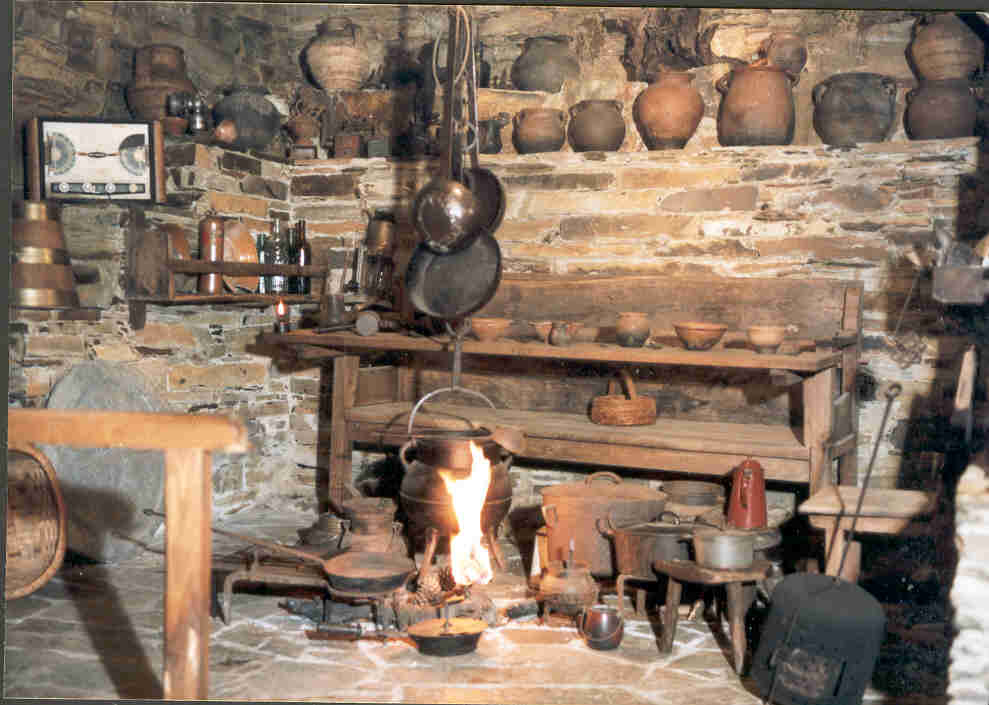
Ethnographic Museum of Esquíos
- Taramundi
- Museum
Esquíos is a village in the council of Taramundi inhabited for centuries by families of ferreiros, the Lombardía family, who emigrated from Italy to the Basque Country and later to Asturias.
-
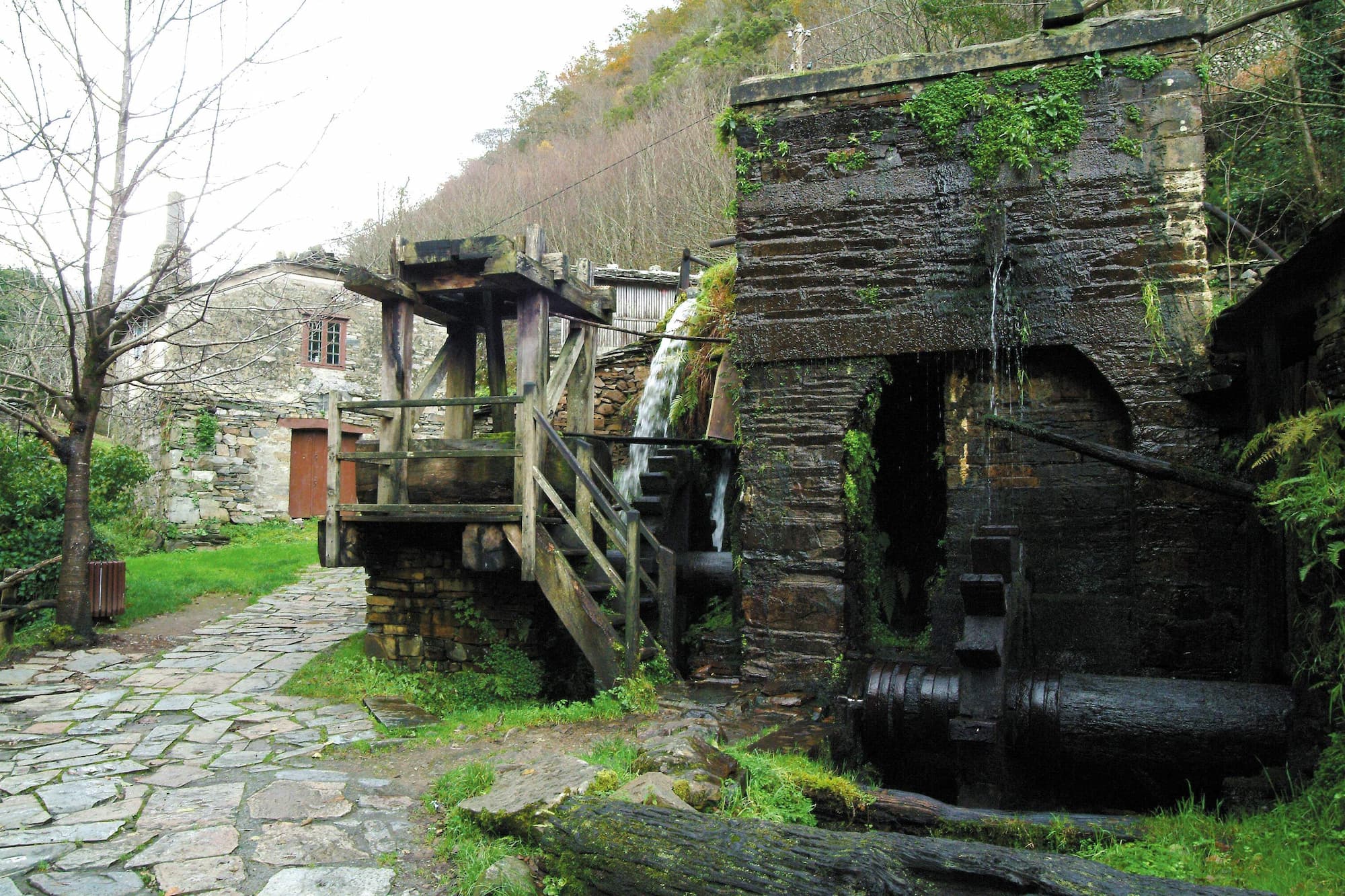
Os Teixois Ethnographic Ensemble
- Taramundi
- Ethnographic set
Os Teixois is one of the most interesting ethnographic sites in Asturias, where we can find several hydraulic devices recovered and available to anyone who wishes to visit them.
-
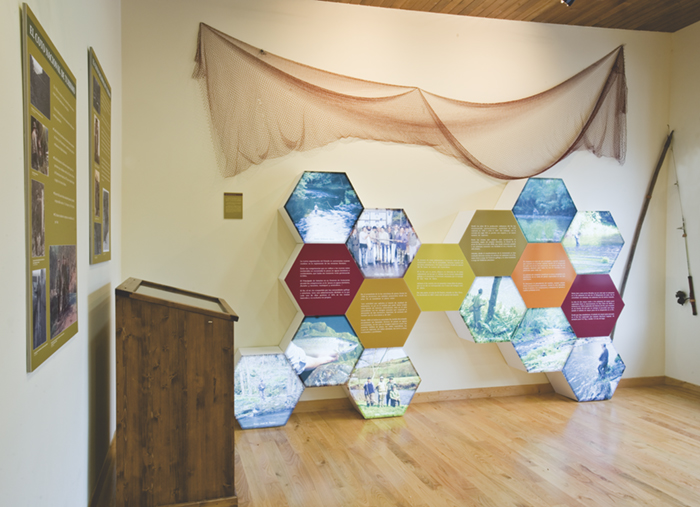
Interpretation Center of Fishing in the Eo River
- San Tirso de Abres
- Interpretation center
Through different media (audiovisual, photographic and computer) we can learn about the Eo River, the different species that inhabit it or the relationship of man with the river; how humans have taken advantage of the wealth offered by its waters and, above all, the importance that fishing has had in the area.
-
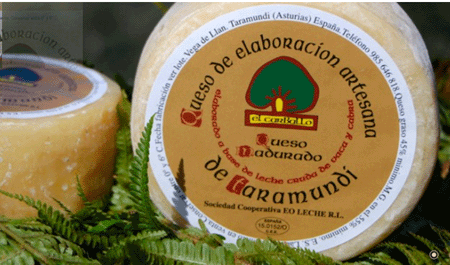
Eo Leche Artisan Cheese Factory
- Taramundi
The Eo Leche Taramundi cheese factory is located in the Parque de Empresas Artesanas, about 400 meters from the center of the town of Taramundi.
-
Yacimientos Arqueológicos “Os Castros”
- Taramundi
- Heritage
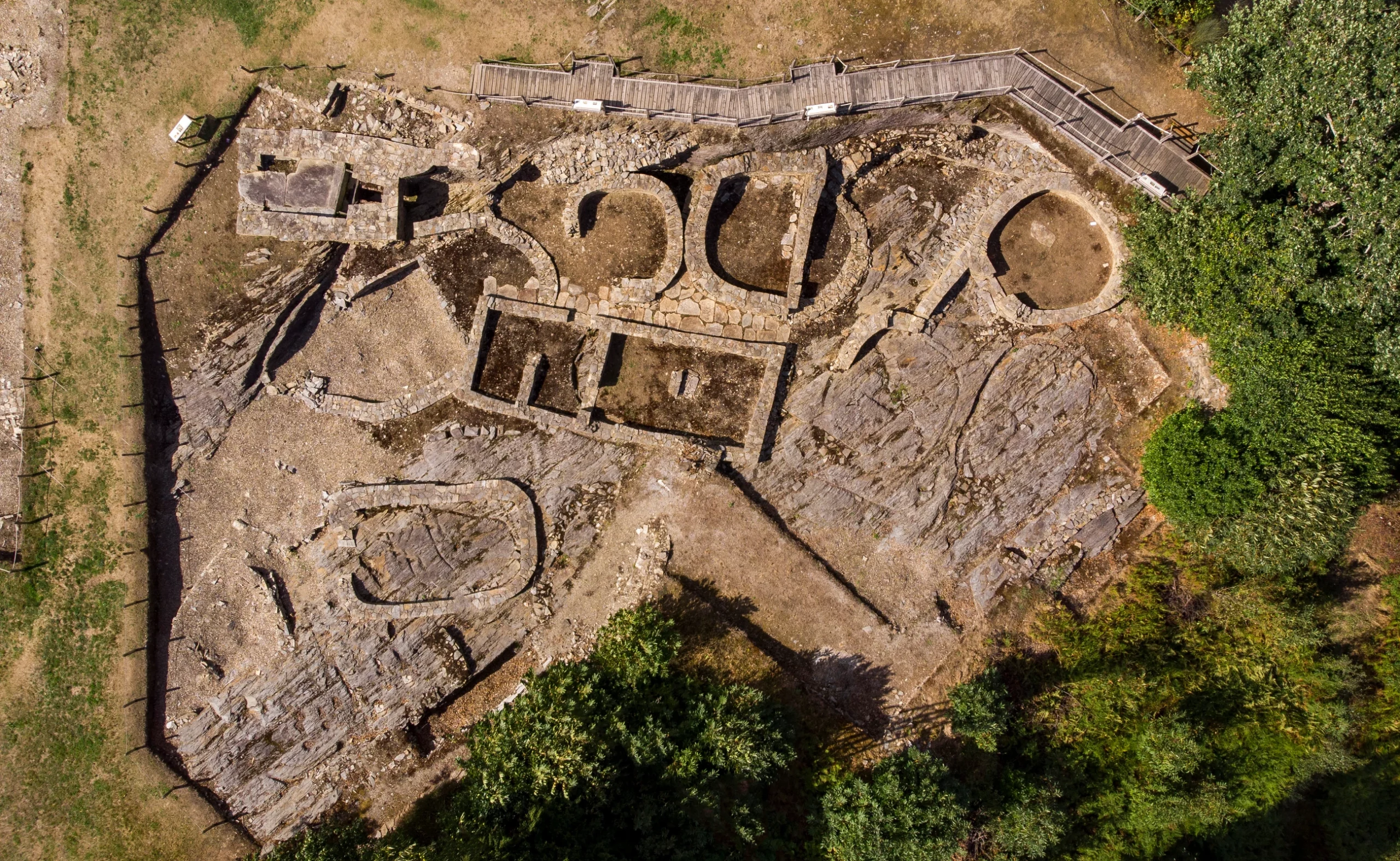
El yacimiento, conocido como Os Castros se localiza en la capital del concejo. Buena parte de su superficie se ha mantenido ajena al desarrollo urbano del municipio si bien la carretera que desciende hacia Mazonovo significó la destrucción algunas cabañas y parte de la muralla. En el año 2000 se iniciaron las excavaciones arqueológicas bajo patrocinio del Ayuntamiento de Taramundi, la Consejería de Cultura del Principado de Asturias y la meritoria colaboración de la asociación de hosteleros locales ANTURTA.
-
Monastery of Santa Maria
- Villanueva de Oscos
- Heritage
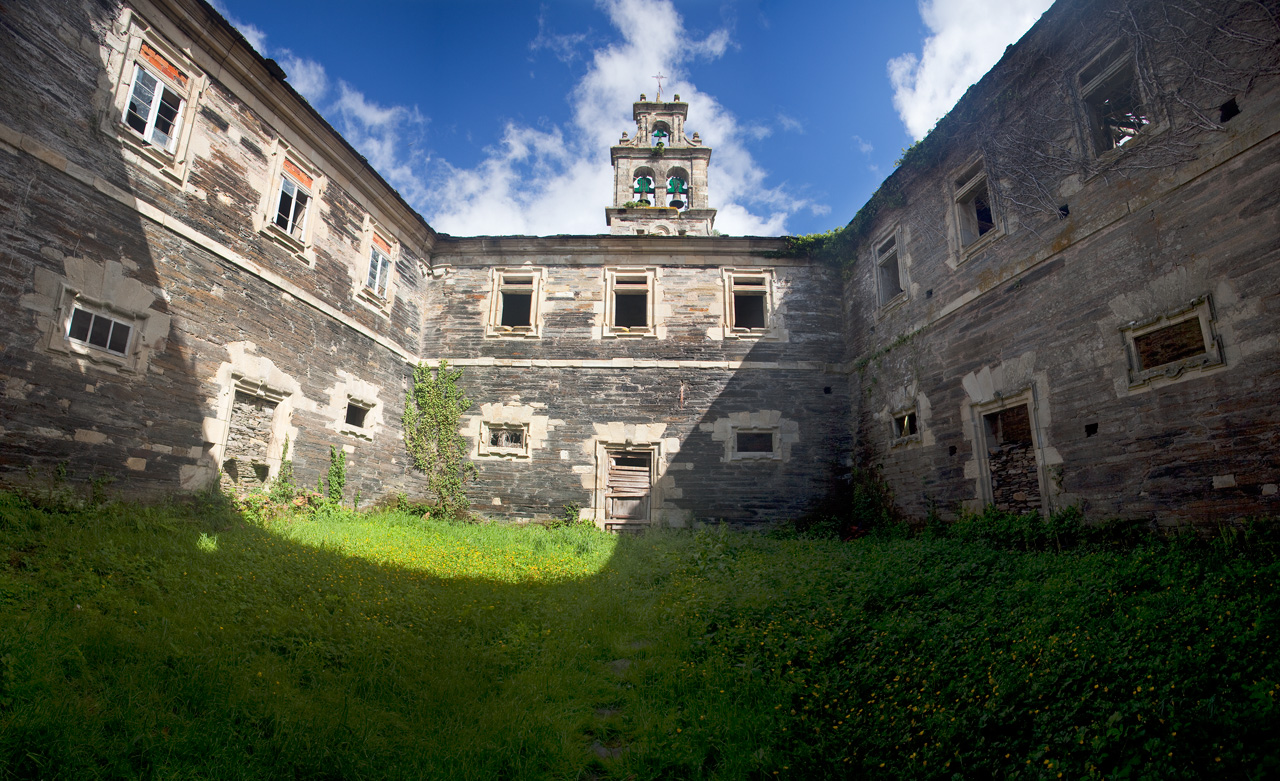
The history of Villanueva de Oscos is closely linked to the Monastery of Santa María, at the entrance of the capital of the council. This Monastery, considered one of the great jewels of Asturian heritage and classified as a Historic-Artistic Monument, was born Romanesque and grew Baroque.


