


- Home
- What to visit?
- Mazonovo Mallet
Mazonovo Mallet
- Santa Eulalia de Oscos
- Ethnographic set
The Mazonovo Mallet is located about 3 km from Santa Eulalia. It is a 17th century mallet active in the 21st century. This set is restored and rehabilitated in its integrity for the understanding of the iron industry. The building of the mallet stands out for being in a state in which it has not suffered great modifications with the passage of time. Here you can forge your own nail and take it as a souvenir.
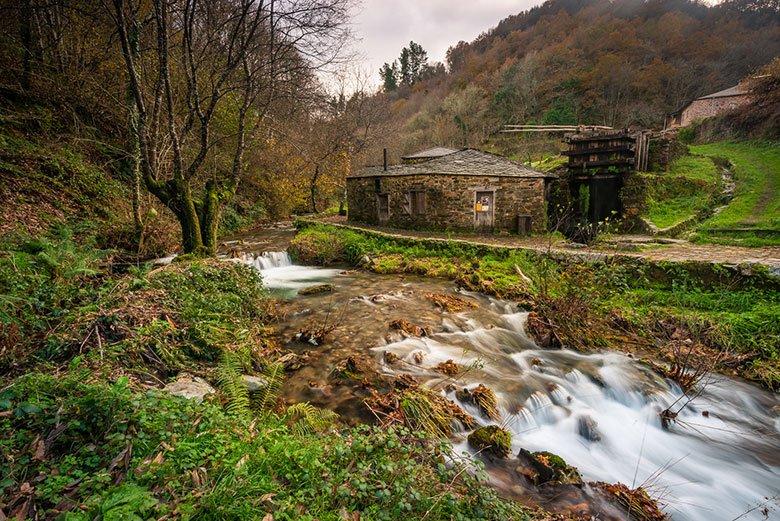
You can visit a hydraulic hammer to hit and stretch the iron bars that came out of the forges. It is an excellent example of the iron industry of the region, which until the nineteenth century exported processed material to Fonsagrada, Vegadeo, Castropol and other territories of Asturias and Galicia.
Regarding the mallet, we must highlight its most peculiar characteristics: the wooden bench, which has the importance of being the only one preserved in Asturias made of this material; the chifrones and the air ducts are also made of wood, an aspect that denotes a special interest for its singularity. Equally unique is the principle of its operation, the venturi effect, which produces the air that feeds the forge thanks to the force of falling water through the tube.
Other notable elements are found outside the building: the dam or tirula, built with stone slabs crossed in an area of the river where the current is slow, allowing the water to be diverted towards the canal. This runs between meadows, providing water for irrigation; it is approximately 350 meters long and is excavated in the land itself, with stone walls along the edges.
Finally, mention must be made of the two hearths or laggards. The main one, fed with air from the horn and located next to the hammer and another secondary one fed with a manual bellows, which served as a forge. It is possible to observe the existence of another forge attached and independent, belonging to another of the former owners of the forge.
Basic information
- 620 309 362
- Mazonovo - Santa Eulalia de Oscos
Schedule
Schedule until September 15
From Tuesday to Saturday:
10:30 to 14:00 and 16:30 to 20:00 h.
Sunday:
10:300 to 14:00 h.
Sunday afternoon and Monday:
CLOSED.
Demonstrations:
10:30, 11:30, 11:30, 12:30, 13:30, 16:30, 17:30, 18:30 and 19:30
Prices
Over 16 years old:
4,00 €
Children from 10 to 16 years old:
2,00 €
Under 10 years old:
free
Groups of more than 20 people:
2,50 €
What to see?
-
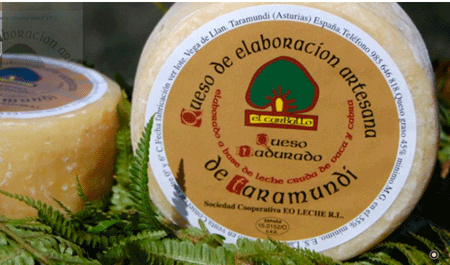
Eo Leche Artisan Cheese Factory
- Taramundi
The Eo Leche Taramundi cheese factory is located in the Parque de Empresas Artesanas, about 400 meters from the center of the town of Taramundi.
-
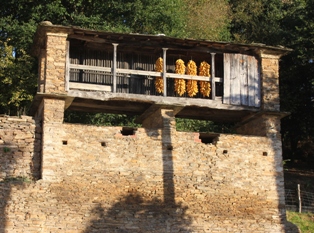
Cabazos
- San Tirso de Abres
- Heritage
-
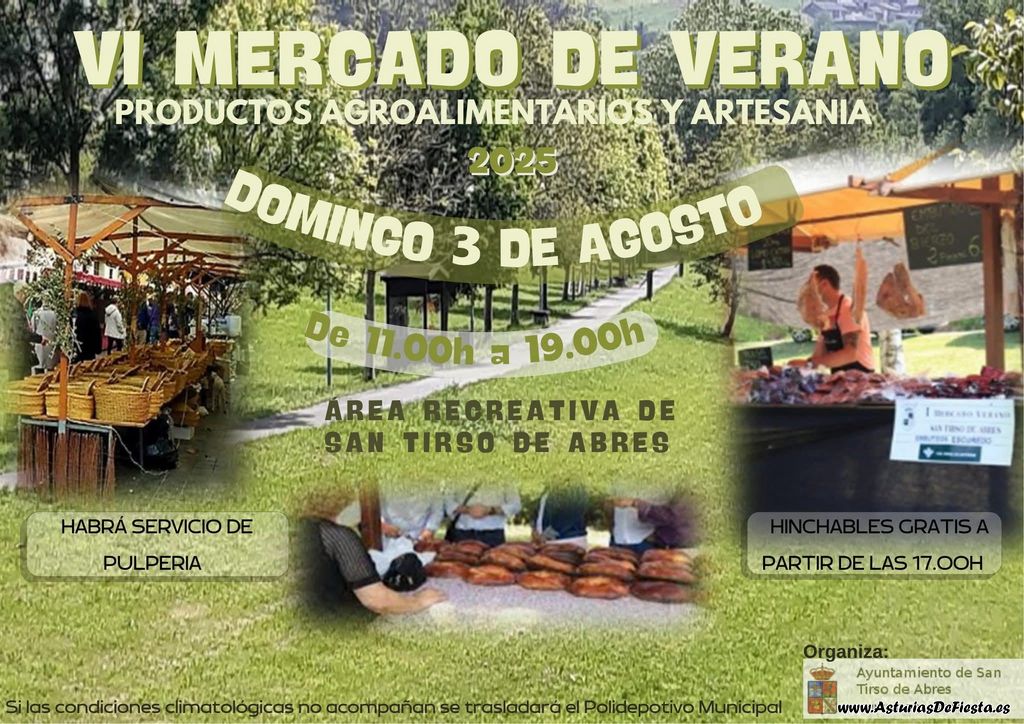
Mercado de Verano
- San Tirso de Abres
- Fiestas y Eventos
-
Piantón
- Vegadeo
- Heritage
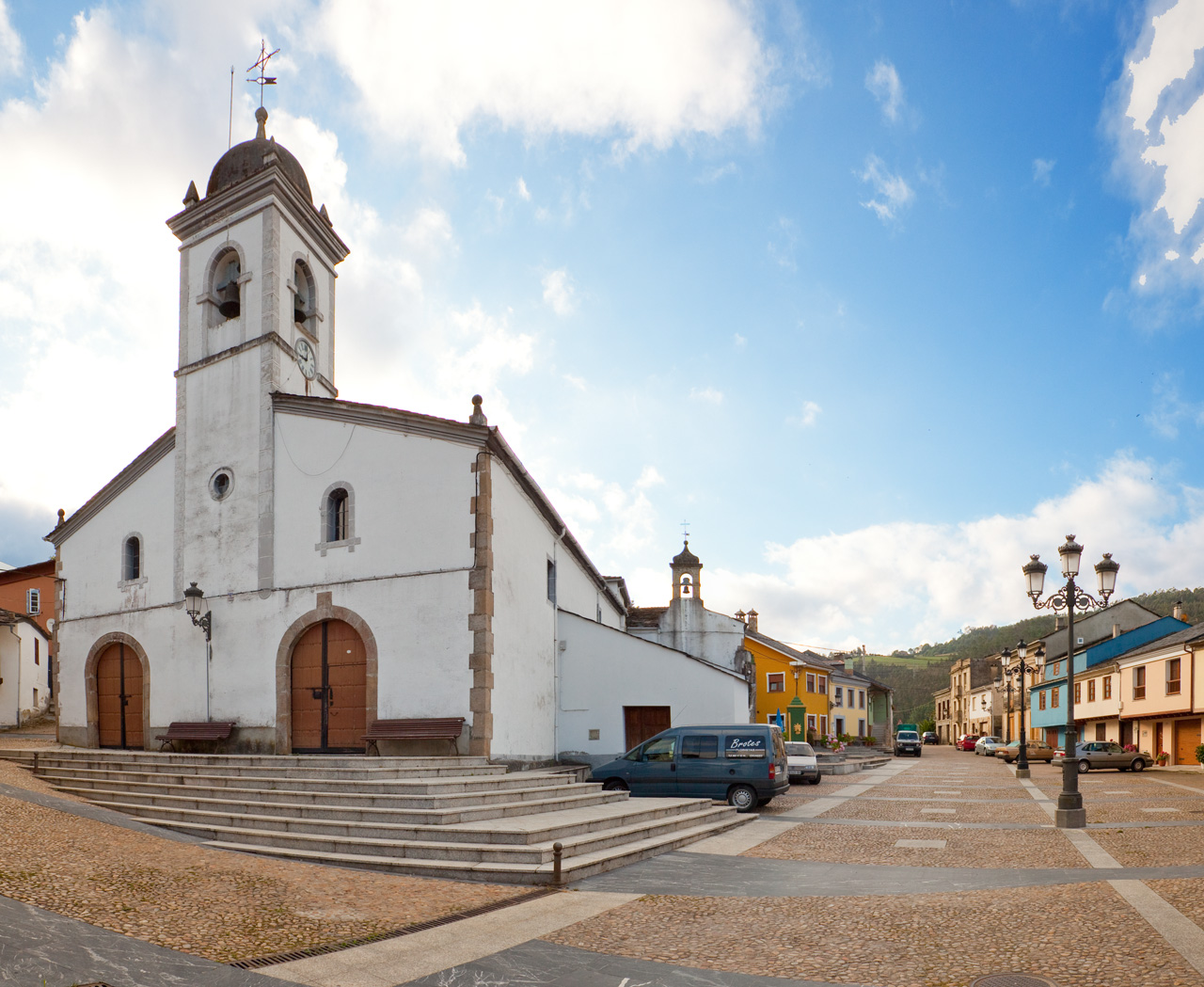
Two kilometers from the town of Vegadeo is the village of Piantón, which can be reached on foot as the entire route has a sidewalk. It is a beautiful walk along the Suarón River.
-
Knife and razor artisan workshops
- Taramundi
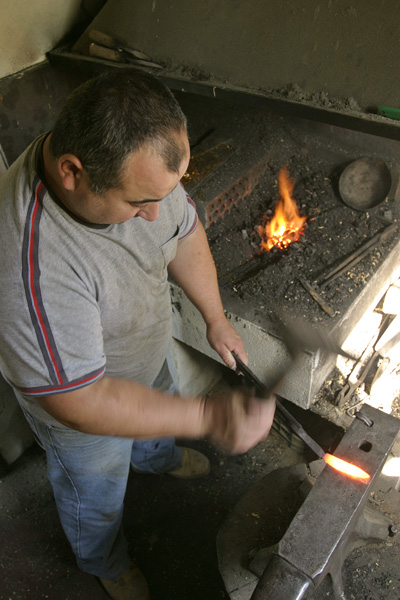
Some artisans perform demonstrations in their workshops of the craft they develop. In this way, visitors can see the whole process of elaboration of the products, which also allows them to actively participate in the process.
-
Las Minas
- Villanueva de Oscos
- Mines
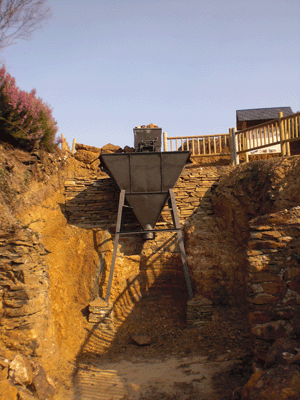
Recently, the Town Council of Villanueva de Oscos, with the collaboration of the Principality of Asturias, has recovered and rehabilitated the mines of this municipality.


