


- Home
- What to visit?
- Bres Water House
Bres Water House
- Taramundi
- Museum
The Casa del Agua de Bres, Taramundi, was created with the aim of making known the relationship between cultures and the dynamics of water throughout history. In this installation water is conceived, on the one hand, as a living substance capable of developing a force that men have been using throughout history to perform tasks that require power and routine work.
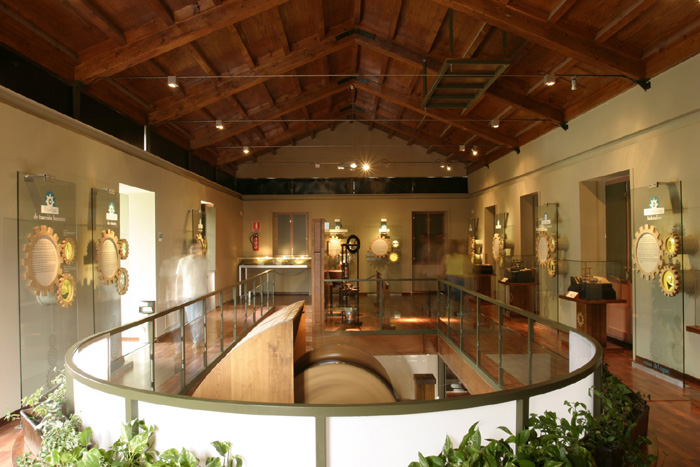
On the other hand, water is understood as a raw material, either flowing or stored in aquifers from which it is extracted for direct consumption or for irrigation of farmland.
The hydraulic devices presented in the Casa del Agua are not necessarily linked to the geographical space of Asturias. The exhibition argument aims to bring visitors to the installation to the historical and geographical origins of these devices and stimulate reflection on ways of dissemination, and therefore the contact between cultures and civilizations.
The exhibition of the Casa del Agua is organized in two sections dedicated to water as a driving force and water as a raw material. Watermills with vertical or horizontal wheels, saws, light factories, wells for water extraction, waterwheels for irrigation… even the use of water to measure time with the clocks already used by the ancient Egyptians or those built in the 17th century with more complex and accurate mechanisms.
The central space of the Casa del Agua is occupied by a full-scale device that is conceived as a continuous motion machine made up of simpler motor and elevator devices. In this way it is possible to explain the two fundamental types of hydraulic devices, the motors and the elevators, in a closed circuit of constantly circulating water.
There are thus two thematic units linked by the fundamental and common element: water.
Basic information
- 629 854 259
- 985 301 541
- See website
- Bres - Taramundi
Schedule
Holy Week:
from 11:00-14:00 / 16:00 – 20:00 h.
June:
Saturdays from 11:00 – 14:00 h. / 16:00 – 20:00 h. Sundays from 11:00 – 14:00 h. / 16:00 – 18:00 h.
From July 1st to September 17th:
from Monday to Sunday from 11:00-14:00 / 16:00 – 20:00 h.
From September 16th to October 13th:
Saturdays from 11:00 – 14:00 h. / 16:00 – 20:00 h. Sundays from 11:00 – 14:00 h. / 16:00 – 18:00 h.
From November 1 to November 3:
from 11:00-14:00 / 16:00 – 18:00 h.
From December 5 to 9:
from 11:00 to 17:00 h.
For groups (+10 people)
By appointment, visit any time of the year.
What to see?
-
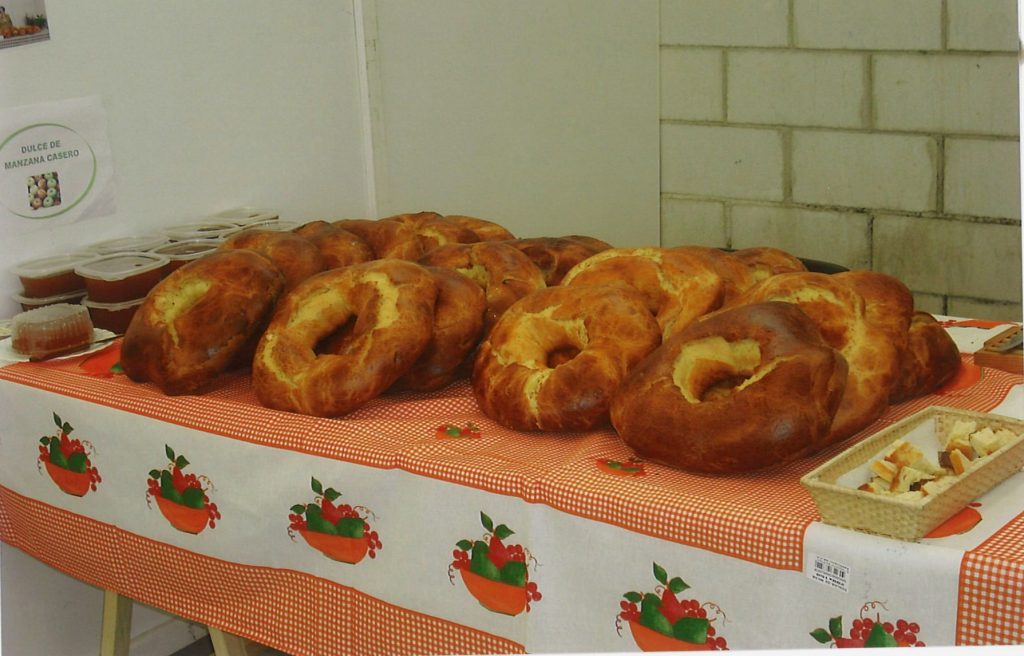
Feria de las Roscas de Semana Santa
- San Tirso de Abres
- Fiestas y Eventos
-
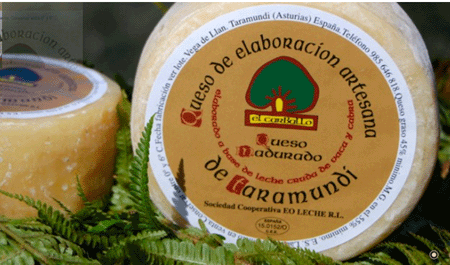
Eo Leche Artisan Cheese Factory
- Taramundi
The Eo Leche Taramundi cheese factory is located in the Parque de Empresas Artesanas, about 400 meters from the center of the town of Taramundi.
-
Los Castros
- San Martín de Oscos
- Heritage
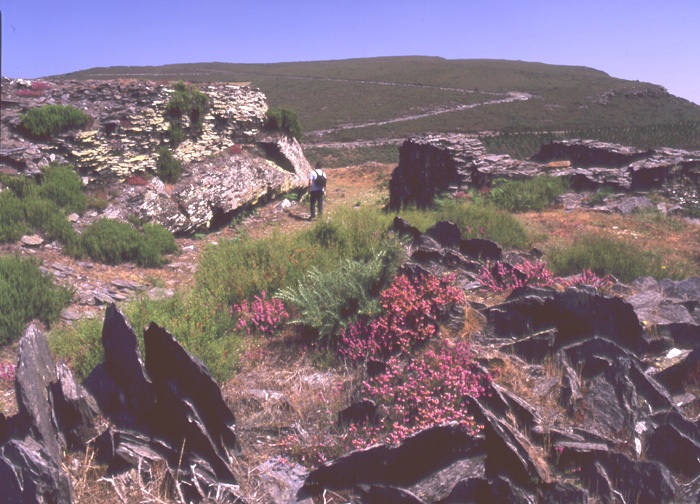
The castros are population centers of an eminently strategic and defensive nature. They are found throughout the northwest of the peninsula (castreña culture). These settlements arise in the transition from the Bronze Age to the Iron Age, reaching its peak during the Second Iron Age.
-
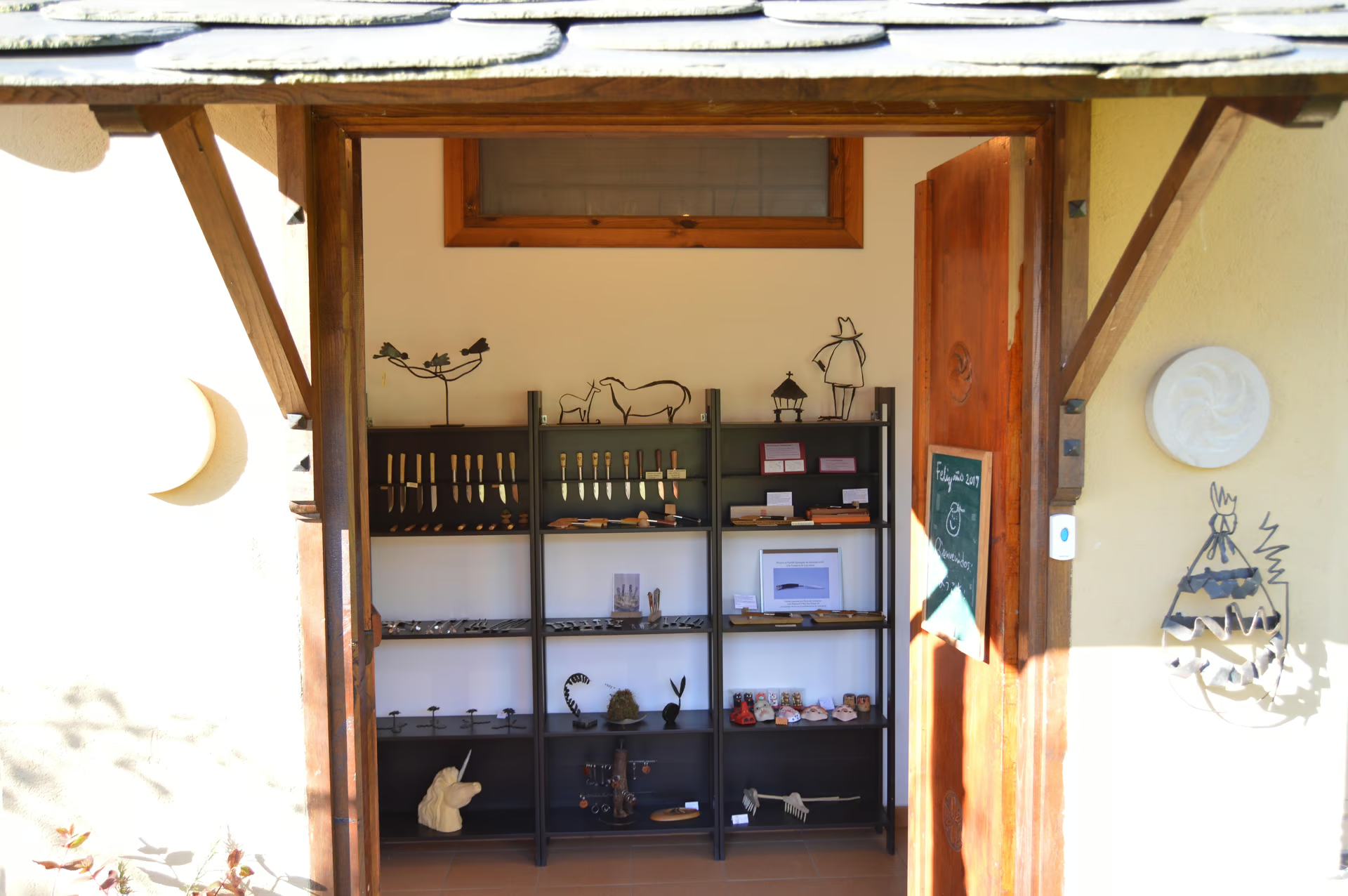
Hiottoko artistic forge and cutlery workshop-shop
- Santa Eulalia de Oscos
- Craft
Traditionally, in Santa Eulalia de Oscos, knives have been made for more than a century. Nowadays Jorge (knifemaker) and Keiko (metal craftswoman) maintain this tradition developing this ancient craft to which they add part of the Japanese ancestral wisdom.
-
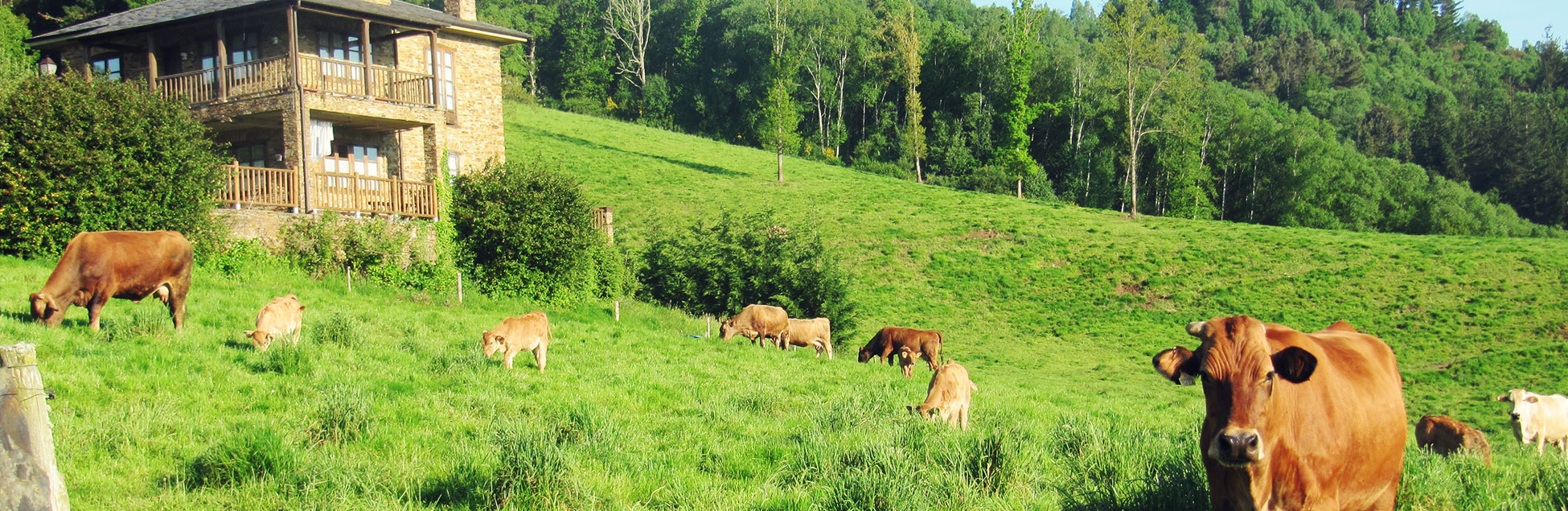
Viduedo Farmhouse
- Santa Eulalia de Oscos
- Organic livestock farming
The Viduedo farm is a certified organic livestock farm located in the village of As Poceiras, where the animals are raised in direct contact with the environment, feeding all year round on natural pastures, which is a guarantee of health and quality.
-
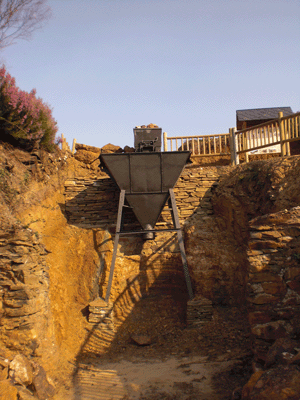
Las Minas
- Villanueva de Oscos
- Mines
Recently, the Town Council of Villanueva de Oscos, with the collaboration of the Principality of Asturias, has recovered and rehabilitated the mines of this municipality.


