


- Home
- What to visit?
- Monastery of Santa Maria
Monastery of Santa Maria
- Villanueva de Oscos
- Heritage
The history of Villanueva de Oscos is closely linked to the Monastery of Santa María, at the entrance of the capital of the council. This Monastery, considered one of the great jewels of Asturian heritage and classified as a Historic-Artistic Monument, was born Romanesque and grew Baroque.
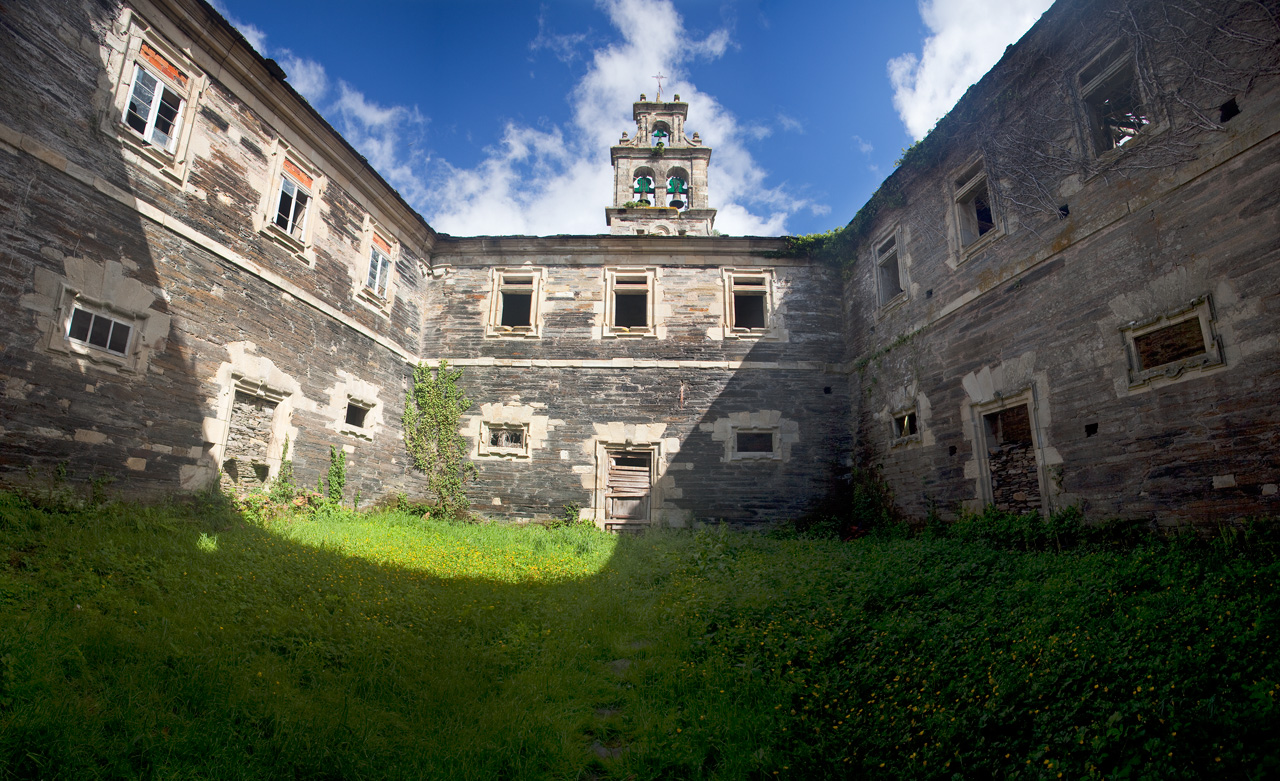
It was founded in the 12th century by Friar Martín de la Vega and later, in 1203, it was transferred to the Cistercian order, becoming an autonomous monastic community.
In this monastery came to live in its heyday, between the twelfth and seventeenth centuries, up to twenty Benedictine friars. In addition, it was also a center of studies attended by the most important people of the region.
In the 18th century, with the arrest of the abbot for joining the Carlist troops, the monastery was definitively exclaustrated and an important page in the history of Villanueva de Oscos was closed.
Basic information
- 985 626 219
- oficinadeturismo@villanuevadeoscos.es
- La Villa - Villanueva de Oscos
Schedule
Guided tour every day at 6:00 p.m. except Wednesday. Appointments must be made in advance.
Those who have made an appointment must be at the door of the Monastery Church at that time.
Prices
1 euro
What to see?
-
Yacimientos Arqueológicos “Os Castros”
- Taramundi
- Heritage
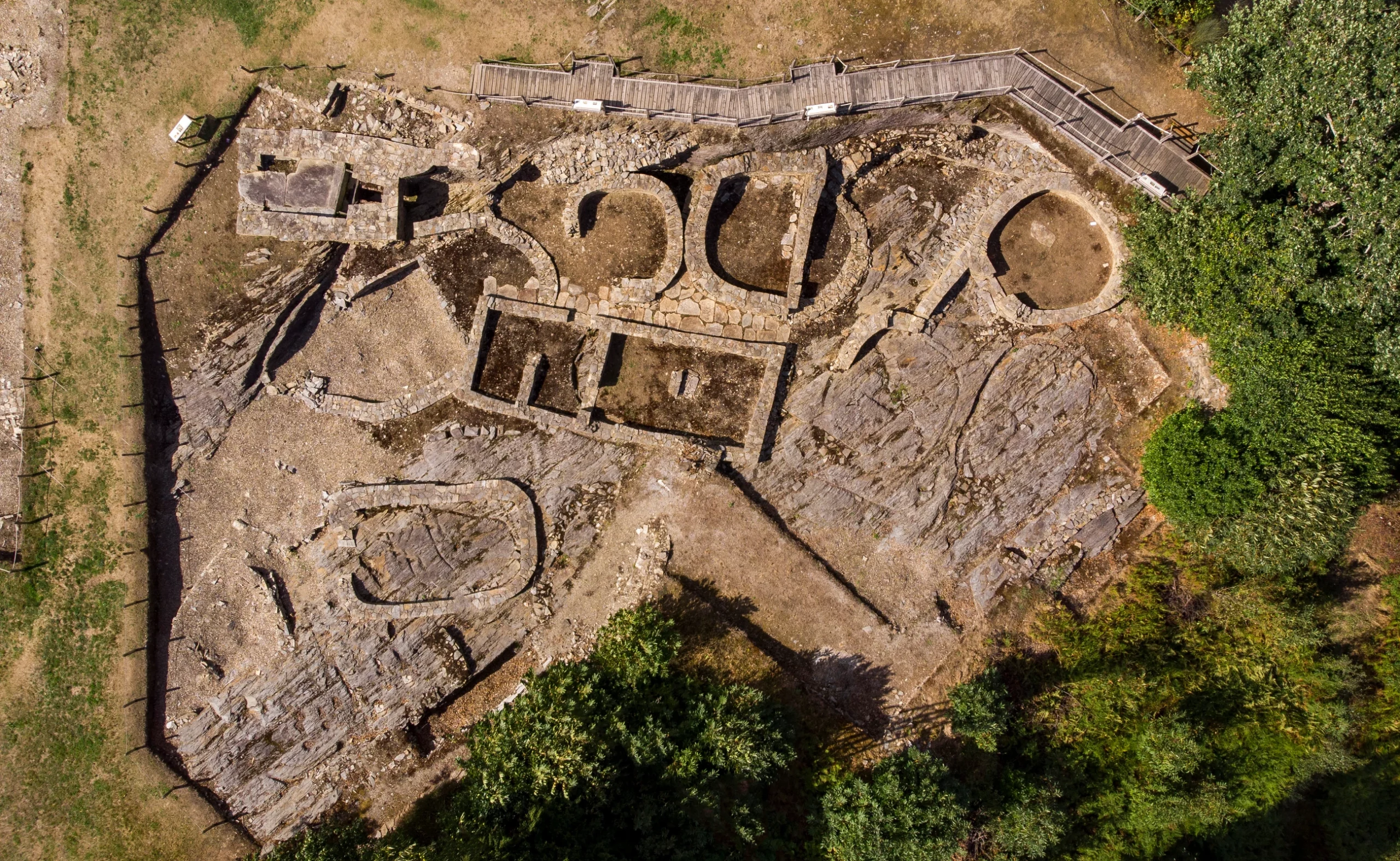
El yacimiento, conocido como Os Castros se localiza en la capital del concejo. Buena parte de su superficie se ha mantenido ajena al desarrollo urbano del municipio si bien la carretera que desciende hacia Mazonovo significó la destrucción algunas cabañas y parte de la muralla. En el año 2000 se iniciaron las excavaciones arqueológicas bajo patrocinio del Ayuntamiento de Taramundi, la Consejería de Cultura del Principado de Asturias y la meritoria colaboración de la asociación de hosteleros locales ANTURTA.
-
Ethnographic Museum of Esquíos
- Taramundi
- Museum
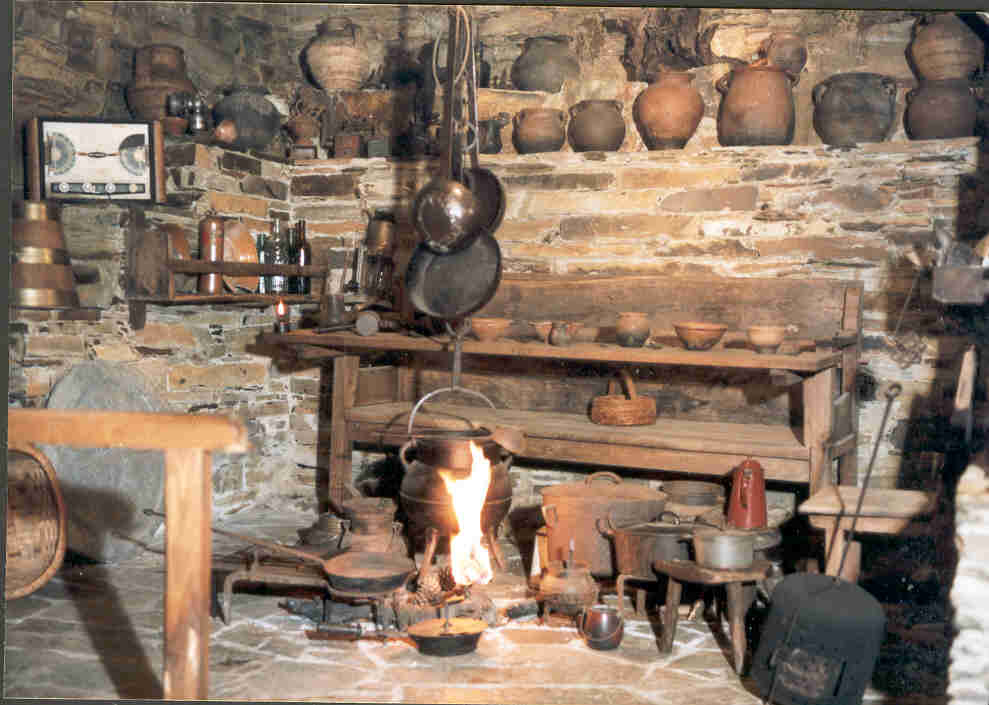
Esquíos is a village in the council of Taramundi inhabited for centuries by families of ferreiros, the Lombardía family, who emigrated from Italy to the Basque Country and later to Asturias.
-
Feria de las Roscas de Semana Santa
- San Tirso de Abres
- Fiestas y Eventos
-
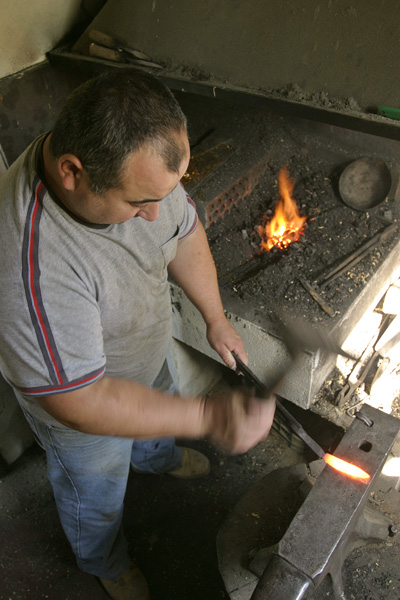
Knife and razor artisan workshops
- Taramundi
Some artisans perform demonstrations in their workshops of the craft they develop. In this way, visitors can see the whole process of elaboration of the products, which also allows them to actively participate in the process.
-
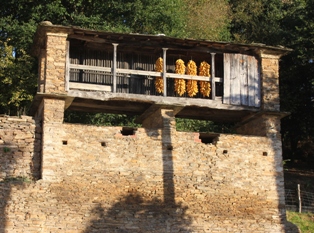
Cabazos
- San Tirso de Abres
- Heritage
-
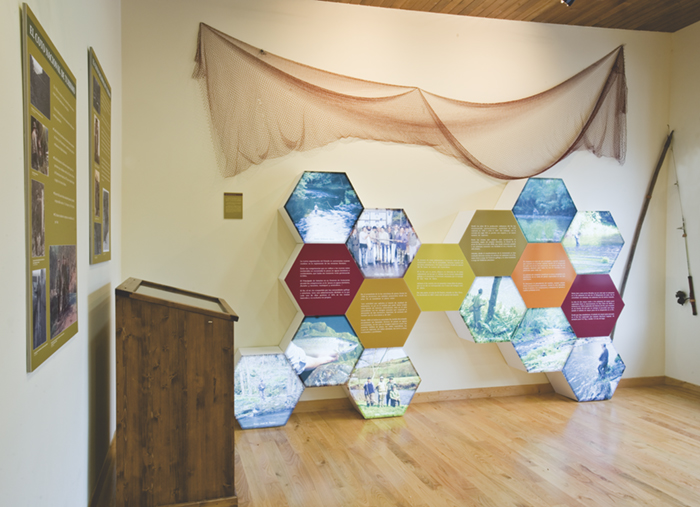
Interpretation Center of Fishing in the Eo River
- San Tirso de Abres
- Interpretation center
Through different media (audiovisual, photographic and computer) we can learn about the Eo River, the different species that inhabit it or the relationship of man with the river; how humans have taken advantage of the wealth offered by its waters and, above all, the importance that fishing has had in the area.


