


- Home
- What to visit?
- House Museum of Traditional Cutlery
House Museum of Traditional Cutlery
- Taramundi
- Museum
Located in Pardiñas, 1 km from the capital of the council, the museum of the Cutlery offers the possibility of approaching the most representative trade of the council of Taramundi: the navalleiros.
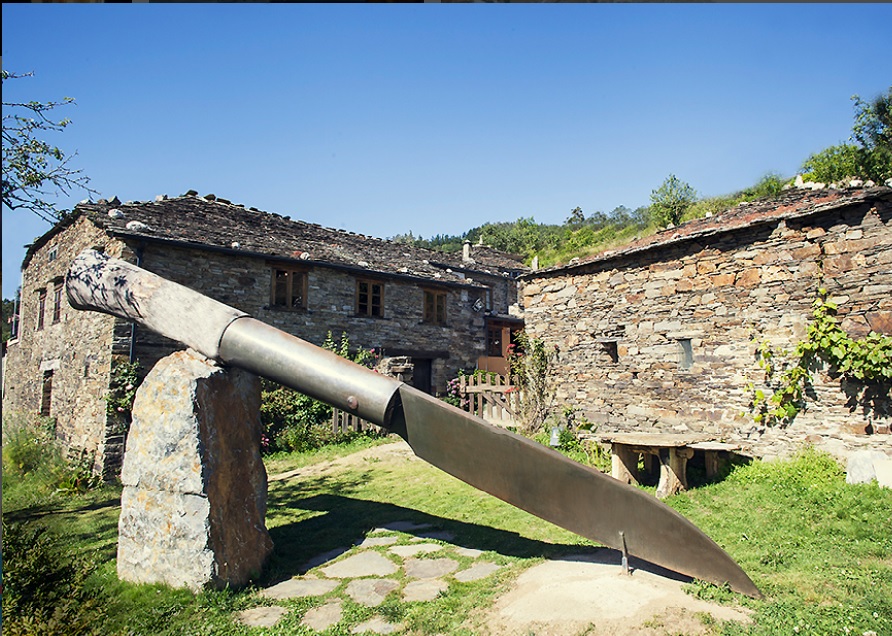
For this purpose, inside an old traditional building, a history room has been installed, another room where the techniques used for the production of cutlery are explained, as well as two rooms containing a collection of knives, knives and scissors from Taramundi and the rest of the region. In an adjoining building, which was used by the former owners as a forge and carpentry workshop, a cellar or traditional cutlery workshop set in the first half of the twentieth century has been installed.
The Museum is located in the itinerary of the route of the ironworkers, which brings the visitor to know villages and spaces directly related to this trade, so it is an appropriate complement to correctly interpret the route of this route.
Basic information
- 985646810
- info@navallasdetaramundi.com
- See website
- Pardiñas, s/n - Taramundi
Schedule
High season (01/07-15/09, Easter and national holidays): from 11:00 am to 2:00 pm and from 4:00 pm to 8:00 pm.
Demonstrations every half hour.
Rest of the year: from 11:00 am to 2:00 pm and from 4:00 pm to 7:00 pm. Closed Sunday afternoon and Monday all day.
Prices
Adult: 3 €
Children (6-12 years old): 1 €
Groups (minimum 12 persons): 2 €
What to see?
-
Ferrería de Santa Eufemia
- Villanueva de Oscos
- Ethnographic set
-
Marquis of Sargadelos Birthplace Museum
- Santa Eulalia de Oscos
- Museum
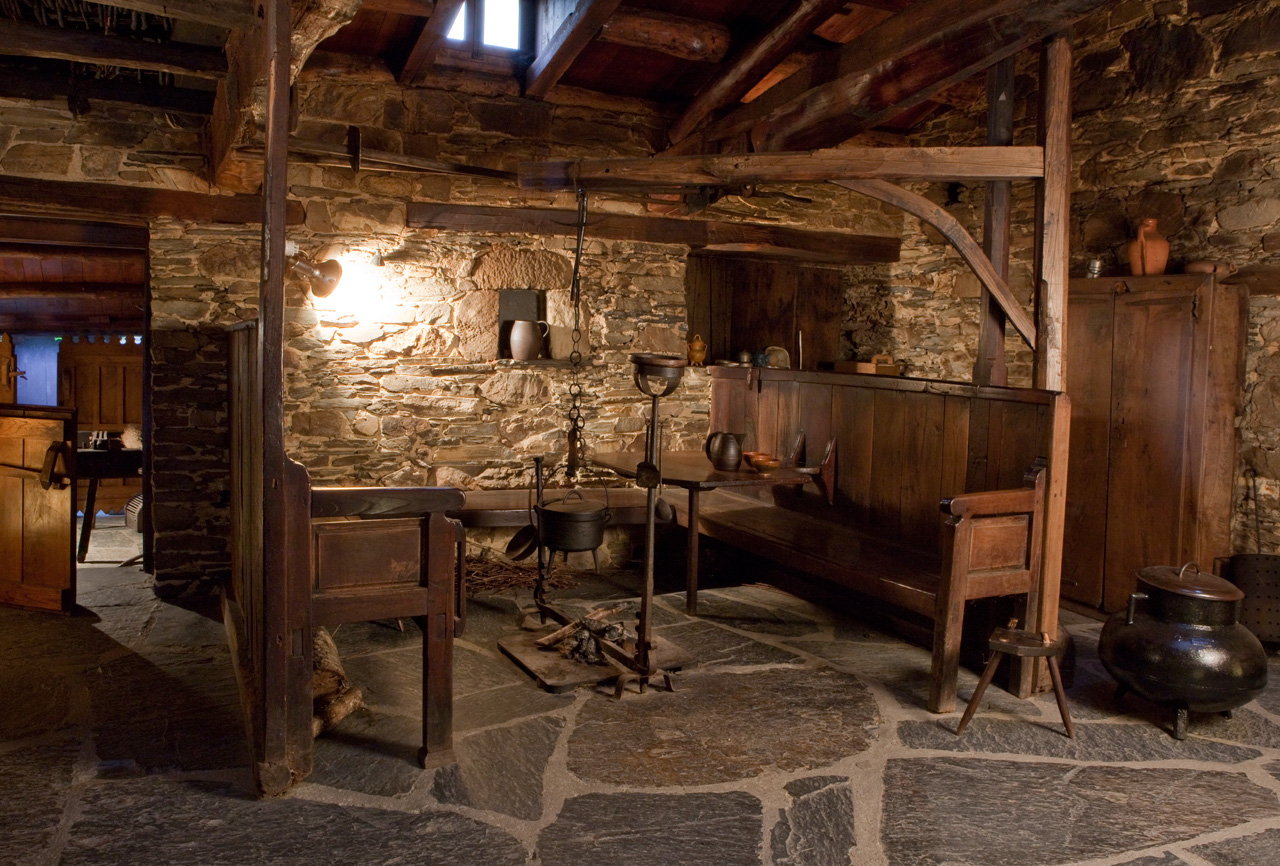
The house where Antonio Raimundo Ibáñez, Marquis of Sargadelos (1749-1809) was born is now an exhibition space dedicated to the life and work of this industrial and enlightened merchant, who in the late 18th century built in Sargadelos (Cervo, Lugo) one of the first cast-iron foundry and earthenware factories in Spain.
-
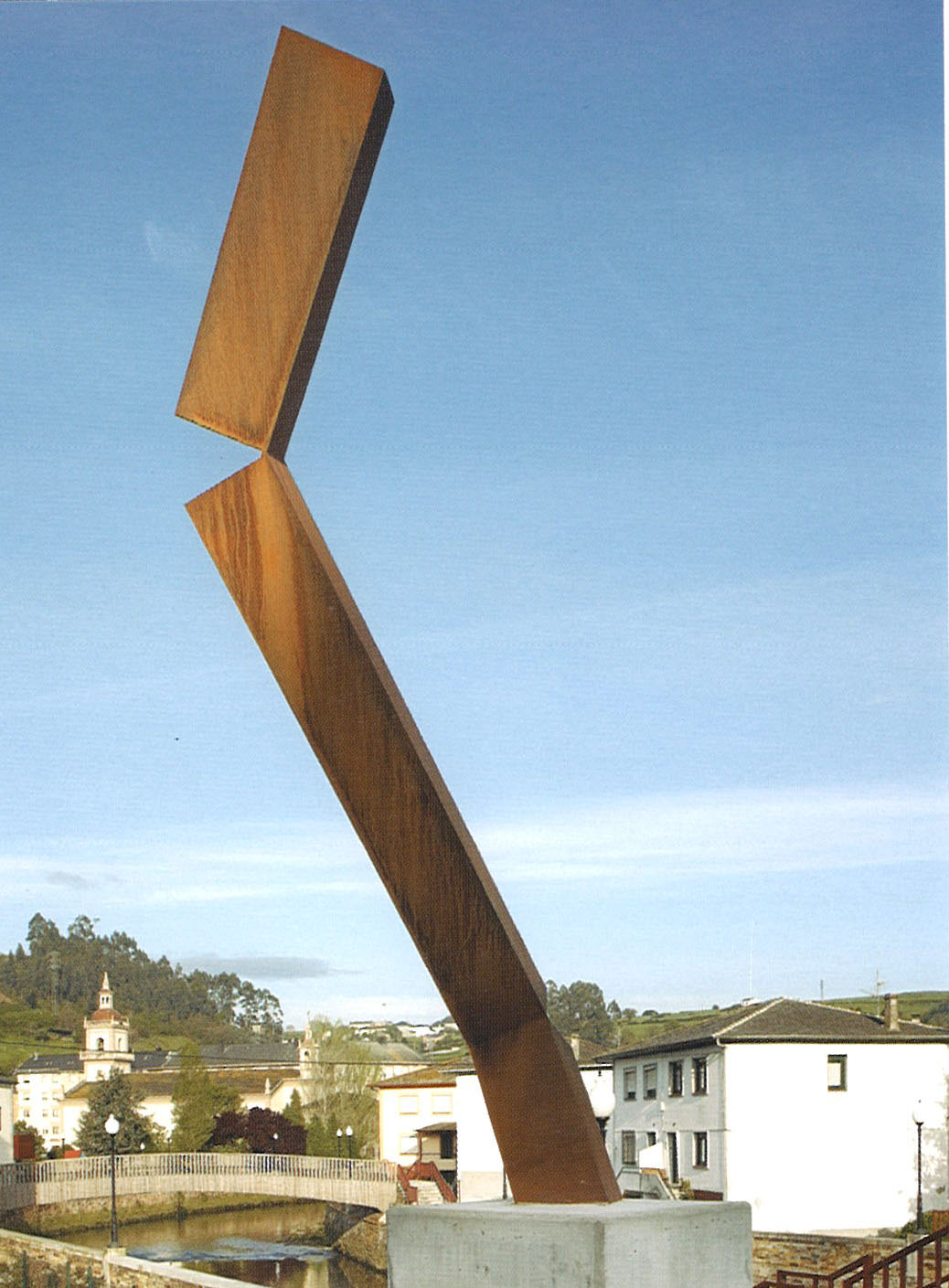
Contemporary art sculptures and sculptures by César Montaña (Vegadeo)
- Vegadeo
- Sculpture
The town of Vegadeo has the peculiarity of being crossed by two rivers: the Monjardín and the Suarón, which have twelve bridges that cross them (six each). Taking advantage of this circumstance, the idea was that visitors to Vegadeo could get to know the town center by crossing these bridges, and enriching the visit with a sculpture on each of them.
-
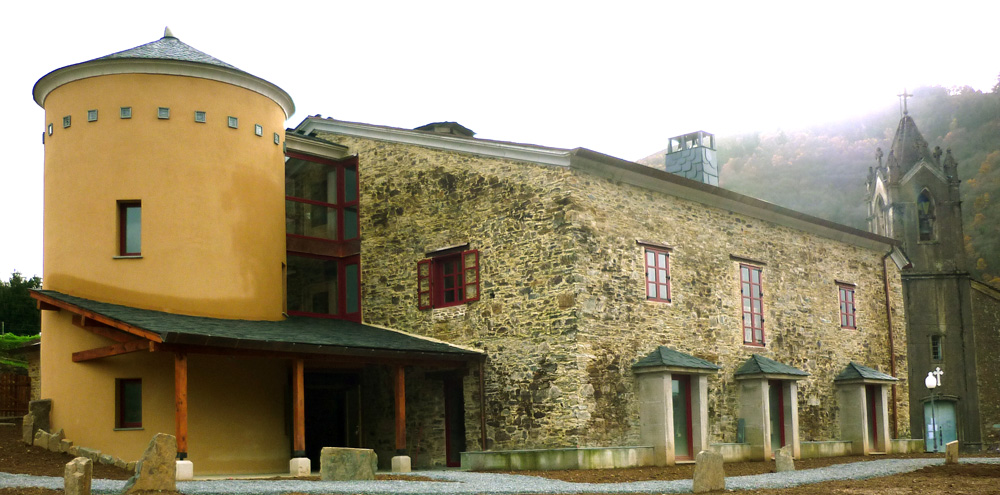
Bres Craft Center
- Taramundi
- Craft
The Bres Craft Center is located in the old Casona de Villanueva, in the center of Bres, 5 kilometers from the capital of the council. This center was conceived as a facility to facilitate the knowledge and enhancement of craft activities, both new and traditional of the region.
-
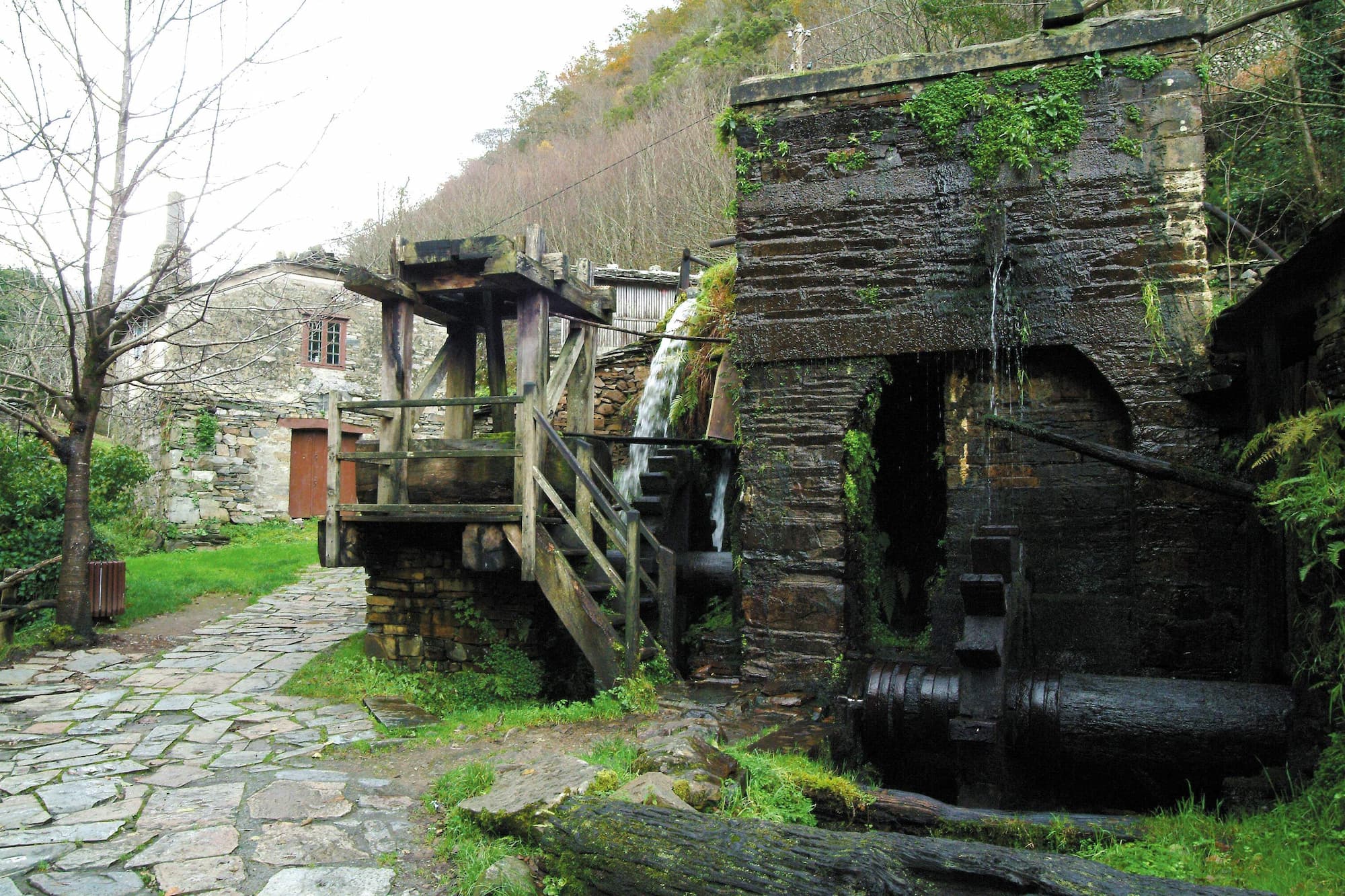
Os Teixois Ethnographic Ensemble
- Taramundi
- Ethnographic set
Os Teixois is one of the most interesting ethnographic sites in Asturias, where we can find several hydraulic devices recovered and available to anyone who wishes to visit them.
-
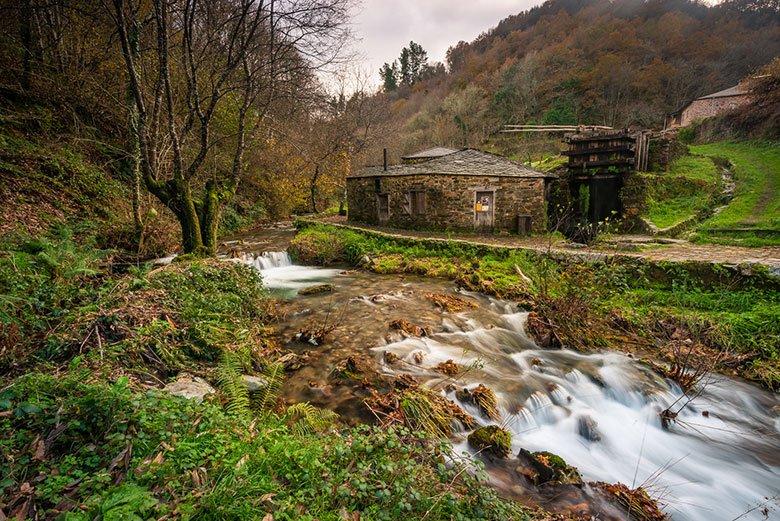
Mazonovo Mallet
- Santa Eulalia de Oscos
- Ethnographic set
The Mazonovo Mallet is located about 3 km from Santa Eulalia. It is a 17th century mallet active in the 21st century. This set is restored and rehabilitated in its integrity for the understanding of the iron industry. The building of the mallet stands out for being in a state in which it has not suffered great modifications with the passage of time. Here you can forge your own nail and take it as a souvenir.


