


- Home
- What to visit?
- Knife and razor artisan workshops
Knife and razor artisan workshops
- Taramundi
Some artisans perform demonstrations in their workshops of the craft they develop. In this way, visitors can see the whole process of elaboration of the products, which also allows them to actively participate in the process.
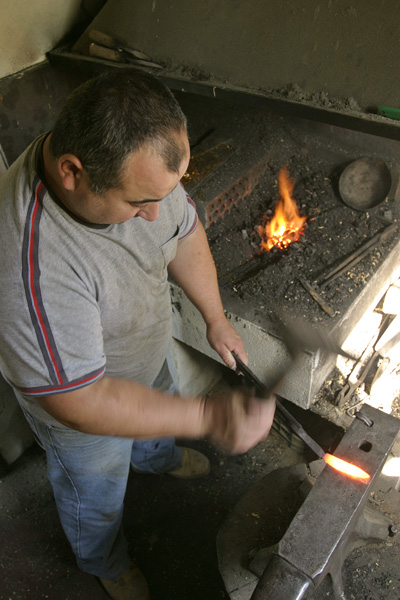
The artisans who give demonstrations to visitors and allow visits to the workshop are:
Diaz y Bermudez, S.C.
Vega de Llan s/n – Taramundi.
Free visits to the forge and knife-making workshop.
Opening hours:
Monday to Friday from 9:00 to 13:00 and from 16:00 to 19:00 – Saturdays from 9:00 to 13:00 hours.
Telephone numbers:
985 64 68 94 – 667 61 89 38
Website:
http://www.antoniodiaznavajas.es
Pedro Conde Bermúdez
Vega de Llan s/n – Taramundi. Telephone: 985 64 68 27
Free visits to the forge and knife-making workshop.
Schedule:
Monday to Friday from 10:00 am to 1:00 pm and from 4:00 pm to 6:00 pm.
Telephone:
985 64 68 27 – 607 43 84 56
Website:
www.cuchillosdetaramundipc.es
La Cuchillería de Taramundi (Taramundi Cutlery)
Plaza del Calvario s/n (on the way up to La Rectoral) – Taramundi.
Visiting hours to the workshop:
from Monday to Thursday from 10:00 to 13:00 h and from 15:00 to 18:00 h. Fridays from 10:00 to 13:00 h.
Telephone:
985 64 65 00
Website:
www.cuchilleriataramundi.com
Martín Lombardía García
Esquíos s/n – Taramundi.
Schedule:
From Monday to Friday: 9:00 to 16:00 h. Saturday and Sunday: from 11:00 to 17:00 h.
Forging demonstrations will be held on the bridges every hour. The hours will be extended until 8:00 pm.
Telephone:
985 97 96 96 40 / 669 87 68 99
Website:
www.esquios.es
The workshop building is located in the Ethnographic Museum of Esquios.
Juan Carlos Quintana López
Pardiñas s/n – Taramundi.
Opening hours:
High season (01/07-15/09, Easter and national holidays): from 11:00 am to 2:00 pm and from 4:00 pm to 8:00 pm.
Rest of the year:
from 11:00 am to 2:00 pm and from 4:00 pm to 7:00 pm. Closed Sunday afternoon and Monday all day.
Telephone:
985 64 68 10
Website:
cqtaramundi.com
The Casa Museo de la Cuchillería Tradicional (House Museum of Traditional Cutlery) is located in the workshop building.
What to see?
-
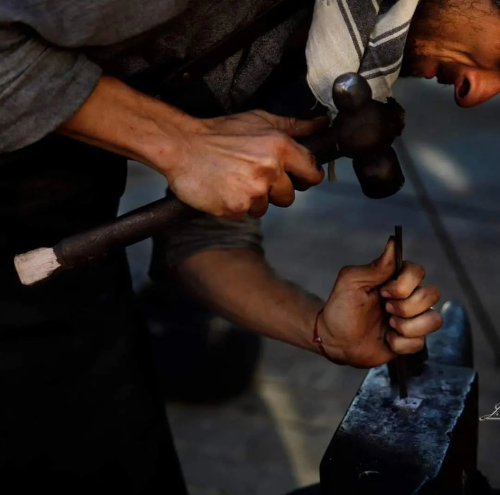
Ferrería de Santa Eufemia
- Villanueva de Oscos
- Ethnographic set
-
Bres Craft Center
- Taramundi
- Craft
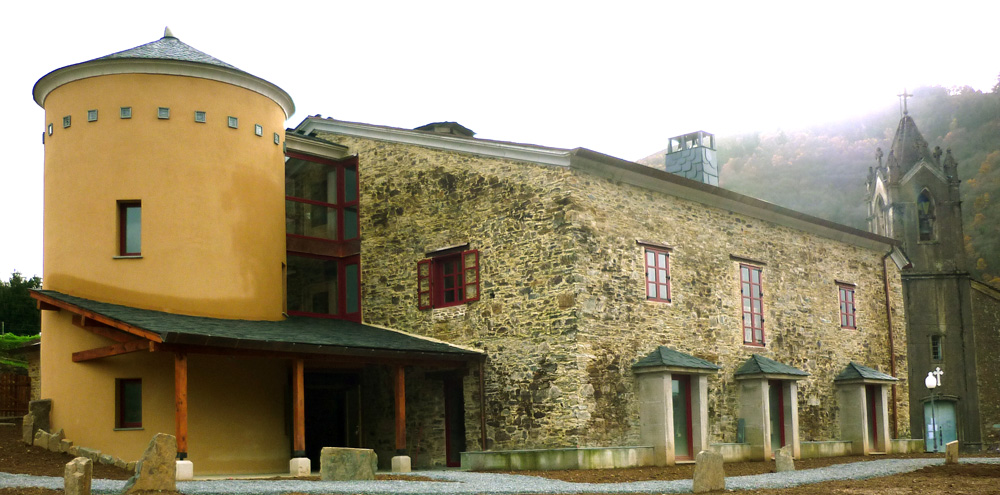
The Bres Craft Center is located in the old Casona de Villanueva, in the center of Bres, 5 kilometers from the capital of the council. This center was conceived as a facility to facilitate the knowledge and enhancement of craft activities, both new and traditional of the region.
-
Ecomuseum of Bread
- Villanueva de Oscos
- Museum
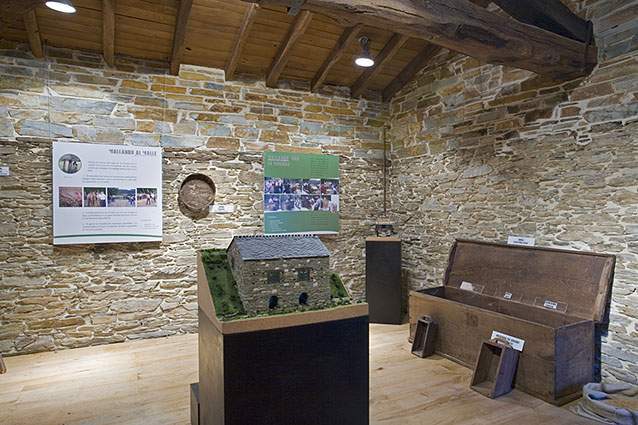
The Ecomuseum shows us the complete cycle of bread making, from sowing the cereal to baking, harvesting, milling and kneading.
-
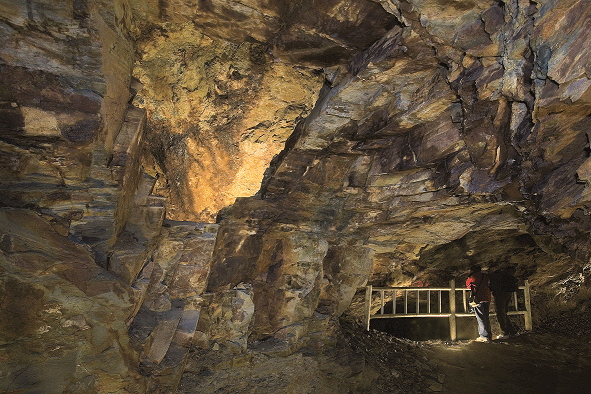
Las Minas
- San Martín de Oscos
- Mines
There are remains in the Oscos region that tell us that mining was an activity that was developed in the area since prehistoric times. Before the conquest of the Romans, the inhabitants of this region were already looking for gold nuggets in the river placers. But it was after the arrival of the Romans that this industry was boosted. In the Flavian period, at the beginning of the first century A.D., a first golden age was experienced. The castros (fortified settlements) resurged as a result of the exploitations and the landscape was dotted with small industries of which there are still remains such as: forges, function furnaces and samples of the technology that was used for the exploitation of the deposit.
-
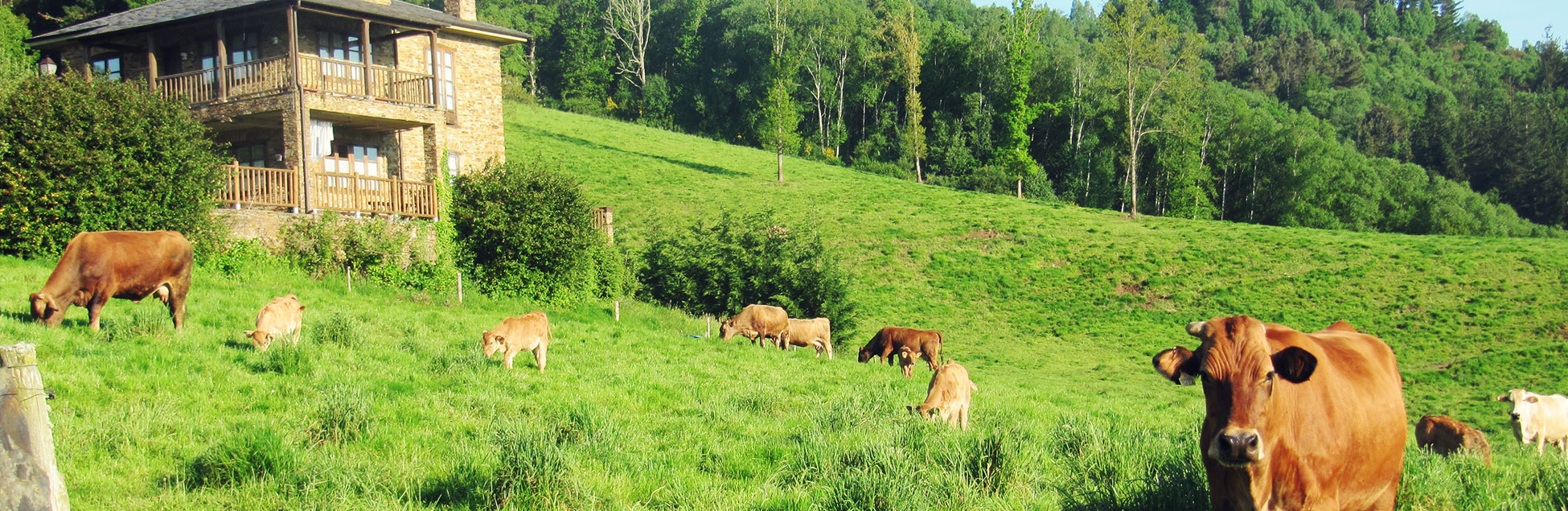
Viduedo Farmhouse
- Santa Eulalia de Oscos
- Organic livestock farming
The Viduedo farm is a certified organic livestock farm located in the village of As Poceiras, where the animals are raised in direct contact with the environment, feeding all year round on natural pastures, which is a guarantee of health and quality.
-
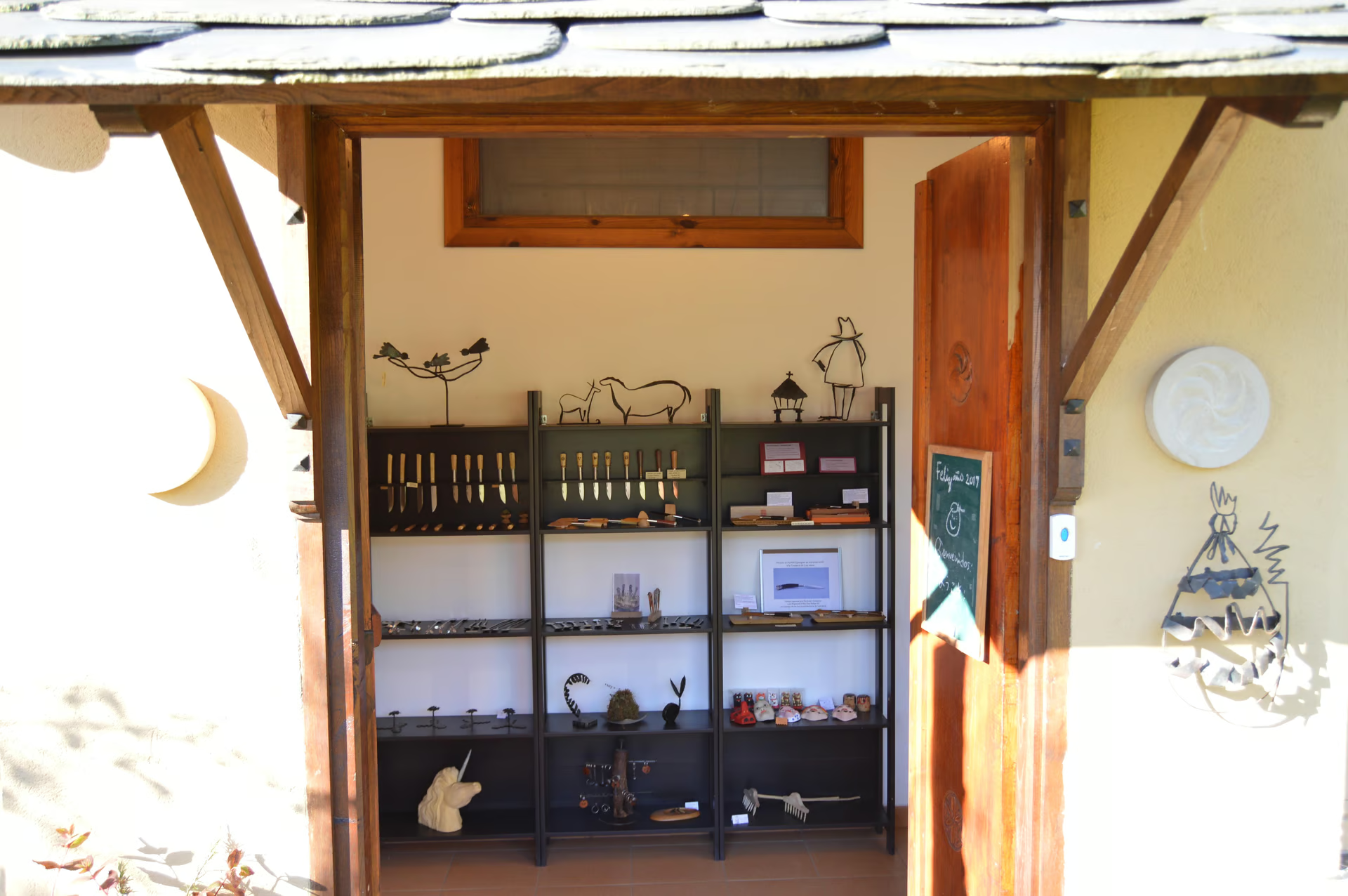
Hiottoko artistic forge and cutlery workshop-shop
- Santa Eulalia de Oscos
- Craft
Traditionally, in Santa Eulalia de Oscos, knives have been made for more than a century. Nowadays Jorge (knifemaker) and Keiko (metal craftswoman) maintain this tradition developing this ancient craft to which they add part of the Japanese ancestral wisdom.


