


- Home
- What to visit?
- Hiottoko artistic forge and cutlery workshop-shop
Hiottoko artistic forge and cutlery workshop-shop
- Santa Eulalia de Oscos
- Craft
Traditionally, in Santa Eulalia de Oscos, knives have been made for more than a century. Nowadays Jorge (knifemaker) and Keiko (metal craftswoman) maintain this tradition developing this ancient craft to which they add part of the Japanese ancestral wisdom.
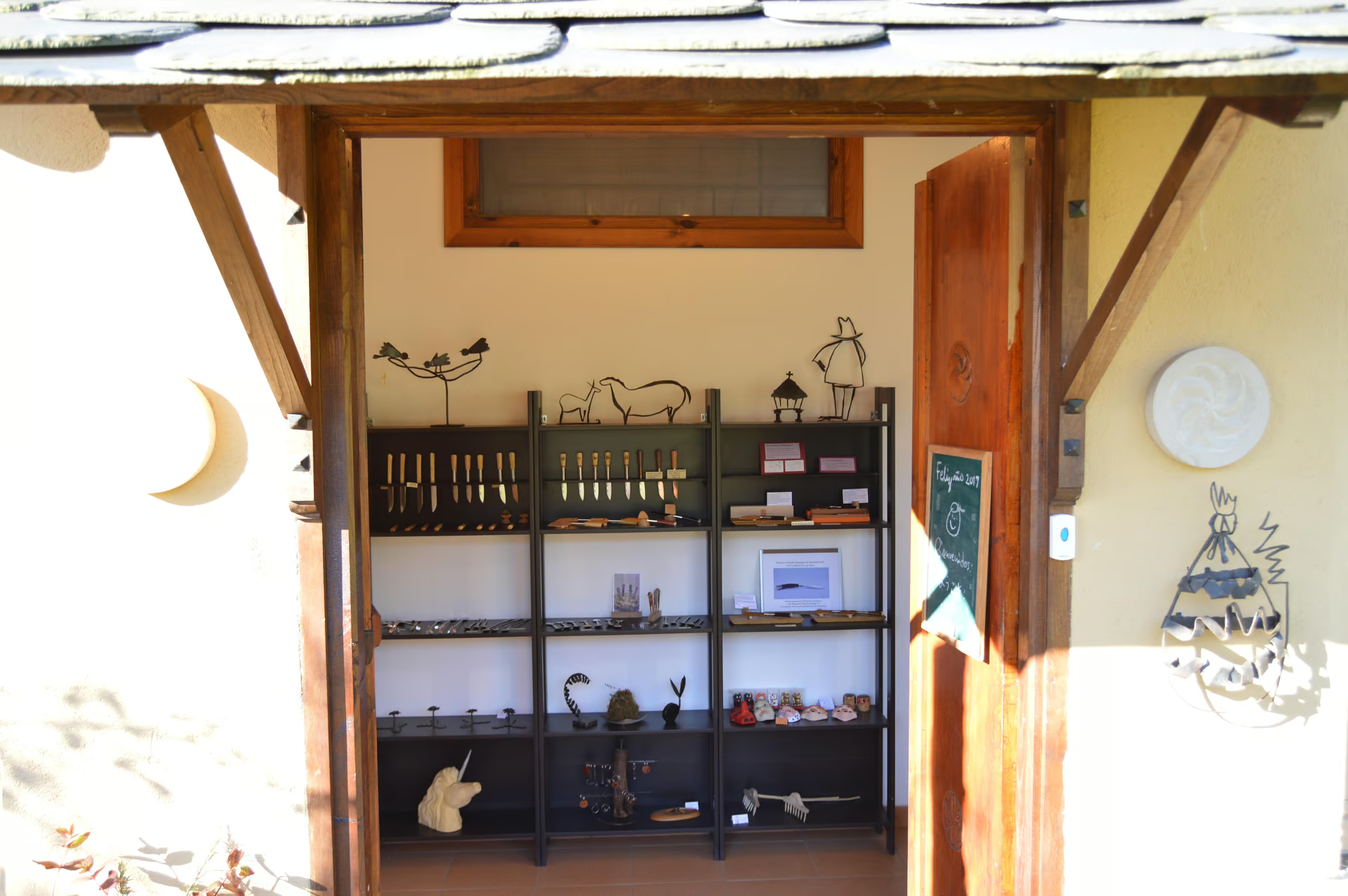
They have opened a workshop and store in Santa Eulalia de Oscos and offer handmade products made in the forge with original designs, fusing eastern and western techniques.
Basic information
- 985 621 357
- 656 980 666
- See website
- C/ Fermín Arango, s/n Santa Eulalia de Oscos
Schedule
Tuesday to Saturday:
10:00-14:00 ,16:30-19:00
Sunday and holidays:
11:00-14:00 (Monday closed)
What to see?
-
Eo Leche Artisan Cheese Factory
- Taramundi
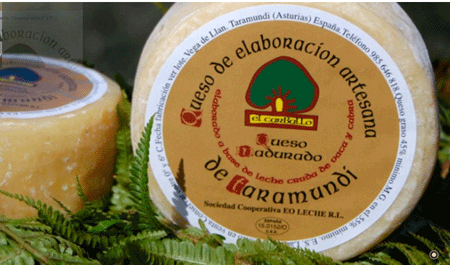
The Eo Leche Taramundi cheese factory is located in the Parque de Empresas Artesanas, about 400 meters from the center of the town of Taramundi.
-
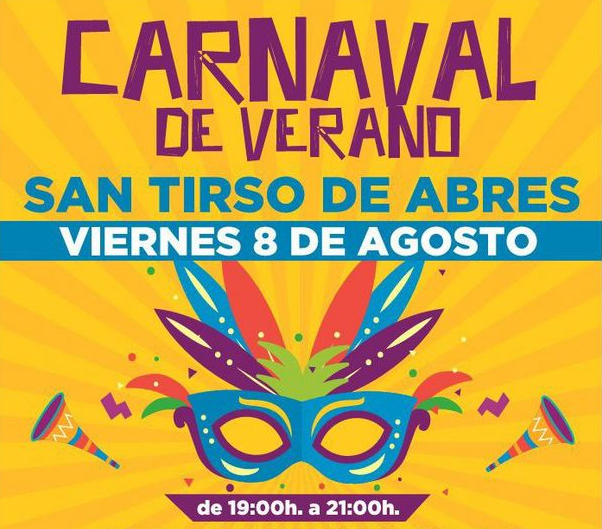
Carnaval de Verano
- San Tirso de Abres
- Fiestas y Eventos
-
Yacimientos Arqueológicos “Os Castros”
- Taramundi
- Heritage
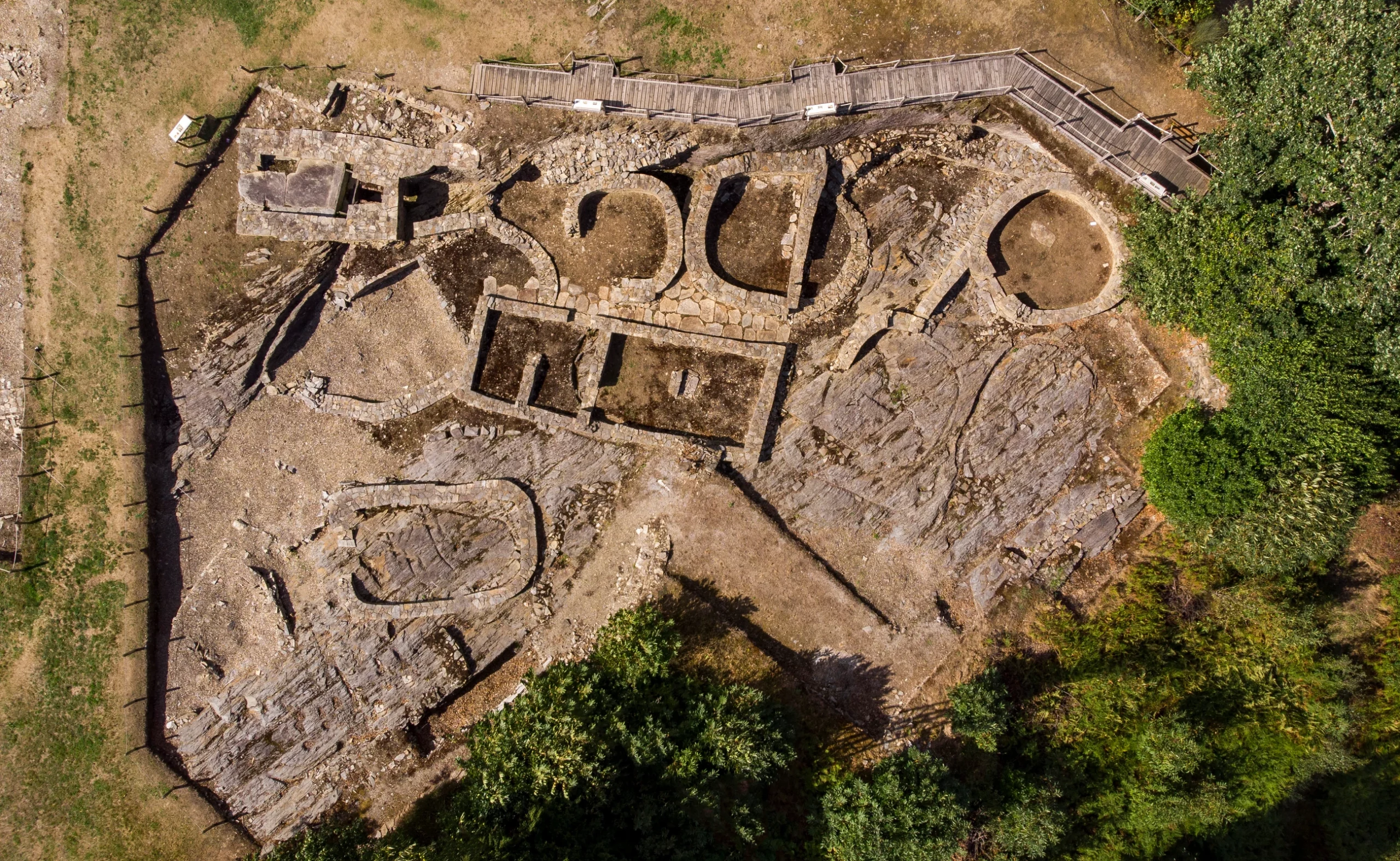
El yacimiento, conocido como Os Castros se localiza en la capital del concejo. Buena parte de su superficie se ha mantenido ajena al desarrollo urbano del municipio si bien la carretera que desciende hacia Mazonovo significó la destrucción algunas cabañas y parte de la muralla. En el año 2000 se iniciaron las excavaciones arqueológicas bajo patrocinio del Ayuntamiento de Taramundi, la Consejería de Cultura del Principado de Asturias y la meritoria colaboración de la asociación de hosteleros locales ANTURTA.
-
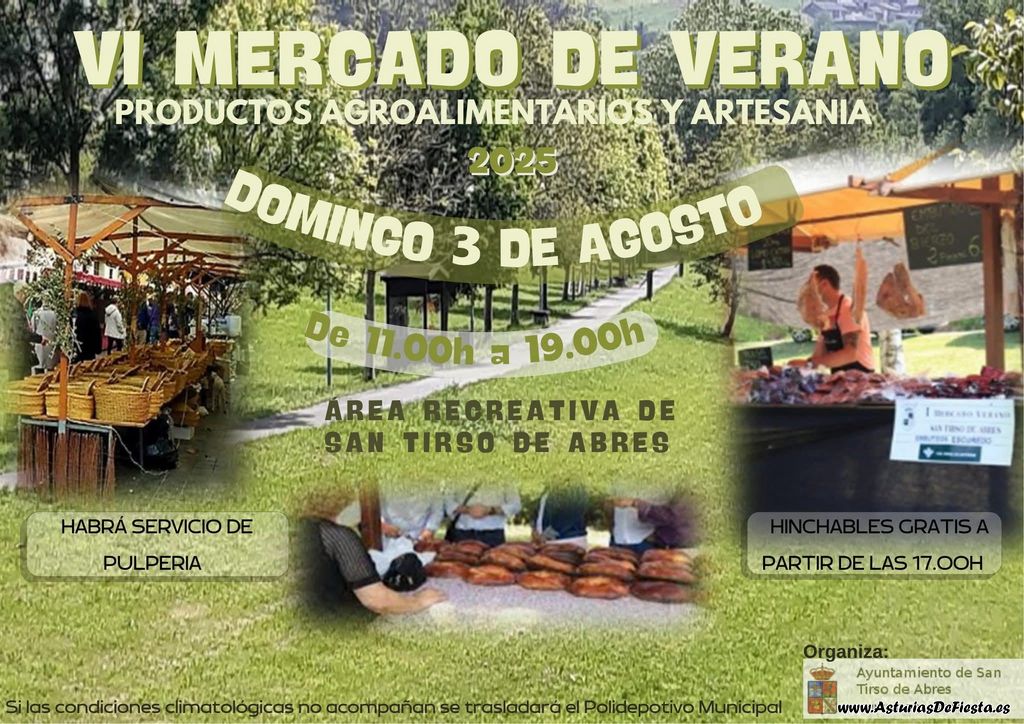
Mercado de Verano
- San Tirso de Abres
- Fiestas y Eventos
-
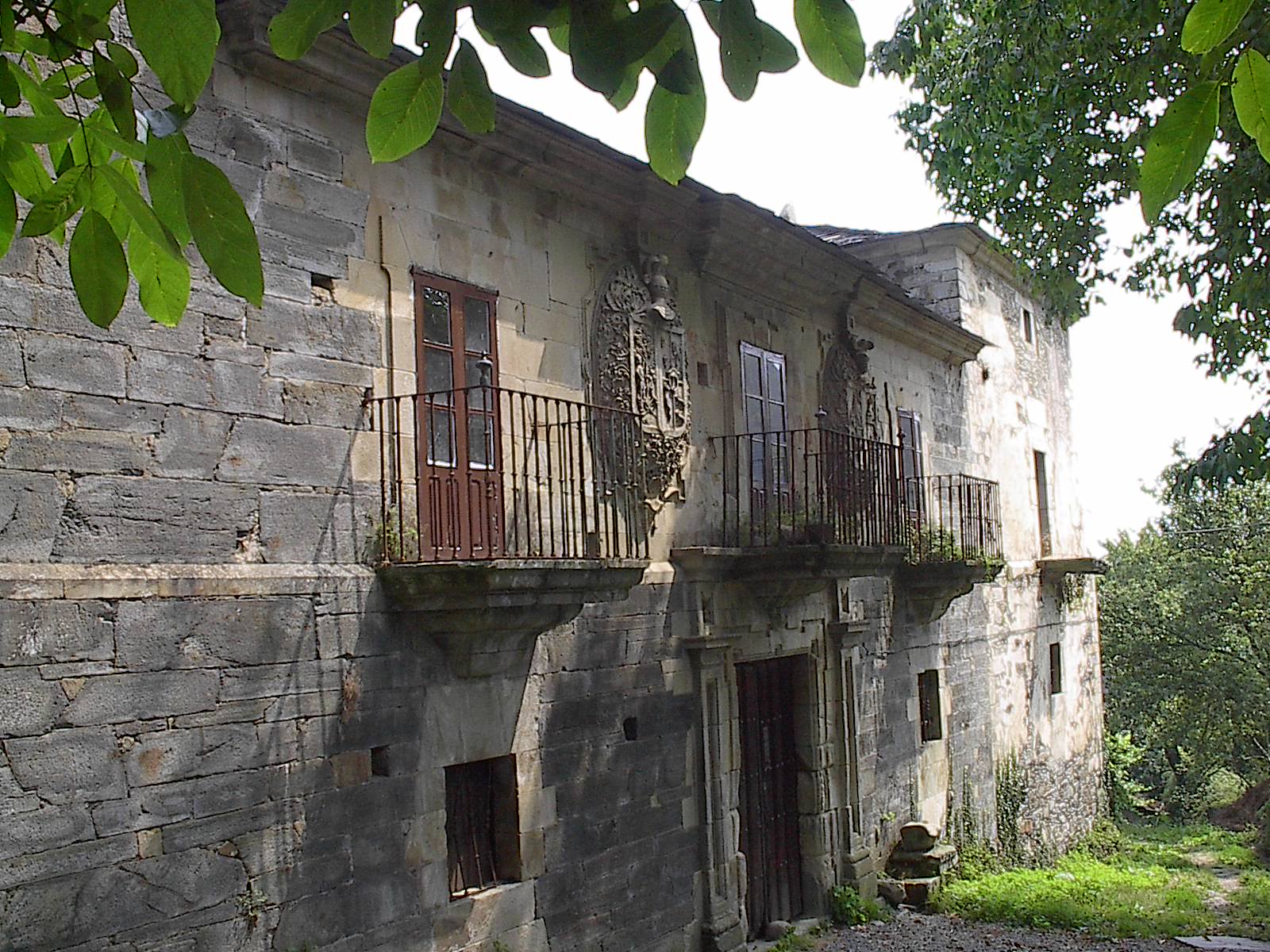
Mon Palace
- San Martín de Oscos
- Heritage
Among the artistic heritage of San Martín de Oscos it is worth mentioning the legendary and majestic Palacio de Mon. Conditioned by the sloping terrain, its main facade faces south while its foundations adapt to the slope, fitting into the west bay below ground level while developing height to the east.
-
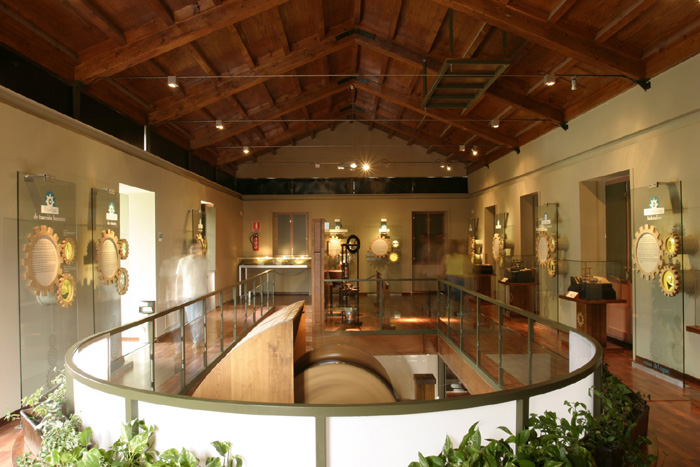
Bres Water House
- Taramundi
- Museum
The Casa del Agua de Bres, Taramundi, was created with the aim of making known the relationship between cultures and the dynamics of water throughout history. In this installation water is conceived, on the one hand, as a living substance capable of developing a force that men have been using throughout history to perform tasks that require power and routine work.


