


- Home
- What to visit?
- Ethnographic Museum of Esquíos
Ethnographic Museum of Esquíos
- Taramundi
- Museum
Esquíos is a village in the council of Taramundi inhabited for centuries by families of ferreiros, the Lombardía family, who emigrated from Italy to the Basque Country and later to Asturias.
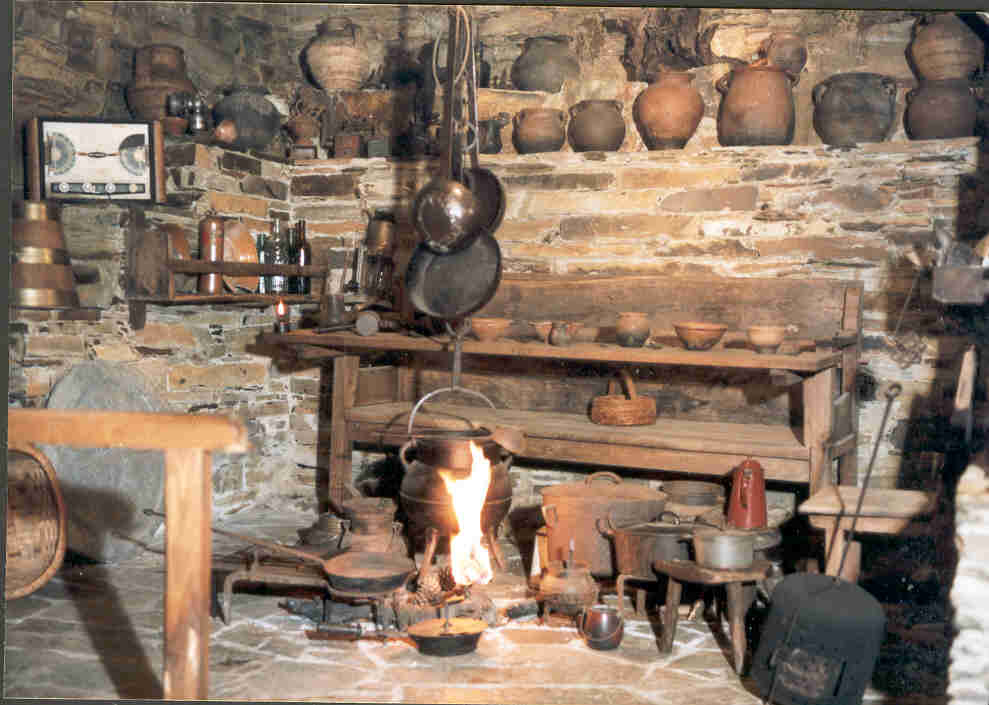
Inside the house of Esquios there is an interesting collection of utensils and tools of the daily life of any family in the region. More than a thousand pieces of different uses and in good state of preservation, including the famous “guincho” to carry the crops up the steep slopes surrounding the farmhouse, in use since the 40s.
A walk through the exhibition accompanied by a guide is enough to learn about the tools built and used by our ancestors, most of them made in the municipality of Taramundi, and essential for the subsistence in a rural area (carpentry tools, basketry, basketry, blacksmith, etc.).
Accompanying this exhibition is an interesting forge workshop where they still make the famous knives signed “M. Lombardia”.
Basic information
- 669 876 899
- See website
- Esquíos, s/n - Taramundi
Schedule
Monday to Sunday:
from 11:00 – 19:00 h.
Prices
Museum:
adults 2,50 euros.
Children up to 12 years old free.
Group discounts.
Workshop:
free visit.
What to see?
-
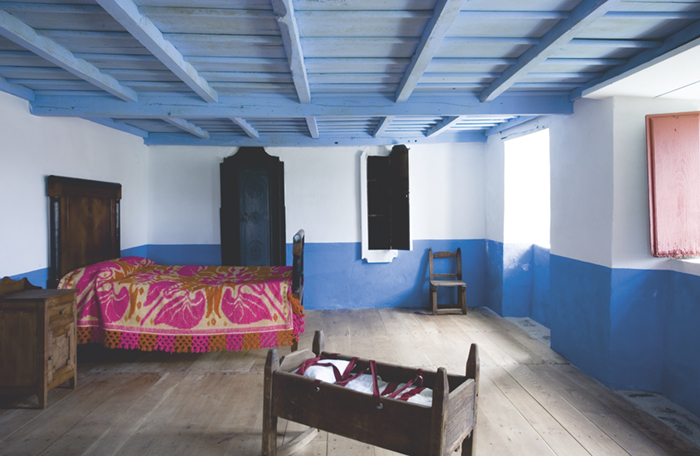
Casa del Marco Interpretation Center “Casa Campesina Museum”.
- San Martín de Oscos
- Museum
In the town of Villarquille (San Martín de Oscos) we find the Casa del Marco, a peasant house with its furniture, tools and implements which shows the way of life of the rural society of the region until the mid-twentieth century.
-
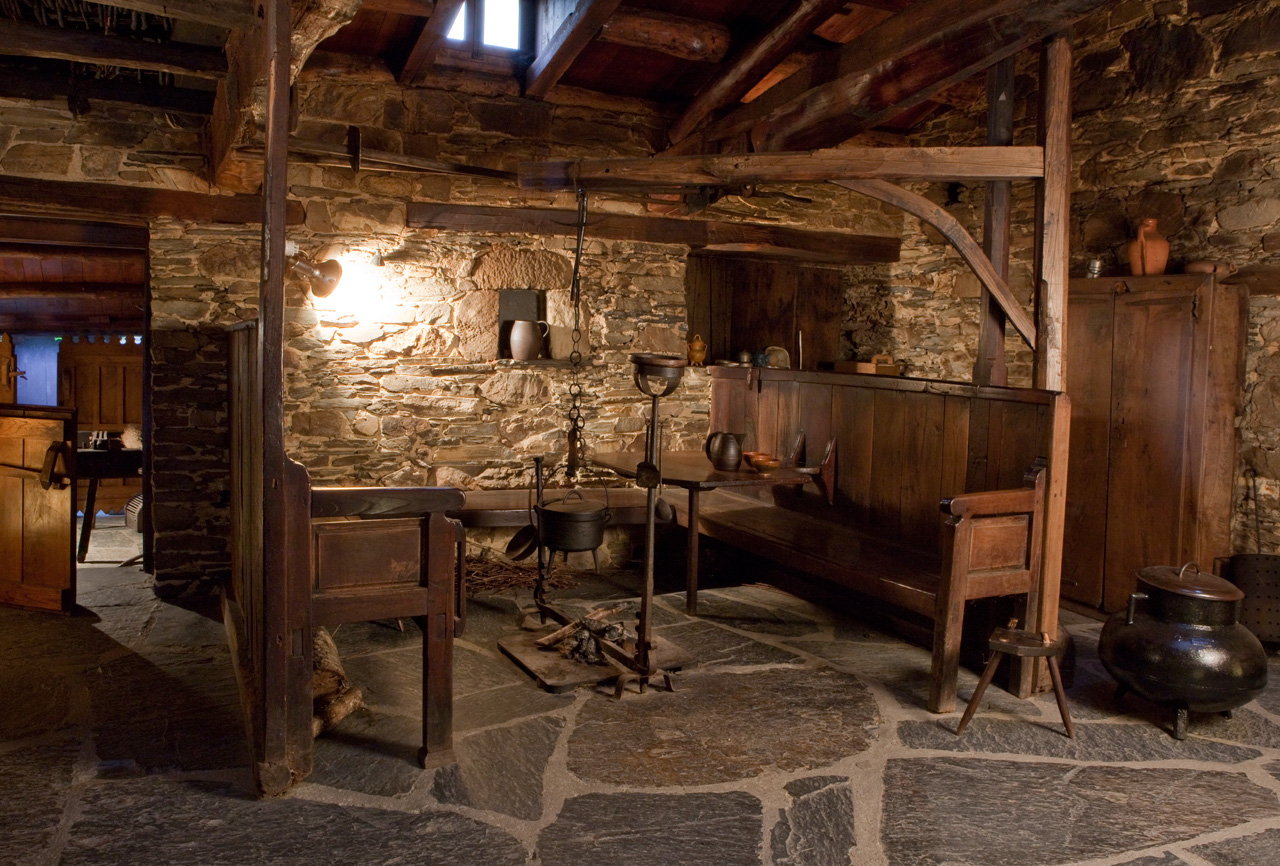
Marquis of Sargadelos Birthplace Museum
- Santa Eulalia de Oscos
- Museum
The house where Antonio Raimundo Ibáñez, Marquis of Sargadelos (1749-1809) was born is now an exhibition space dedicated to the life and work of this industrial and enlightened merchant, who in the late 18th century built in Sargadelos (Cervo, Lugo) one of the first cast-iron foundry and earthenware factories in Spain.
-

Mina do Salgueiro
- San Tirso de Abres
- Mines
-
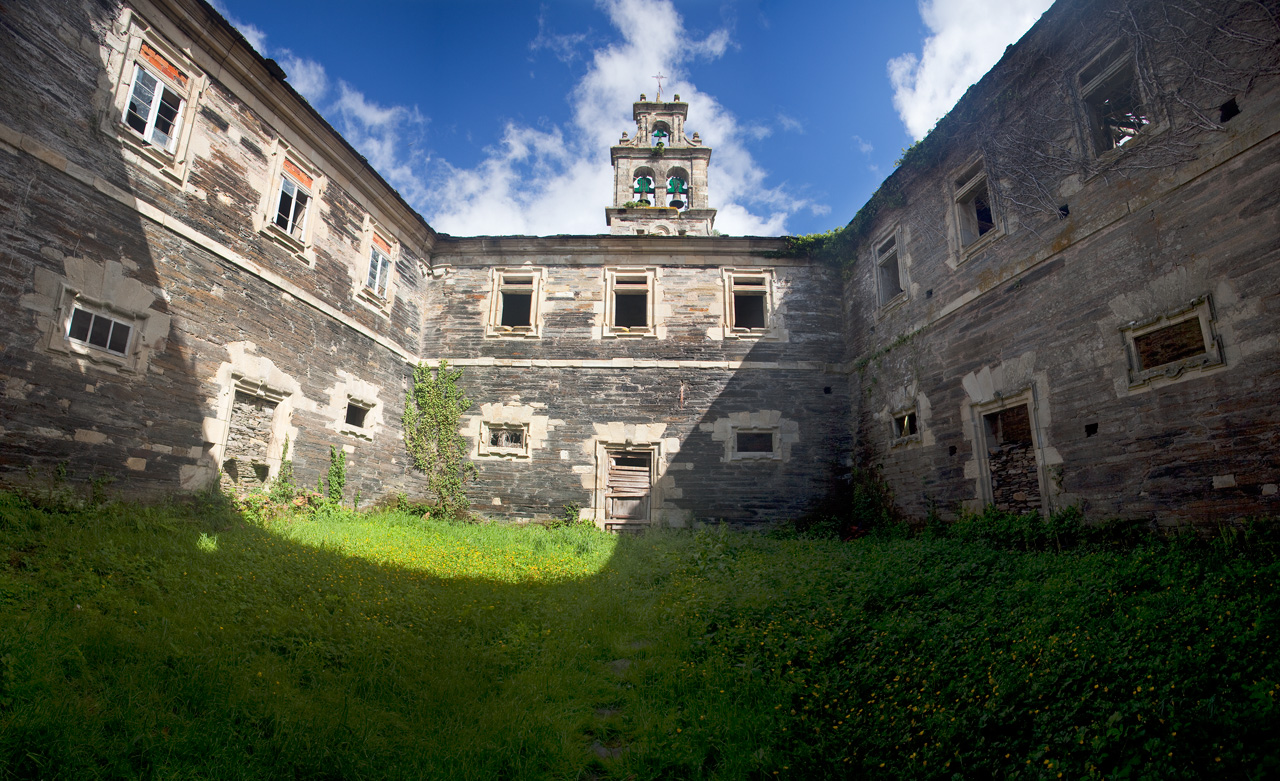
Monastery of Santa Maria
- Villanueva de Oscos
- Heritage
The history of Villanueva de Oscos is closely linked to the Monastery of Santa María, at the entrance of the capital of the council. This Monastery, considered one of the great jewels of Asturian heritage and classified as a Historic-Artistic Monument, was born Romanesque and grew Baroque.
-
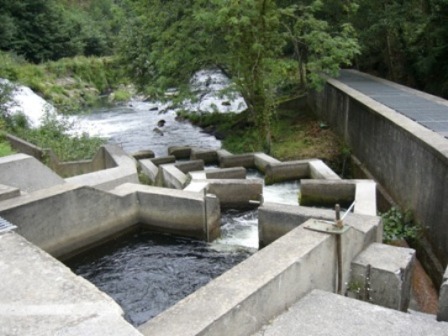
Escala de Salmones
- San Tirso de Abres
-
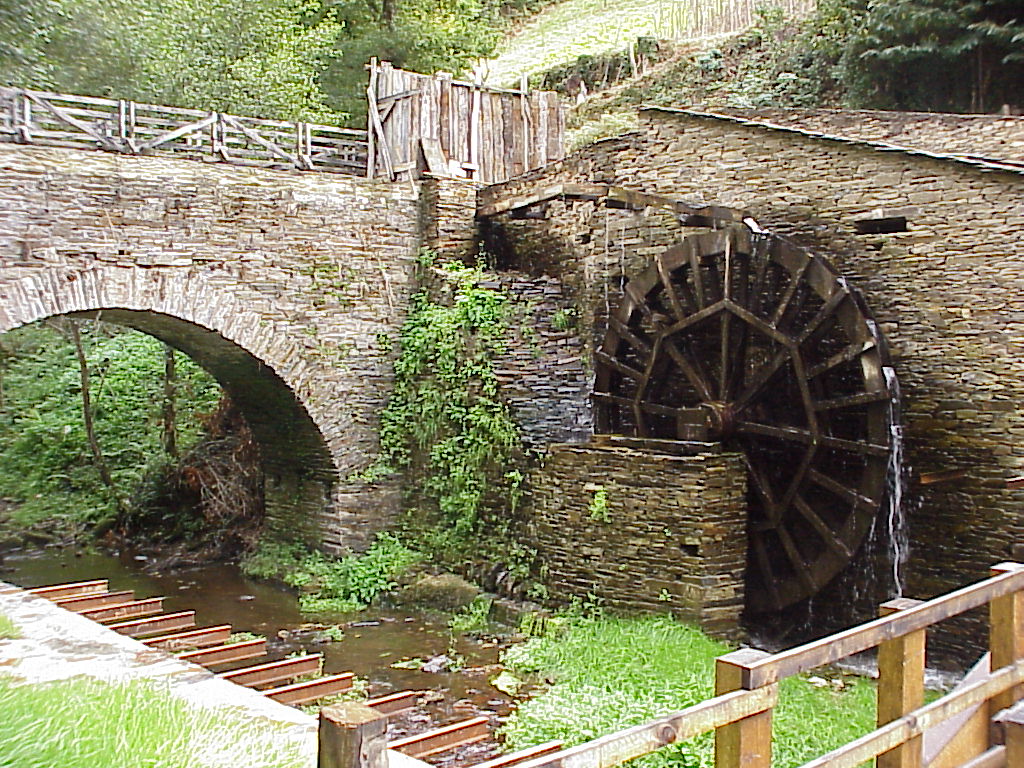
Interactive Museum of the Mills in Mazonovo
- Taramundi
- Museum
This museum was created to show the great variety of hydraulic and hand-operated mills that were used throughout history and in different parts of the world to grind cereals.


