


- Home
- What to visit?
- Ecomuseum of Bread
Ecomuseum of Bread
- Villanueva de Oscos
- Museum
The Ecomuseum shows us the complete cycle of bread making, from sowing the cereal to baking, harvesting, milling and kneading.
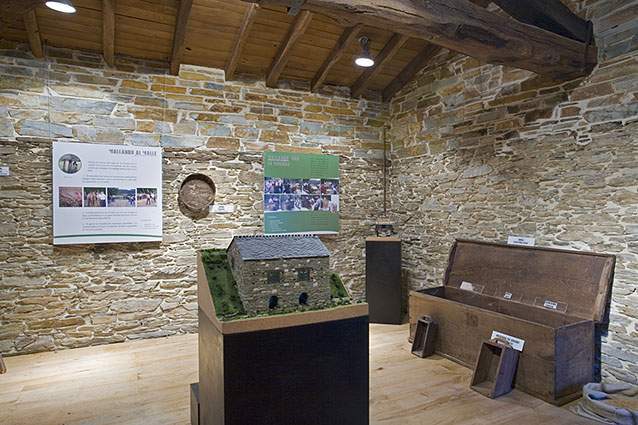
The complex has a reception area for visitors, a planting area, a threshing floor, a granary, a mill and an interpretation center divided into three rooms. In each of them, a part of the process is explained through panels, implements and tools.
Basic information
- 985 626 219
- oficinadeturismo@villanuevadeoscos.es
- Santa Eufemia (Villanueva de Oscos)
Schedule
Summer opening hours:
(the rest of the year consult with the Town Hall of Villanueva de Oscos – Telf: 985626084)
Every day except Wednesdays from 10:30 to 14:00 and from 16:00 to 19:00 hours.
Closed on Wednesdays.
Guided tours:
at 13:00 and 16:30 every day except Wednesdays.
Appointment required.
Prices
Adults:
2,50 euros
Children under 12 years old in a family:
free
Seniors over 65 years old:
2euros
Concerted groups (min. 15 people):
2euros / person
What to see?
-

Mina do Salgueiro
- San Tirso de Abres
- Mines
-
Bres Water House
- Taramundi
- Museum
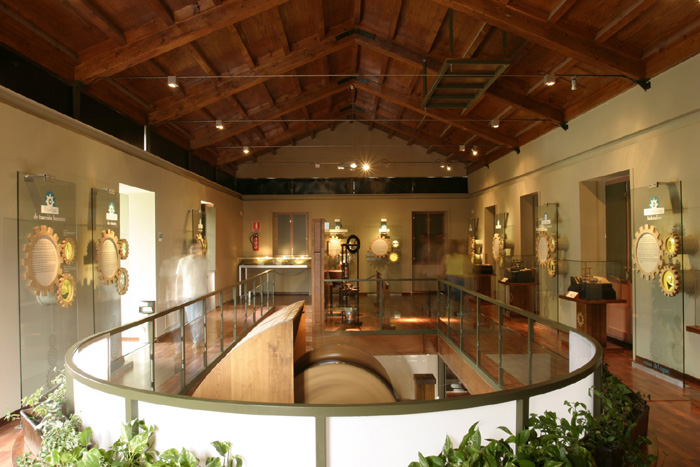
The Casa del Agua de Bres, Taramundi, was created with the aim of making known the relationship between cultures and the dynamics of water throughout history. In this installation water is conceived, on the one hand, as a living substance capable of developing a force that men have been using throughout history to perform tasks that require power and routine work.
-
Casa del Marco Interpretation Center “Casa Campesina Museum”.
- San Martín de Oscos
- Museum
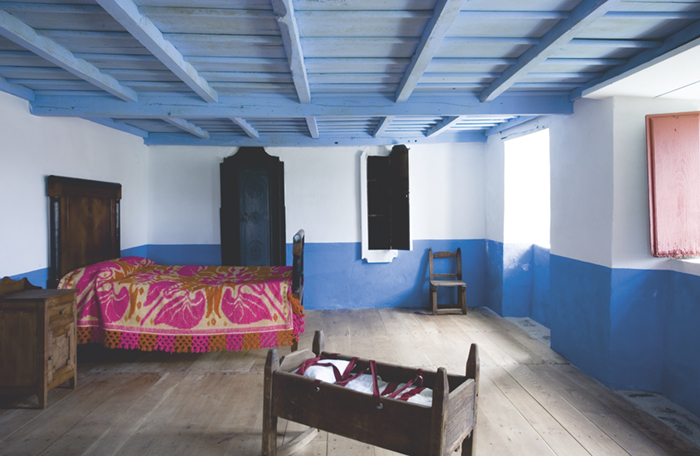
In the town of Villarquille (San Martín de Oscos) we find the Casa del Marco, a peasant house with its furniture, tools and implements which shows the way of life of the rural society of the region until the mid-twentieth century.
-
Ferrería de Santa Eufemia
- Villanueva de Oscos
- Ethnographic set
-
Mazonovo Mallet
- Santa Eulalia de Oscos
- Ethnographic set
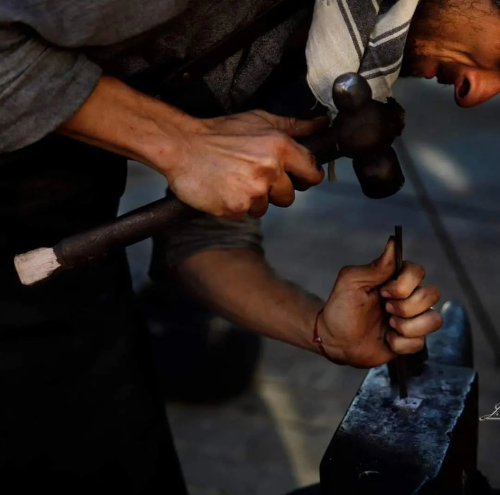
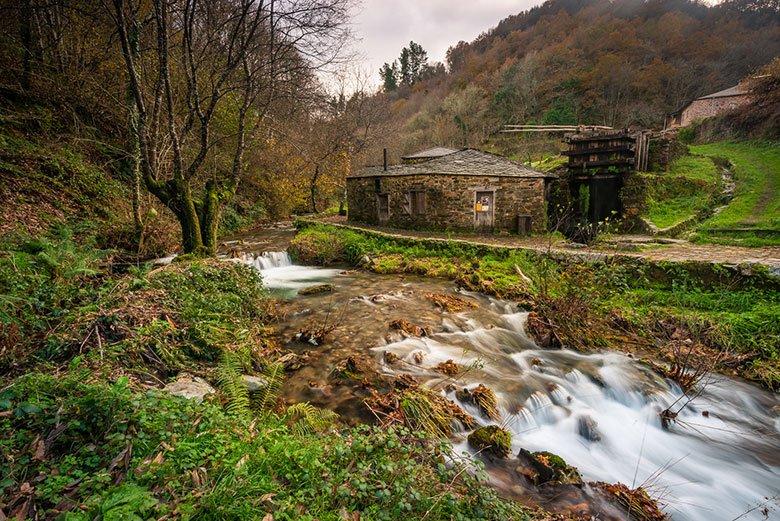
The Mazonovo Mallet is located about 3 km from Santa Eulalia. It is a 17th century mallet active in the 21st century. This set is restored and rehabilitated in its integrity for the understanding of the iron industry. The building of the mallet stands out for being in a state in which it has not suffered great modifications with the passage of time. Here you can forge your own nail and take it as a souvenir.
-
Mercado de Verano
- San Tirso de Abres
- Fiestas y Eventos


