


- Home
- What to visit?
- Carnaval de Verano
Carnaval de Verano
- San Tirso de Abres
- Fiestas y Eventos
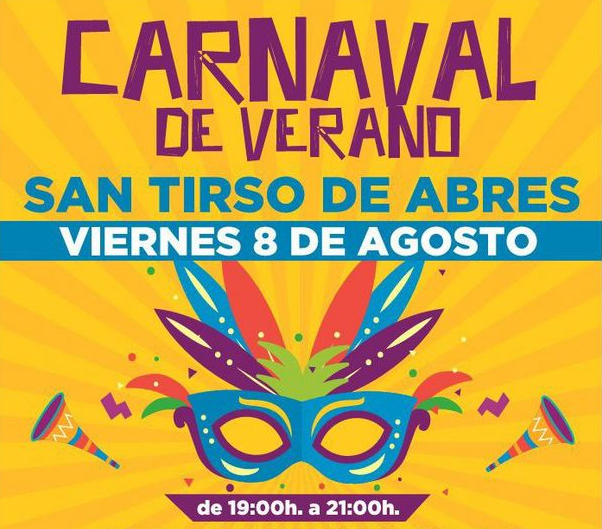
El Carnaval de Verano en San Tirso de Abres es una festividad popular que se celebra cada año el primer viernes de agosto. Organizada por el Grupo de Teatro San Tirso del Eo, la celebración se lleva a cabo en la Plaza de San Juan, ofreciendo una jornada llena de actividades para todas las edades. La programación incluye pintacaras para los más pequeños, una cena popular con platos tradicionales como empanada, paella, pan, postre y café, y una verbena amenizada por música en vivo. Los vales para la cena suelen estar disponibles en el Bar Tienda La Farrapa. Este evento destaca por su ambiente festivo y comunitario, siendo una oportunidad para disfrutar de la cultura local y la gastronomía asturiana en un entorno natural y acogedor.
What to see?
-
Las Minas
- San Martín de Oscos
- Mines
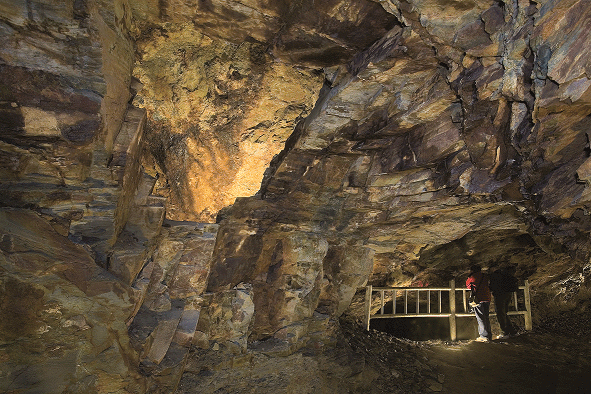
There are remains in the Oscos region that tell us that mining was an activity that was developed in the area since prehistoric times. Before the conquest of the Romans, the inhabitants of this region were already looking for gold nuggets in the river placers. But it was after the arrival of the Romans that this industry was boosted. In the Flavian period, at the beginning of the first century A.D., a first golden age was experienced. The castros (fortified settlements) resurged as a result of the exploitations and the landscape was dotted with small industries of which there are still remains such as: forges, function furnaces and samples of the technology that was used for the exploitation of the deposit.
-
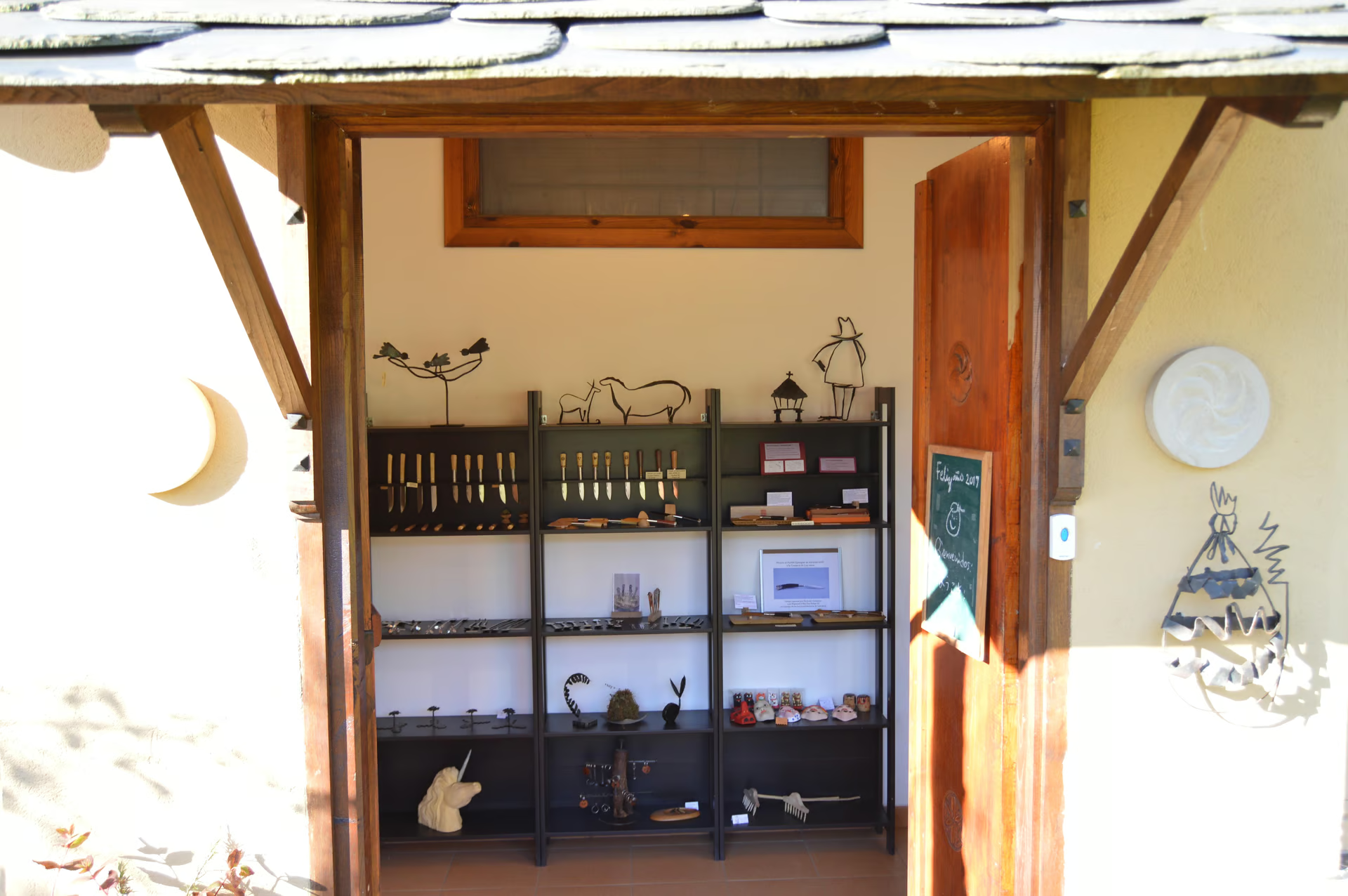
Hiottoko artistic forge and cutlery workshop-shop
- Santa Eulalia de Oscos
- Craft
Traditionally, in Santa Eulalia de Oscos, knives have been made for more than a century. Nowadays Jorge (knifemaker) and Keiko (metal craftswoman) maintain this tradition developing this ancient craft to which they add part of the Japanese ancestral wisdom.
-
Las Minas
- Villanueva de Oscos
- Mines
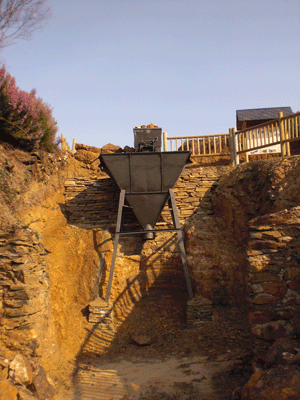
Recently, the Town Council of Villanueva de Oscos, with the collaboration of the Principality of Asturias, has recovered and rehabilitated the mines of this municipality.
-
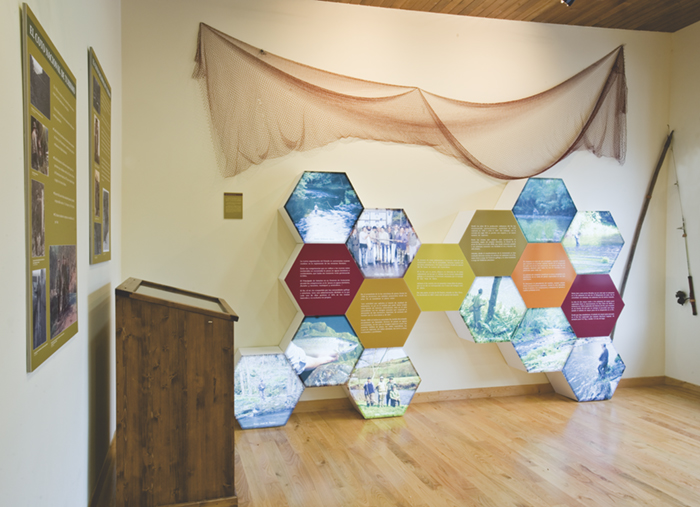
Interpretation Center of Fishing in the Eo River
- San Tirso de Abres
- Interpretation center
Through different media (audiovisual, photographic and computer) we can learn about the Eo River, the different species that inhabit it or the relationship of man with the river; how humans have taken advantage of the wealth offered by its waters and, above all, the importance that fishing has had in the area.
-
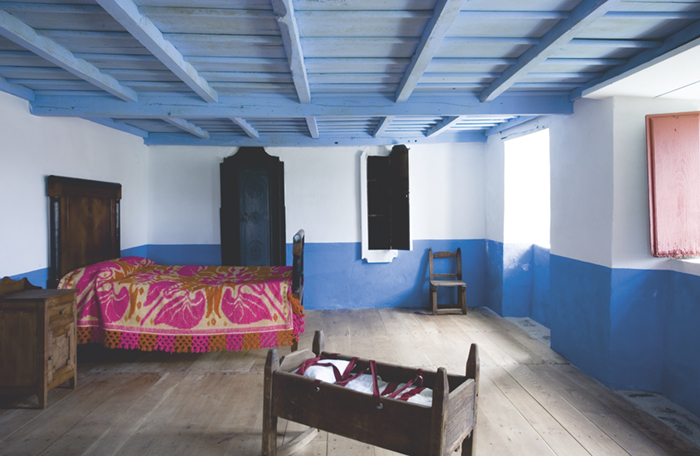
Casa del Marco Interpretation Center “Casa Campesina Museum”.
- San Martín de Oscos
- Museum
In the town of Villarquille (San Martín de Oscos) we find the Casa del Marco, a peasant house with its furniture, tools and implements which shows the way of life of the rural society of the region until the mid-twentieth century.
-
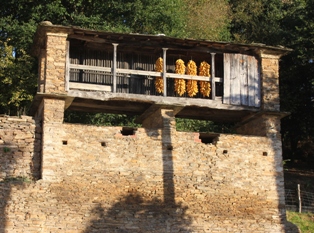
Cabazos
- San Tirso de Abres
- Heritage


