


- Home
- What to visit?
- House Museum of Traditional Cutlery
House Museum of Traditional Cutlery
- Taramundi
- Museum
Located in Pardiñas, 1 km from the capital of the council, the museum of the Cutlery offers the possibility of approaching the most representative trade of the council of Taramundi: the navalleiros.
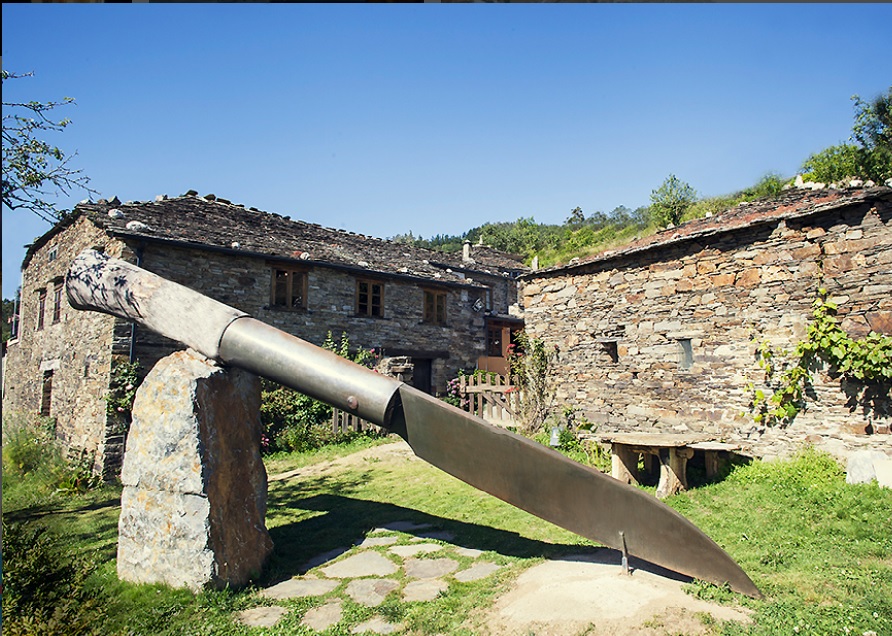
For this purpose, inside an old traditional building, a history room has been installed, another room where the techniques used for the production of cutlery are explained, as well as two rooms containing a collection of knives, knives and scissors from Taramundi and the rest of the region. In an adjoining building, which was used by the former owners as a forge and carpentry workshop, a cellar or traditional cutlery workshop set in the first half of the twentieth century has been installed.
The Museum is located in the itinerary of the route of the ironworkers, which brings the visitor to know villages and spaces directly related to this trade, so it is an appropriate complement to correctly interpret the route of this route.
Basic information
- 985646810
- info@navallasdetaramundi.com
- See website
- Pardiñas, s/n - Taramundi
Schedule
High season (01/07-15/09, Easter and national holidays): from 11:00 am to 2:00 pm and from 4:00 pm to 8:00 pm.
Demonstrations every half hour.
Rest of the year: from 11:00 am to 2:00 pm and from 4:00 pm to 7:00 pm. Closed Sunday afternoon and Monday all day.
Prices
Adult: 3 €
Children (6-12 years old): 1 €
Groups (minimum 12 persons): 2 €
What to see?
-
Las Minas
- San Martín de Oscos
- Mines
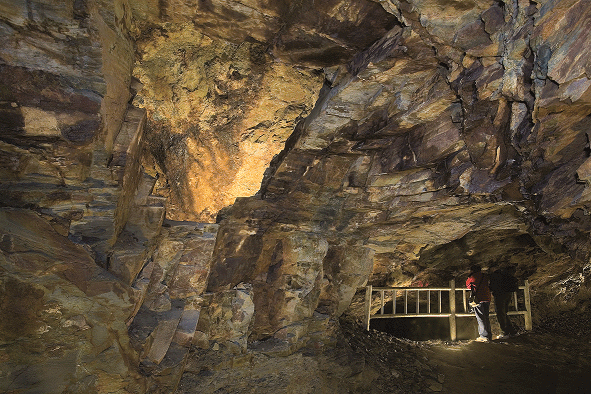
There are remains in the Oscos region that tell us that mining was an activity that was developed in the area since prehistoric times. Before the conquest of the Romans, the inhabitants of this region were already looking for gold nuggets in the river placers. But it was after the arrival of the Romans that this industry was boosted. In the Flavian period, at the beginning of the first century A.D., a first golden age was experienced. The castros (fortified settlements) resurged as a result of the exploitations and the landscape was dotted with small industries of which there are still remains such as: forges, function furnaces and samples of the technology that was used for the exploitation of the deposit.
-
Cabazos
- San Tirso de Abres
- Heritage
-

Carnaval de Verano
- San Tirso de Abres
- Fiestas y Eventos
-
Viduedo Farmhouse
- Santa Eulalia de Oscos
- Organic livestock farming
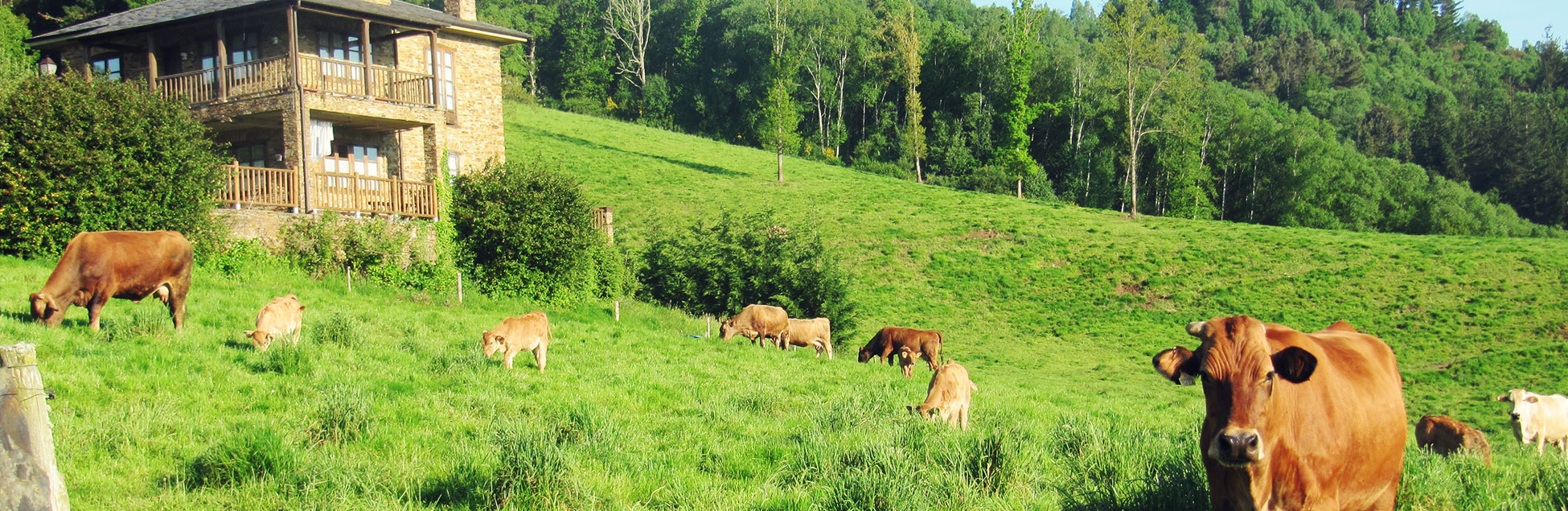
The Viduedo farm is a certified organic livestock farm located in the village of As Poceiras, where the animals are raised in direct contact with the environment, feeding all year round on natural pastures, which is a guarantee of health and quality.
-
Os Teixois Ethnographic Ensemble
- Taramundi
- Ethnographic set
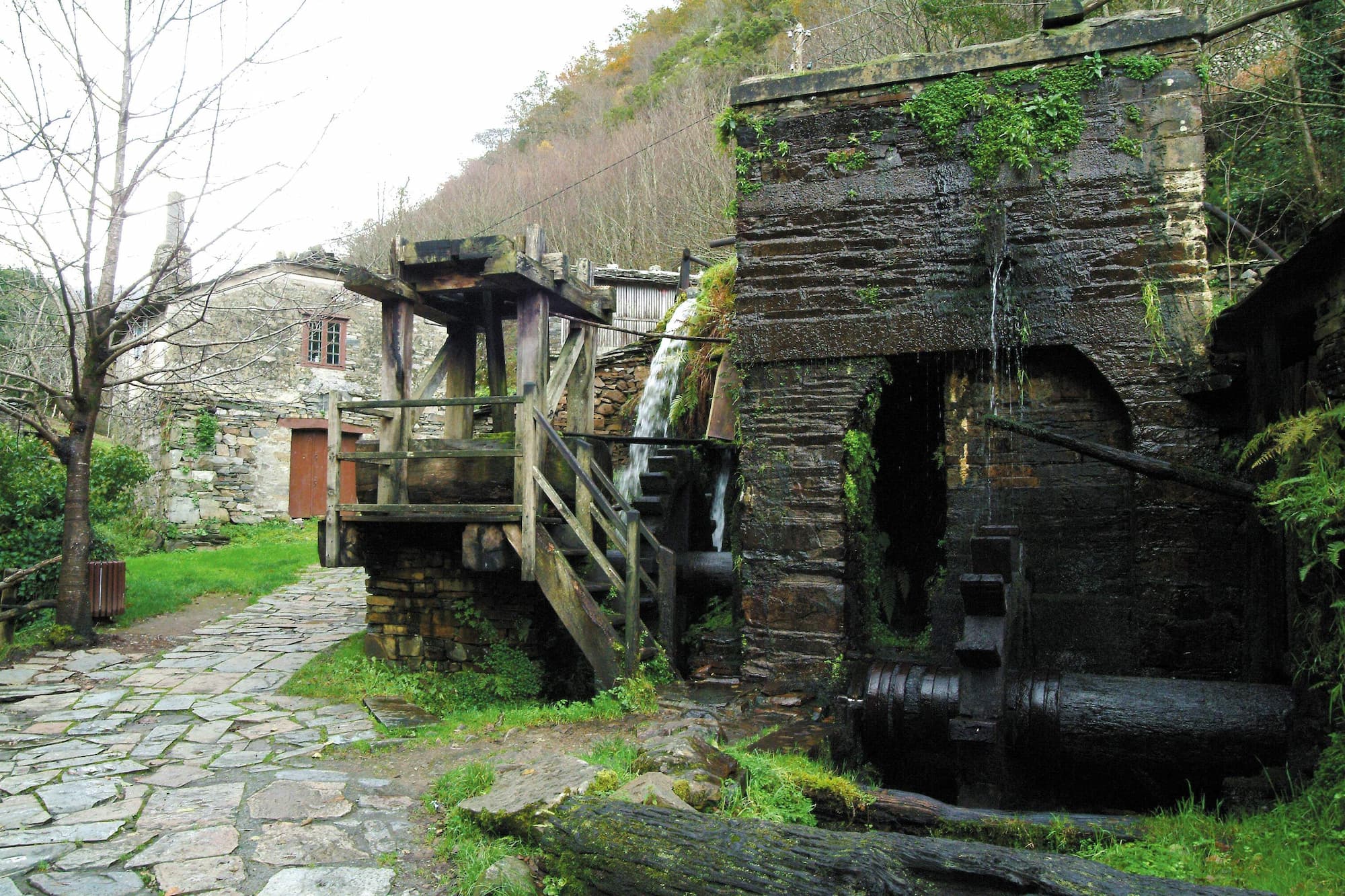
Os Teixois is one of the most interesting ethnographic sites in Asturias, where we can find several hydraulic devices recovered and available to anyone who wishes to visit them.
-
Bres Water House
- Taramundi
- Museum
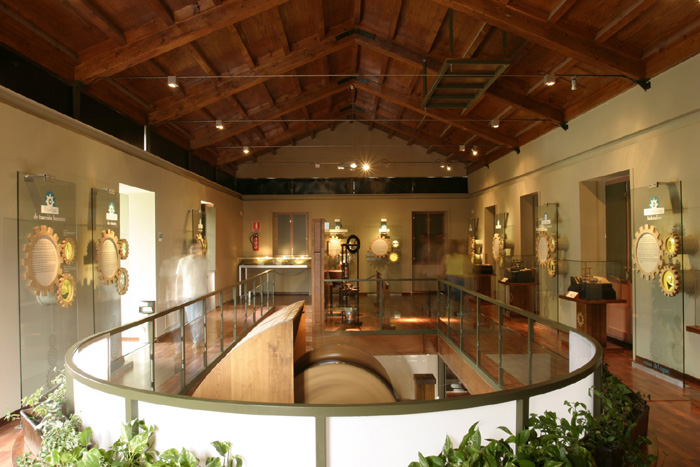
The Casa del Agua de Bres, Taramundi, was created with the aim of making known the relationship between cultures and the dynamics of water throughout history. In this installation water is conceived, on the one hand, as a living substance capable of developing a force that men have been using throughout history to perform tasks that require power and routine work.


