


- Home
- What to visit?
- Yacimientos Arqueológicos “Os Castros”
Yacimientos Arqueológicos “Os Castros”
- Taramundi
- Heritage
El yacimiento, conocido como Os Castros se localiza en la capital del concejo. Buena parte de su superficie se ha mantenido ajena al desarrollo urbano del municipio si bien la carretera que desciende hacia Mazonovo significó la destrucción algunas cabañas y parte de la muralla. En el año 2000 se iniciaron las excavaciones arqueológicas bajo patrocinio del Ayuntamiento de Taramundi, la Consejería de Cultura del Principado de Asturias y la meritoria colaboración de la asociación de hosteleros locales ANTURTA.
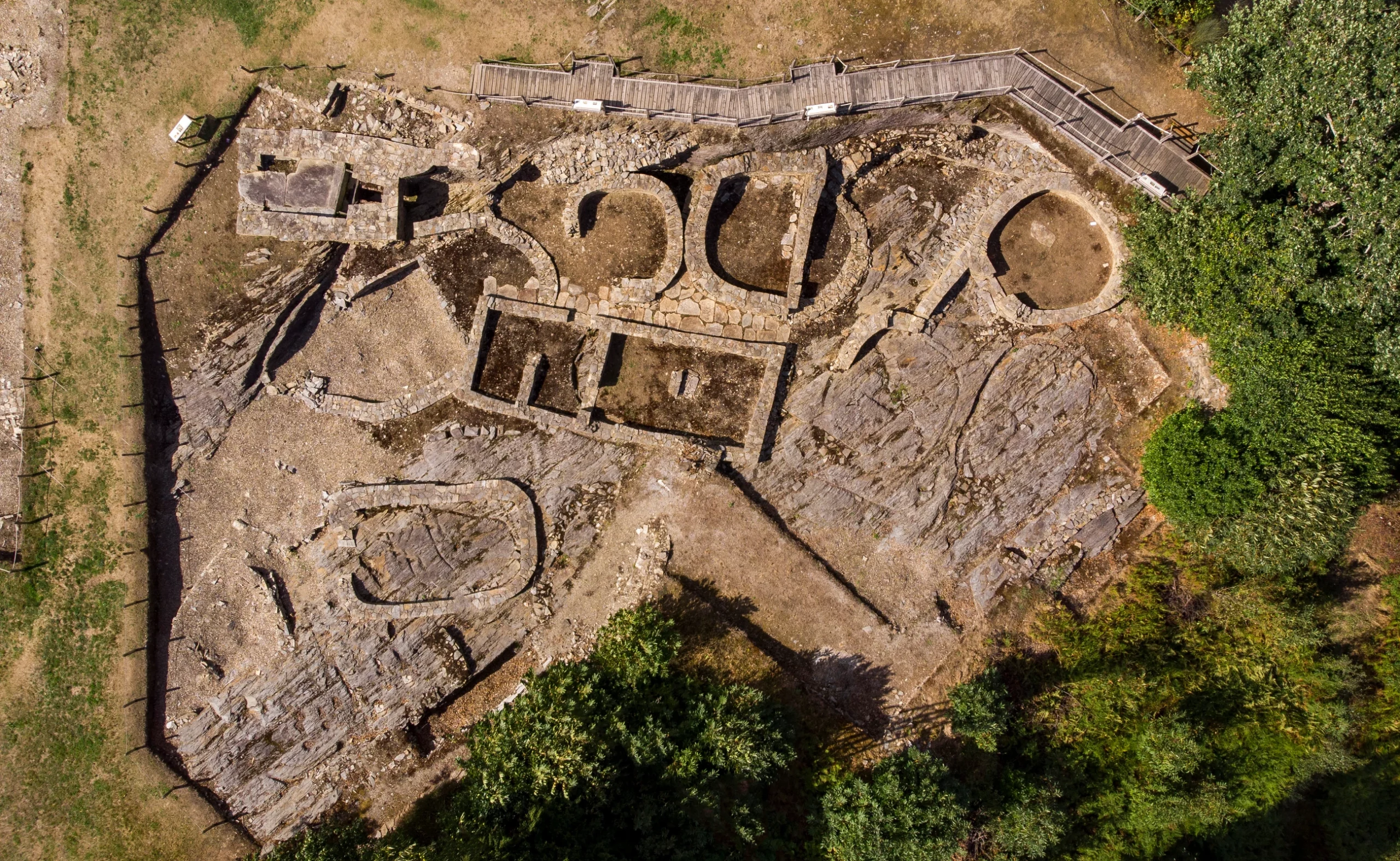
El lugar fue reconocido como poblado fortificado en 1969 por José Manuel González quien lo registró con la denominación de “El Castro”. Se localiza a una altitud de 230-250 m sobre el nivel del mar y se extiende sobre una superficie próxima a las 2 Ha. Es, por tanto, uno de los mayores castros catalogados en las tierras interiores del Navia-Eo.
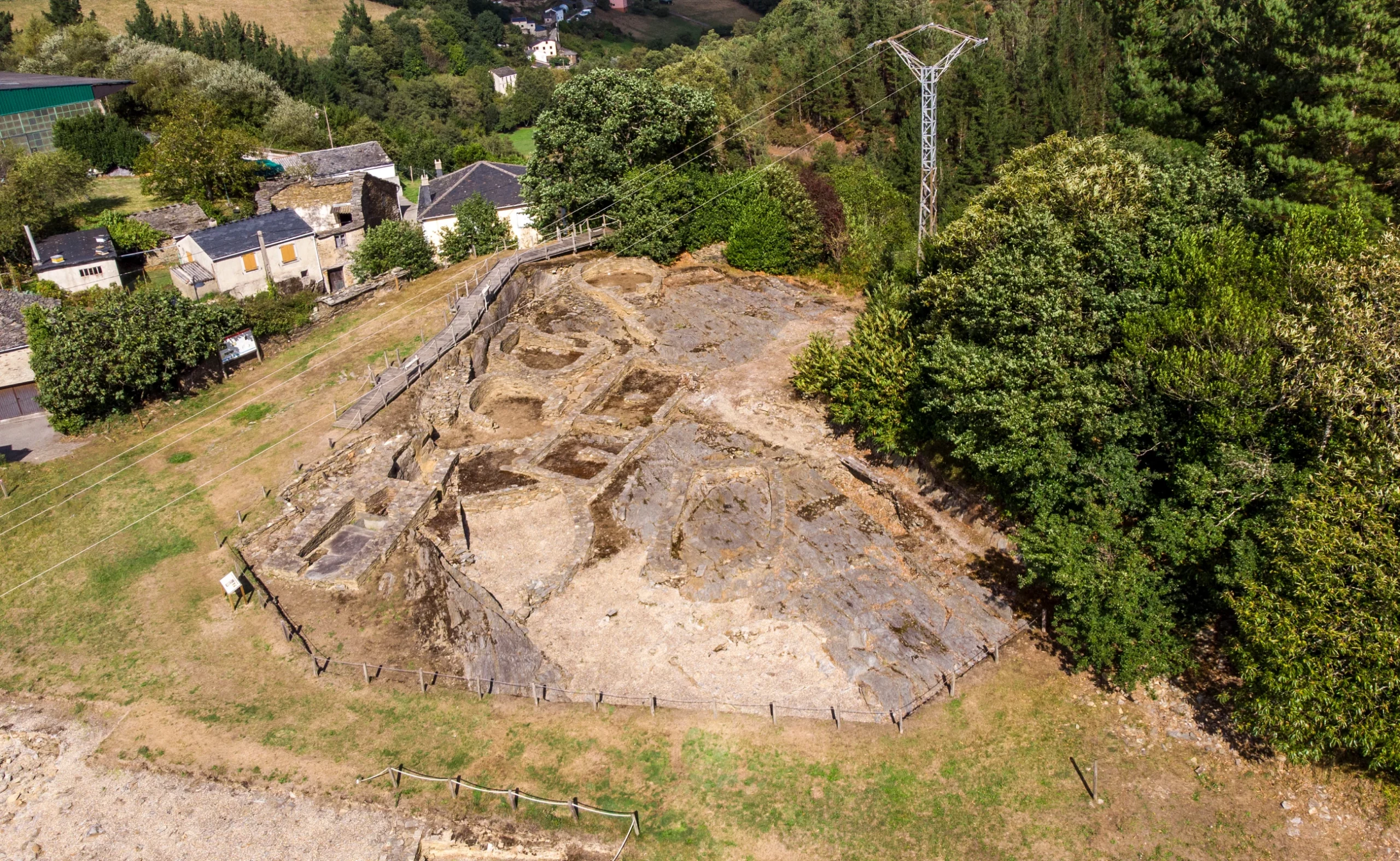
El castro estuvo delimitado hacia el norte por un profundo foso rebajado en la roca con escarpes que superaban los 4 m de profundidad y 6 m de amplitud.
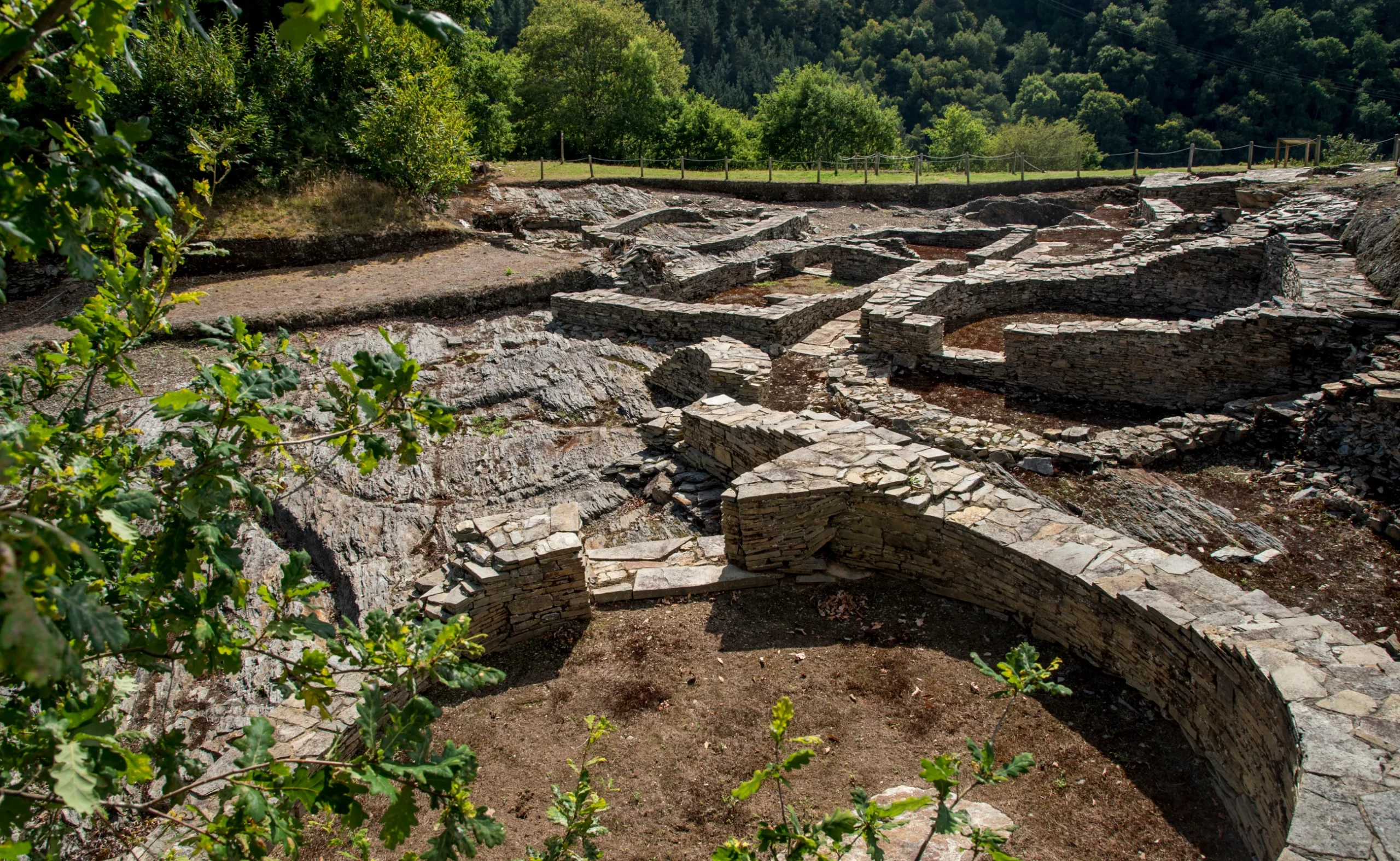
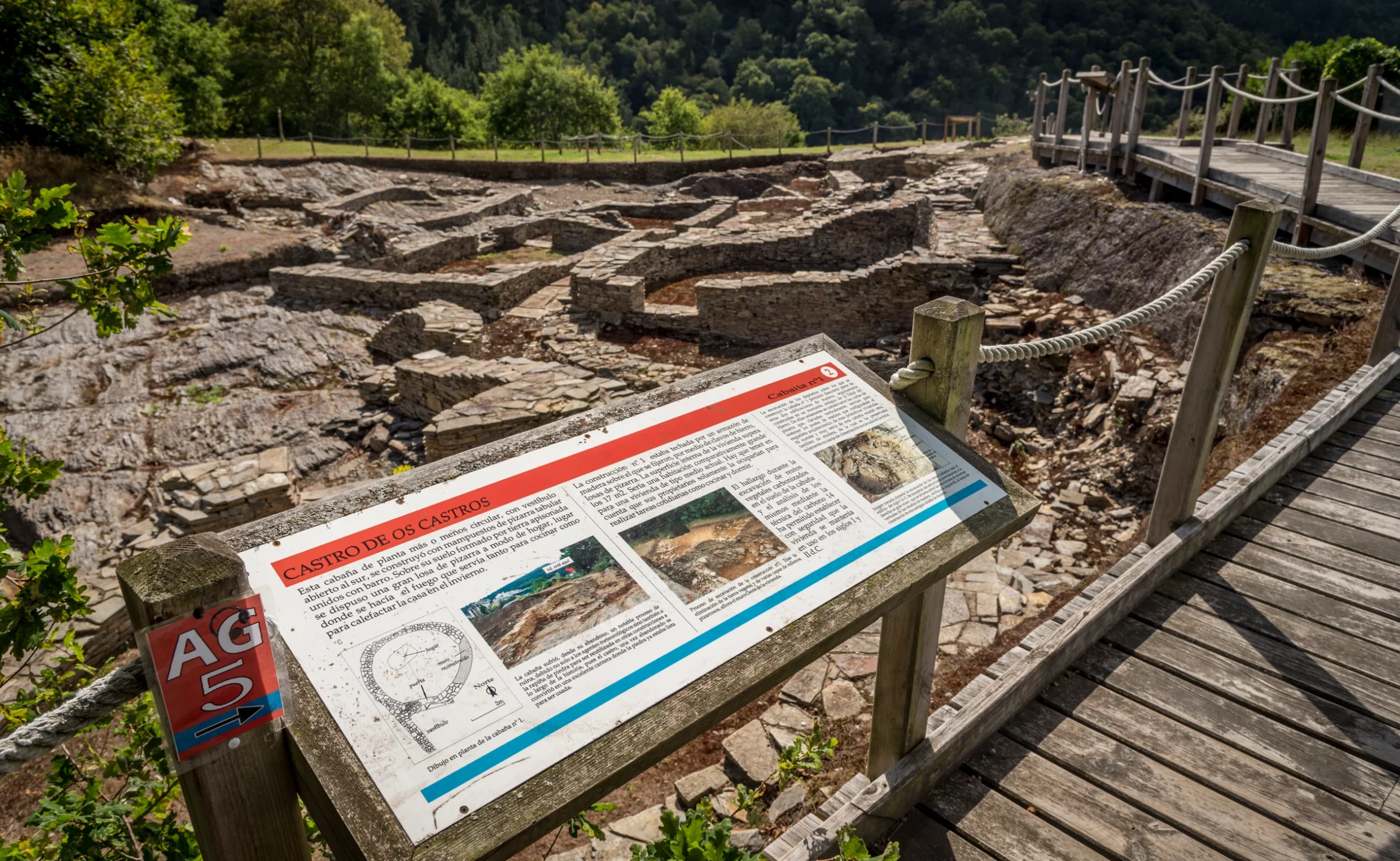
Las excavaciones arqueológicas se iniciaron en julio de 2000 como parte de las actividades programas en el Plan Arqueológico de la Cuenca del Navia-Eo. Hasta el momento se han exhumado en distinto grado hasta una docena de edificios organizados, una sauna castreña, varios tramos de calles y de fortificaciones correspondientes a diferentes épocas del poblado.
Basic information
- 985 646 877
- C. El Solleiro, 6A, Taramundi
Schedule
Cuenta con visitas guiadas durante los meses de verano, Semana Santa y algunas otras fechas señalas. Para más información dirigirse a la oficina de turismo de Taramundi.
Prices
Visita libre
What to see?
-
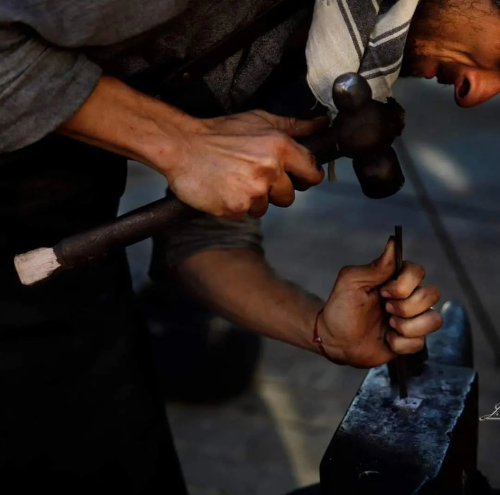
Ferrería de Santa Eufemia
- Villanueva de Oscos
- Ethnographic set
-
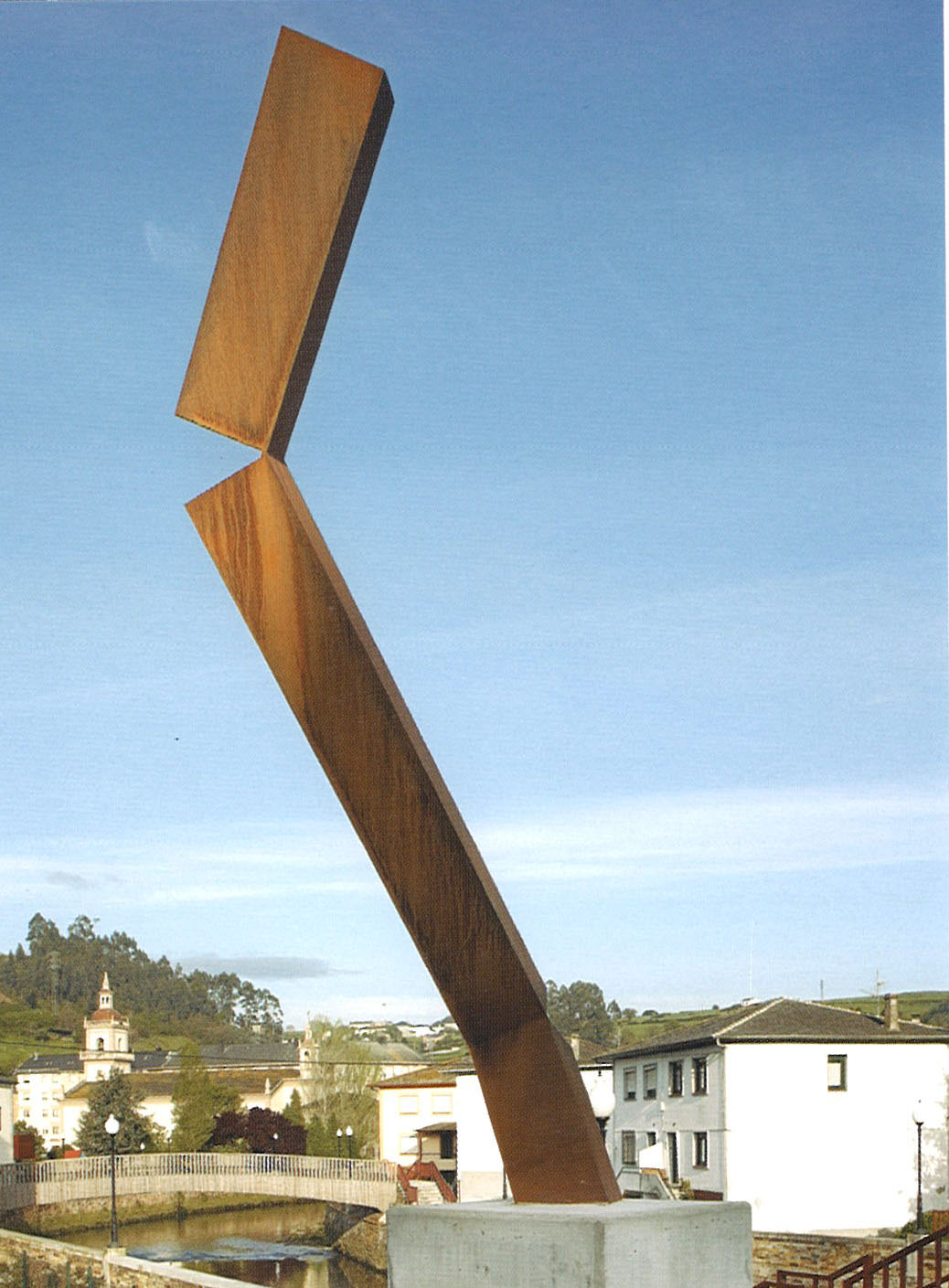
Contemporary art sculptures and sculptures by César Montaña (Vegadeo)
- Vegadeo
- Sculpture
The town of Vegadeo has the peculiarity of being crossed by two rivers: the Monjardín and the Suarón, which have twelve bridges that cross them (six each). Taking advantage of this circumstance, the idea was that visitors to Vegadeo could get to know the town center by crossing these bridges, and enriching the visit with a sculpture on each of them.
-
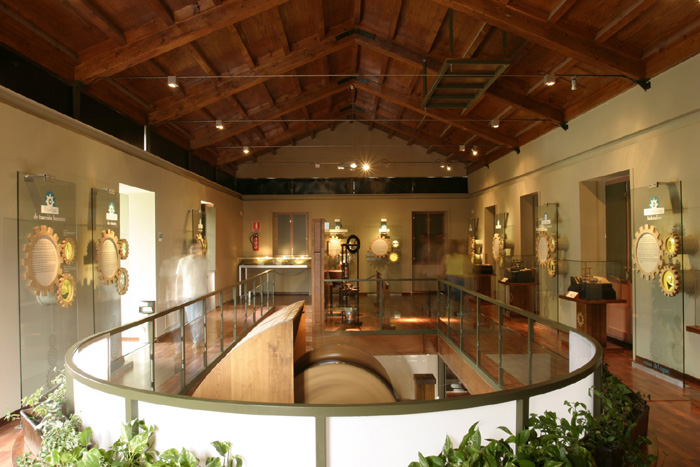
Bres Water House
- Taramundi
- Museum
The Casa del Agua de Bres, Taramundi, was created with the aim of making known the relationship between cultures and the dynamics of water throughout history. In this installation water is conceived, on the one hand, as a living substance capable of developing a force that men have been using throughout history to perform tasks that require power and routine work.
-

Mina do Salgueiro
- San Tirso de Abres
- Mines
-
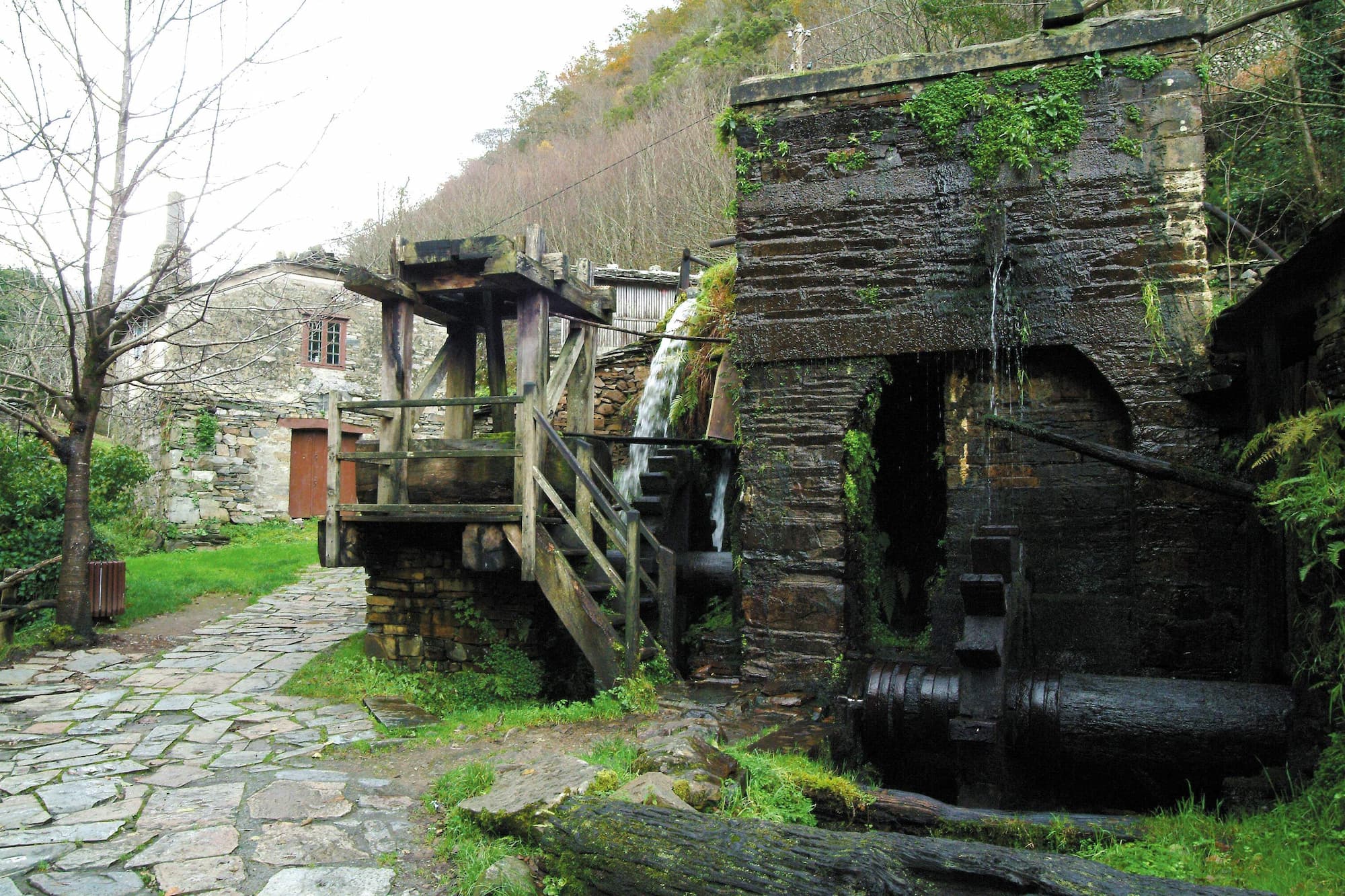
Os Teixois Ethnographic Ensemble
- Taramundi
- Ethnographic set
Os Teixois is one of the most interesting ethnographic sites in Asturias, where we can find several hydraulic devices recovered and available to anyone who wishes to visit them.
-
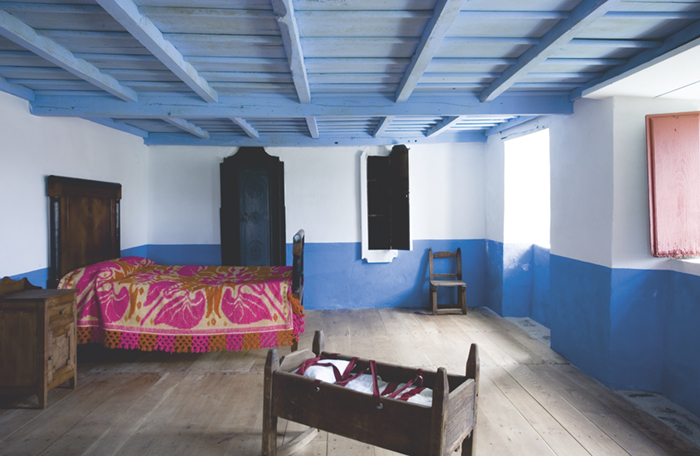
Casa del Marco Interpretation Center “Casa Campesina Museum”.
- San Martín de Oscos
- Museum
In the town of Villarquille (San Martín de Oscos) we find the Casa del Marco, a peasant house with its furniture, tools and implements which shows the way of life of the rural society of the region until the mid-twentieth century.


