


As Carballeiras Green Trail
- Santa Eulalia de Oscos
- Circular route
- 4.5 km
- 1 hour 20 minutes
- Download
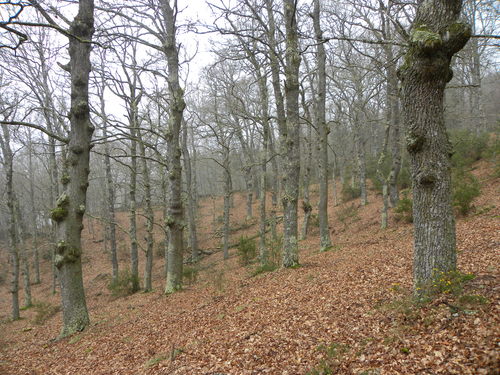
This route starts at the Nature Interpretation Center, in the center of Santa Eulalia de Oscos.
After visiting the center observing the educational material that shows us the richness in flora, fauna and ethnography of the area, we can complement our information with a tour of the path that will help us to identify in a short time the different ecosystems and forests of the region. After a few meters we enter a characteristic mixed deciduous forest in which we find, among other species, oak, chestnut, birch and hazelnut trees. In the upper part of the forest gradually opens up and almost without noticing we are surrounded by scrub (heather, gorse, ferns and broom) that allows us a wide panoramic view overlooking the valley of the river Agüeira, which crosses the municipality in a NW-SE direction and the highest and most humanized areas of the municipality. In the descent to Pumares we pass by several meadows where it will not be difficult to see cows grazing accompanied by their young, meadows watered by the river Agüeira, which also feeds another characteristic type of forest, the riparian, which has a wide wealth and biodiversity formed by species such as alder, ash, willow or hazel. From Pumares we will return by our tracks to the crossroads, where we turn right and return to Santa Eulalia.
Hiking trails
-
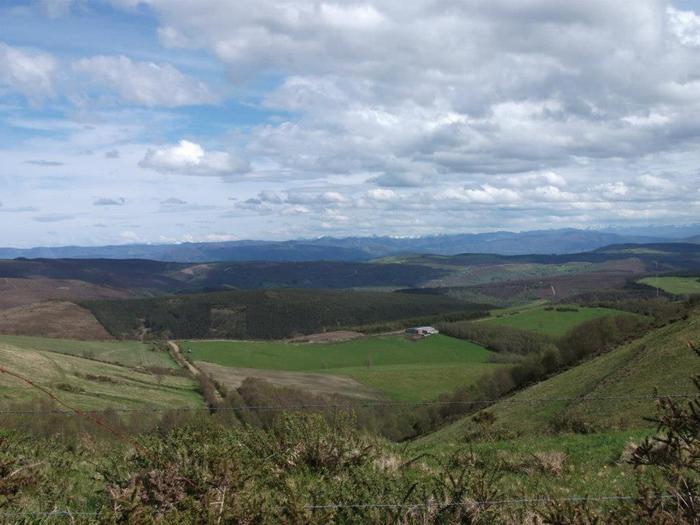
Taramundi – Ouroso – Teixois – Veigas – Taramundi Route
- Taramundi
 29,524 Km
Download the route in PDF and KML and follow the route with your mountain bike or MTB. With different levels of difficulty, duration, slope and length. If you don’t have a bike you can rent one.
-
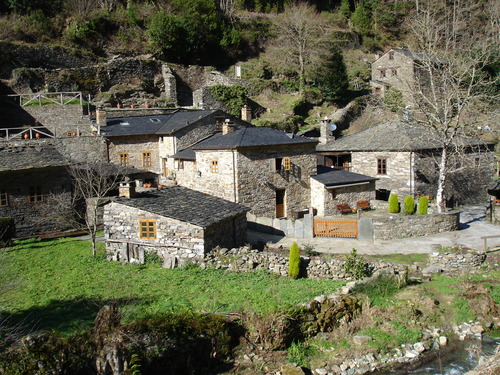
Water Route
- Taramundi
- 14 km
 4 hours and 30 minutes
 Download
Its fourteen kilometers allow us to enjoy the water and its use for centuries in the rural environment. From the lower part of Taramundi we take a road that leads us to Mazonovo, where we can visit the Museum of Mills.
-
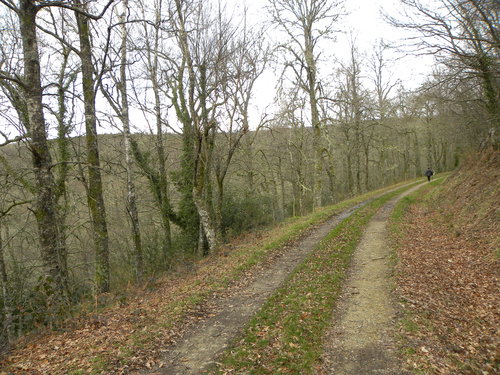
Carbayal de Salgueiras Route
- Villanueva de Oscos
- 7 km
- 2 hours
- Download
The itinerary begins next to the chapel of Salgueiras, located on the AS-27 road, 6 kilometers from Villanueva. Throughout the tour we must observe the environment around us: the houses, their attached buildings, orchards, meadows, farm implements, forests, to understand the way of life of the locals.
-
Teixo – Os Teixois Route
- Taramundi
- 10 km
- 3 hours and 45 minutes
- Media
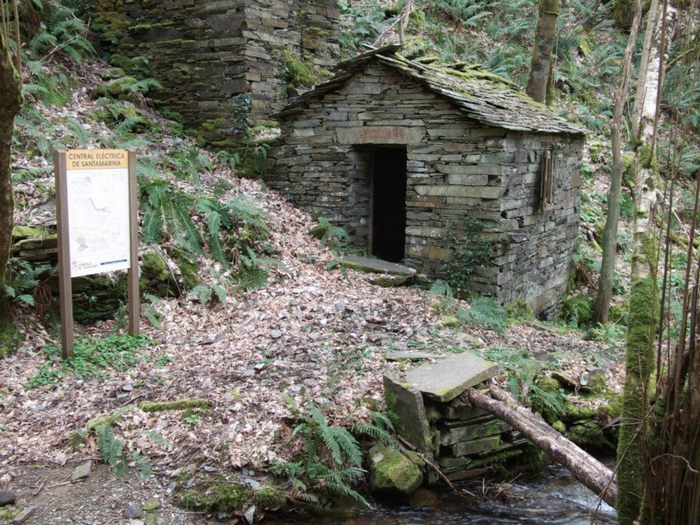
The itinerary begins in Teixo, where after leaving the vehicle and passing the last houses we start an easy walk along the road that connects this town with Santa Marina, leaving it to the right by a wide dirt track that leads us after a slight descent to the Arroyo das Mestas.
-
Ruta Os Cortíos
- Santa Eulalia de Oscos
- 8,47 km
- 4 horas
- Baja
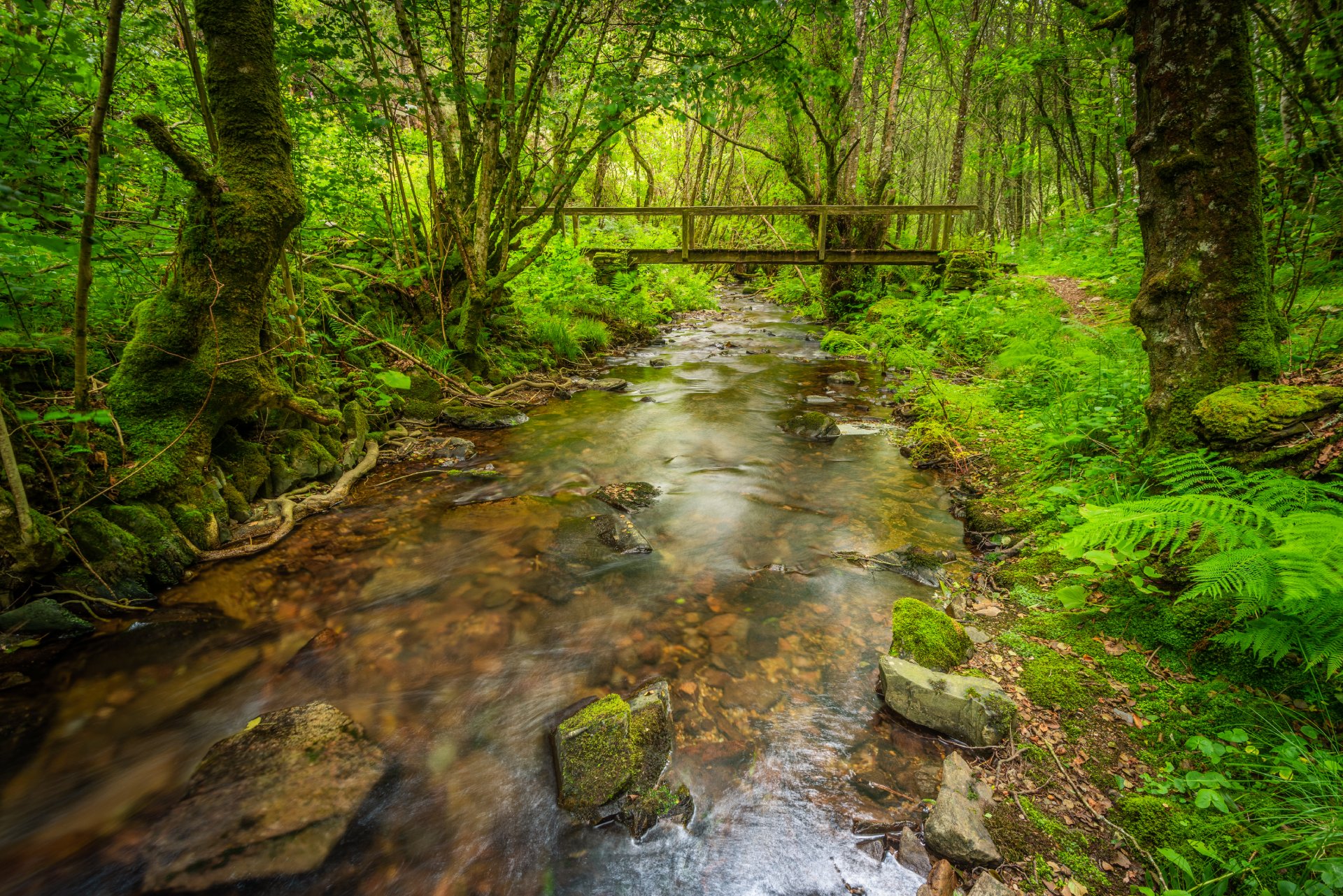
Esta ruta comienza en Barcia (Asturias) donde disponemos de un aparcamiento público para dejar nuestro coche a escasos metros del inicio.
-

Ruta de los Ferreiros
- Taramundi
- 8 Km
- 2h 30m
- Baja
La Ruta de Os Ferreiros es un recorrido circular que invita a descubrir la esencia de Taramundi a través de su paisaje, su historia y sus oficios tradicionales. Un paseo accesible y lleno de encanto, perfecto para disfrutar de la naturaleza y el patrimonio cultural del concejo.


