


Agüeira Green Path
- Villanueva de Oscos
- Circular
- 14 km
- 5 h
- Media
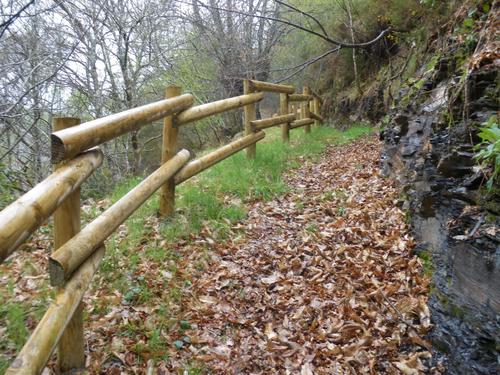
The route is made up of two circular sections starting and ending in the center of Villanueva. The longer one, about 12 km, coincides in part with the forest route.
The itinerary begins near the Town Hall, along a path that leaves the village towards the cemetery of the town, we continue towards the houses of El Río and arrive at Santa Eufemia, where we can make a stop to visit the Ecomuseum of Bread or rest in the recreational area. At this point begins the ascent to El Vale and Pena Grande through a native forest where we will enjoy the shade of birch, oak and holly trees. We continue towards the brañas of Lama, Chao de Bureiros and A Folgueirúa enjoying the magnificent views from the top. We descend the mountainside crossing the streams Morán, Ceilán and Vilanova river. On the verge of reaching the latter we can not fail to delight us with the contemplation of a magnificent cortín that gives us an idea of the importance that since ancient times had in the area the production of honey and wax. In San Mamed we are greeted by a charming wash house that invites us to stop and enjoy the magnificent examples of stone architecture. We cross the road and continue along the mountainside until we reach the village of Pacios, whose splendid architecture also deserves our attention. We continue through the oak grove of Pacios until we reach the road again, we continue along the road to Santa Eufemia and from here along the cemetery road to Villanueva. The short section, about 2 km long, begins next to the monastery of Santa María, ascending to Ovellariza and descending through a native forest towards the Riodepil stream, which we cross over a wooden footbridge, continue towards the Guieiro neighborhood and descend again towards Villanueva.
Hiking trails
-
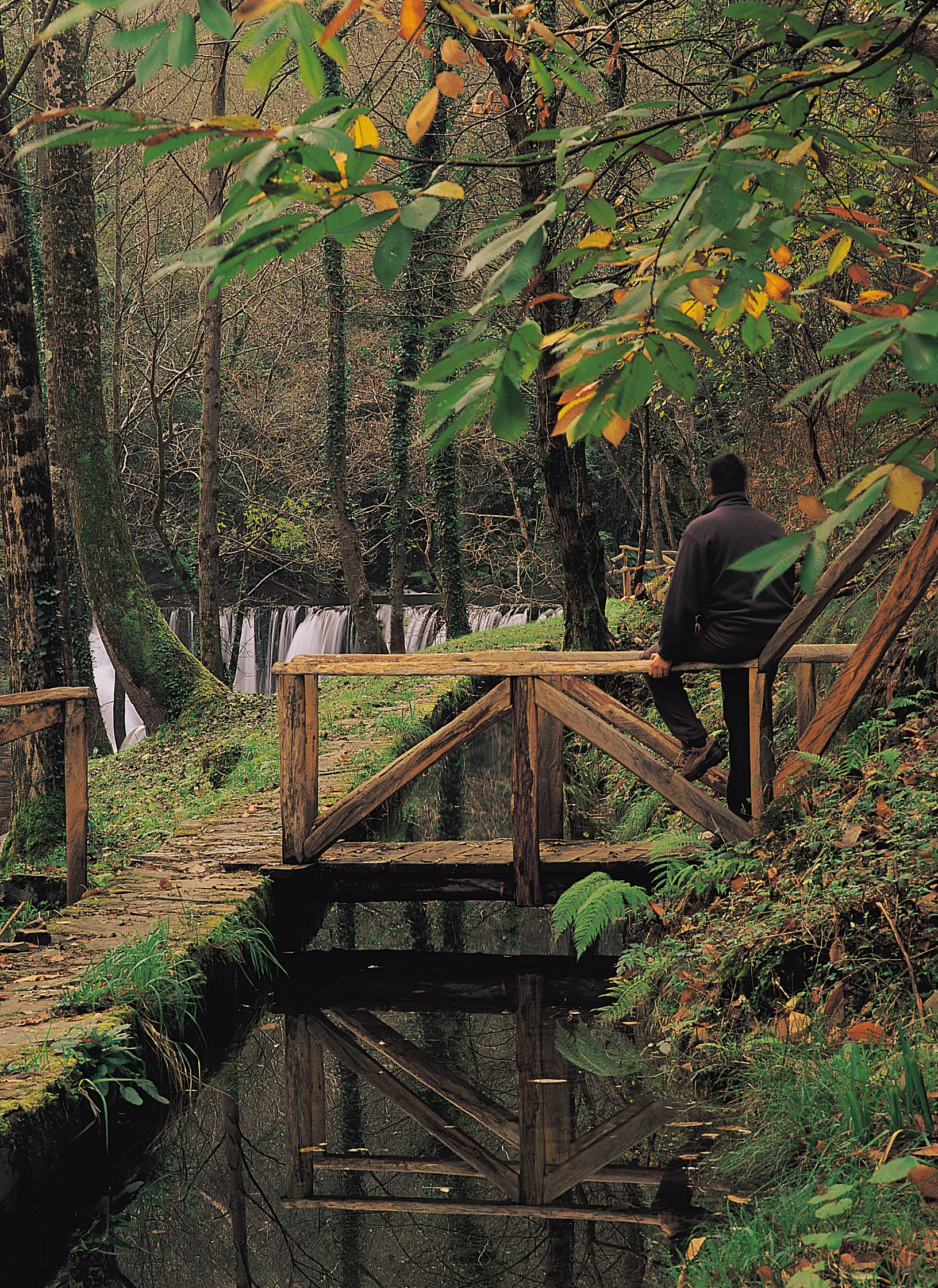
Vegadeo – Vegadeo Route
- Vegadeo
 26,089 Km.
 Download
Download the route in PDF and KML and follow the route with your mountain bike or MTB. With different levels of difficulty, duration, slope and length. If you don’t have a bike you can rent one.
-
A Mina de As Talladas Route
- Santa Eulalia de Oscos
- 12 km
 3 hours and 45 minutes
- High average
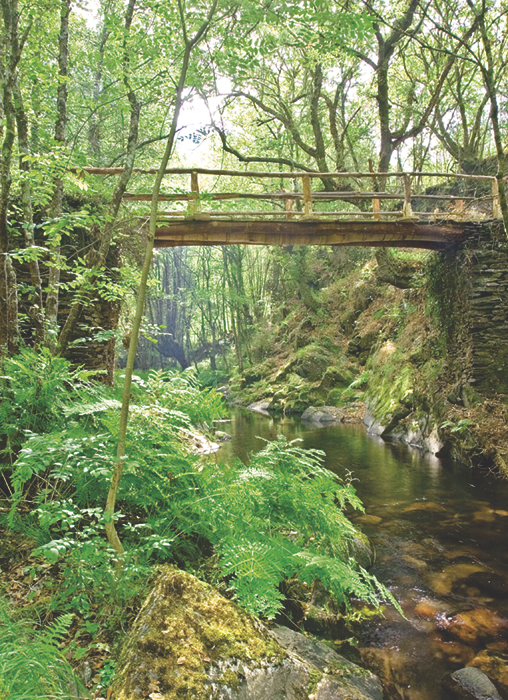
The route starts in the square of Sta. Eulalia de Oscos descending to the lower part of the village and continuing along a beautiful path surrounded by native forest that leads us to Ferreirela de Baxo, a place where it is worth stopping and visiting the Museo Casa Natal del Marqués de Sargadelos.
-
Ouroso Route
- Taramundi
- 7.8 km
- 3 hours
- Download
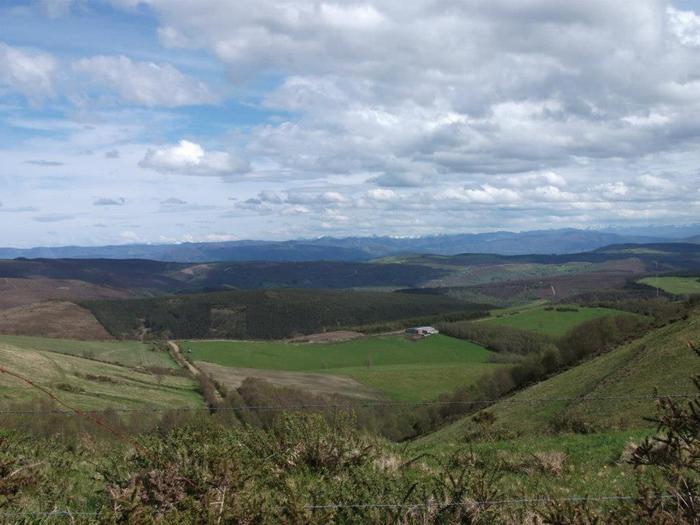
In the Teixo and just behind the hostel starts the forest track along which begins the walk to the Alto de Ouroso. The path is wide and passable by all-terrain vehicles, so there is hardly any possibility of getting lost. The route runs comfortably between wide pastures, heaths and pine forests of repopulation to reach a landing on which there is a small lagoon where at mid-morning many horses come to this point to water and refresh themselves in the shade of the pines. The animals graze in a semi-wild state and require little attention from their owners, which is why the number of horses has increased considerably in recent years.
-
Ruta de Eiroá
- Taramundi
- 13 km
- 3h 50m
- Baja
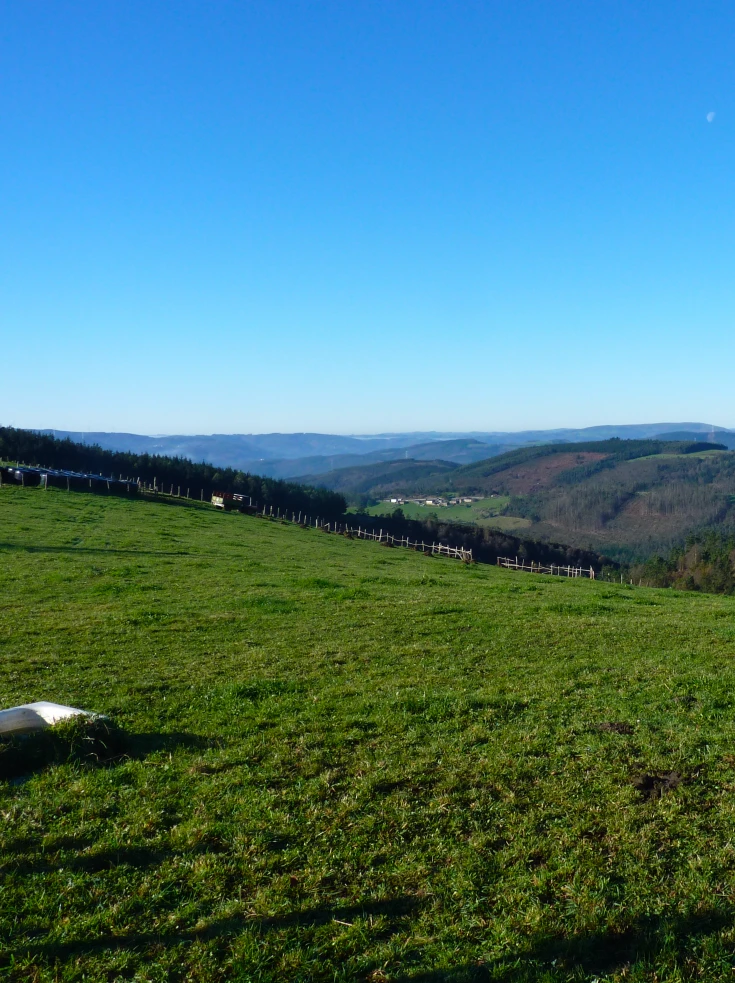
Esta ruta circular recorre buena parte del valle del río Cabreira, combinando caminos de montaña en la ida y de fondo de valle en la vuelta. Se inicia junto al hotel La Rectoral, tomando el camino que asciende entre el arbolado hacia la Sierra de Eiroá. Sin llegar a alcanzar su cumbre nos desviamos hacia el pueblo de Piñeiro, para llegar a él en suave descenso y disfrutar de su arquitectura tradicional y cabazos alzados al cielo.
-
Ruta Os Cortíos
- Santa Eulalia de Oscos
- 8,47 km
- 4 horas
- Baja
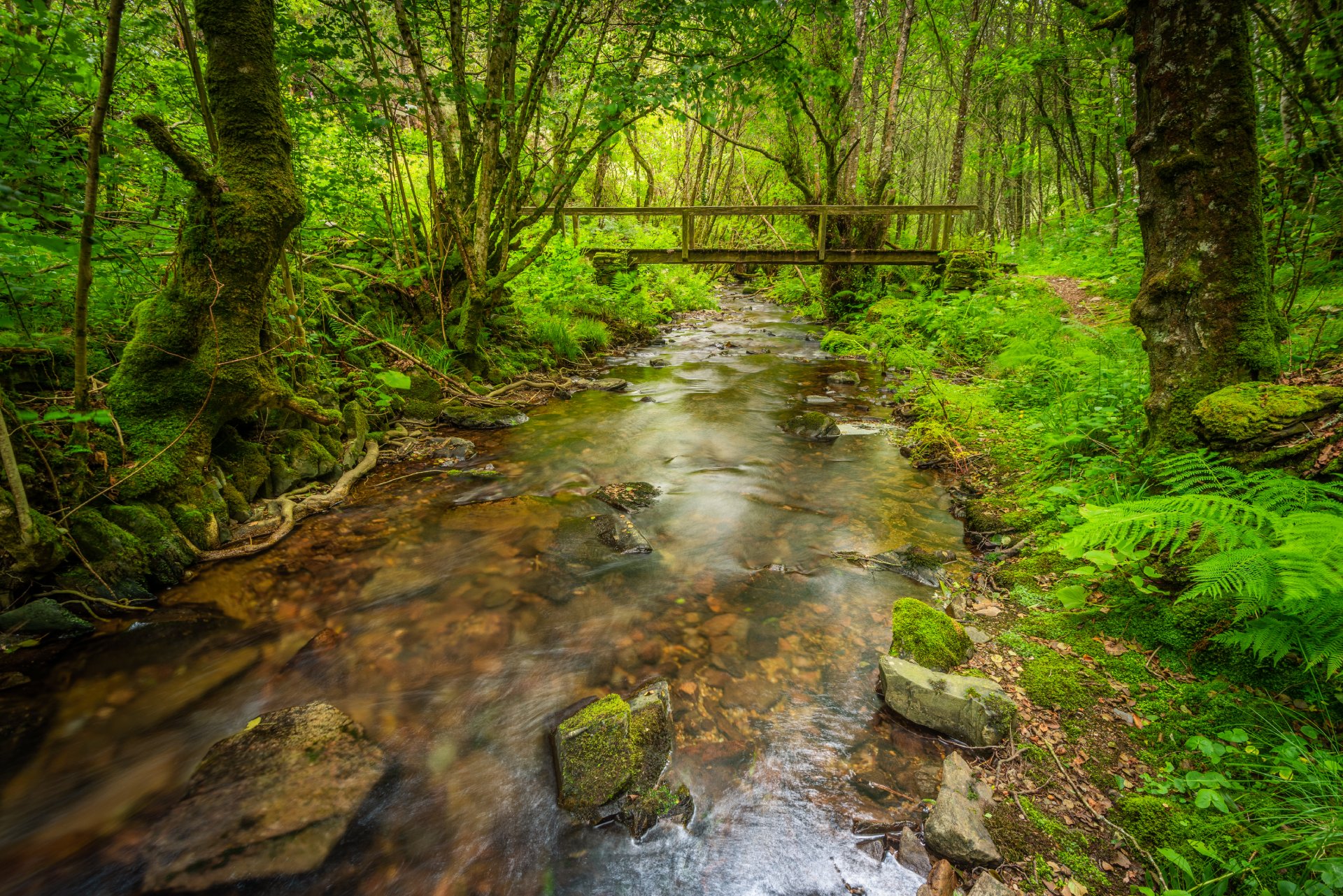
Esta ruta comienza en Barcia (Asturias) donde disponemos de un aparcamiento público para dejar nuestro coche a escasos metros del inicio.
-
Taramundi – Ouroso – Teixois – Veigas – Taramundi Route
- Taramundi
- 29,524 Km
Download the route in PDF and KML and follow the route with your mountain bike or MTB. With different levels of difficulty, duration, slope and length. If you don’t have a bike you can rent one.


