


- Home
- What to visit?
- Eo Leche Artisan Cheese Factory
Eo Leche Artisan Cheese Factory
- Taramundi
The Eo Leche Taramundi cheese factory is located in the Parque de Empresas Artesanas, about 400 meters from the center of the town of Taramundi.
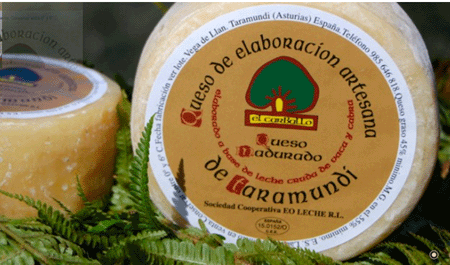
The cheese factory is one of the artisan agri-food companies with the greatest projection in the market and in its facilities visitors can learn, first hand, the entire cheese manufacturing process.
It also offers those who come to visit it the possibility of acquiring on site all the varieties of cheese it produces (mature, ripened, aerated, blue, goat, and walnut and hazelnut) and other products, such as cottage cheese.
Basic information
- 985 646 818
- 608 18 99 61
- See website
- Parque de empresas artesanas de Taramundi 33775 - Pardiñas (Taramundi)
Schedule
All year round:
from Monday to Friday from 9:00-17:00 h.
July and August:
from Monday to Friday from 9:00-20:00 h. and Saturdays from 11:00 to 14:00 h.
Groups can be attended on any date by appointment.
What to see?
-
Ethnographic Museum of Esquíos
- Taramundi
- Museum
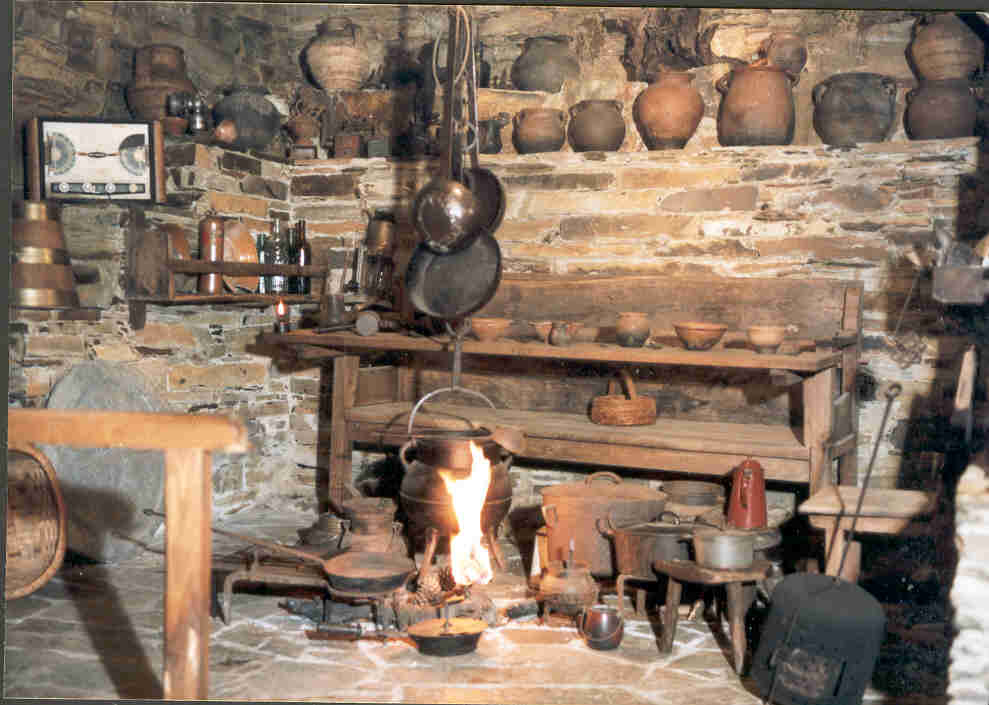
Esquíos is a village in the council of Taramundi inhabited for centuries by families of ferreiros, the Lombardía family, who emigrated from Italy to the Basque Country and later to Asturias.
-
Marquis of Sargadelos Birthplace Museum
- Santa Eulalia de Oscos
- Museum
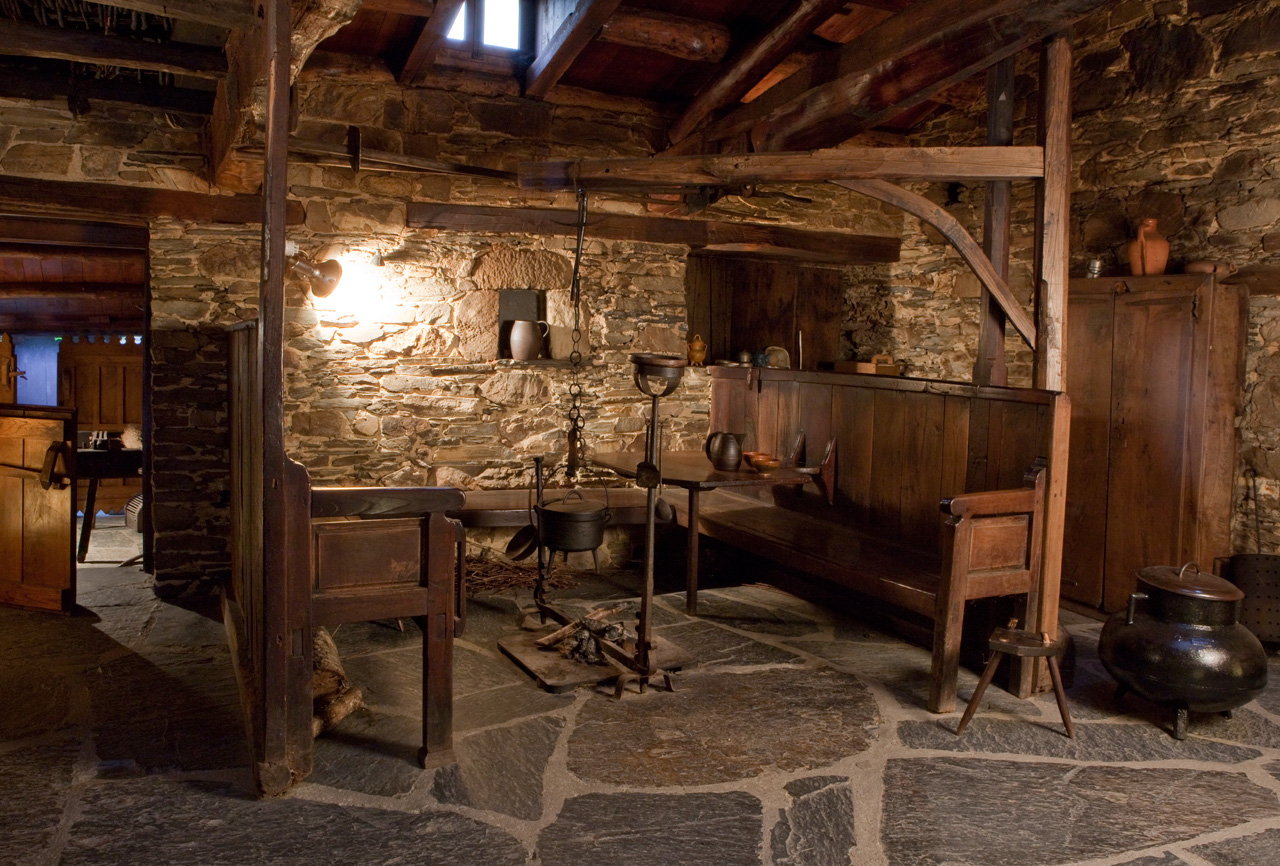
The house where Antonio Raimundo Ibáñez, Marquis of Sargadelos (1749-1809) was born is now an exhibition space dedicated to the life and work of this industrial and enlightened merchant, who in the late 18th century built in Sargadelos (Cervo, Lugo) one of the first cast-iron foundry and earthenware factories in Spain.
-
Monastery of Santa Maria
- Villanueva de Oscos
- Heritage
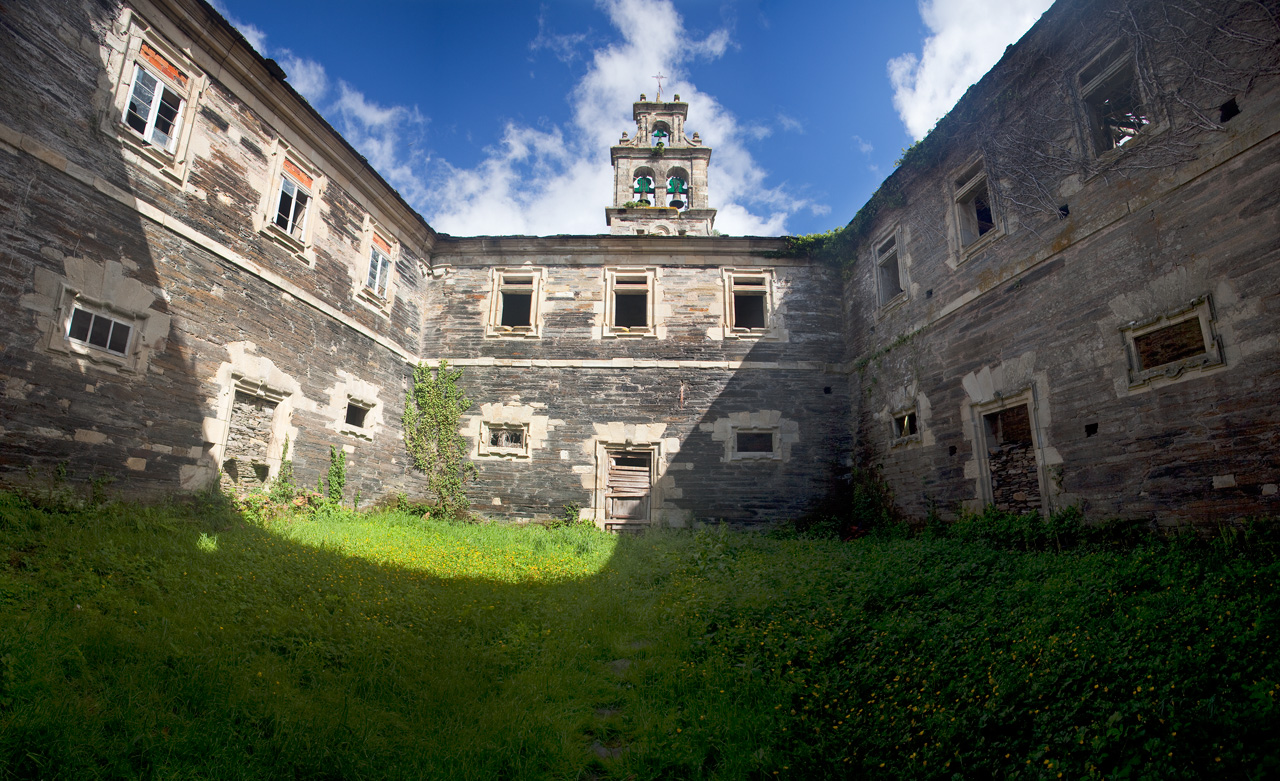
The history of Villanueva de Oscos is closely linked to the Monastery of Santa María, at the entrance of the capital of the council. This Monastery, considered one of the great jewels of Asturian heritage and classified as a Historic-Artistic Monument, was born Romanesque and grew Baroque.
-
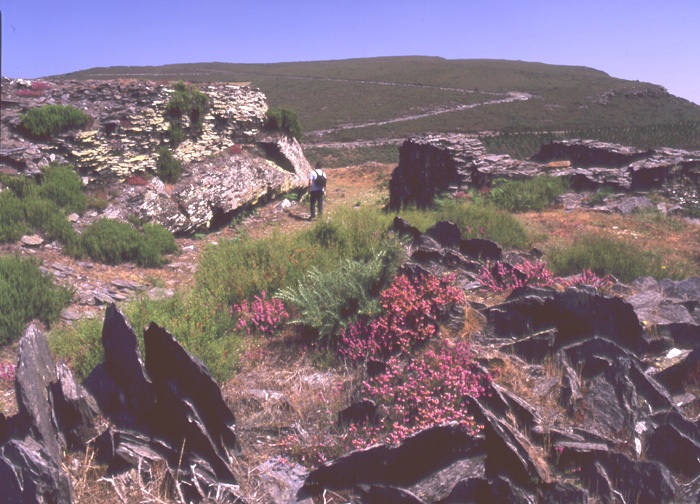
Los Castros
- San Martín de Oscos
- Heritage
The castros are population centers of an eminently strategic and defensive nature. They are found throughout the northwest of the peninsula (castreña culture). These settlements arise in the transition from the Bronze Age to the Iron Age, reaching its peak during the Second Iron Age.
-
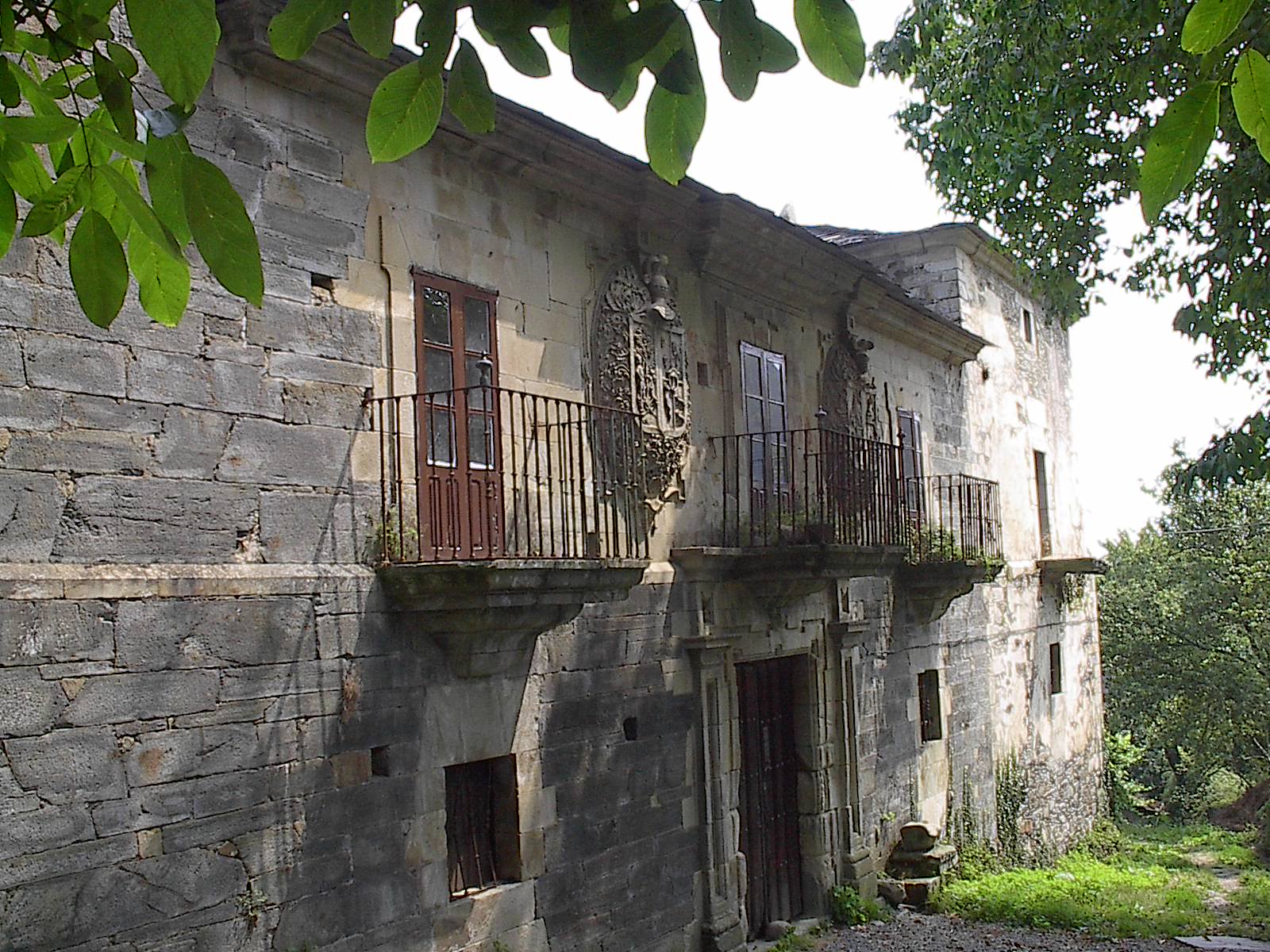
Mon Palace
- San Martín de Oscos
- Heritage
Among the artistic heritage of San Martín de Oscos it is worth mentioning the legendary and majestic Palacio de Mon. Conditioned by the sloping terrain, its main facade faces south while its foundations adapt to the slope, fitting into the west bay below ground level while developing height to the east.
-
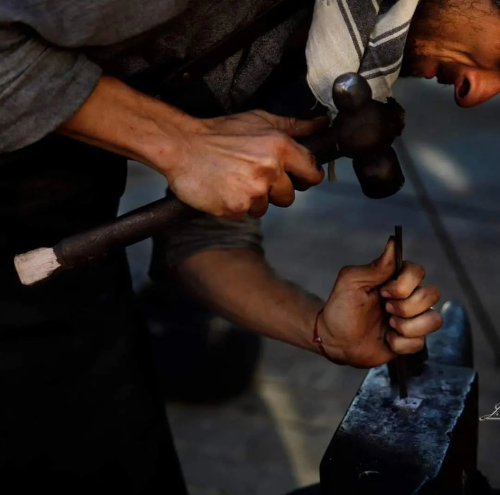
Ferrería de Santa Eufemia
- Villanueva de Oscos
- Ethnographic set


