

- Home
- What to visit?
- Viduedo Farmhouse
Viduedo Farmhouse
- Santa Eulalia de Oscos
- Organic livestock farming
The Viduedo farm is a certified organic livestock farm located in the village of As Poceiras, where the animals are raised in direct contact with the environment, feeding all year round on natural pastures, which is a guarantee of health and quality.
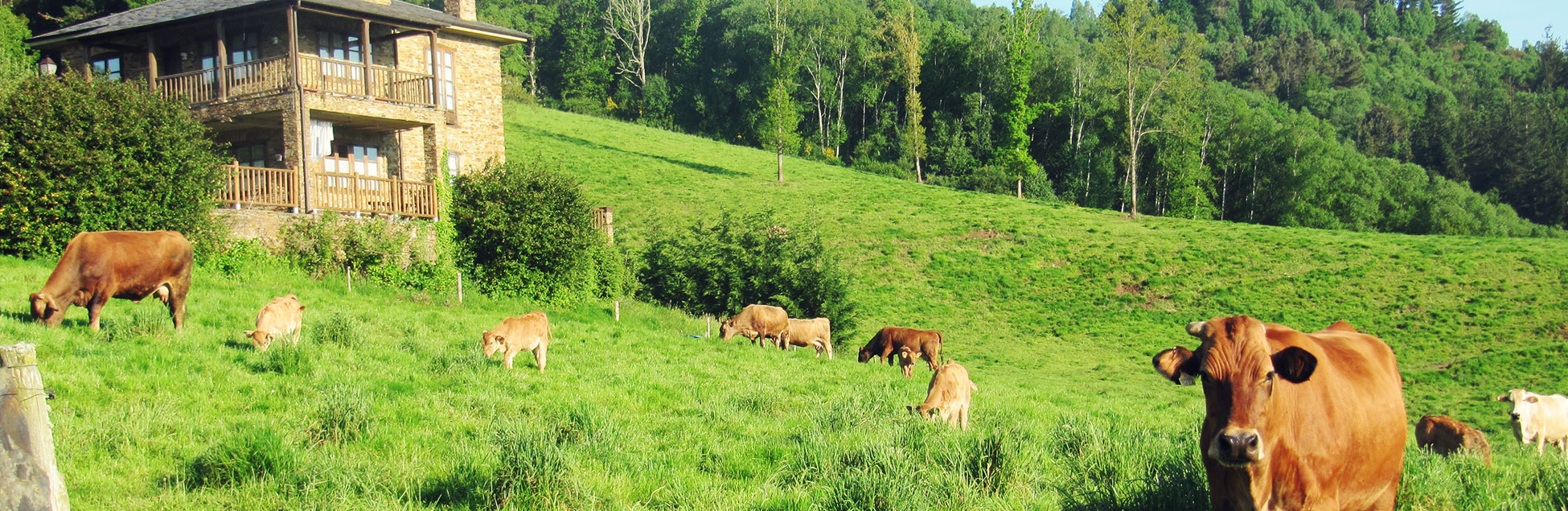
Its owners invite you to visit their farmhouse and see all their animals through a circular route signposted, about an hour.
The circuit takes place around a large farm that is divided into different plots with different native Asturian breeds.
Among the different animals that can be seen are the following: Asturian cows of the valleys, ovellas xalda, hens pita pinta, roosters, horses asturcones, goat bermella, gochu asturcelta, geese, dogs, cats…
It is ideal for families, very safe and educational.
Basic information
- 985 626 143
- 686 416 050
- See website
- As Poceiras, s/n - Santa Eulalia de Oscos
Schedule
Available daily.
By appointment only.
Prices
Free
What to see?
-
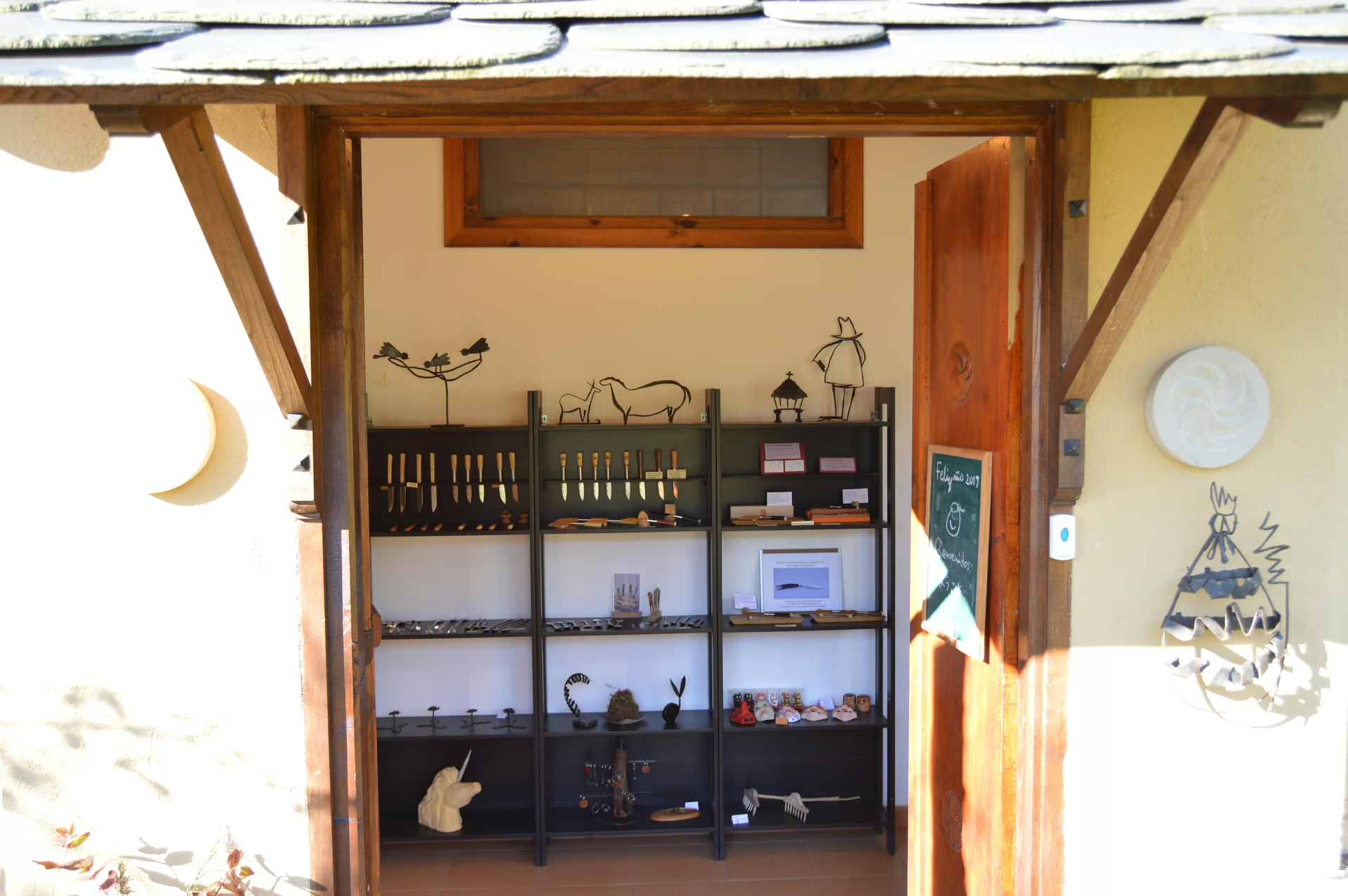
Hiottoko artistic forge and cutlery workshop-shop
- Santa Eulalia de Oscos
- Craft
Traditionally, in Santa Eulalia de Oscos, knives have been made for more than a century. Nowadays Jorge (knifemaker) and Keiko (metal craftswoman) maintain this tradition developing this ancient craft to which they add part of the Japanese ancestral wisdom.
-

Mina do Salgueiro
- San Tirso de Abres
- Mines
-
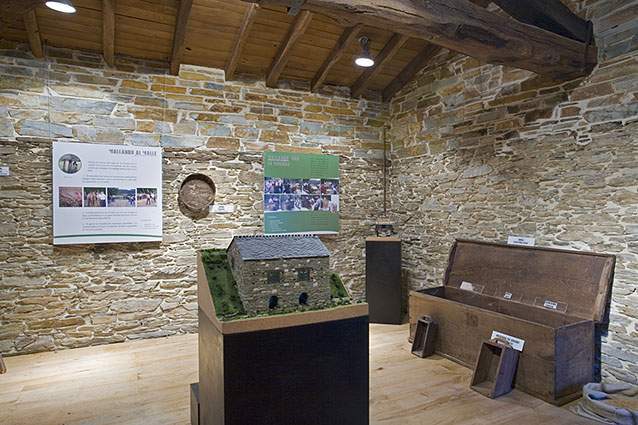
Ecomuseum of Bread
- Villanueva de Oscos
- Museum
The Ecomuseum shows us the complete cycle of bread making, from sowing the cereal to baking, harvesting, milling and kneading.
-
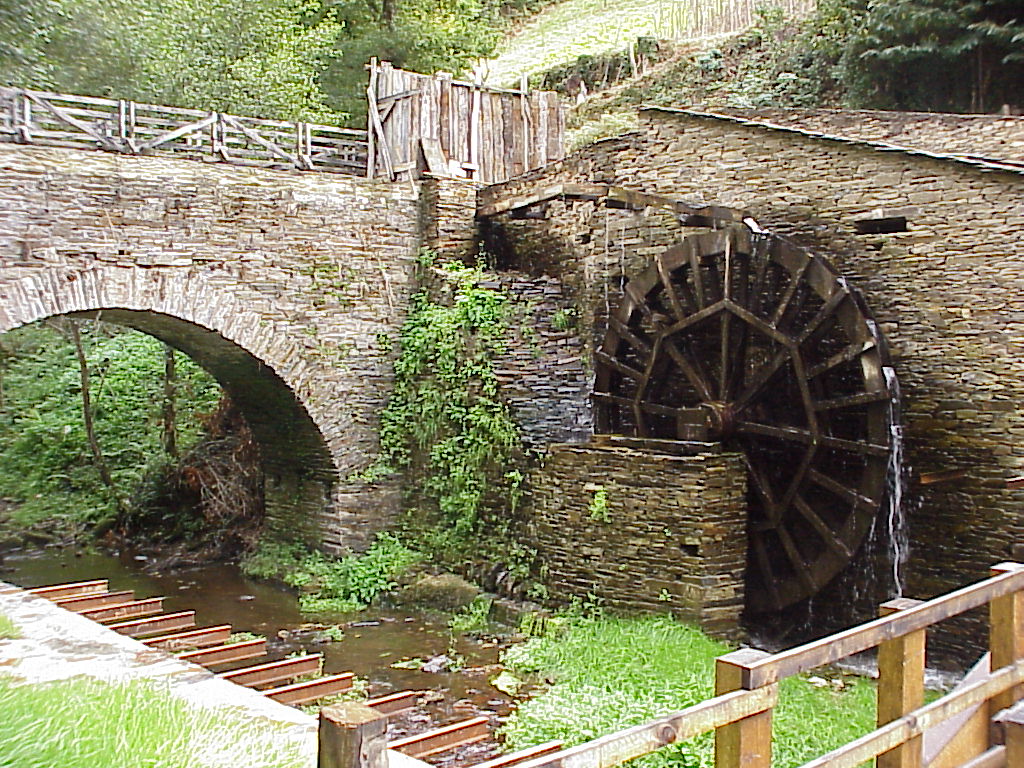
Interactive Museum of the Mills in Mazonovo
- Taramundi
- Museum
This museum was created to show the great variety of hydraulic and hand-operated mills that were used throughout history and in different parts of the world to grind cereals.
-

Carnaval de Verano
- San Tirso de Abres
- Fiestas y Eventos
-
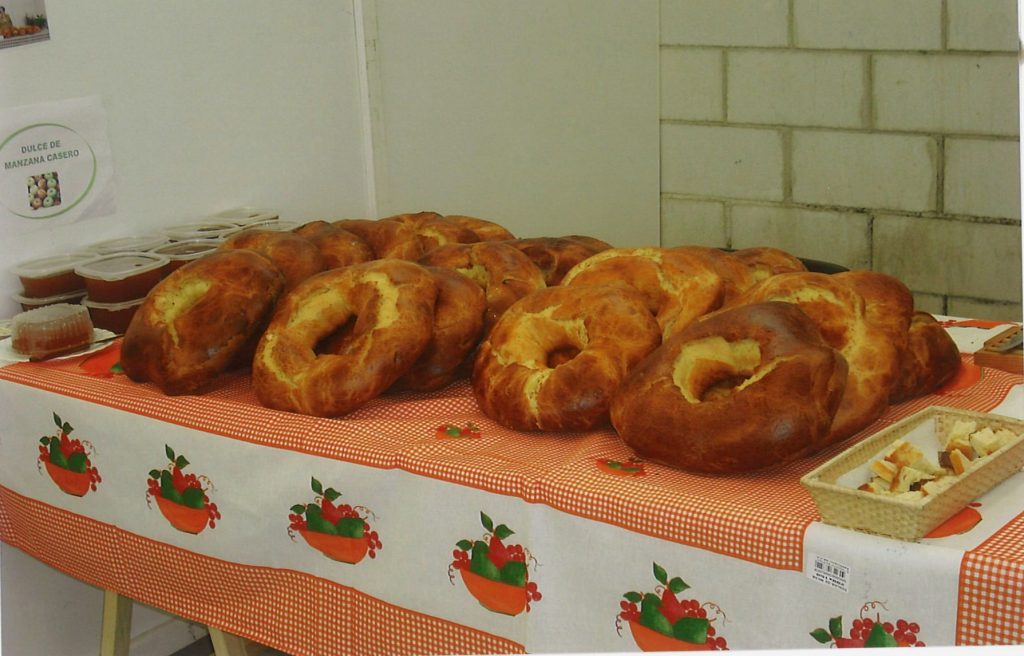
Feria de las Roscas de Semana Santa
- San Tirso de Abres
- Fiestas y Eventos


