


- Home
- What to visit?
- Bres Water House
Bres Water House
- Taramundi
- Museum
The Casa del Agua de Bres, Taramundi, was created with the aim of making known the relationship between cultures and the dynamics of water throughout history. In this installation water is conceived, on the one hand, as a living substance capable of developing a force that men have been using throughout history to perform tasks that require power and routine work.
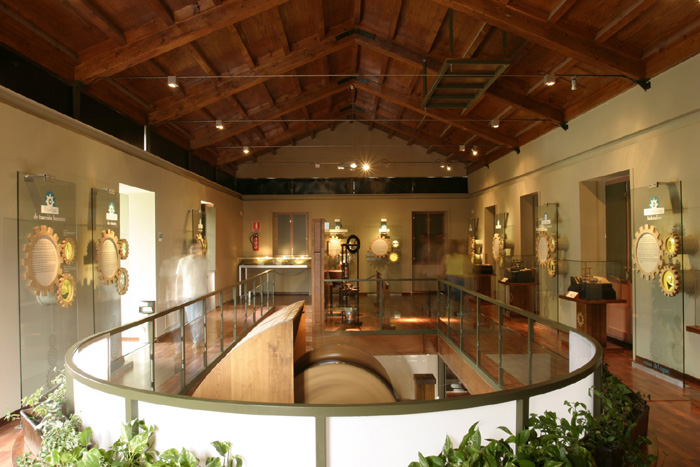
On the other hand, water is understood as a raw material, either flowing or stored in aquifers from which it is extracted for direct consumption or for irrigation of farmland.
The hydraulic devices presented in the Casa del Agua are not necessarily linked to the geographical space of Asturias. The exhibition argument aims to bring visitors to the installation to the historical and geographical origins of these devices and stimulate reflection on ways of dissemination, and therefore the contact between cultures and civilizations.
The exhibition of the Casa del Agua is organized in two sections dedicated to water as a driving force and water as a raw material. Watermills with vertical or horizontal wheels, saws, light factories, wells for water extraction, waterwheels for irrigation… even the use of water to measure time with the clocks already used by the ancient Egyptians or those built in the 17th century with more complex and accurate mechanisms.
The central space of the Casa del Agua is occupied by a full-scale device that is conceived as a continuous motion machine made up of simpler motor and elevator devices. In this way it is possible to explain the two fundamental types of hydraulic devices, the motors and the elevators, in a closed circuit of constantly circulating water.
There are thus two thematic units linked by the fundamental and common element: water.
Basic information
- 629 854 259
- 985 301 541
- See website
- Bres - Taramundi
Schedule
Holy Week:
from 11:00-14:00 / 16:00 – 20:00 h.
June:
Saturdays from 11:00 – 14:00 h. / 16:00 – 20:00 h. Sundays from 11:00 – 14:00 h. / 16:00 – 18:00 h.
From July 1st to September 17th:
from Monday to Sunday from 11:00-14:00 / 16:00 – 20:00 h.
From September 16th to October 13th:
Saturdays from 11:00 – 14:00 h. / 16:00 – 20:00 h. Sundays from 11:00 – 14:00 h. / 16:00 – 18:00 h.
From November 1 to November 3:
from 11:00-14:00 / 16:00 – 18:00 h.
From December 5 to 9:
from 11:00 to 17:00 h.
For groups (+10 people)
By appointment, visit any time of the year.
What to see?
-
Cabazos
- San Tirso de Abres
- Heritage
-
Interpretation Center of Fishing in the Eo River
- San Tirso de Abres
- Interpretation center
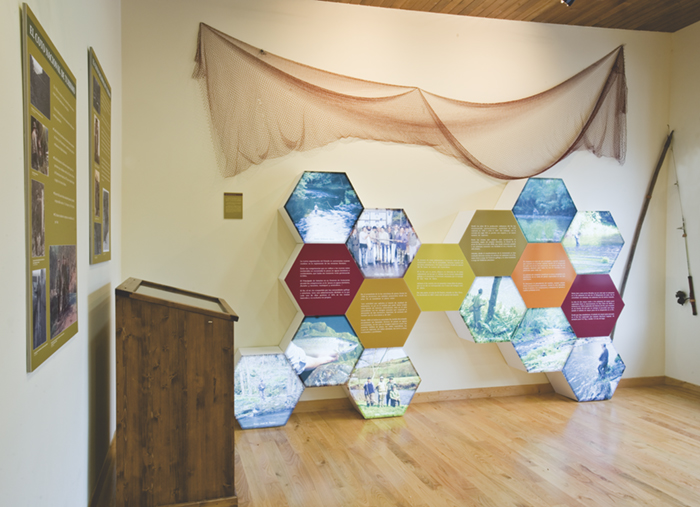
Through different media (audiovisual, photographic and computer) we can learn about the Eo River, the different species that inhabit it or the relationship of man with the river; how humans have taken advantage of the wealth offered by its waters and, above all, the importance that fishing has had in the area.
-
Feria de las Roscas de Semana Santa
- San Tirso de Abres
- Fiestas y Eventos
-
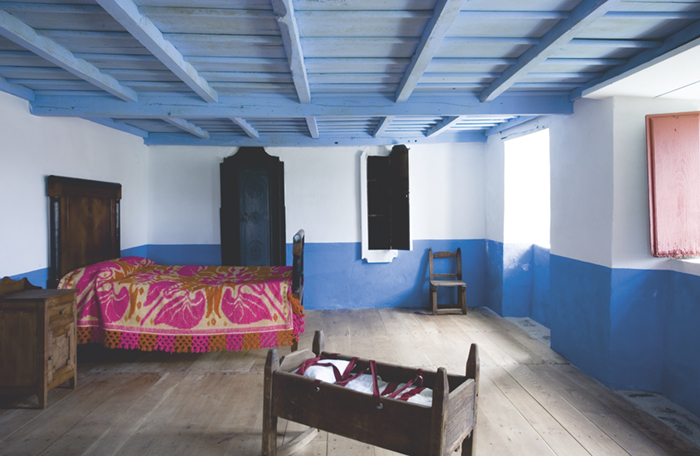
Casa del Marco Interpretation Center “Casa Campesina Museum”.
- San Martín de Oscos
- Museum
In the town of Villarquille (San Martín de Oscos) we find the Casa del Marco, a peasant house with its furniture, tools and implements which shows the way of life of the rural society of the region until the mid-twentieth century.
-
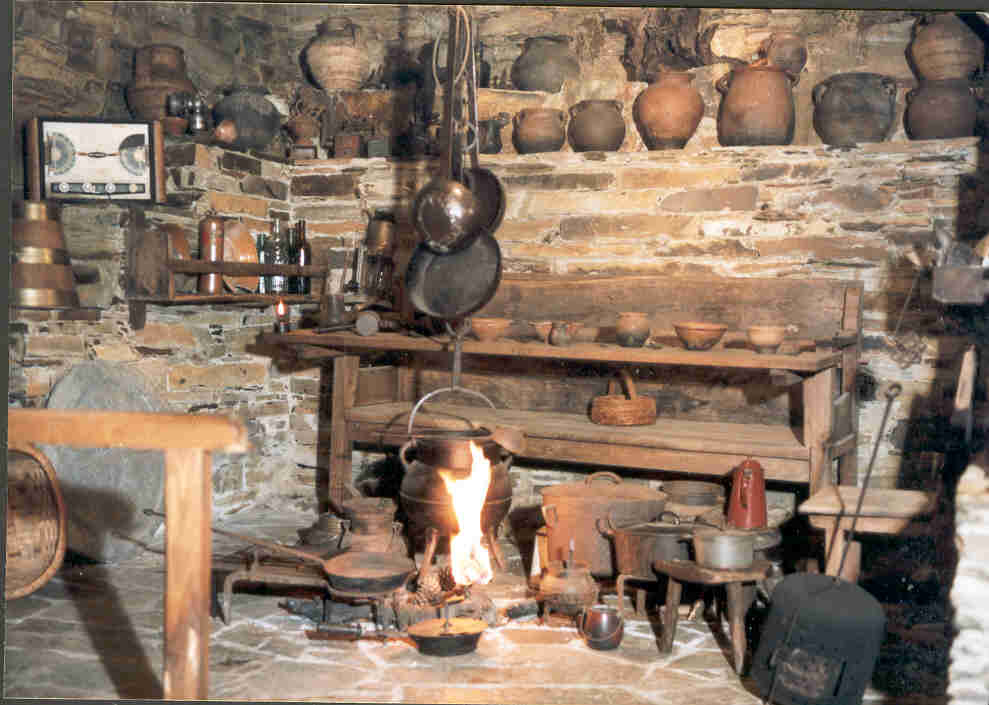
Ethnographic Museum of Esquíos
- Taramundi
- Museum
Esquíos is a village in the council of Taramundi inhabited for centuries by families of ferreiros, the Lombardía family, who emigrated from Italy to the Basque Country and later to Asturias.
-
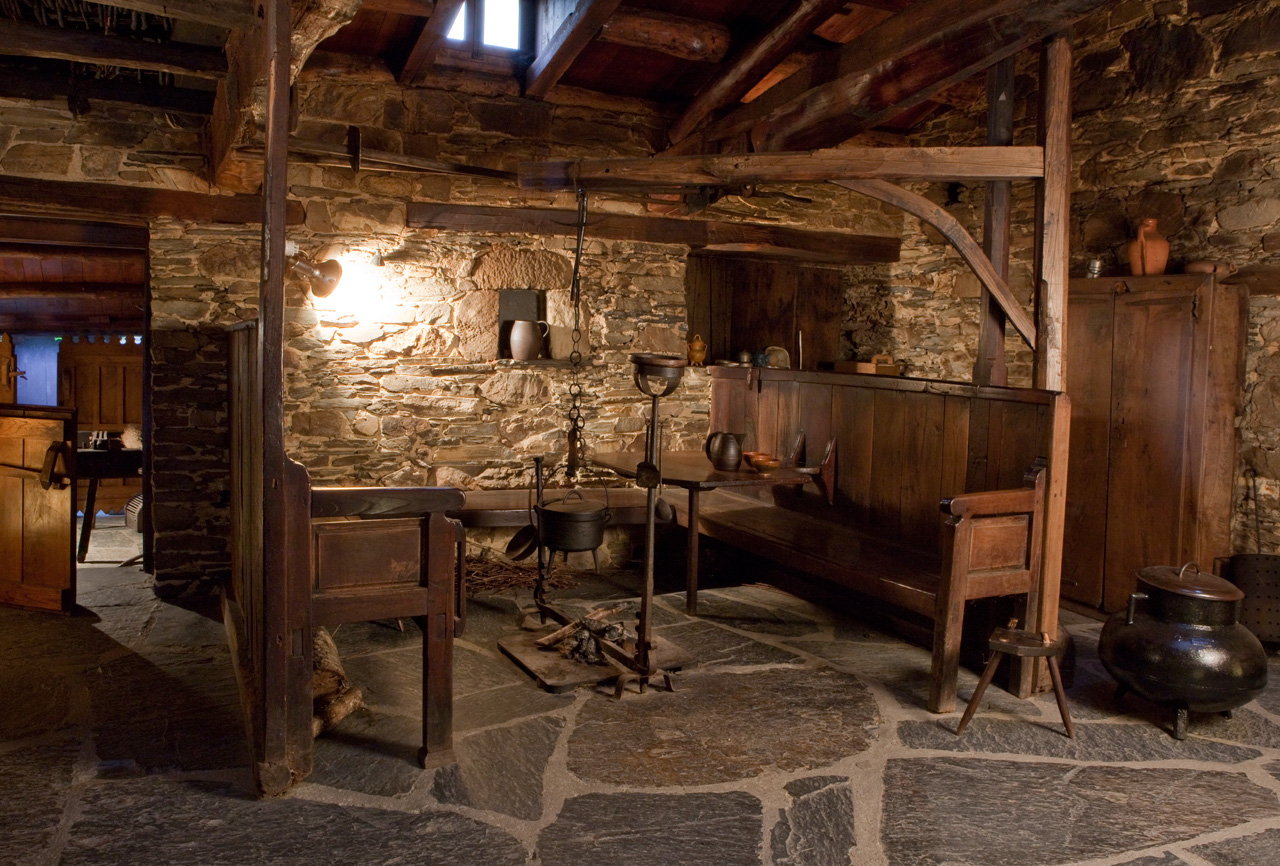
Marquis of Sargadelos Birthplace Museum
- Santa Eulalia de Oscos
- Museum
The house where Antonio Raimundo Ibáñez, Marquis of Sargadelos (1749-1809) was born is now an exhibition space dedicated to the life and work of this industrial and enlightened merchant, who in the late 18th century built in Sargadelos (Cervo, Lugo) one of the first cast-iron foundry and earthenware factories in Spain.


