


- Home
- What to visit?
- Bres Craft Center
Bres Craft Center
- Taramundi
- Craft
The Bres Craft Center is located in the old Casona de Villanueva, in the center of Bres, 5 kilometers from the capital of the council. This center was conceived as a facility to facilitate the knowledge and enhancement of craft activities, both new and traditional of the region.
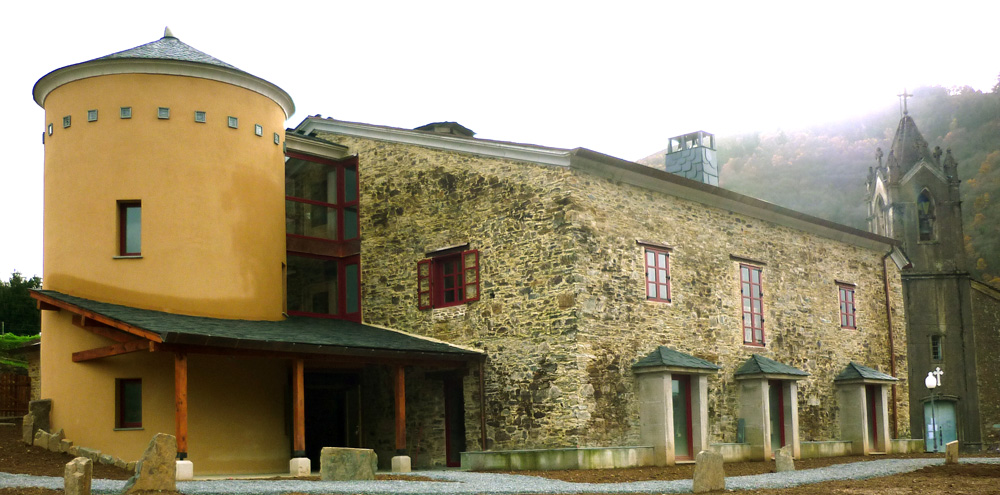
The Center has three distinct areas: workshop area, exhibition and sales area, and training classroom. This provides a suitable place for artisans to work and an environment where visitors can learn first-hand about the manufacturing processes of the different crafts installed there. It is also intended that this space will serve as a forum for dialogue, training and exchange of knowledge among professionals in the sector.
The Center opened its doors to the public in July 2013 and currently has a craftswoman: Inés Barcia (loom).
Basic information
- 671 302 320
- inesquilts@hotmail.com
- Bres, s/n - Taramundi
Schedule
From March to June:
Saturdays and Sundays from 11:00 – 14:00 h. / 16:00 to 20:00 h.
Easter Week:
from April 13 to 21, open daily from 11:00 – 14:00 h. / 16:00 to 20:00 h.
July and August:
from Wednesday to Sunday from 11:00 – 14:00 h. / 16:00 to 20:00 h.
September and until December 15:
Saturday and Sunday from 11:00 – 14:00 / 16:00 – 20:00 h.
Visits throughout the year by appointment.
Prices
Free
What to see?
-
Bres Water House
- Taramundi
- Museum
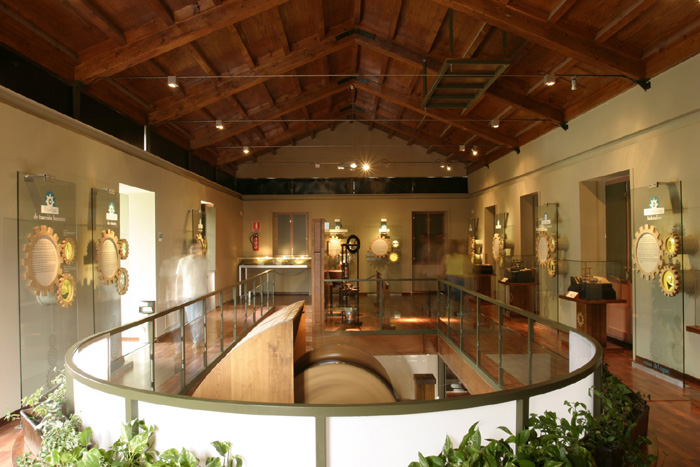
The Casa del Agua de Bres, Taramundi, was created with the aim of making known the relationship between cultures and the dynamics of water throughout history. In this installation water is conceived, on the one hand, as a living substance capable of developing a force that men have been using throughout history to perform tasks that require power and routine work.
-
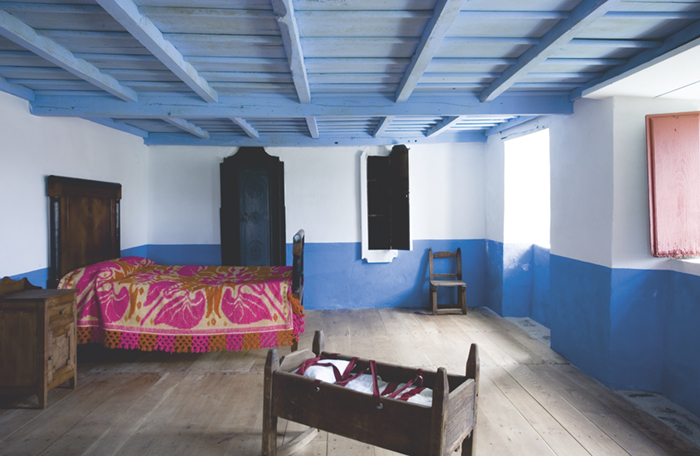
Casa del Marco Interpretation Center “Casa Campesina Museum”.
- San Martín de Oscos
- Museum
In the town of Villarquille (San Martín de Oscos) we find the Casa del Marco, a peasant house with its furniture, tools and implements which shows the way of life of the rural society of the region until the mid-twentieth century.
-
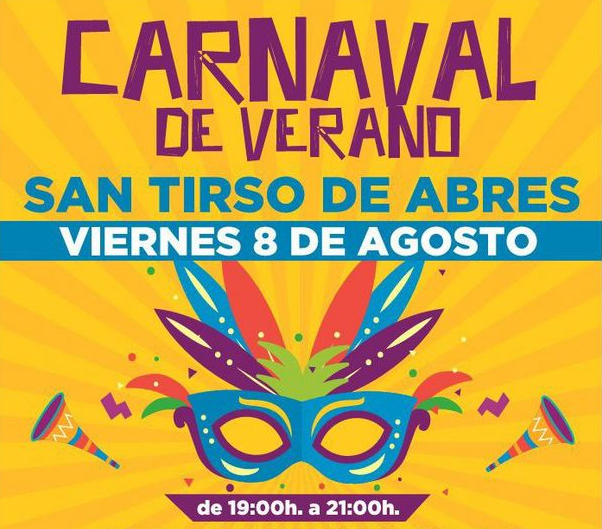
Carnaval de Verano
- San Tirso de Abres
- Fiestas y Eventos
-
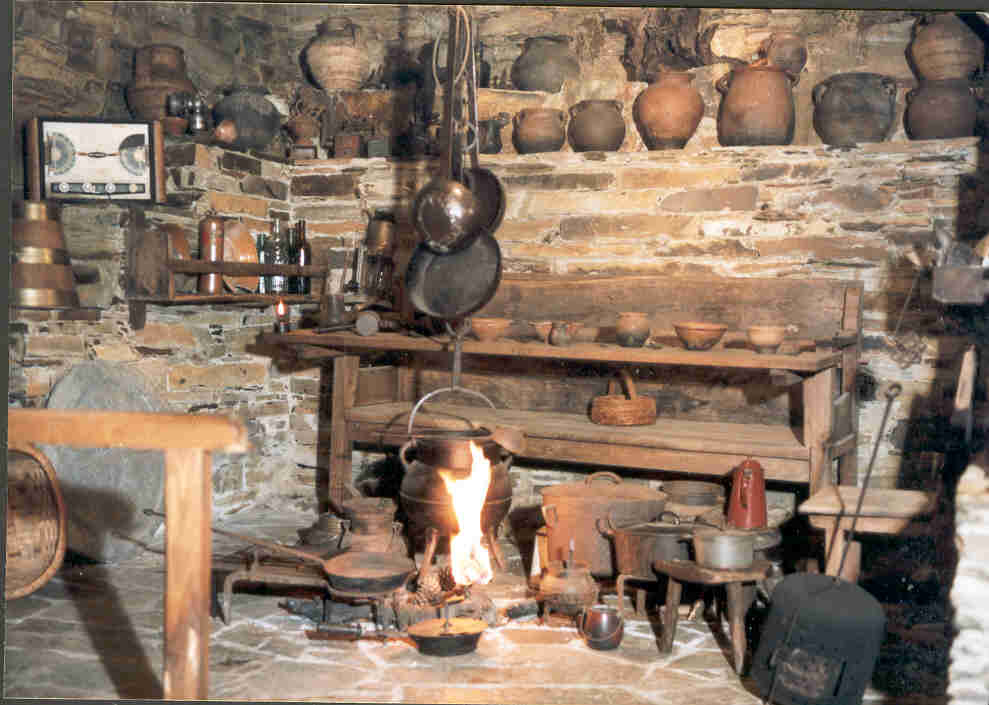
Ethnographic Museum of Esquíos
- Taramundi
- Museum
Esquíos is a village in the council of Taramundi inhabited for centuries by families of ferreiros, the Lombardía family, who emigrated from Italy to the Basque Country and later to Asturias.
-
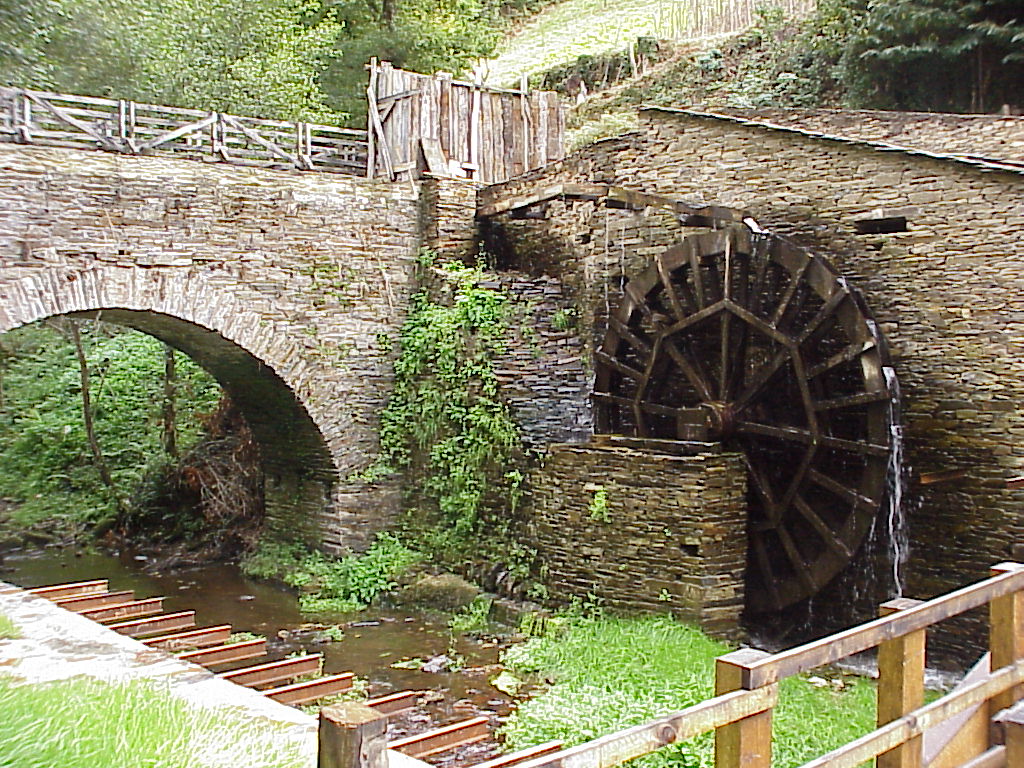
Interactive Museum of the Mills in Mazonovo
- Taramundi
- Museum
This museum was created to show the great variety of hydraulic and hand-operated mills that were used throughout history and in different parts of the world to grind cereals.
-
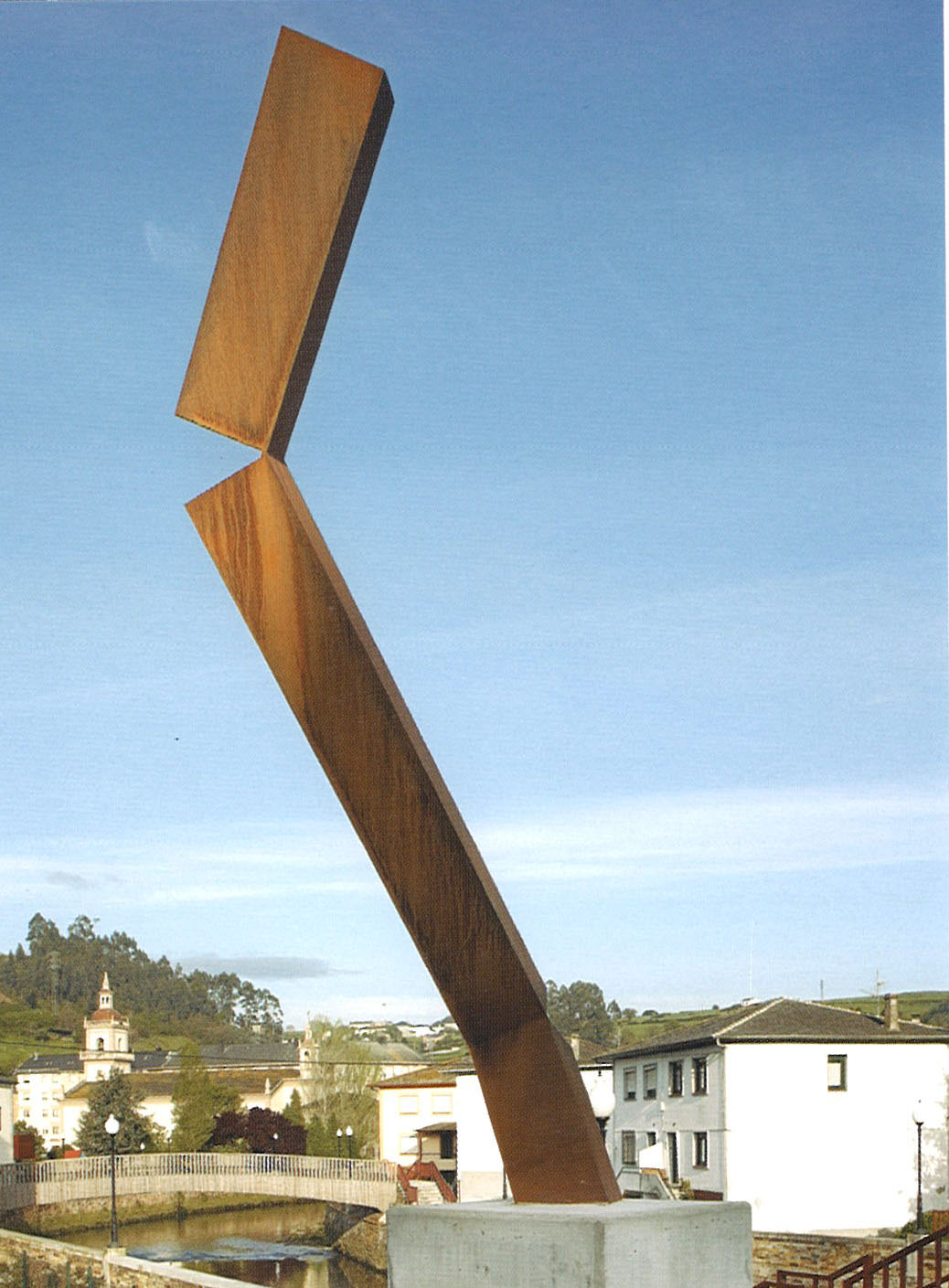
Contemporary art sculptures and sculptures by César Montaña (Vegadeo)
- Vegadeo
- Sculpture
The town of Vegadeo has the peculiarity of being crossed by two rivers: the Monjardín and the Suarón, which have twelve bridges that cross them (six each). Taking advantage of this circumstance, the idea was that visitors to Vegadeo could get to know the town center by crossing these bridges, and enriching the visit with a sculpture on each of them.


