


- Home
- What to visit?
- Cabazos
Cabazos
- San Tirso de Abres
- Heritage
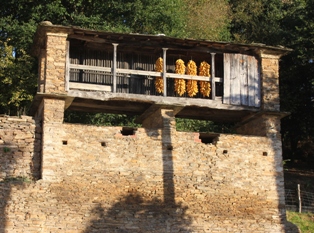
Los Cabozos (Cabazos) son los horreos de la parte más occidental de Asturias. Es una construcción anexa a la vivenda donde se madura el grano (trigo y maiz) o se curan los productos de la matanza. Están realizados en madera y piedra, de planta rectangular y sostenidos en los laterales por dos muros de piedra. En el Concejo hay dos tipos de Cabozos:
El Cabozo tipo Mondoñedo: de un solo piso y cerradas las fachadas en madera. Es el más habitual.
El Cabozo tipo Ribadeo: de dos o tres pisos y cerrado en manpostería con ventanas en alguno de sus laterales.
En el Concejo hay 156 Cabozos de los que solo 3 son de tipo Ribadeo.
What to see?
-
Escala de Salmones
- San Tirso de Abres
-
Mon Palace
- San Martín de Oscos
- Heritage
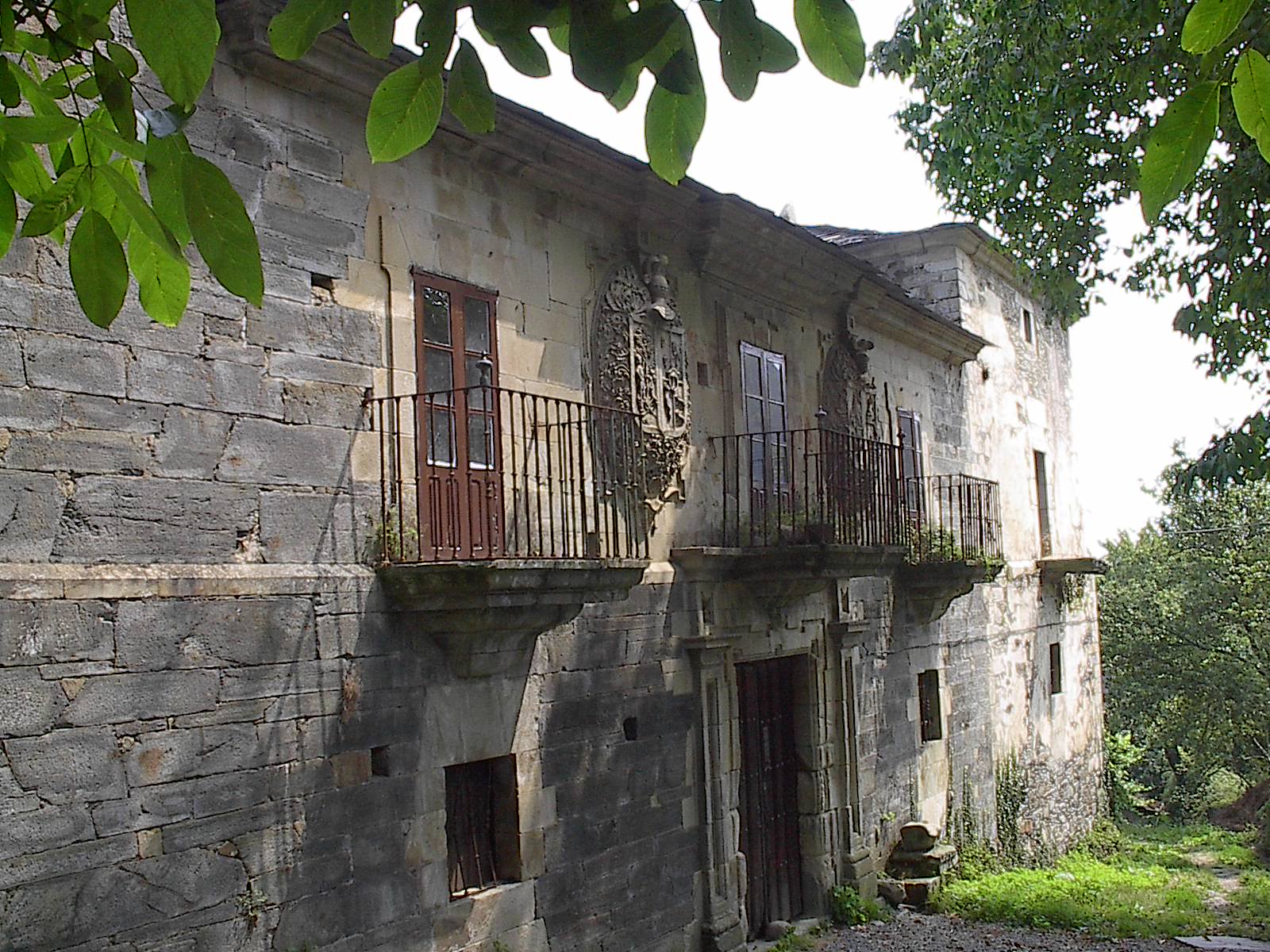
Among the artistic heritage of San Martín de Oscos it is worth mentioning the legendary and majestic Palacio de Mon. Conditioned by the sloping terrain, its main facade faces south while its foundations adapt to the slope, fitting into the west bay below ground level while developing height to the east.
-

Mina do Salgueiro
- San Tirso de Abres
- Mines
-
Yacimientos Arqueológicos “Os Castros”
- Taramundi
- Heritage
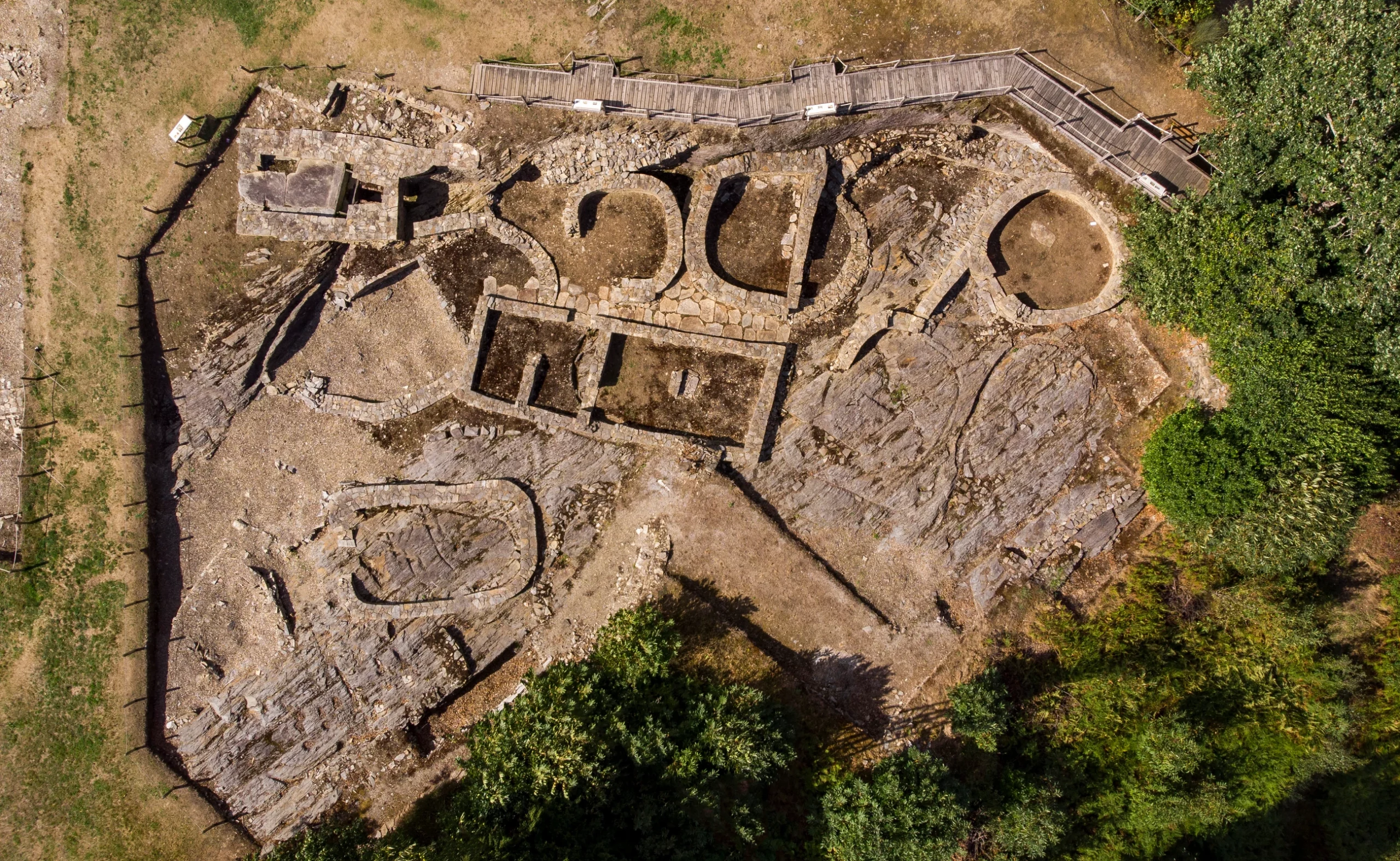
El yacimiento, conocido como Os Castros se localiza en la capital del concejo. Buena parte de su superficie se ha mantenido ajena al desarrollo urbano del municipio si bien la carretera que desciende hacia Mazonovo significó la destrucción algunas cabañas y parte de la muralla. En el año 2000 se iniciaron las excavaciones arqueológicas bajo patrocinio del Ayuntamiento de Taramundi, la Consejería de Cultura del Principado de Asturias y la meritoria colaboración de la asociación de hosteleros locales ANTURTA.
-
Piantón
- Vegadeo
- Heritage
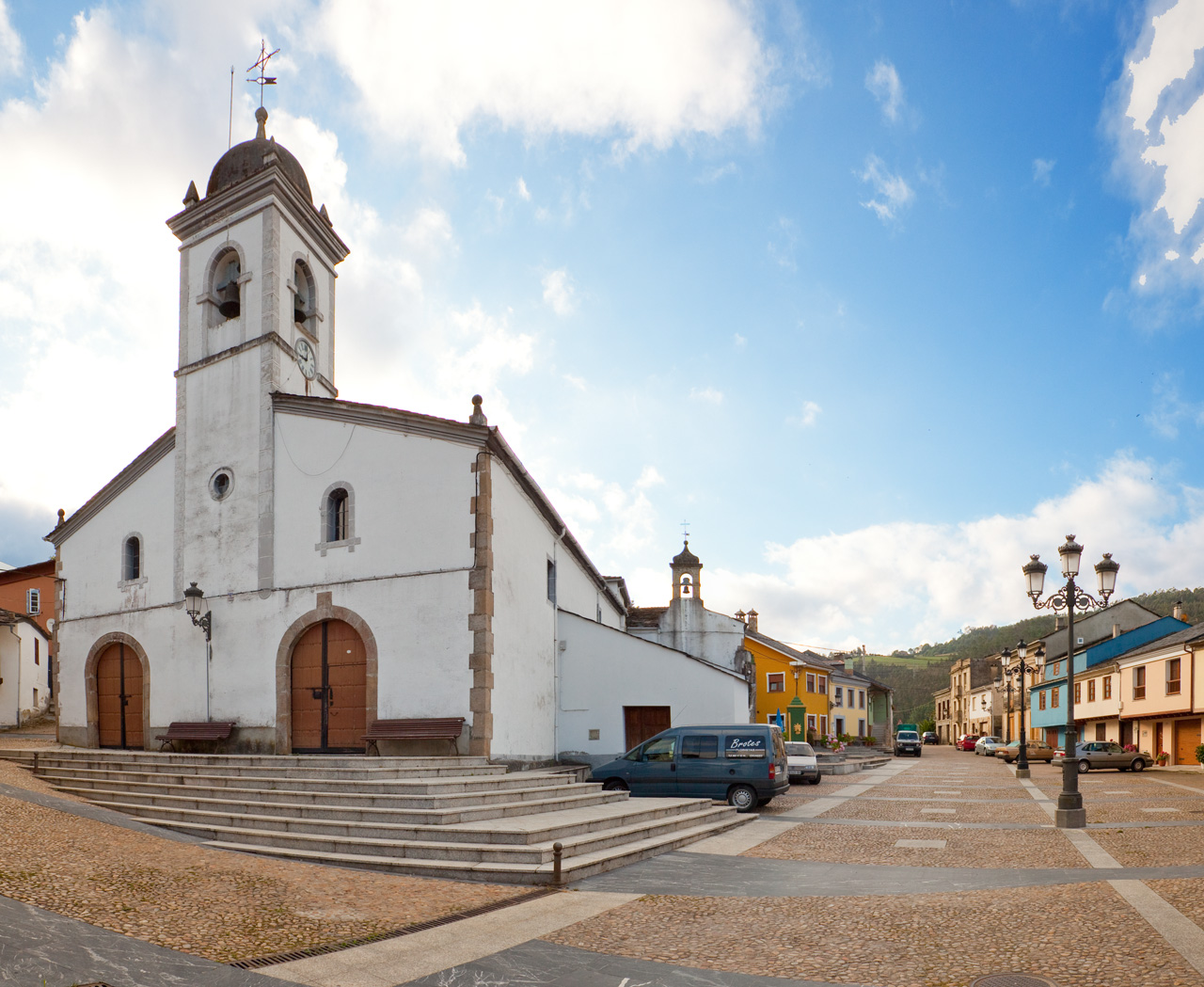
Two kilometers from the town of Vegadeo is the village of Piantón, which can be reached on foot as the entire route has a sidewalk. It is a beautiful walk along the Suarón River.
-
Ecomuseum of Bread
- Villanueva de Oscos
- Museum
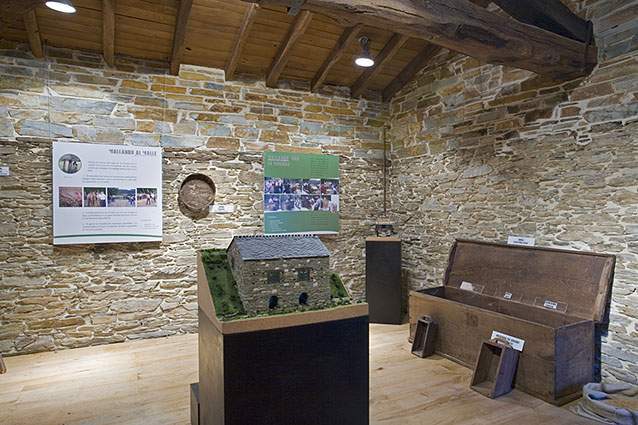
The Ecomuseum shows us the complete cycle of bread making, from sowing the cereal to baking, harvesting, milling and kneading.


