


- Home
- What to visit?
- Viduedo Farmhouse
Viduedo Farmhouse
- Santa Eulalia de Oscos
- Organic livestock farming
The Viduedo farm is a certified organic livestock farm located in the village of As Poceiras, where the animals are raised in direct contact with the environment, feeding all year round on natural pastures, which is a guarantee of health and quality.
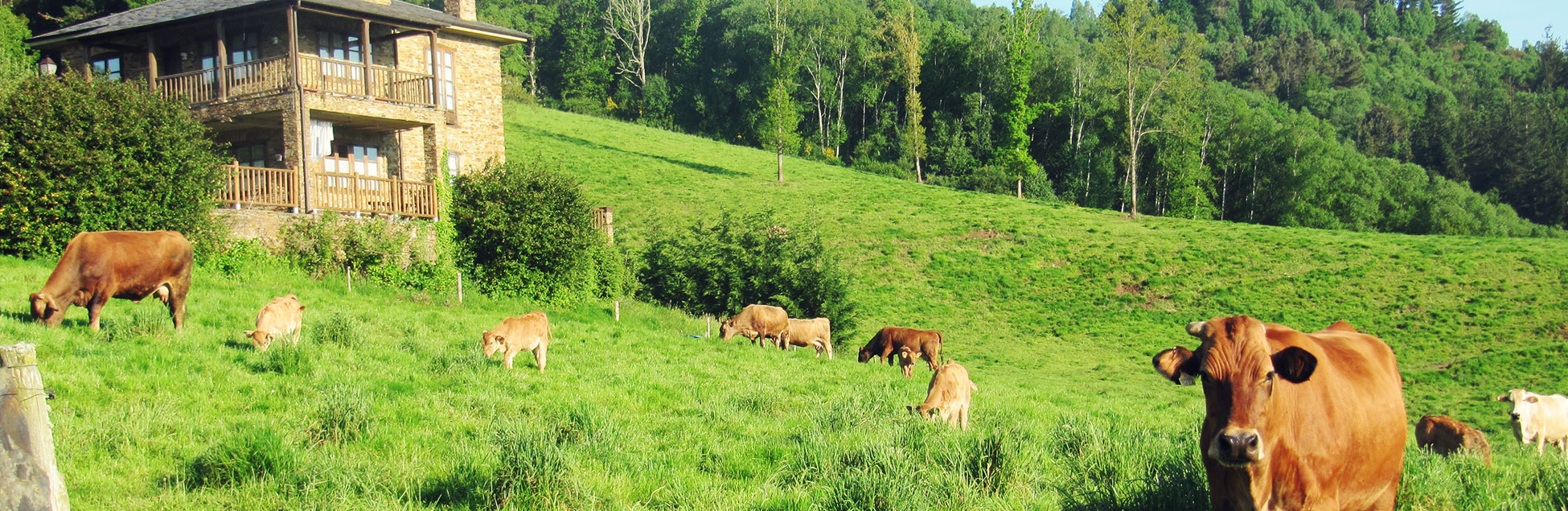
Its owners invite you to visit their farmhouse and see all their animals through a circular route signposted, about an hour.
The circuit takes place around a large farm that is divided into different plots with different native Asturian breeds.
Among the different animals that can be seen are the following: Asturian cows of the valleys, ovellas xalda, hens pita pinta, roosters, horses asturcones, goat bermella, gochu asturcelta, geese, dogs, cats…
It is ideal for families, very safe and educational.
Basic information
- 985 626 143
- 686 416 050
- See website
- As Poceiras, s/n - Santa Eulalia de Oscos
Schedule
Available daily.
By appointment only.
Prices
Free
What to see?
-
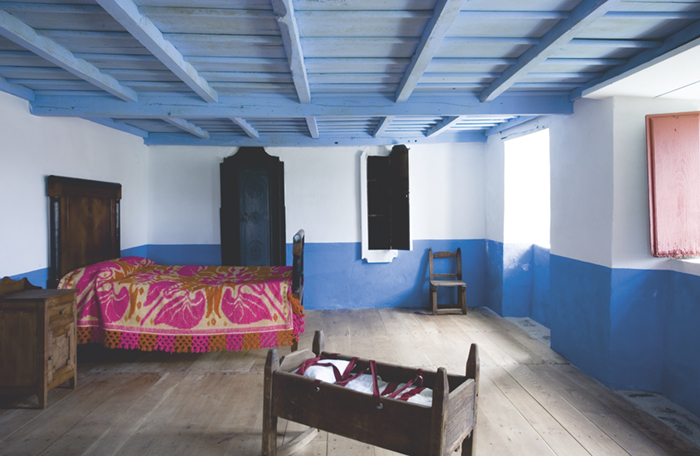
Casa del Marco Interpretation Center “Casa Campesina Museum”.
- San Martín de Oscos
- Museum
In the town of Villarquille (San Martín de Oscos) we find the Casa del Marco, a peasant house with its furniture, tools and implements which shows the way of life of the rural society of the region until the mid-twentieth century.
-
Yacimientos Arqueológicos “Os Castros”
- Taramundi
- Heritage
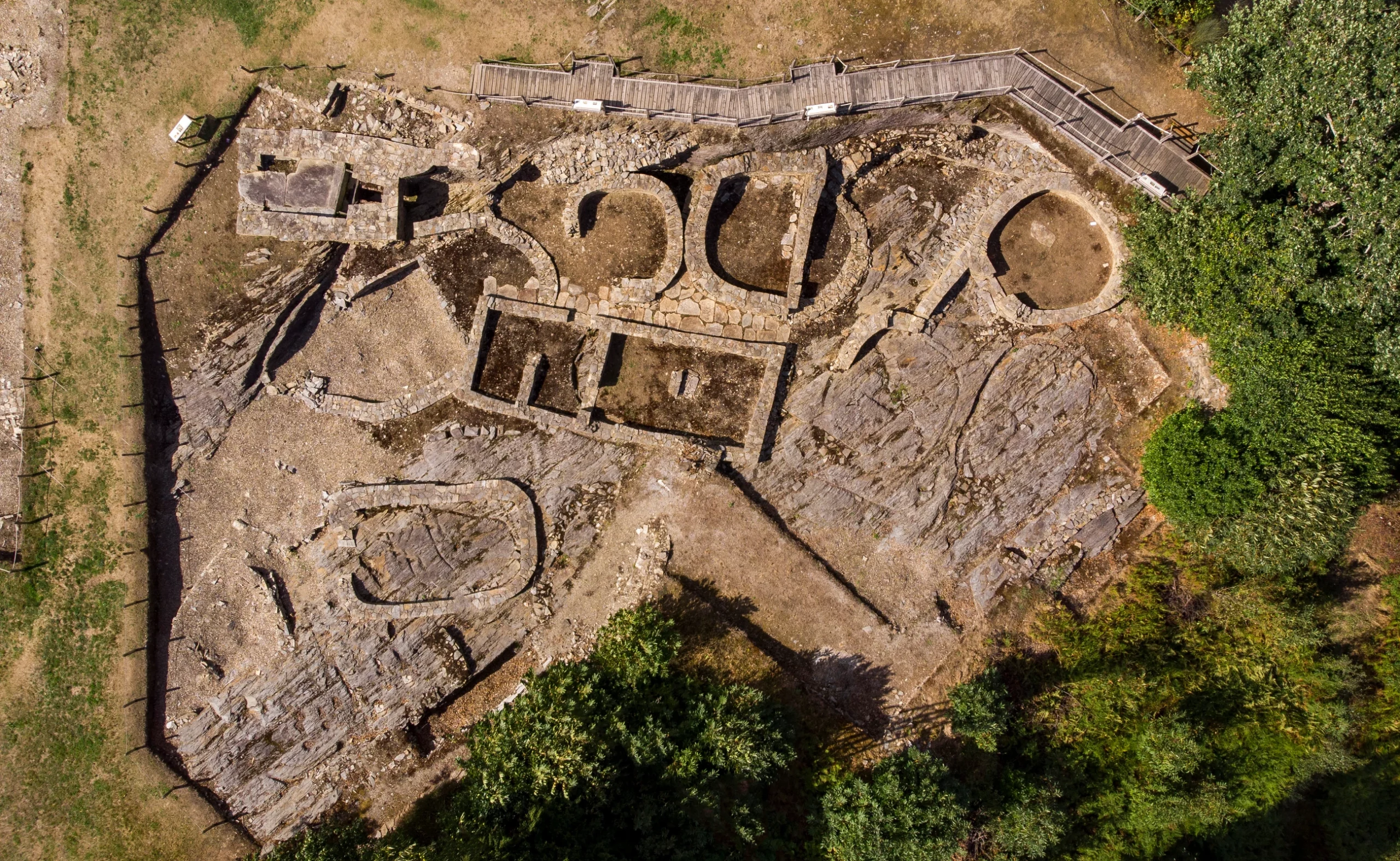
El yacimiento, conocido como Os Castros se localiza en la capital del concejo. Buena parte de su superficie se ha mantenido ajena al desarrollo urbano del municipio si bien la carretera que desciende hacia Mazonovo significó la destrucción algunas cabañas y parte de la muralla. En el año 2000 se iniciaron las excavaciones arqueológicas bajo patrocinio del Ayuntamiento de Taramundi, la Consejería de Cultura del Principado de Asturias y la meritoria colaboración de la asociación de hosteleros locales ANTURTA.
-
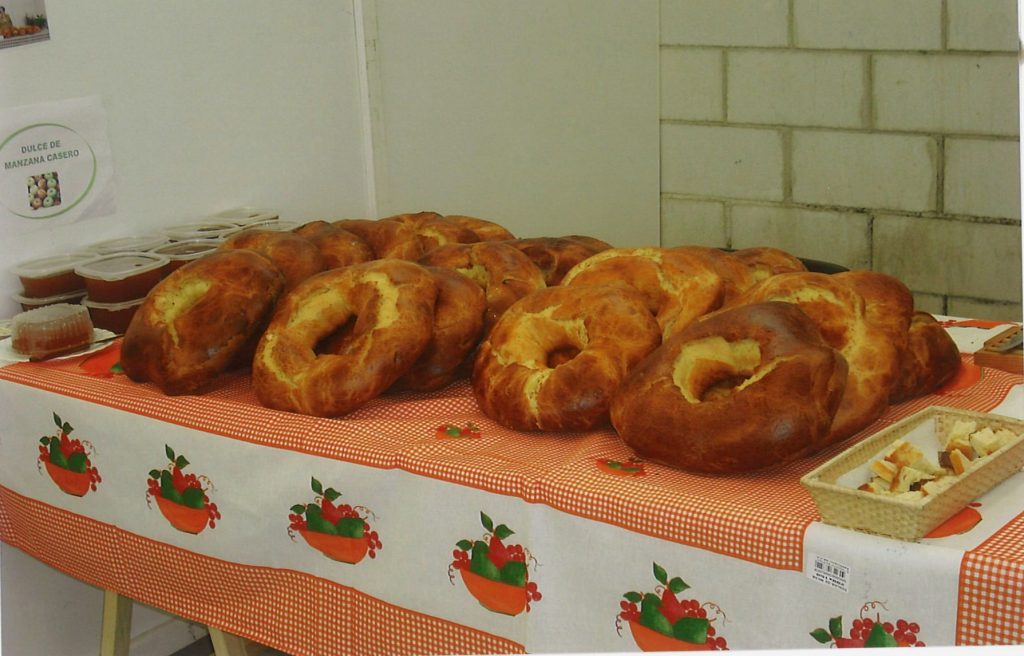
Feria de las Roscas de Semana Santa
- San Tirso de Abres
- Fiestas y Eventos
-

Mina do Salgueiro
- San Tirso de Abres
- Mines
-
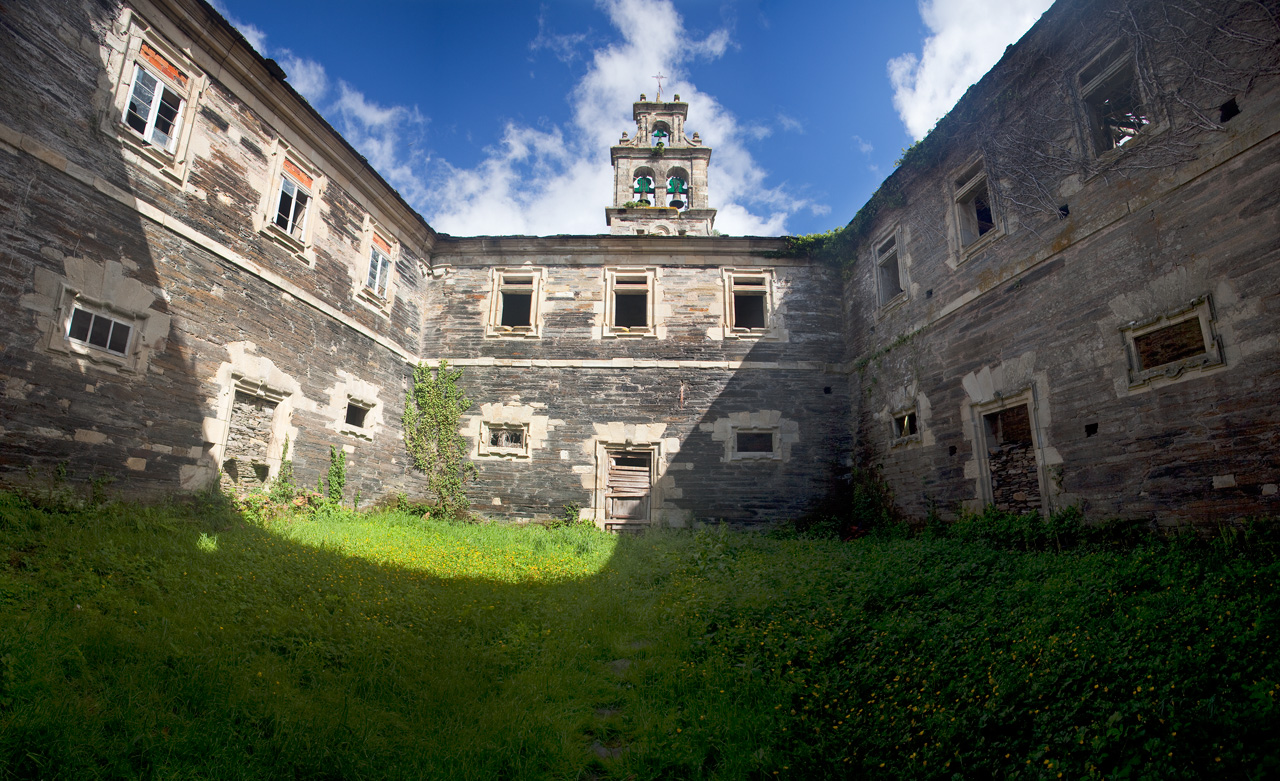
Monastery of Santa Maria
- Villanueva de Oscos
- Heritage
The history of Villanueva de Oscos is closely linked to the Monastery of Santa María, at the entrance of the capital of the council. This Monastery, considered one of the great jewels of Asturian heritage and classified as a Historic-Artistic Monument, was born Romanesque and grew Baroque.
-
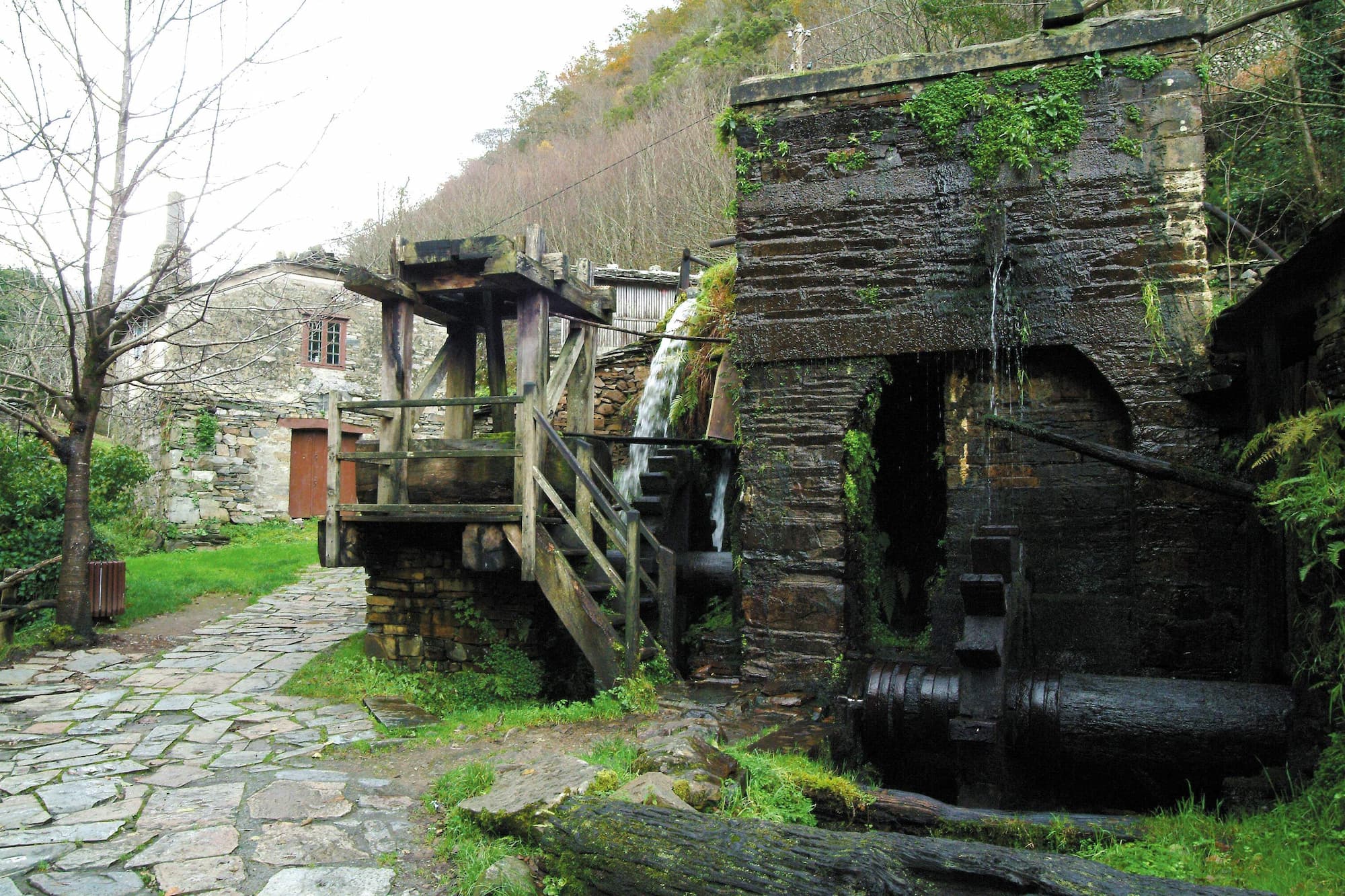
Os Teixois Ethnographic Ensemble
- Taramundi
- Ethnographic set
Os Teixois is one of the most interesting ethnographic sites in Asturias, where we can find several hydraulic devices recovered and available to anyone who wishes to visit them.


