


Eo estuary path
- Vegadeo
- Circular route
- 4.58 km
- 1 hour and a half
- Download
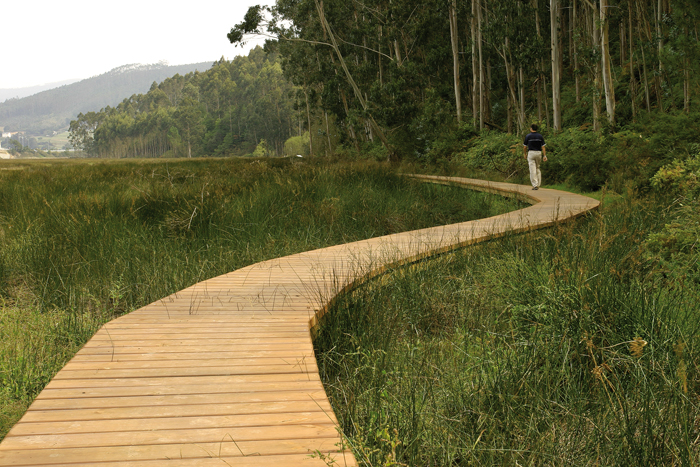
The route starts in the center of Vegadeo in the area known as the Fondrigo, located at the exit to Galicia. From here we start the ascent to Miou, where we will find a crossroads where the path forks and we can go on either side, since from this point the route is circular.
Suppose we decide to continue on the right, reaching shortly an area that allows us to see from above a beautiful view of the Eo estuary, a natural area included in the regional network of protected natural areas considered a Site of Community Interest (SCI), Special Protection Area for Birds (SPA), in addition to being part of the list of wetlands of international importance. We will continue along a dirt road perfectly conditioned reaching in a few meters a recreational area where we can rest or sit and enjoy the environment in which it will not be difficult to find some of the more than eighty species of birds recorded in the Eo estuary. From here and after a short descent we reach the pontoon area that will allow us to approach the estuary giving us the feeling of walking on the water especially at high tide. After a few meters we reach the jetty area, now recovered and equipped with wooden platforms that in summer time will be useful for sunbathing. Finally we cross Louteiro, we arrive at Miou, and from here to the starting point after having enjoyed a pleasant walk.
Hiking trails
-
San Tirso de Abres – Vegadeo Route
- San Tirso de Abres
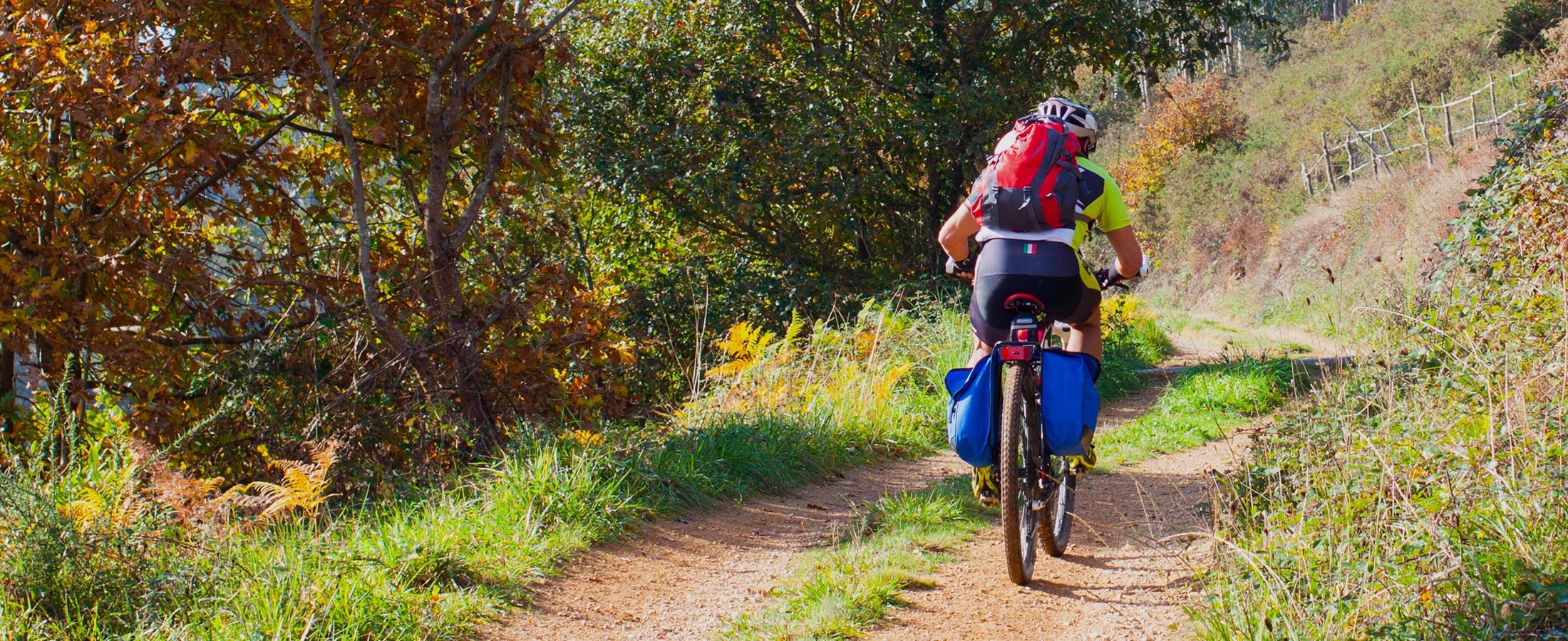
Download the route in PDF and KML and follow the route with your mountain bike or MTB.
-
Green path of San Martín de Oscos
- San Martín de Oscos
 7.5 km
 3 hours
 Download
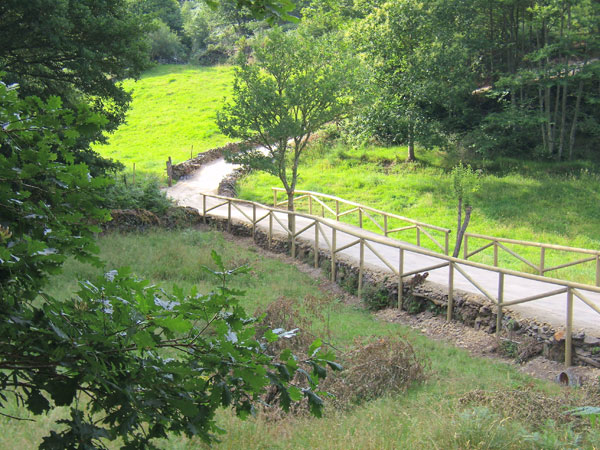
This is a circular route of about 7.5 km that starts and ends in the village of San Martín de Oscos. We start the route next to the tourist office going up to A Bouza, where we will contemplate an exceptional view of the village.
-
Balcones de Villanueva de Oscos Route
- Villanueva de Oscos
- 25,272 Km
- 5 hours
- Download
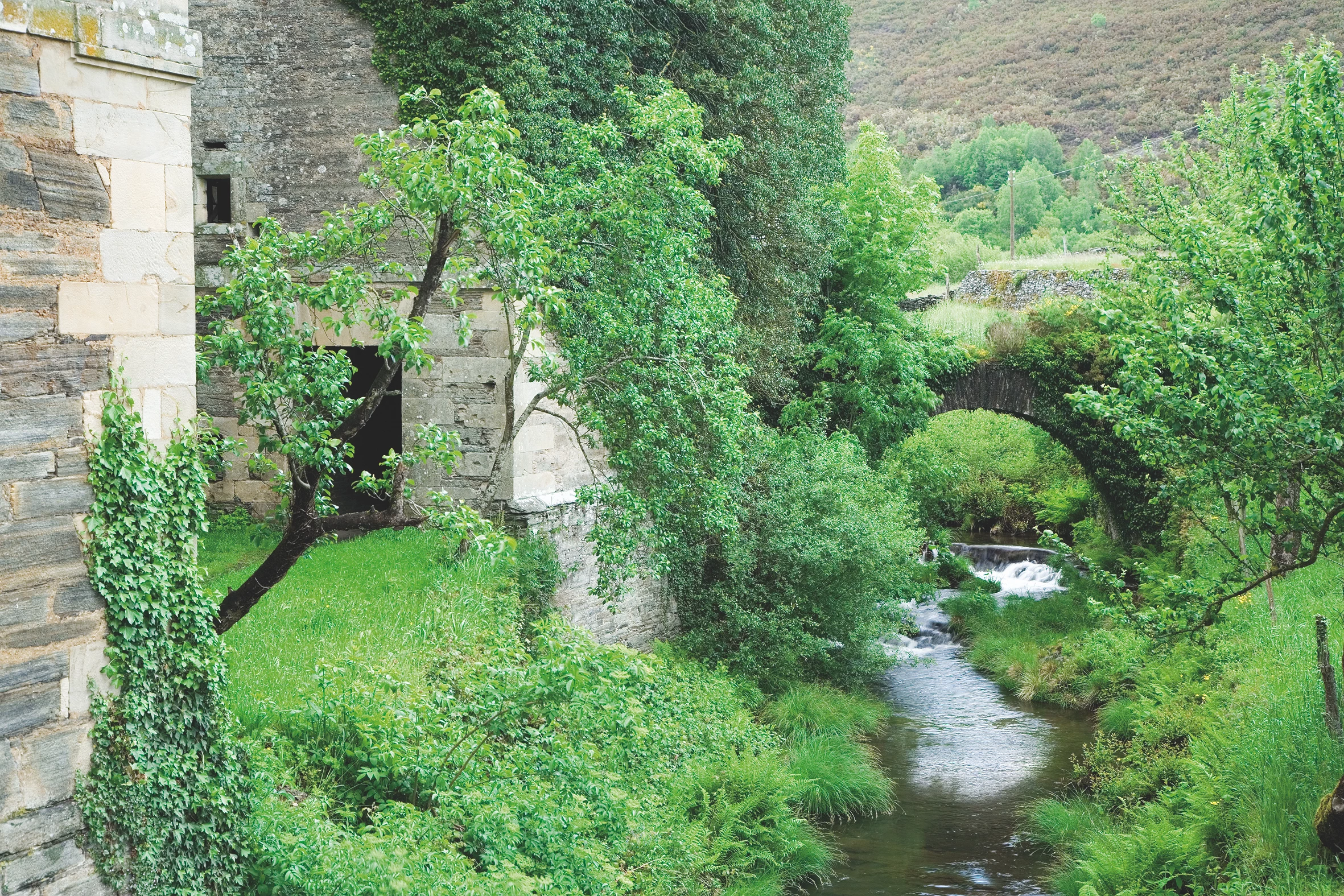
Download the route in PDF and KML and follow the route with your mountain bike or MTB. With different levels of difficulty, duration, slope and length. If you don’t have a bike you can rent one.
-
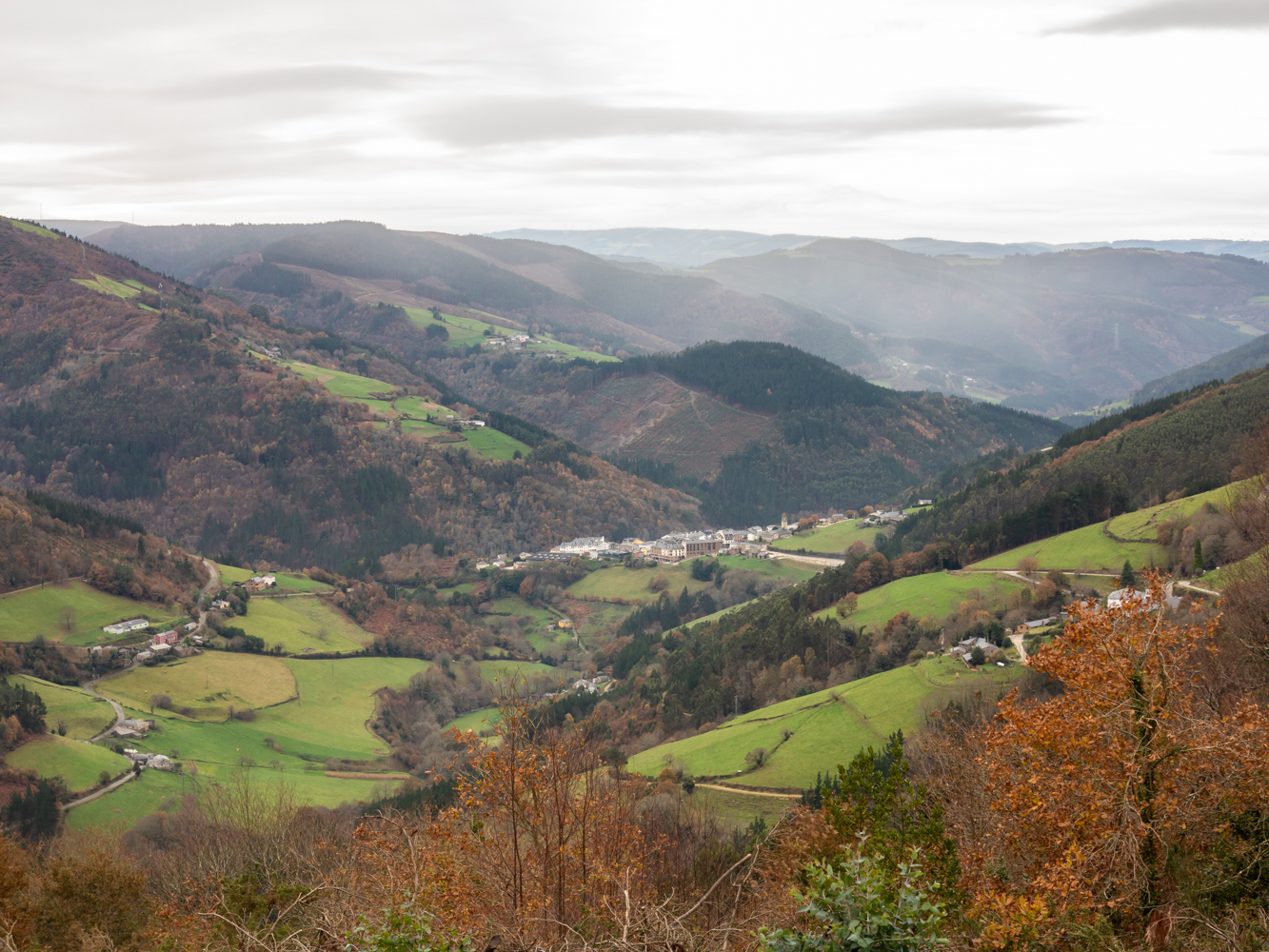
Taramundi – Vegadeo route through the Eiros Mountain Range
- Taramundi
Download the route in PDF and KML and follow the route with your mountain bike or MTB.
-
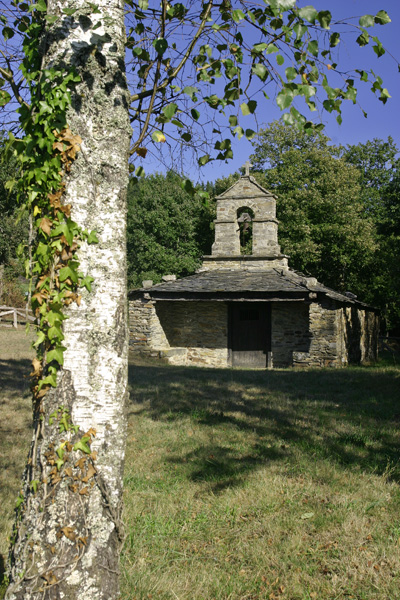
Mount Marón and Ascuita route
- San Martín de Oscos
- 9 km
- 2 hours
- Download
We begin the route in San Martín de Oscos where we can see the parish church, with a Latin cross plan, large porticoed space and inscription of 1828. To the right of the facade we observe one of the most characteristic hórreos of the Oscos with a mixed roof (slate and straw), which corresponds to the primitive models. In front of the church we have the mansion of the Guzmanes, an old manor house of the XVIII century, which preserves in the portico of its main entrance a coat of arms carved in stone. We cross the bridge that crosses the San Martín river to begin the ascent to Mount Marón, entering a small forest of birch and oak trees, which make our walk even more pleasant.
-
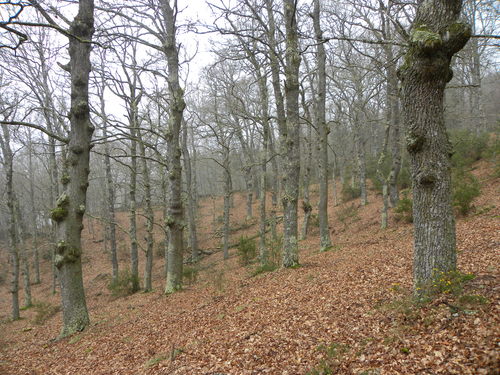
As Carballeiras Green Trail
- Santa Eulalia de Oscos
- 4.5 km
- 1 hour 20 minutes
- Download
This route starts at the Nature Interpretation Center, in the center of Santa Eulalia de Oscos.


