


- Home
- What to visit?
- Marquis of Sargadelos Birthplace Museum
Marquis of Sargadelos Birthplace Museum
- Santa Eulalia de Oscos
- Museum
The house where Antonio Raimundo Ibáñez, Marquis of Sargadelos (1749-1809) was born is now an exhibition space dedicated to the life and work of this industrial and enlightened merchant, who in the late 18th century built in Sargadelos (Cervo, Lugo) one of the first cast-iron foundry and earthenware factories in Spain.
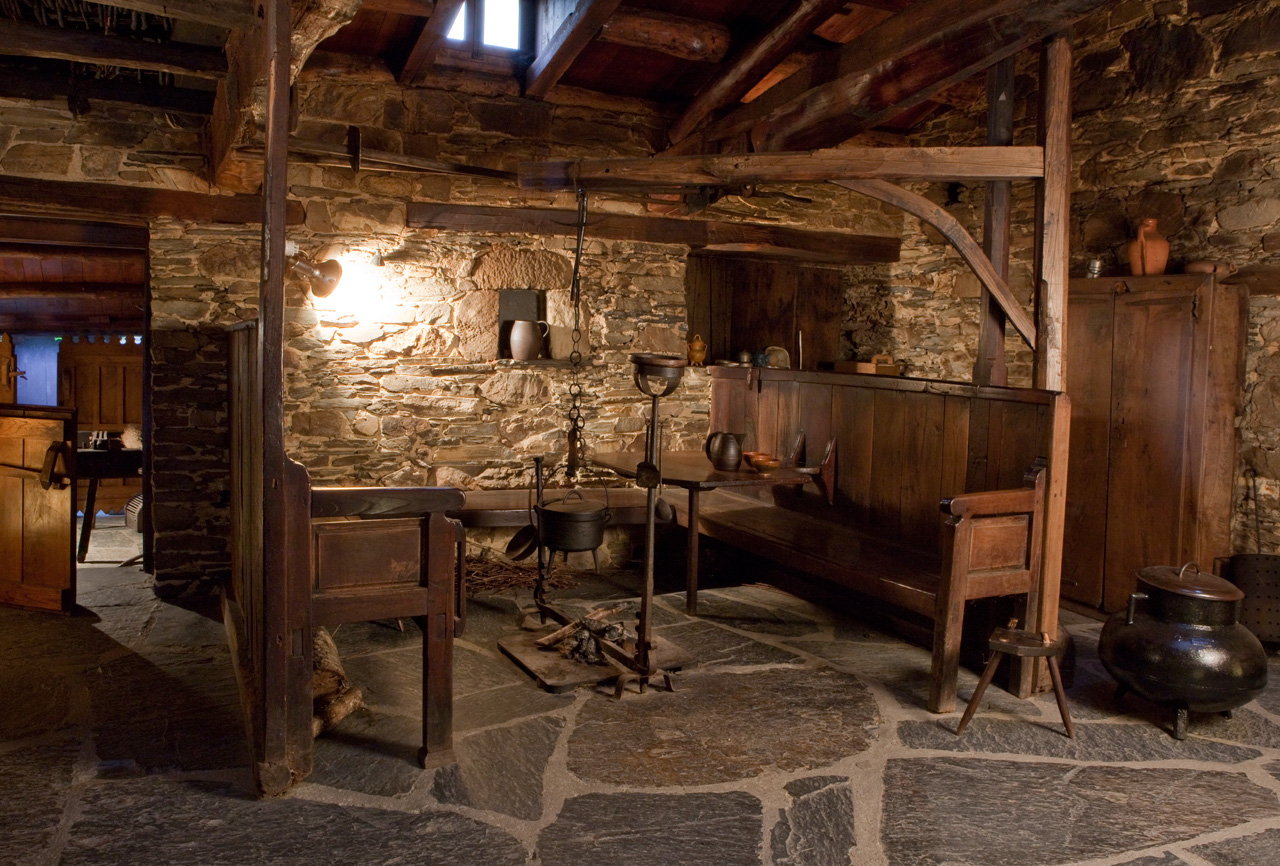
The exhibition highlights the link of this character to his homeland, where there has been an important wrought iron industry since ancient times, and seeks to raise public awareness of the conservation of the local cultural heritage.
The building is an old two-storey house renovated in 1774. The upper floor recreates different environments characteristic of the house in the area: the courtyard, dedicated to multiple uses such as pig slaughtering, farm implements, etc; the lareira, the main room of the house with the oven, the seats and kitchen utensils; the cuarto de fora, bedroom with different furniture; the large room or living room, used as a bedroom and dining room for parties and celebrations; the small room, which leads to the first floor. Several panels distributed throughout the rooms contain information about the house and its surroundings, a biography of Ibáñez and a reproduction of the portrait that Francisco de Goya painted of him between 1805 and 1808.
On the first floor there is a room dedicated to the textile industry, an activity in which Ibáñez did business: he imported linen from the Baltic, distributed it to the houses in the region and finally collected the finished product. Another room shows a selection of objects produced in the Royal Factories of Sargadelos, mainly earthenware from all periods (plates, dishes, bowls, cups…) and products made of iron.
The set is completed with the forxa or forge and the cellar, both located in the corrada or corral.
Basic information
Schedule
High season (from June 27 to September 13, Easter and long weekends):
Guided tours at the following times: 11:30, 12:30, 13:30, 16:30, 17:30 and 18:30.
Sunday afternoon and Monday closed
Low season: consult with the Town Hall of Santa Eulalia de Oscos (telephone: 985.626.032).
Prices
Over 16 years old: 3,00 €
From 10 to 16 years old: 1,50 €
Under 10 years old: free of charge
What to see?
-
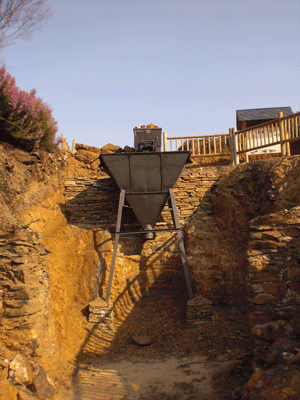
Las Minas
- Villanueva de Oscos
- Mines
Recently, the Town Council of Villanueva de Oscos, with the collaboration of the Principality of Asturias, has recovered and rehabilitated the mines of this municipality.
-
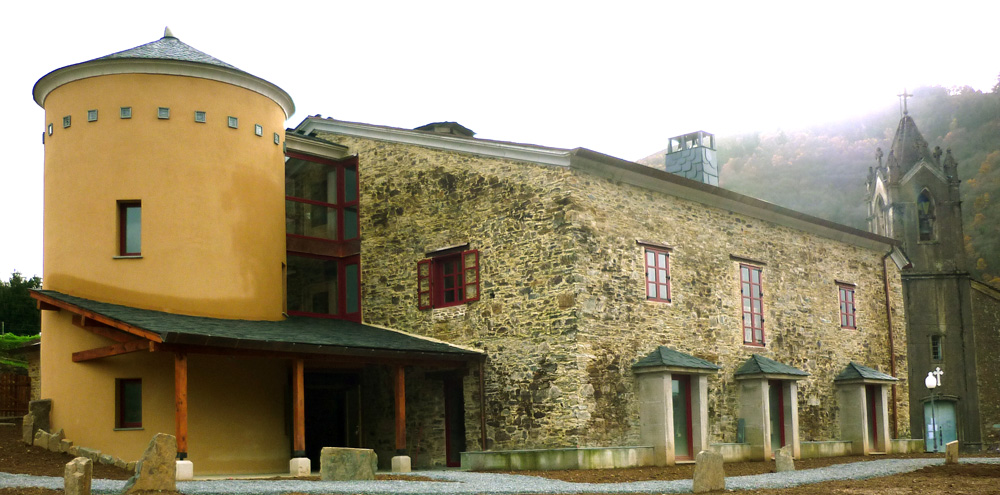
Bres Craft Center
- Taramundi
- Craft
The Bres Craft Center is located in the old Casona de Villanueva, in the center of Bres, 5 kilometers from the capital of the council. This center was conceived as a facility to facilitate the knowledge and enhancement of craft activities, both new and traditional of the region.
-
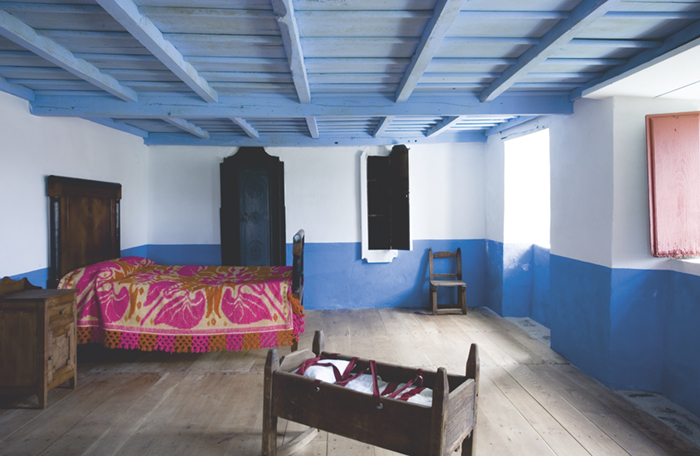
Casa del Marco Interpretation Center “Casa Campesina Museum”.
- San Martín de Oscos
- Museum
In the town of Villarquille (San Martín de Oscos) we find the Casa del Marco, a peasant house with its furniture, tools and implements which shows the way of life of the rural society of the region until the mid-twentieth century.
-
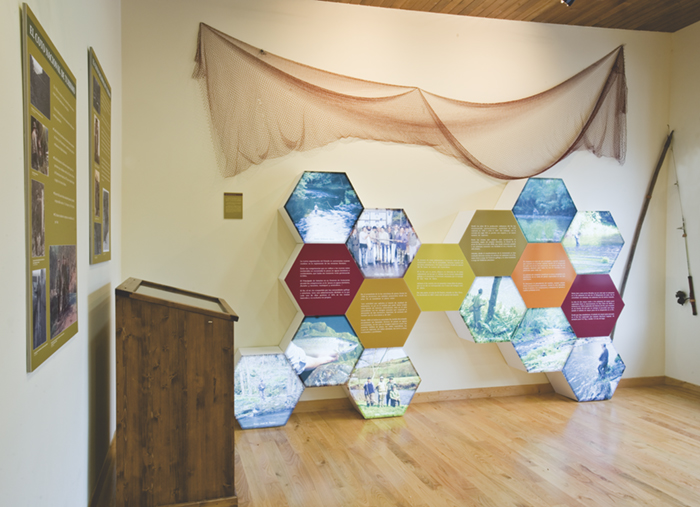
Interpretation Center of Fishing in the Eo River
- San Tirso de Abres
- Interpretation center
Through different media (audiovisual, photographic and computer) we can learn about the Eo River, the different species that inhabit it or the relationship of man with the river; how humans have taken advantage of the wealth offered by its waters and, above all, the importance that fishing has had in the area.
-
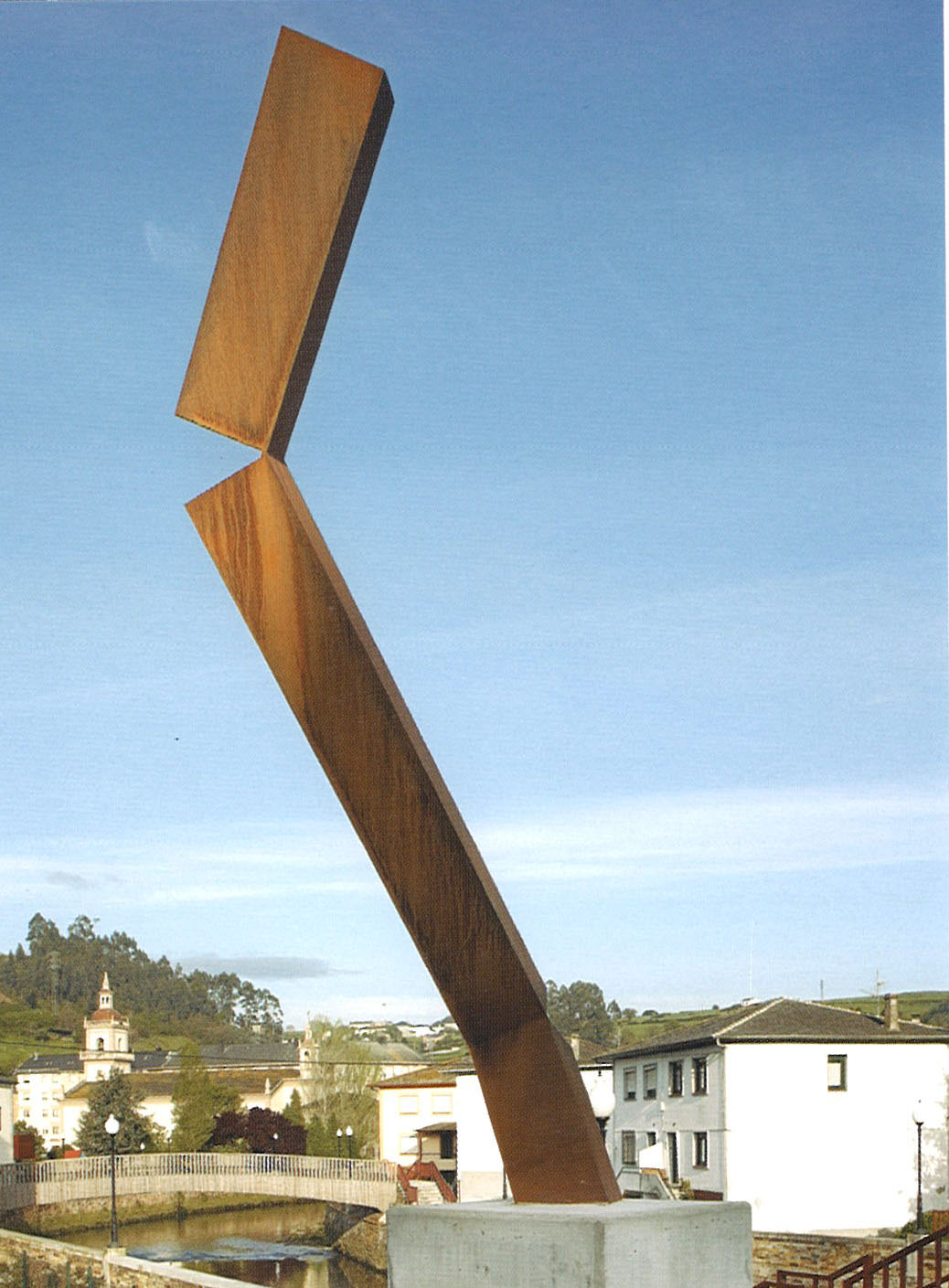
Contemporary art sculptures and sculptures by César Montaña (Vegadeo)
- Vegadeo
- Sculpture
The town of Vegadeo has the peculiarity of being crossed by two rivers: the Monjardín and the Suarón, which have twelve bridges that cross them (six each). Taking advantage of this circumstance, the idea was that visitors to Vegadeo could get to know the town center by crossing these bridges, and enriching the visit with a sculpture on each of them.
-
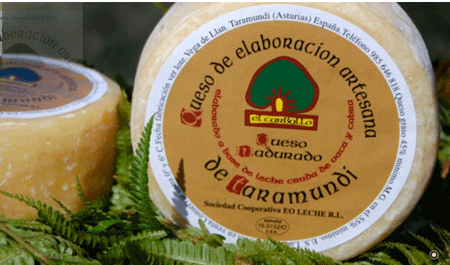
Eo Leche Artisan Cheese Factory
- Taramundi
The Eo Leche Taramundi cheese factory is located in the Parque de Empresas Artesanas, about 400 meters from the center of the town of Taramundi.


