


- Home
- What to visit?
- Interpretation Center of Fishing in the Eo River
Interpretation Center of Fishing in the Eo River
- San Tirso de Abres
- Interpretation center
Through different media (audiovisual, photographic and computer) we can learn about the Eo River, the different species that inhabit it or the relationship of man with the river; how humans have taken advantage of the wealth offered by its waters and, above all, the importance that fishing has had in the area.
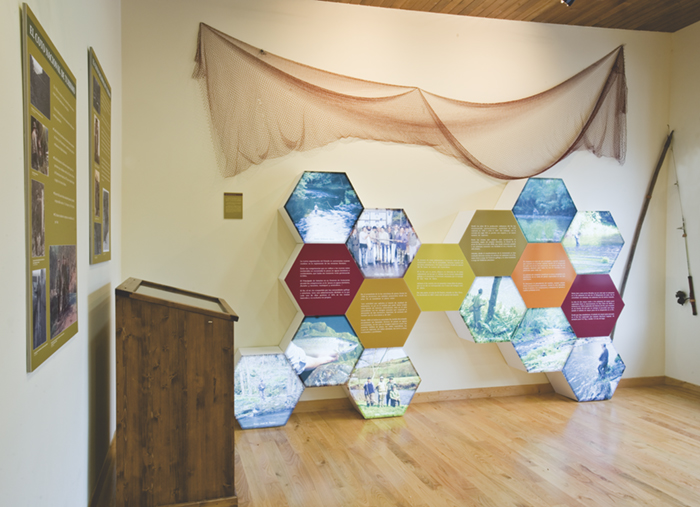
The most important milestones related to fishing in the Eo during the twentieth century are reviewed with special attention to the Marzales preserve and the National Tourism Preserve.
We find on display objects and tools, both traditional and modern, related to the fishing activity: rods, flies, nets, reels, pots, fish traps, hooks, baskets, … that help us to understand what fishing meant in the Eo for much of the last century.
Other information
Currently the tourist office of San Tirso de Abres is located in this center.
Basic information
- 985 634 402
- C/ Regada, s/n - El Llano (San Tirso de Abres)
Schedule
Summer:
from 10:00 to 14:00 hours every day.
Guided tour:
13:00 hours
Rest of the year:
Consult with the City Council of San Tirso de Abres
(Tel. 985 634 402)
Prices
Over 12 years old:
2 €
Under 12 years old:
free of charge
What to see?
-
Marquis of Sargadelos Birthplace Museum
- Santa Eulalia de Oscos
- Museum
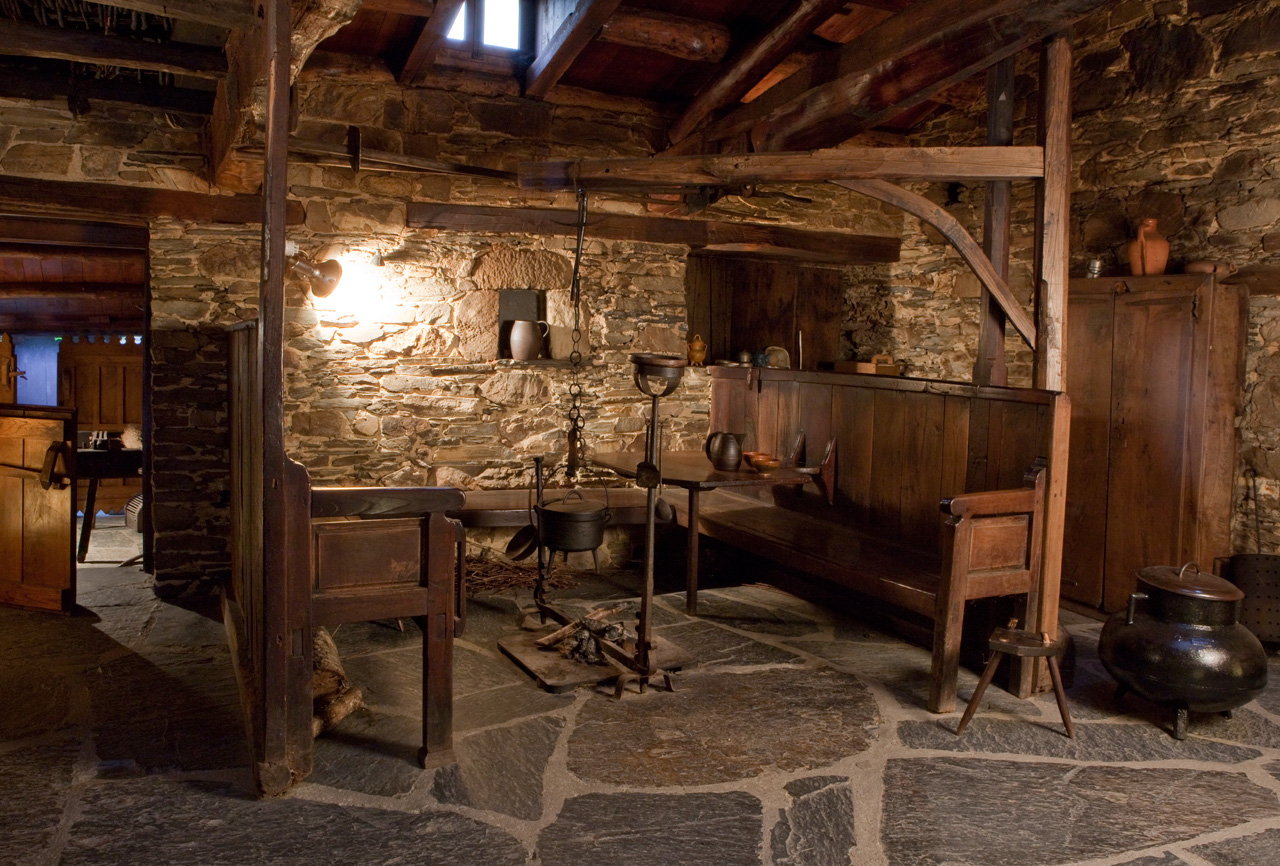
The house where Antonio Raimundo Ibáñez, Marquis of Sargadelos (1749-1809) was born is now an exhibition space dedicated to the life and work of this industrial and enlightened merchant, who in the late 18th century built in Sargadelos (Cervo, Lugo) one of the first cast-iron foundry and earthenware factories in Spain.
-
Bres Craft Center
- Taramundi
- Craft
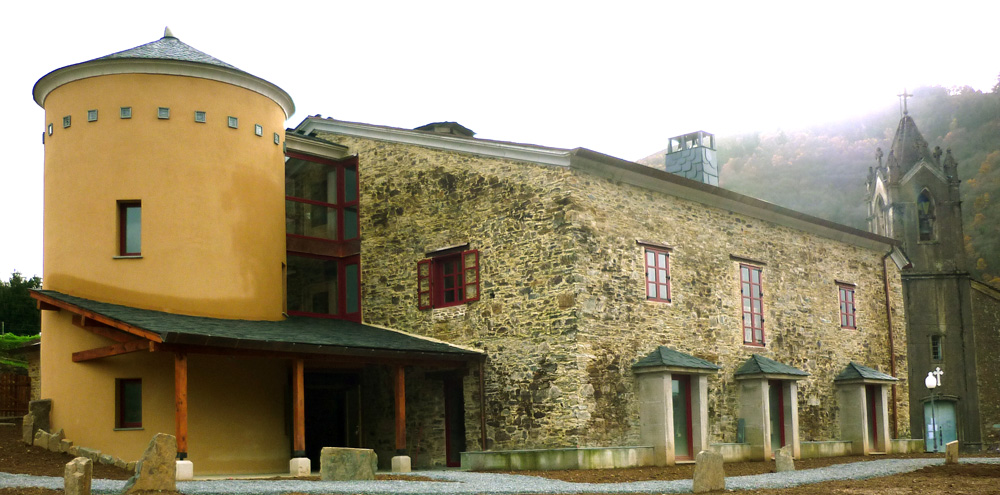
The Bres Craft Center is located in the old Casona de Villanueva, in the center of Bres, 5 kilometers from the capital of the council. This center was conceived as a facility to facilitate the knowledge and enhancement of craft activities, both new and traditional of the region.
-

Castro As Croas de Eilale
- San Tirso de Abres
- Heritage
-
Mina do Salgueiro
- San Tirso de Abres
- Mines
-
Os Teixois Ethnographic Ensemble
- Taramundi
- Ethnographic set
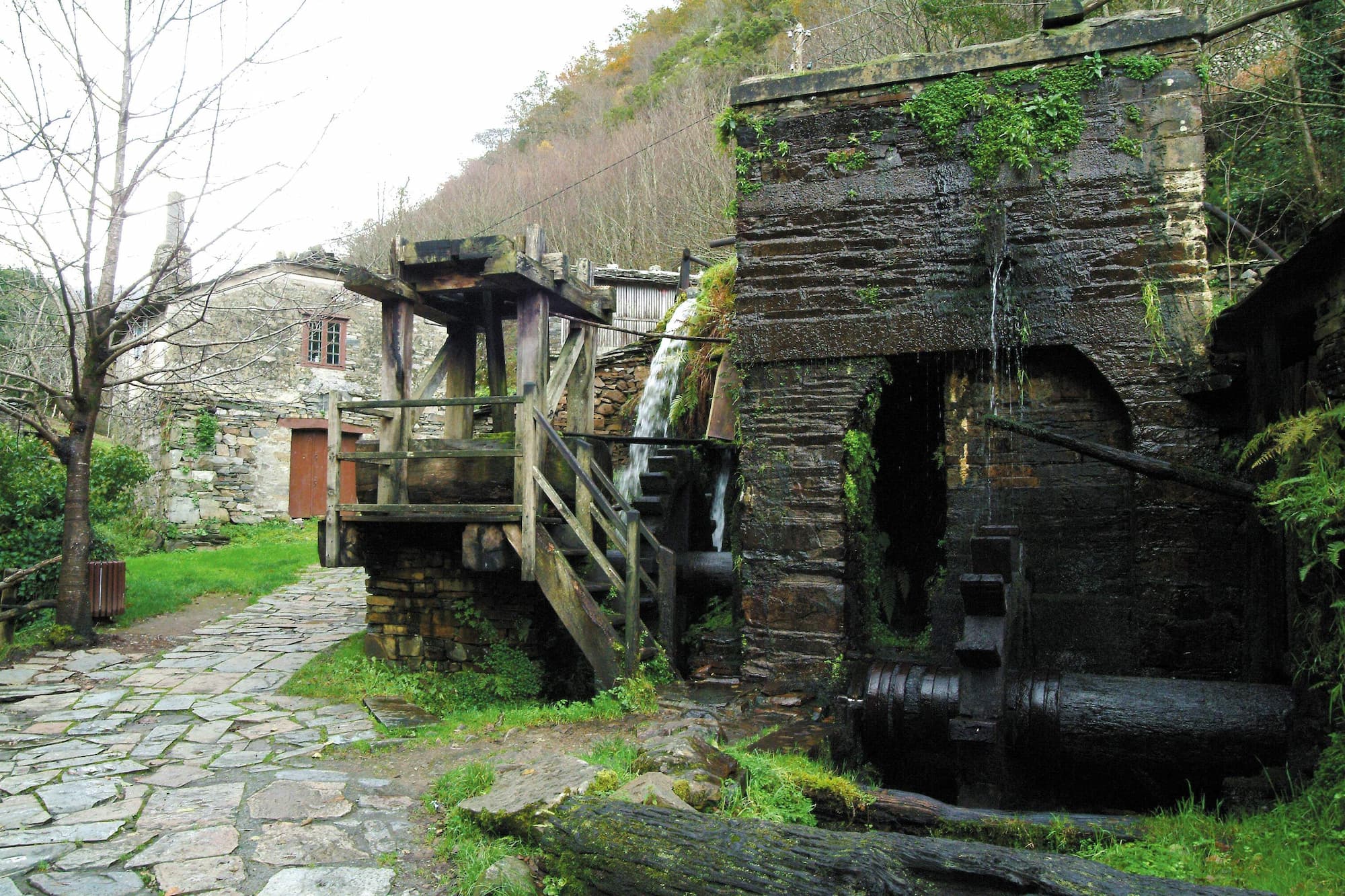
Os Teixois is one of the most interesting ethnographic sites in Asturias, where we can find several hydraulic devices recovered and available to anyone who wishes to visit them.
-
Las Minas
- San Martín de Oscos
- Mines
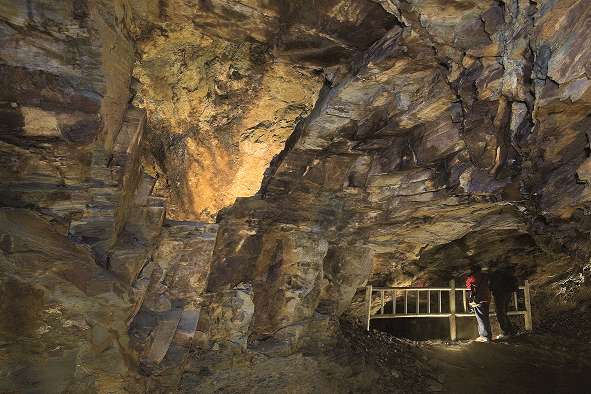
There are remains in the Oscos region that tell us that mining was an activity that was developed in the area since prehistoric times. Before the conquest of the Romans, the inhabitants of this region were already looking for gold nuggets in the river placers. But it was after the arrival of the Romans that this industry was boosted. In the Flavian period, at the beginning of the first century A.D., a first golden age was experienced. The castros (fortified settlements) resurged as a result of the exploitations and the landscape was dotted with small industries of which there are still remains such as: forges, function furnaces and samples of the technology that was used for the exploitation of the deposit.

