


Ruta Piorno a os Fornos
- San Martín de Oscos
- Ruta circular
- 5,5 km
- 2h 30m
- Baja
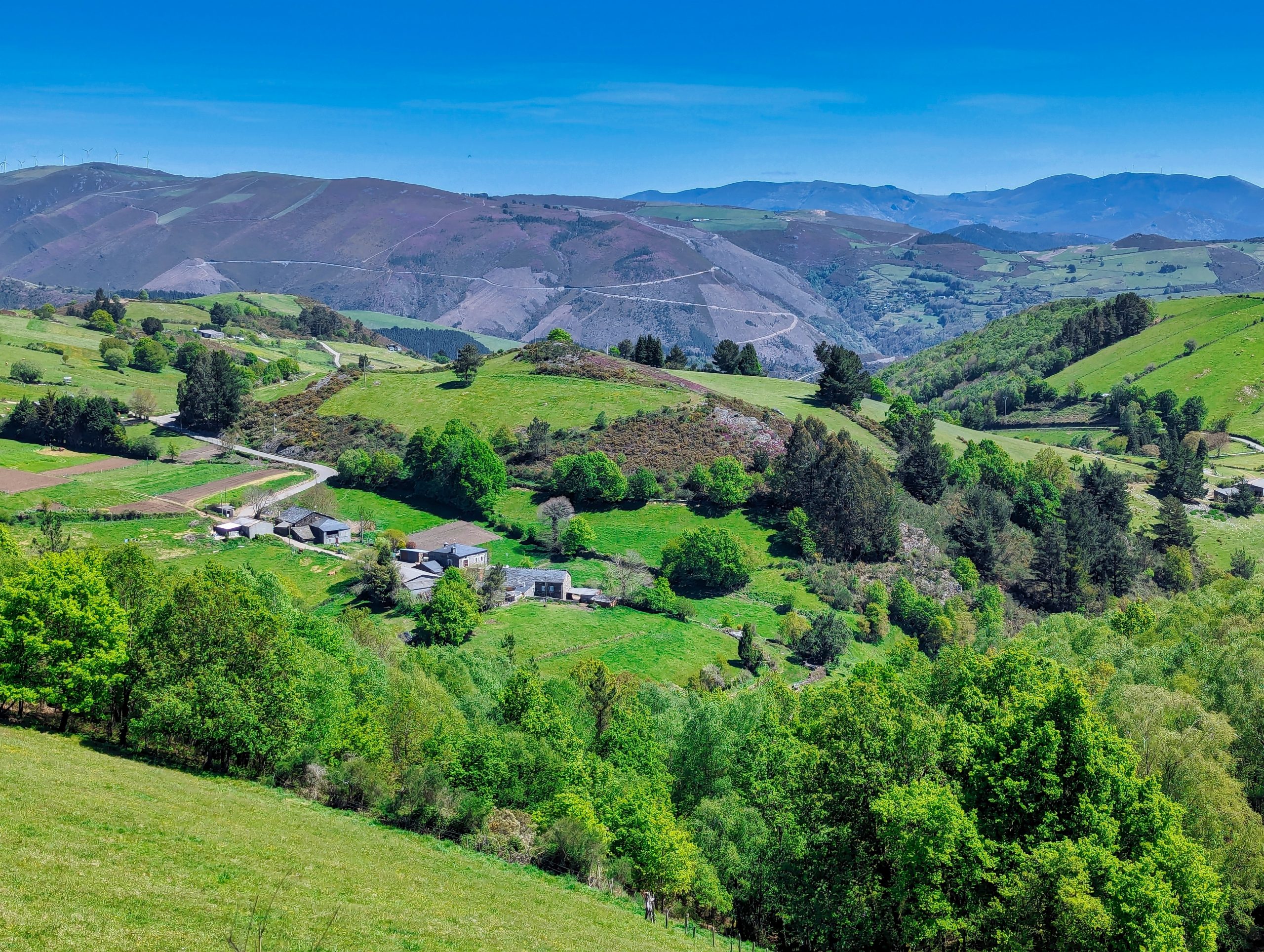
Iniciamos la ruta en el pueblo de Piorno, que se recomienda recorrer porque conserva excelentes muestras de arquitectura tradicional de los Oscos en piedra, pizarra y madera.
Frente al camino, al otro lado del valle, iremos viendo varias aldeas: primero Arne y Arruñada, luego Villanueva de San Cristóbal y después la Sierra de la Bobia. También podremos observar varios cortines (construcciones de piedra de forma circular, alrededor de las colmenas o trobos para resguardarlas de la fauna).
El paisaje nos sorprenderá con sus contrastes entre lo abrupto y lo suave, con sus sonidos: el río Soutelo, los pájaros,… la abundante vegetación autóctona: helechos, castaños, robles,… y la numerosa fauna: corzos, jabalís, zorros, azores y perdices.
Hiking trails
-
Route of the Mazo de Meredo
- Vegadeo
 13 km
13 km 4 hours
 half
half
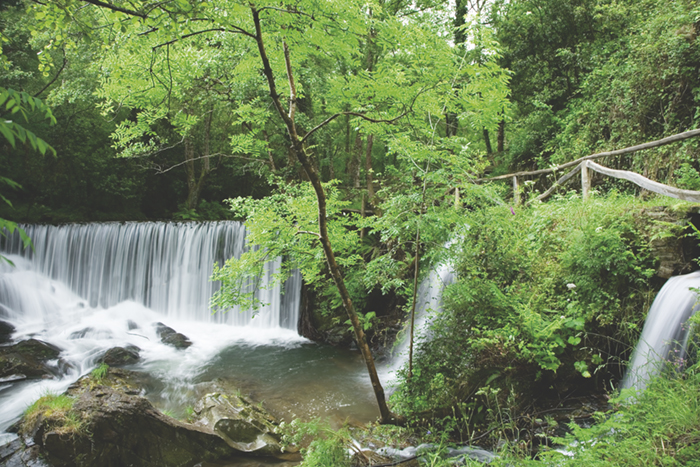
The route starts in Piantón, a charming village that was once the capital of the council, located about two kilometers from Vegadeo in which we recommend a walk around the square and a visit to the church. We cross the so-called Roman Bridge and take the path to the left towards Arcilo. The path begins with a slight ascent through a deep eucalyptus forest mixed with remnants of native vegetation: chestnut, holly, laurel, … fed by numerous streams.
-
Ruta Os Cortíos
- Santa Eulalia de Oscos
- 8,47 km
- 4 horas
- Baja
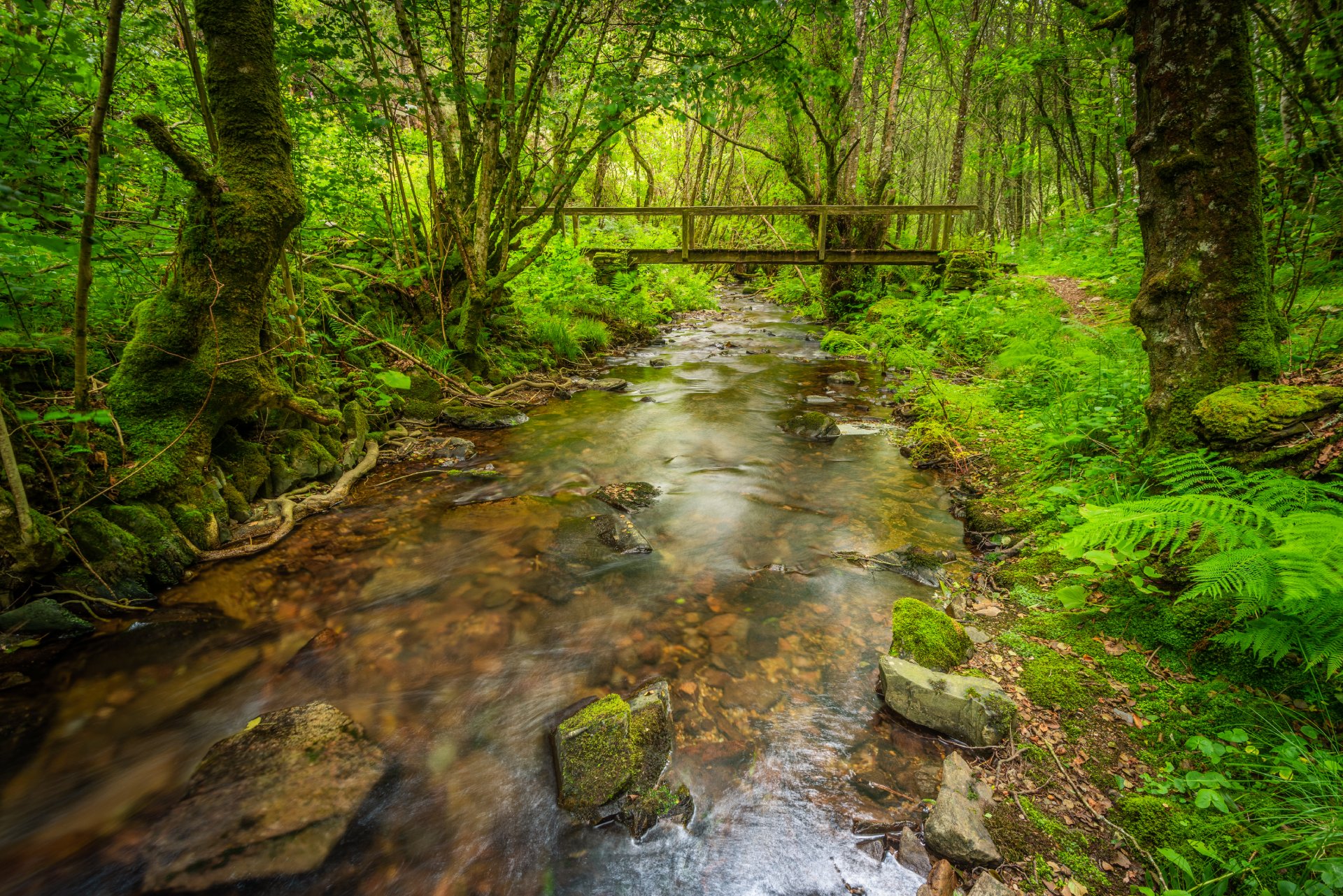
Esta ruta comienza en Barcia (Asturias) donde disponemos de un aparcamiento público para dejar nuestro coche a escasos metros del inicio.
-
Railroad Route
- San Tirso de Abres
- 15 km
- 5 hours
- Download
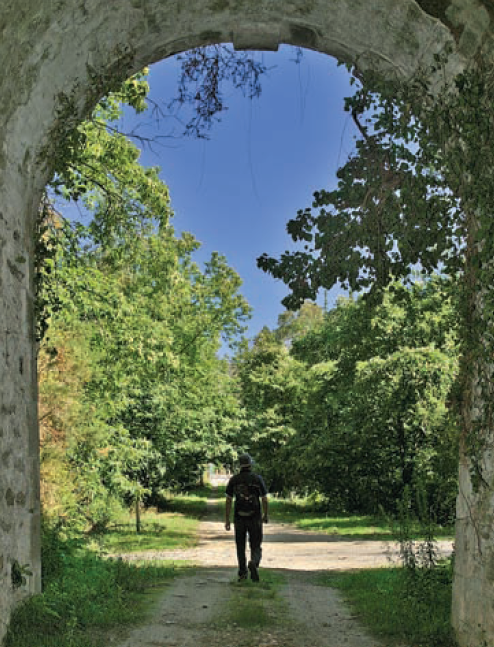
We start the walk in the old station of San Tirso de Abres, today restored for private housing, finding the first of the six tunnels just 300 m away, continuing next to the river Eo enjoying every moment of great panoramic views of the riverbed, of incalculable ecological and fish value, in which abound a large number of aquatic species, the most characteristic being trout, lamprey and salmon. Later the path crosses the N-640 road and leads us to an old power station built in 1932, located just before crossing another of the tunnels drilled in the rock, which leaves us close to the pedestrian walkway over the river Eo.
-
Route of the “Estraperlo
- Vegadeo
- 8.2 km
- 2 hours and 30 minutes
- Download
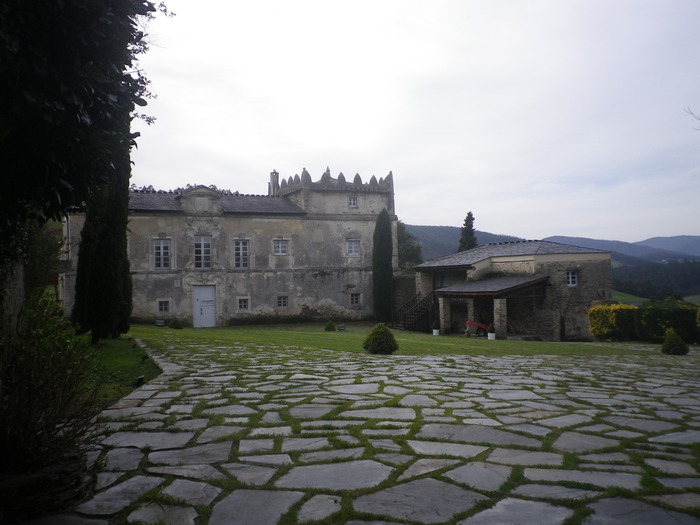
The route begins in Louteiro, which is accessed after taking a detour to the left shortly before leaving Vegadeo in the direction of Galicia. From the chapel of this village begins the route once used by pilgrims and pilgrims on pilgrimage to Santiago de Compostela, who avoided the main roads to pass products from Galicia to Asturias.
-
Agüeira Green Path
- Villanueva de Oscos
- 14 km
- 5 h
- Media
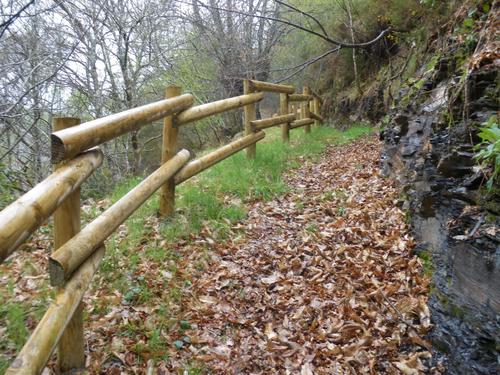
The route is made up of two circular sections starting and ending in the center of Villanueva. The longer one, about 12 km, coincides in part with the forest route.
-
Ruta de Eiroá
- Taramundi
- 13 km
- 3h 50m
- Baja
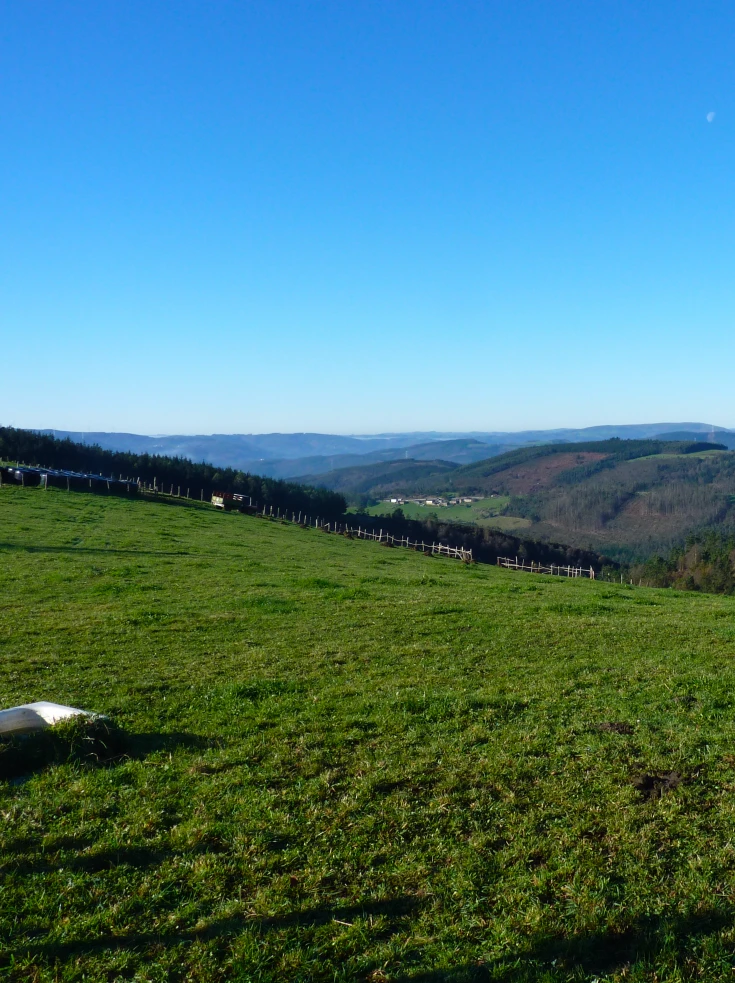
Esta ruta circular recorre buena parte del valle del río Cabreira, combinando caminos de montaña en la ida y de fondo de valle en la vuelta. Se inicia junto al hotel La Rectoral, tomando el camino que asciende entre el arbolado hacia la Sierra de Eiroá. Sin llegar a alcanzar su cumbre nos desviamos hacia el pueblo de Piñeiro, para llegar a él en suave descenso y disfrutar de su arquitectura tradicional y cabazos alzados al cielo.


