


Ruta de Eiroá
- Taramundi
- Ruta circular
- 13 km
- 3h 50m
- Baja
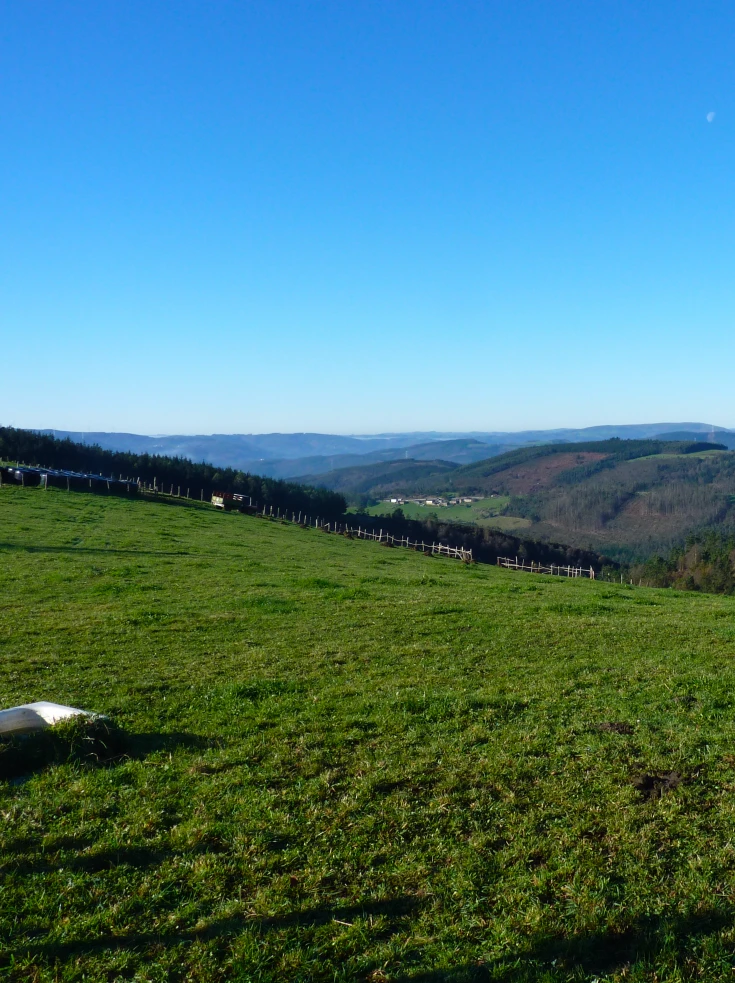
Esta ruta circular recorre buena parte del valle del río Cabreira, combinando caminos de montaña en la ida y de fondo de valle en la vuelta. Se inicia junto al hotel La Rectoral, tomando el camino que asciende entre el arbolado hacia la Sierra de Eiroá. Sin llegar a alcanzar su cumbre nos desviamos hacia el pueblo de Piñeiro, para llegar a él en suave descenso y disfrutar de su arquitectura tradicional y cabazos alzados al cielo.
En Piñeiro se puede optar por continuar por la ruta principal o tomar una variante más corta de la misma. En este caso, atravesando el pueblo, descenderemos por un camino entre el bosque hacia Aguillón, localizado en el fondo del valle, para alcanzar el itinerario de vuelta a Taramundi.
Si la opción elegida es hacer la ruta completa, desde Piñeiro continuaremos por la falda de la sierra siguiendo el camino forestal entre pinares que poco a poco desciende hacia Os Galiñeiros. A lo largo de este tramo podemos disfrutar de bonitas vistas del valle y las montañas que lo cierran por el sur.
A la entrada de Os Galiñeiros tomamos el camino asfaltado que desciende hacia Lóutima y poco después, en una curva muy pronunciada, nos desviamos a la derecha para tomar el camino que recorre la vega y llegar a O Mazo de Bres. Este lugar, donde tiempo atrás hubo un mazo, bodegas de artesanos cuchilleros, molino harinero y varias viviendas se halla en la actualidad abandonado, languideciendo las ruinas de sus construcciones semiocultas entre la maleza.
Dejando O Mazo de Bres atrás, cruzamos el río e iniciamos la subida a Bres. Destaca entre su caserío la silueta de la iglesia de San Pedro y del edificio de su antigua escuela, que hoy alberga la Casa del Agua. Aquí, haciendo un alto en el camino, podemos visitar una interesante exposición centrada en el agua como materia prima y fuerza motriz.
Saliendo de Bres junto al cementerio, descendemos hacia el río Cabreira y siguiendo el camino junto al río llegamos a Aguillón. Este pueblo tiene una larga historia de trabajo en torno al hierro, conservándose aún hoy un mazo. Un descanso en el área recreativa junto a la capilla de San Blás nos permitirá recuperar fuerzas para afrontar el último tramo de la ruta: la vuelta hacia Taramundi. Tras pasar junto al mazo salimos a la carretera y, por la senda acondicionada en su margen, regresamos a la villa.
Hiking trails
-
Ruta con Arte
- Santa Eulalia de Oscos
 10,9 km
 4 horas
 Baja
Baja
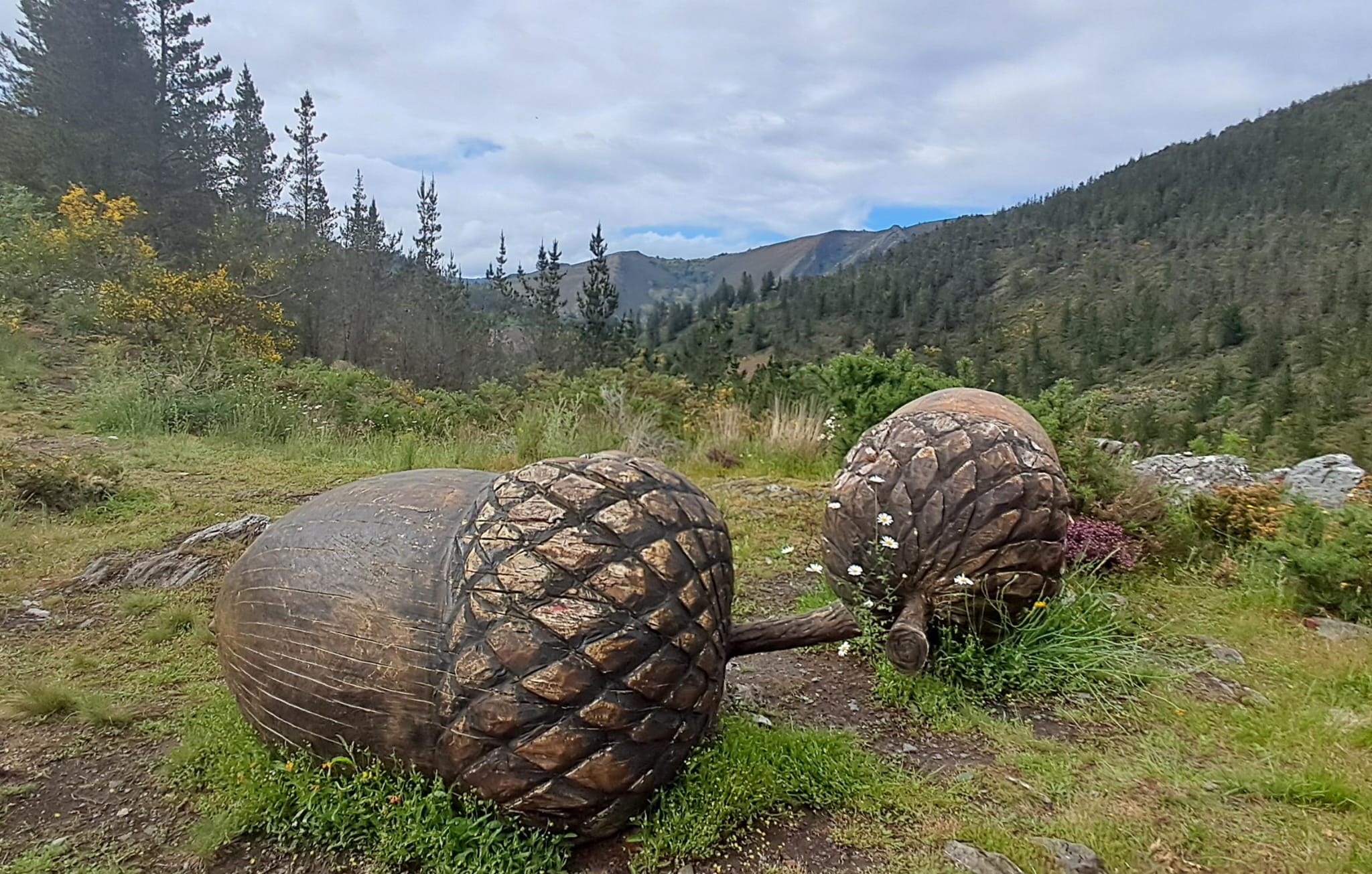
Este proyecto pionero e inédito, pretende impulsar y enriquecer Los Oscos a través de la vertebración artística, ofreciendo una conexión entre artistas, visitantes, naturaleza y tradición. Resaltando la belleza, cultura y tradición de los Oscos. Para ello se ha elegido una ruta circular de 10 Km. Dicha ruta comienza y termina en Santa Eulalia de Oscos.
-
Route of the “Estraperlo
- Vegadeo
- 8.2 km
- 2 hours and 30 minutes
- Download
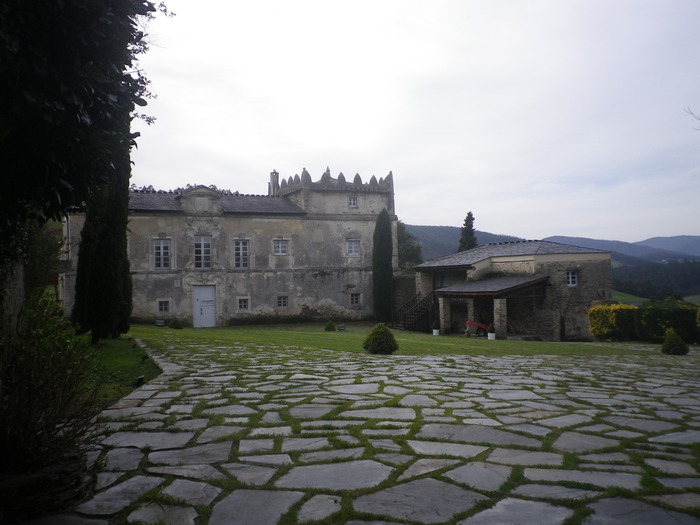
The route begins in Louteiro, which is accessed after taking a detour to the left shortly before leaving Vegadeo in the direction of Galicia. From the chapel of this village begins the route once used by pilgrims and pilgrims on pilgrimage to Santiago de Compostela, who avoided the main roads to pass products from Galicia to Asturias.
-
Balcones de Villanueva de Oscos Route
- Villanueva de Oscos
- 25,272 Km
- 5 hours
- Download
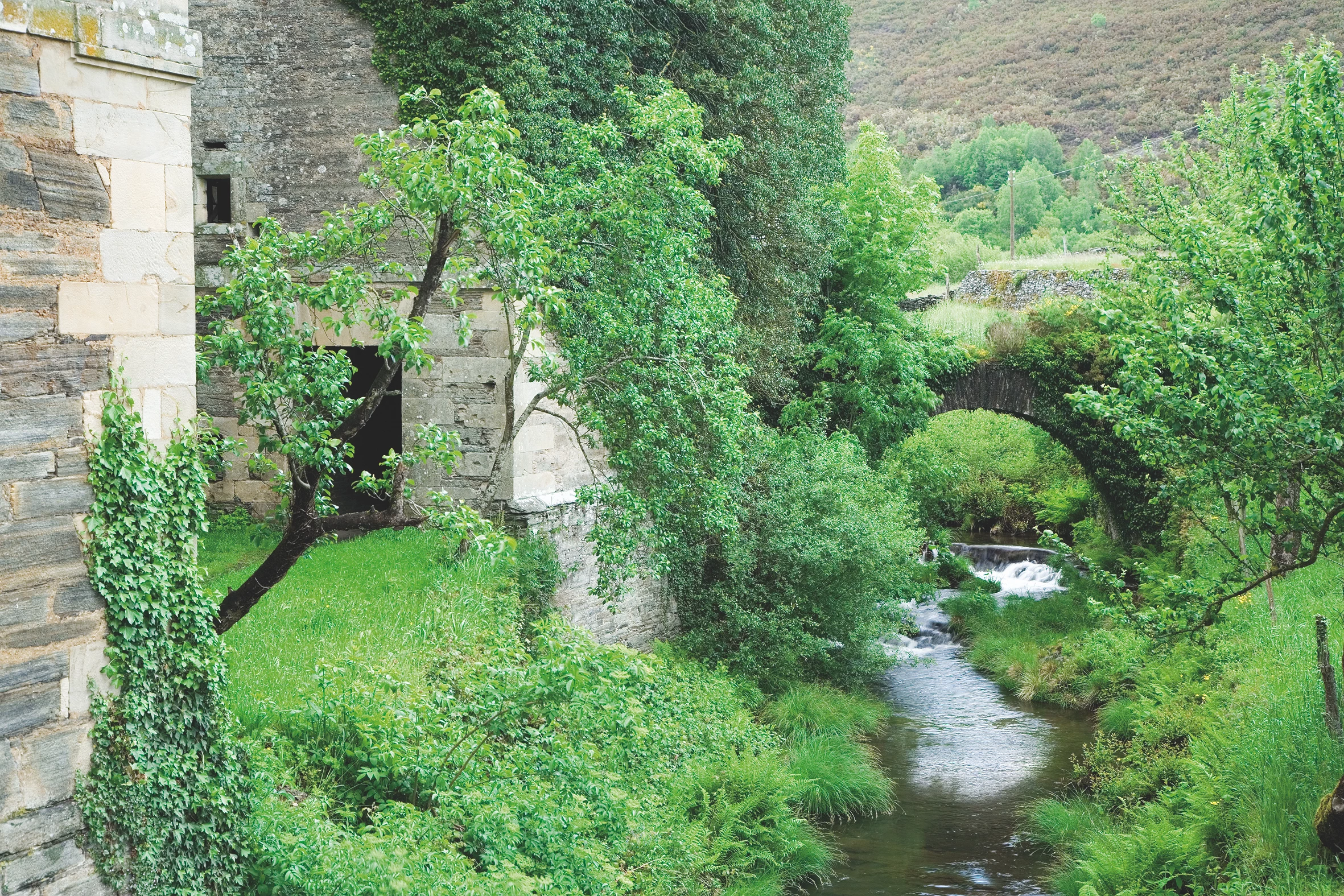
Download the route in PDF and KML and follow the route with your mountain bike or MTB. With different levels of difficulty, duration, slope and length. If you don’t have a bike you can rent one.
-
Route of Silence
- Villanueva de Oscos
- 12 km
- 5 hours
- High
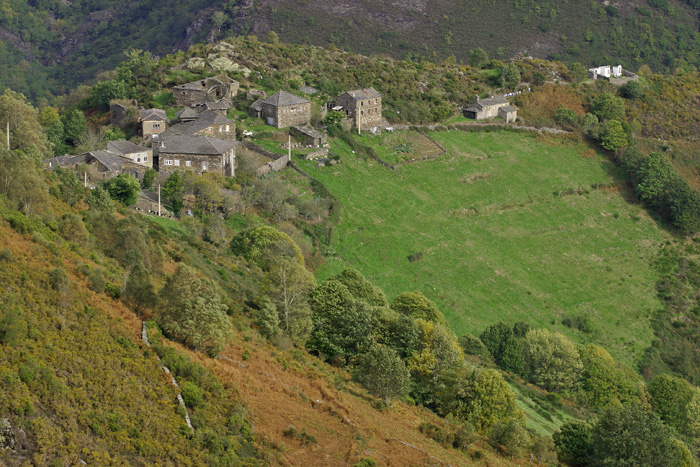
The route starts in San Cristobal, a place where we find numerous samples of popular architecture in its purest state, giving us the sensation of having gone back several centuries in time. From its chapel we see the valley of Rio Ahio covered with a beautiful blanket of native forest that dazzles us with its typical colors.
-
San Martín de Oscos Mining Route
- San Martín de Oscos
- 30,618 Km
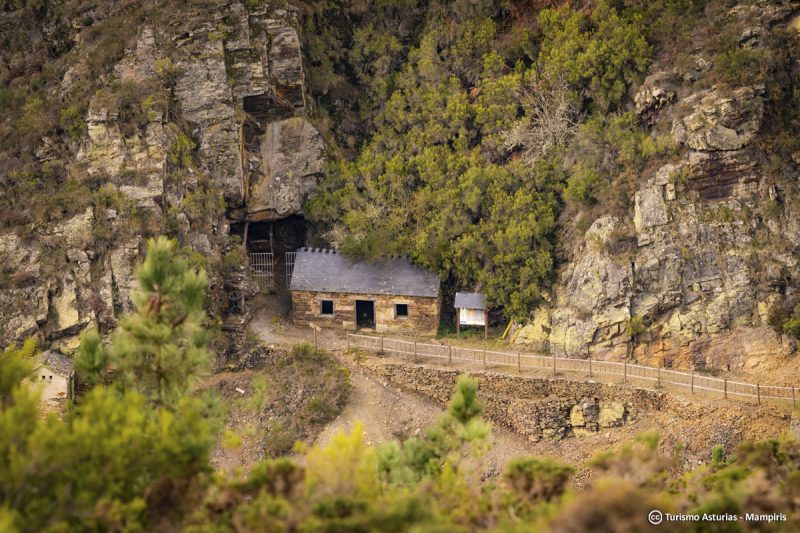
Download the route in PDF and KML and follow the route with your mountain bike or MTB. With different levels of difficulty, duration, slope and length. If you don’t have a bike you can rent one.
-
Mount Marón and Ascuita route
- San Martín de Oscos
- 9 km
- 2 hours
- Download
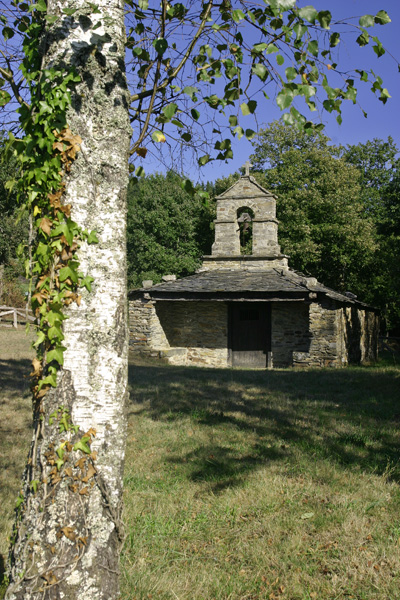
We begin the route in San Martín de Oscos where we can see the parish church, with a Latin cross plan, large porticoed space and inscription of 1828. To the right of the facade we observe one of the most characteristic hórreos of the Oscos with a mixed roof (slate and straw), which corresponds to the primitive models. In front of the church we have the mansion of the Guzmanes, an old manor house of the XVIII century, which preserves in the portico of its main entrance a coat of arms carved in stone. We cross the bridge that crosses the San Martín river to begin the ascent to Mount Marón, entering a small forest of birch and oak trees, which make our walk even more pleasant.


