


A Coba Route
- Santa Eulalia de Oscos
- Circular route
- 14.5 km
- 5 hours
- Medium - high
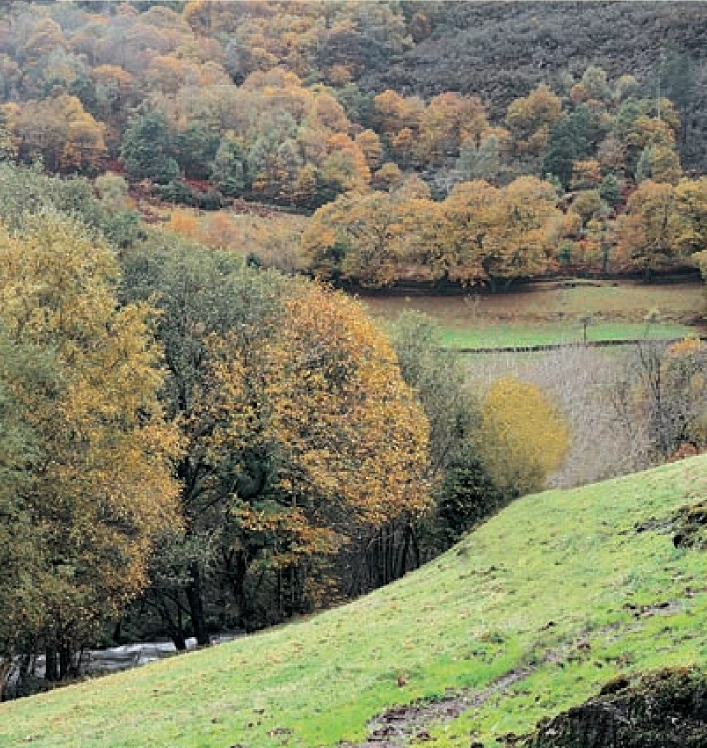
We start the route in the beautiful village of Ferreira, one of the best preserved of the municipality, where we can admire the popular architecture of the area while walking along its narrow paths in the shade of centuries-old vines.
After crossing the village we begin the ascent towards Nonide, entering little by little in wooded patches of chestnut, oak and birch trees, which open up in small clearings allowing us to see the canyon of the river Agüeira in its rapid flow towards its mouth in the river Navia. Passing Nonide we begin a steep descent immersed in a large chestnut forest, on whose slopes we can see “cortines”, circular stone constructions that protect the hives from attacks by wildlife and fire. Soon we will reach the river Allonca that brings water from neighboring Galicia and pours into the river Agüeira in an area known as “ponte de A coba” ideal place to take a bath and continue with energy the ascent to La Coba and Coba; from here we border the mountain halfway up the slope between the heather, gorse and broom alternating with small copses of native trees, which will make us arrive back to Ferreira quickly and pleasantly. Back at the starting point we can not end the day without enjoying the tourist area of Ferreira where we can rest and practice water activities (canoeing, fishing, bathing, etc.).
Hiking trails
-
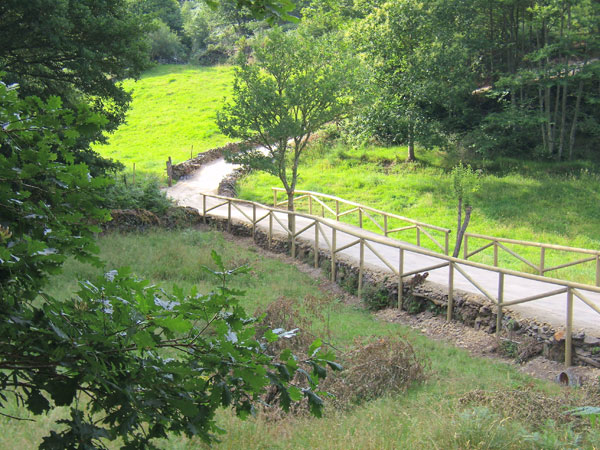
Green path of San Martín de Oscos
- San Martín de Oscos
 7.5 km
 3 hours
 Download
This is a circular route of about 7.5 km that starts and ends in the village of San Martín de Oscos. We start the route next to the tourist office going up to A Bouza, where we will contemplate an exceptional view of the village.
-
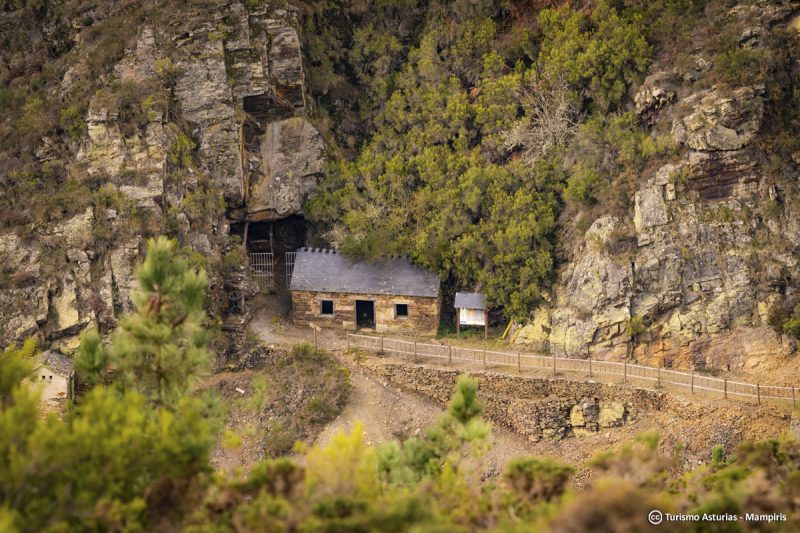
San Martín de Oscos Mining Route
- San Martín de Oscos
- 30,618 Km
Download the route in PDF and KML and follow the route with your mountain bike or MTB. With different levels of difficulty, duration, slope and length. If you don’t have a bike you can rent one.
-
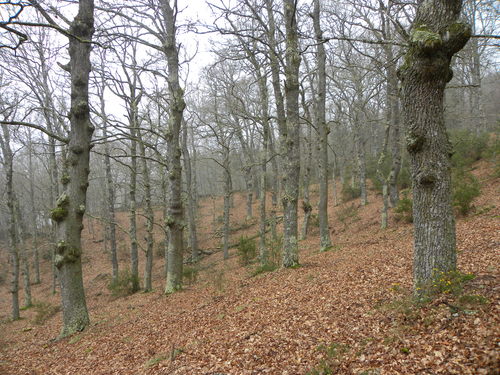
As Carballeiras Green Trail
- Santa Eulalia de Oscos
- 4.5 km
- 1 hour 20 minutes
- Download
This route starts at the Nature Interpretation Center, in the center of Santa Eulalia de Oscos.
-
Ouroso Route
- Taramundi
- 7.8 km
- 3 hours
- Download
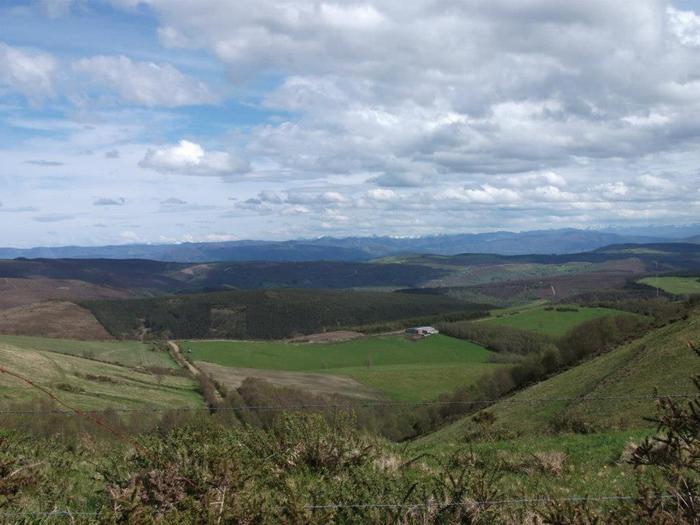
In the Teixo and just behind the hostel starts the forest track along which begins the walk to the Alto de Ouroso. The path is wide and passable by all-terrain vehicles, so there is hardly any possibility of getting lost. The route runs comfortably between wide pastures, heaths and pine forests of repopulation to reach a landing on which there is a small lagoon where at mid-morning many horses come to this point to water and refresh themselves in the shade of the pines. The animals graze in a semi-wild state and require little attention from their owners, which is why the number of horses has increased considerably in recent years.
-
Agüeira Green Path
- Villanueva de Oscos
- 14 km
- 5 h
- Media
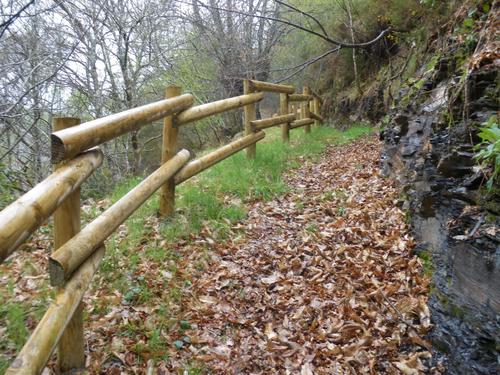
The route is made up of two circular sections starting and ending in the center of Villanueva. The longer one, about 12 km, coincides in part with the forest route.
-
Route of the “Estraperlo
- Vegadeo
- 8.2 km
- 2 hours and 30 minutes
- Download
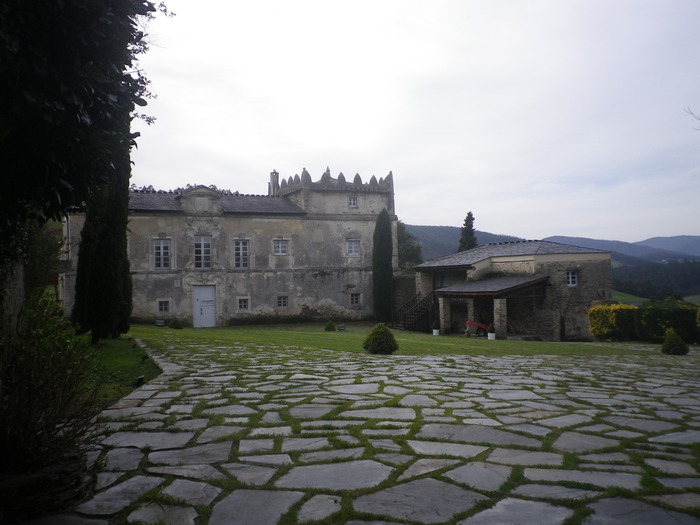
The route begins in Louteiro, which is accessed after taking a detour to the left shortly before leaving Vegadeo in the direction of Galicia. From the chapel of this village begins the route once used by pilgrims and pilgrims on pilgrimage to Santiago de Compostela, who avoided the main roads to pass products from Galicia to Asturias.


