


Water Route
- Taramundi
- Circular route
- 14 km
- 4 hours and 30 minutes
- Download
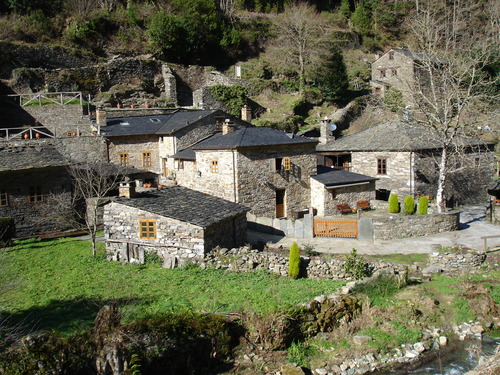
Its fourteen kilometers allow us to enjoy the water and its use for centuries in the rural environment. From the lower part of Taramundi we take a road that leads us to Mazonovo, where we can visit the Museum of Mills.
Continuing and after a short ascent we can see the Caserío de la Granda, from where we descend to the bottom of the valley, entering a dense native forest of chestnut and alder trees. Here we can choose to approach a waterfall returning to the main road to reach the village of Esquios, where you can visit a collection of tools and tools. In Esquios there are two alternatives: Continue straight on until you reach Veigas, or take a path to the left that crosses the river Turía and accesses Teixois. The Esquios-Veigas path runs through an extensive mass of chestnut trees in some areas mixed with oak and birch trees. Veigas, a fairytale village, is an example of well-preserved architecture, from which and taking the old road along the right side of the river Turía we arrive at Teixois, where there is a unique ethnographic complex (a set of hydraulic devices consisting of a mallet, mill, fulling mill, grinding wheel and small power plant). From Teixois, we take a path parallel to the stream of As Mestas that leads to Esquios, returning to Taramundi by the same way we started the route.
Hiking trails
-
Vegadeo – Vegadeo Route
- Vegadeo
 26,089 Km.
 Download
Download the route in PDF and KML and follow the route with your mountain bike or MTB. With different levels of difficulty, duration, slope and length. If you don’t have a bike you can rent one.
-
Ruta de los Ferreiros
- Taramundi
- 8 Km
 2h 30m
- Baja
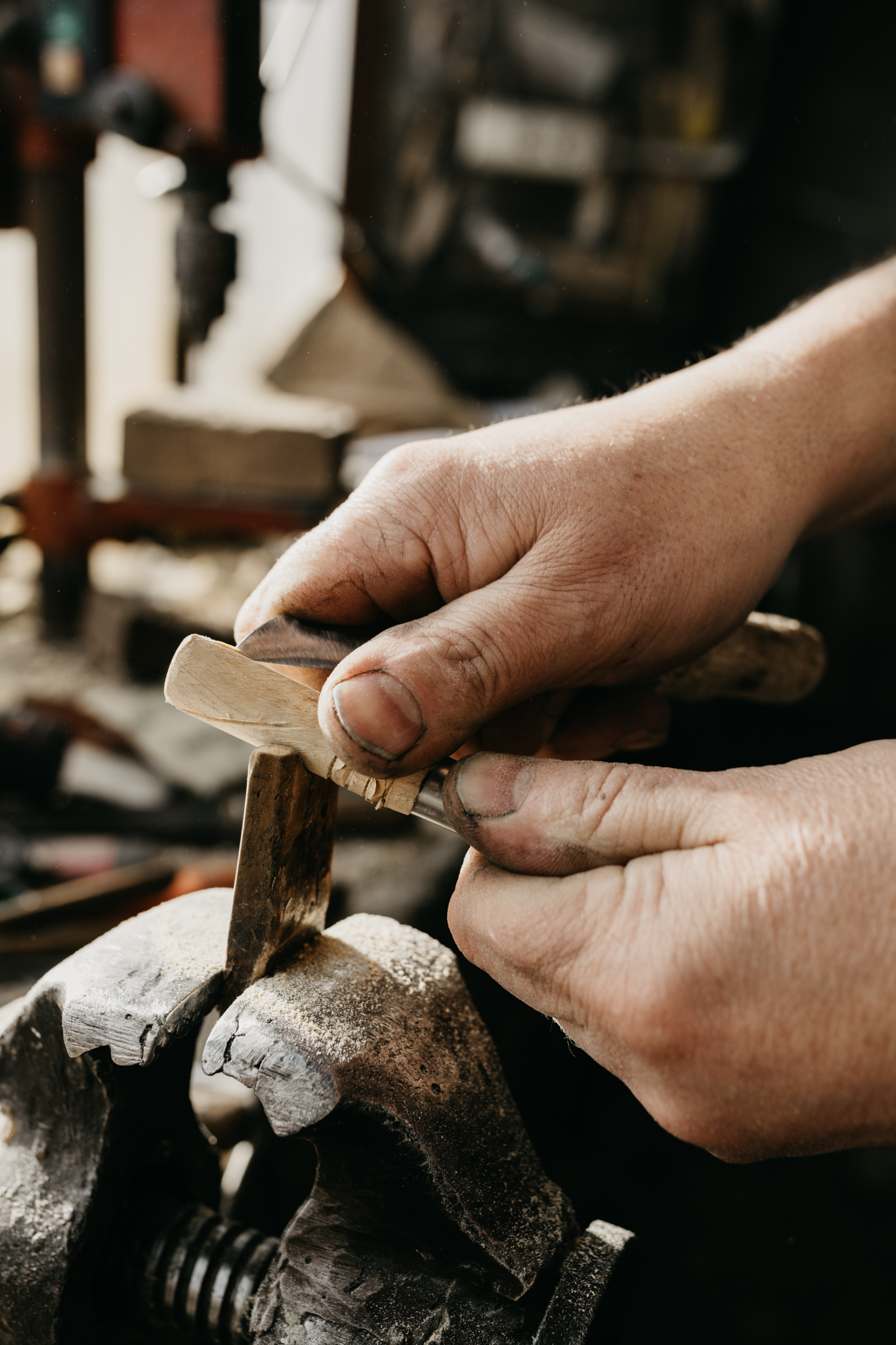
La Ruta de Os Ferreiros es un recorrido circular que invita a descubrir la esencia de Taramundi a través de su paisaje, su historia y sus oficios tradicionales. Un paseo accesible y lleno de encanto, perfecto para disfrutar de la naturaleza y el patrimonio cultural del concejo.
-
Cascada del Cioyo
- Castropol
- 3 km
- 1 - 2 horas
- Media
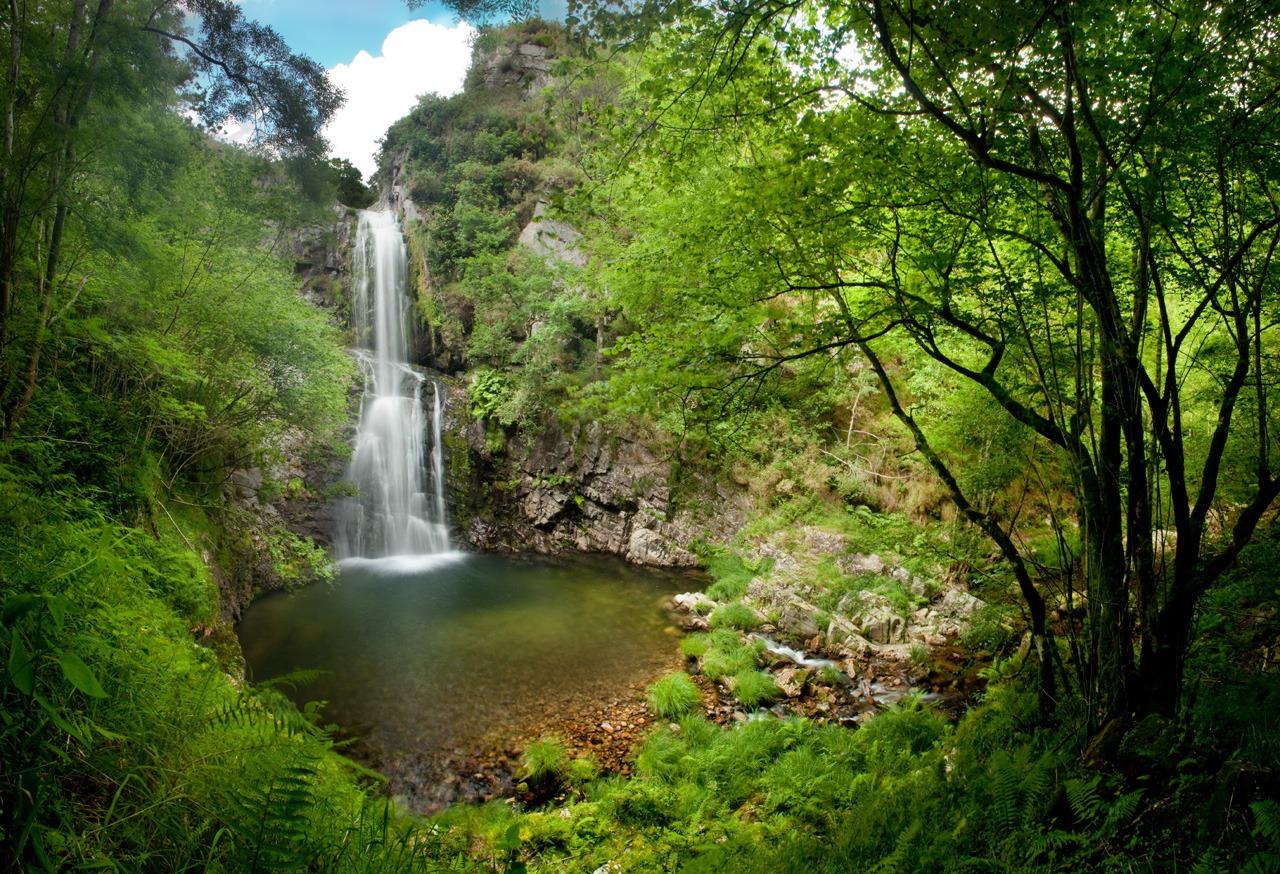
Escondida entre montañas y bosques del occidente asturiano, la Cascada del Cioyo es uno de esos lugares que parecen sacados de un cuento. El sonido del agua al caer, la vegetación exuberante que la rodea y la paz del entorno hacen de este rincón un destino ideal para quienes buscan conectar con la naturaleza. Una caminata entre árboles, pequeñas cascadas y paisajes que invitan a parar y respirar. Al final del recorrido, la gran cascada del Cioyo se abre paso con fuerza entre la roca, regalando una imagen de belleza salvaje difícil de olvidar.
-
Forcón de los Ríos Route
- Santa Eulalia de Oscos
- 13.3 km
- 4 hours
- Media
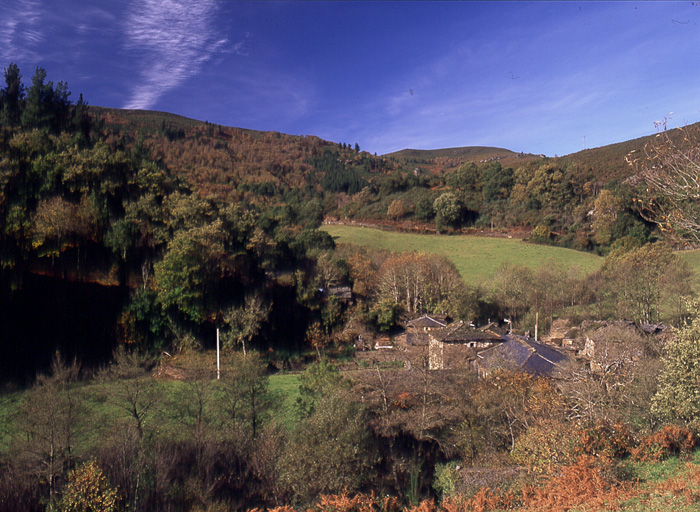
Route of nature and ethnography that begins next to the house of culture in Santa Eulalia de Oscos.
-
Route of the “Estraperlo
- Vegadeo
- 8.2 km
- 2 hours and 30 minutes
- Download
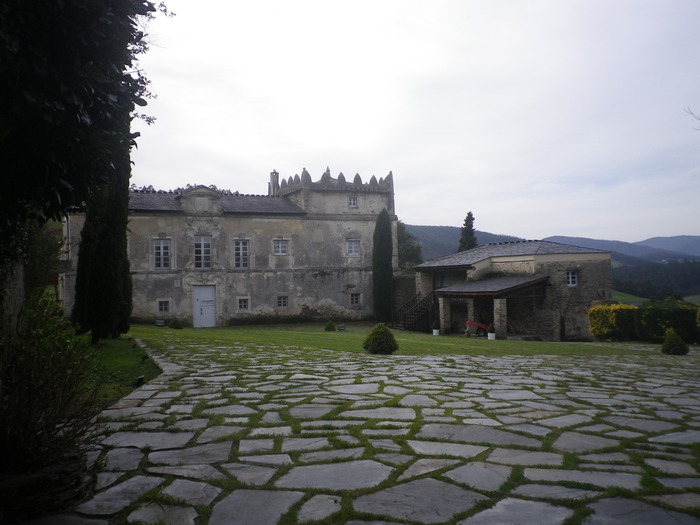
The route begins in Louteiro, which is accessed after taking a detour to the left shortly before leaving Vegadeo in the direction of Galicia. From the chapel of this village begins the route once used by pilgrims and pilgrims on pilgrimage to Santiago de Compostela, who avoided the main roads to pass products from Galicia to Asturias.
-
Ruta de Eiroá
- Taramundi
- 13 km
- 3h 50m
- Baja
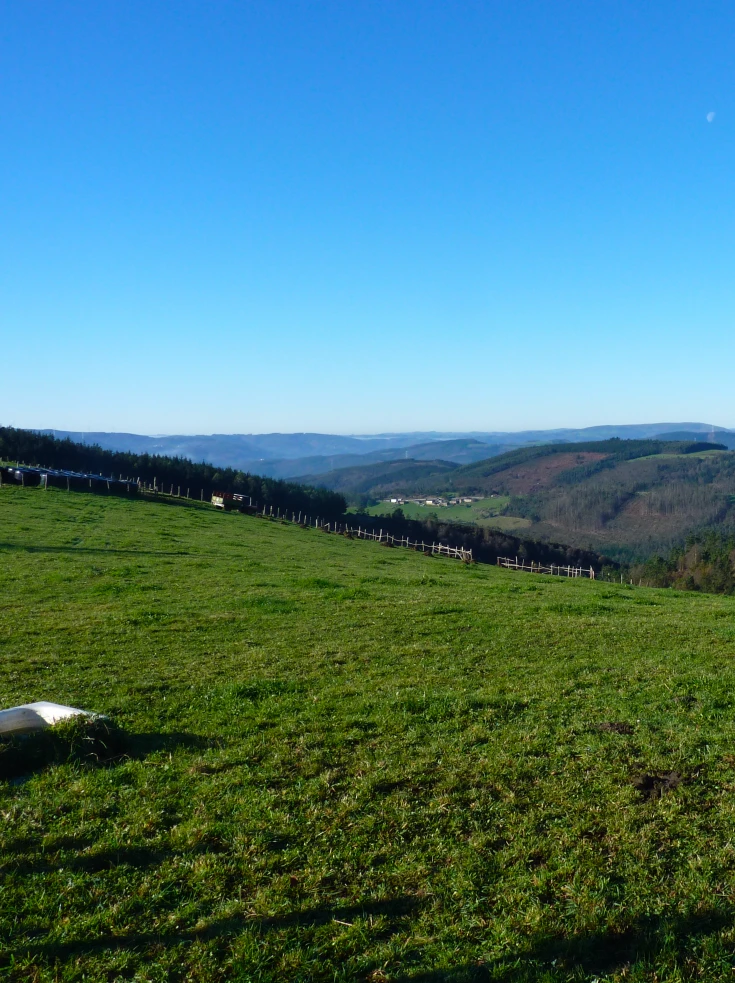
Esta ruta circular recorre buena parte del valle del río Cabreira, combinando caminos de montaña en la ida y de fondo de valle en la vuelta. Se inicia junto al hotel La Rectoral, tomando el camino que asciende entre el arbolado hacia la Sierra de Eiroá. Sin llegar a alcanzar su cumbre nos desviamos hacia el pueblo de Piñeiro, para llegar a él en suave descenso y disfrutar de su arquitectura tradicional y cabazos alzados al cielo.


