


- Home
- What to visit?
- Las Minas
Las Minas
- Villanueva de Oscos
- Mines
Recently, the Town Council of Villanueva de Oscos, with the collaboration of the Principality of Asturias, has recovered and rehabilitated the mines of this municipality.
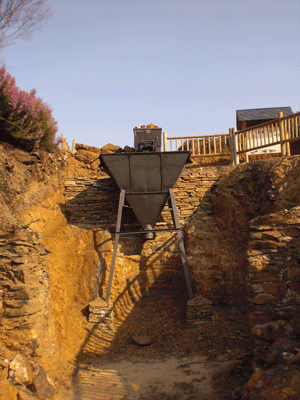
They are remains of mines from very different periods, from the Roman period, with the extraction of gold in Mina As Cárquivas, to much more recent exploitations, such as Mina Pena Tascón, which was abandoned in 1957.
The mines that can be visited in the municipality of Villanueva de Oscos are the following:
As Cárquivas Mine:
Extraction:
Gold
Chronology:
Roman undetermined/ Imperial Roman, Approximate period 1st and 2nd century.
Location:
On the AS-27 from El Puerto de la Garganta towards Santa Eulalia de Oscos.
Accessibility:
Good, by the AS-27 and AS-13.
Description:
Exploitation on primary, consisting of three cuts (open pit excavations worked with the Ruina Montium system), a gallery and tailings deposit.
Busdemouros Mine:
Mining:
iron ore and copper.
Chronology:
S. XVIII and XIX
Location:
It is accessed by the AS-11 towards Puerto de la Garganta from Vegadeo and turn off towards the village of Busdemouros.
Accessibility:
Good, by road AS-13 and AS-11 and asphalted track.
Description:
Ditches, slag heaps, and mouths can be seen.
Pena Tascón Mine:
Extraction:
Iron with lead and zinc
Chronology:
From the 14th to the 20th century (exploitation was abandoned in 1957).
Location:
Pena Curiscada, southeast of Villanueva de Oscos, near the village of Ovellariza.
Accessibility:
good by the AS-13, asphalt road from Ovellariza and a short stretch of dirt road.
Description:
The loading dock, trench, wagons, railroad track and galleries can be seen.
What to see?
-
Bres Craft Center
- Taramundi
- Craft
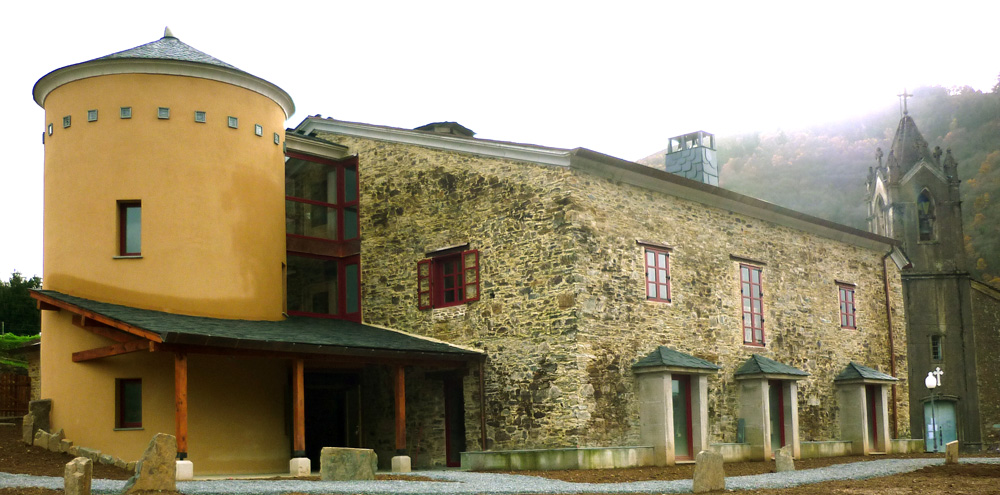
The Bres Craft Center is located in the old Casona de Villanueva, in the center of Bres, 5 kilometers from the capital of the council. This center was conceived as a facility to facilitate the knowledge and enhancement of craft activities, both new and traditional of the region.
-
House Museum of Traditional Cutlery
- Taramundi
- Museum
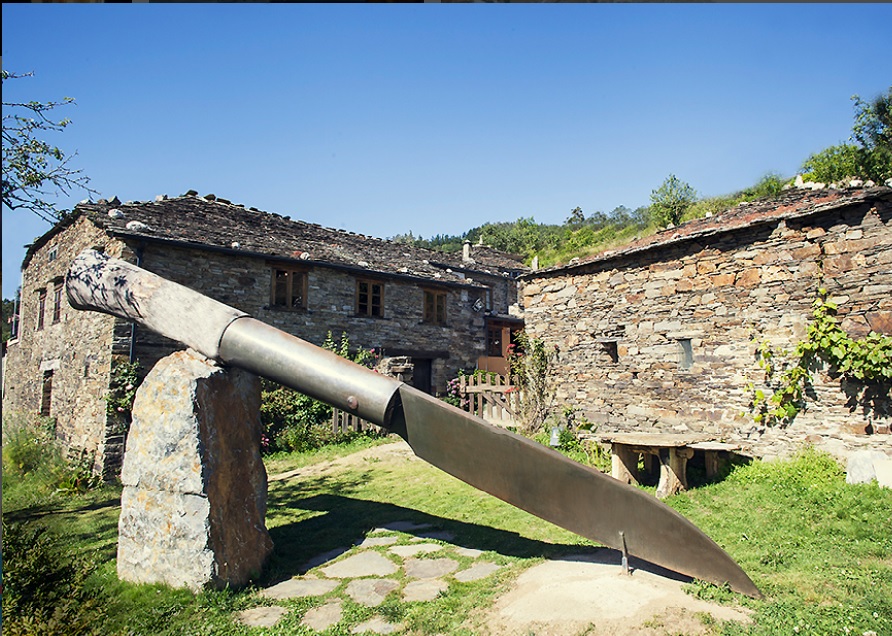
Located in Pardiñas, 1 km from the capital of the council, the museum of the Cutlery offers the possibility of approaching the most representative trade of the council of Taramundi: the navalleiros.
-
Ferrería de Santa Eufemia
- Villanueva de Oscos
- Ethnographic set
-
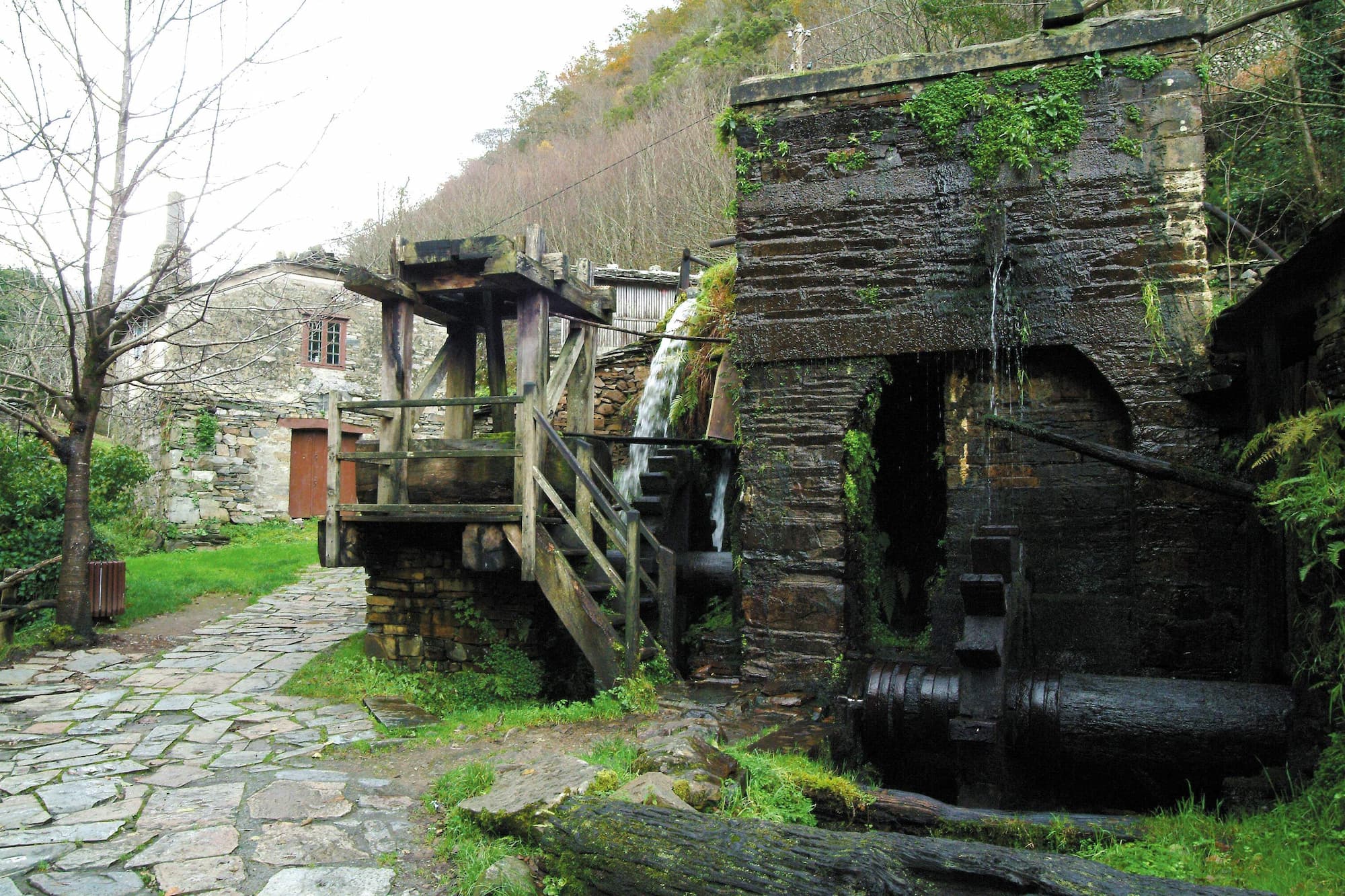
Os Teixois Ethnographic Ensemble
- Taramundi
- Ethnographic set
Os Teixois is one of the most interesting ethnographic sites in Asturias, where we can find several hydraulic devices recovered and available to anyone who wishes to visit them.
-
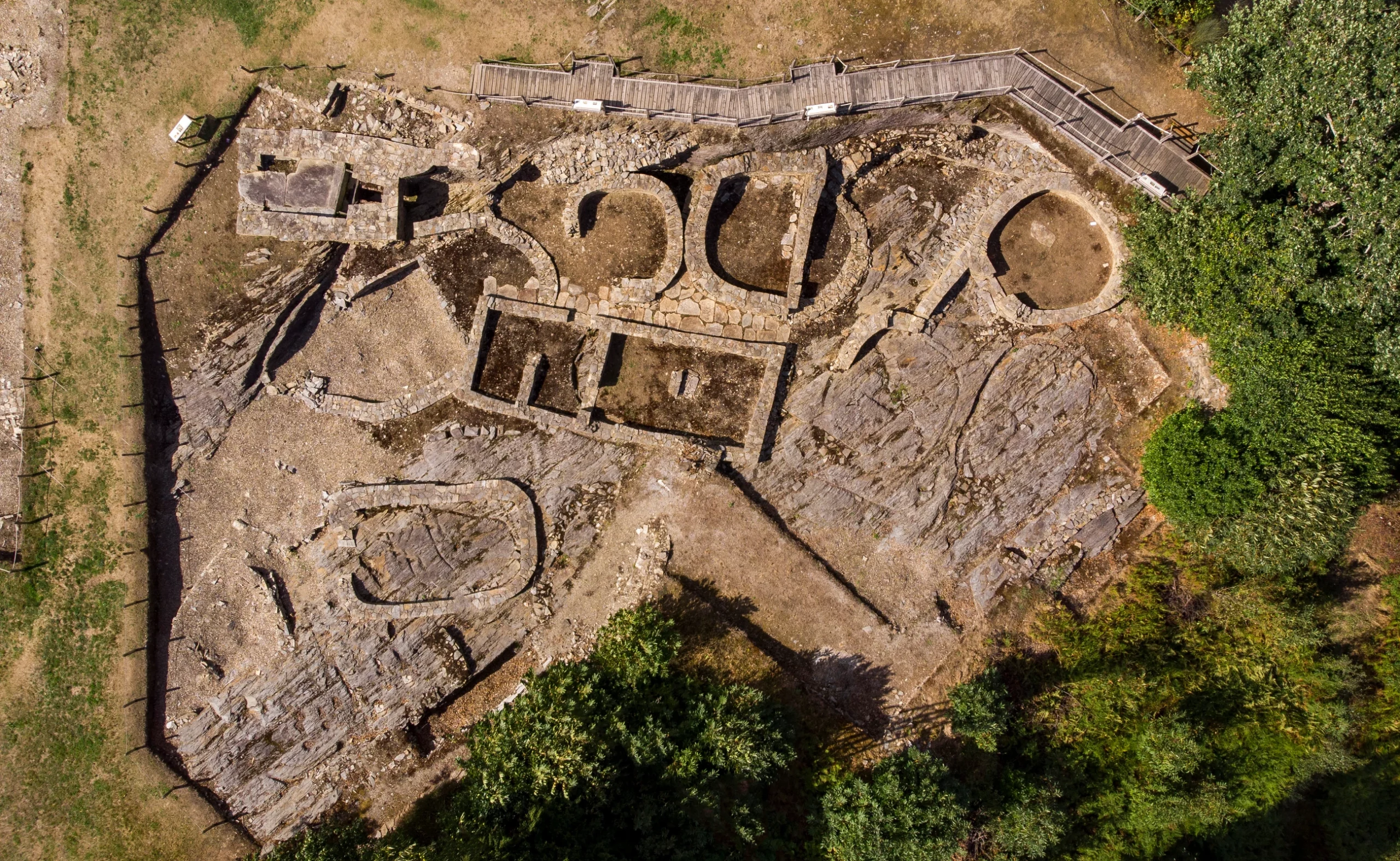
Yacimientos Arqueológicos “Os Castros”
- Taramundi
- Heritage
El yacimiento, conocido como Os Castros se localiza en la capital del concejo. Buena parte de su superficie se ha mantenido ajena al desarrollo urbano del municipio si bien la carretera que desciende hacia Mazonovo significó la destrucción algunas cabañas y parte de la muralla. En el año 2000 se iniciaron las excavaciones arqueológicas bajo patrocinio del Ayuntamiento de Taramundi, la Consejería de Cultura del Principado de Asturias y la meritoria colaboración de la asociación de hosteleros locales ANTURTA.
-

Castro As Croas de Eilale
- San Tirso de Abres
- Heritage


