


Ruta Piorno a os Fornos
- San Martín de Oscos
- Ruta circular
- 5,5 km
- 2h 30m
- Baja
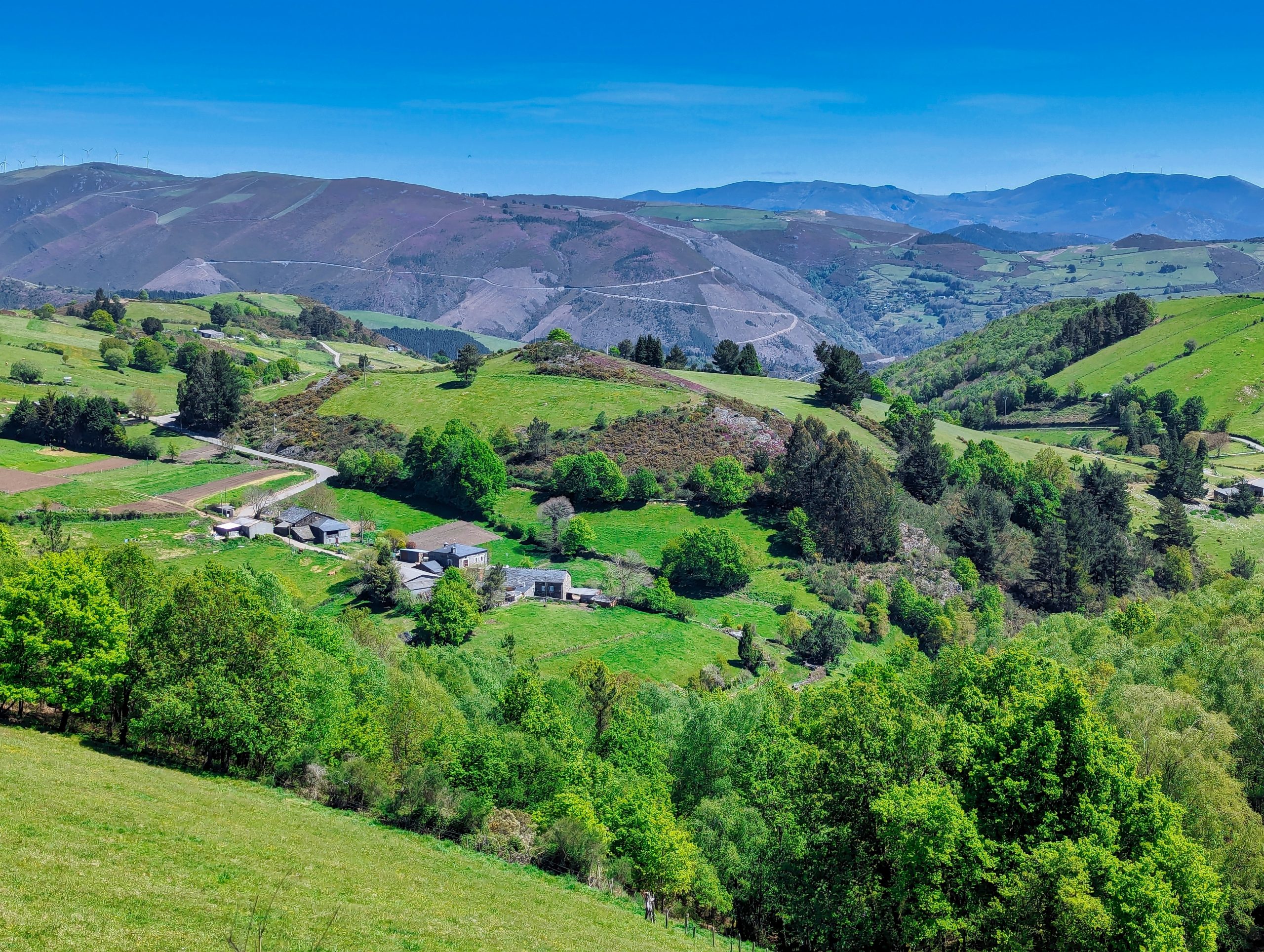
Iniciamos la ruta en el pueblo de Piorno, que se recomienda recorrer porque conserva excelentes muestras de arquitectura tradicional de los Oscos en piedra, pizarra y madera.
Frente al camino, al otro lado del valle, iremos viendo varias aldeas: primero Arne y Arruñada, luego Villanueva de San Cristóbal y después la Sierra de la Bobia. También podremos observar varios cortines (construcciones de piedra de forma circular, alrededor de las colmenas o trobos para resguardarlas de la fauna).
El paisaje nos sorprenderá con sus contrastes entre lo abrupto y lo suave, con sus sonidos: el río Soutelo, los pájaros,… la abundante vegetación autóctona: helechos, castaños, robles,… y la numerosa fauna: corzos, jabalís, zorros, azores y perdices.
Hiking trails
-
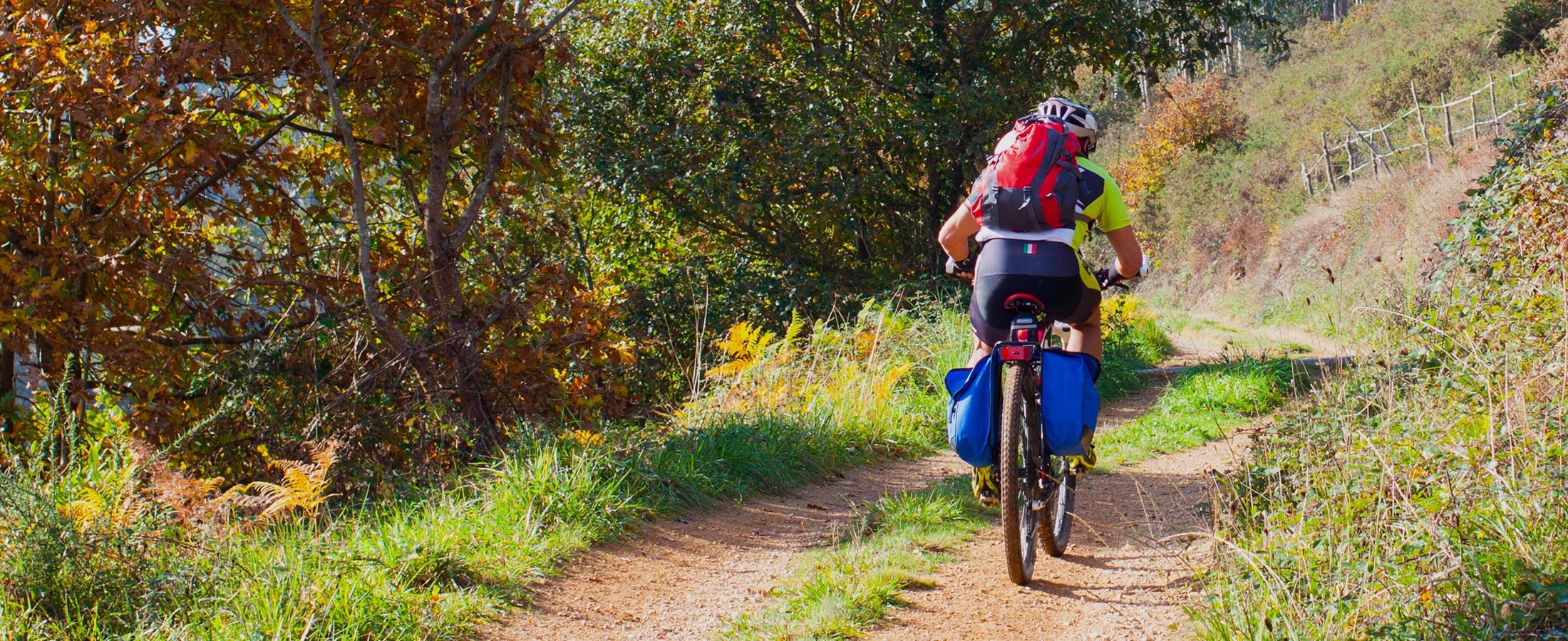
Vaguadas de Santa Eulalia de Oscos Route
- Santa Eulalia de Oscos
Download the route in PDF and KML and follow the route with your mountain bike or MTB.
-
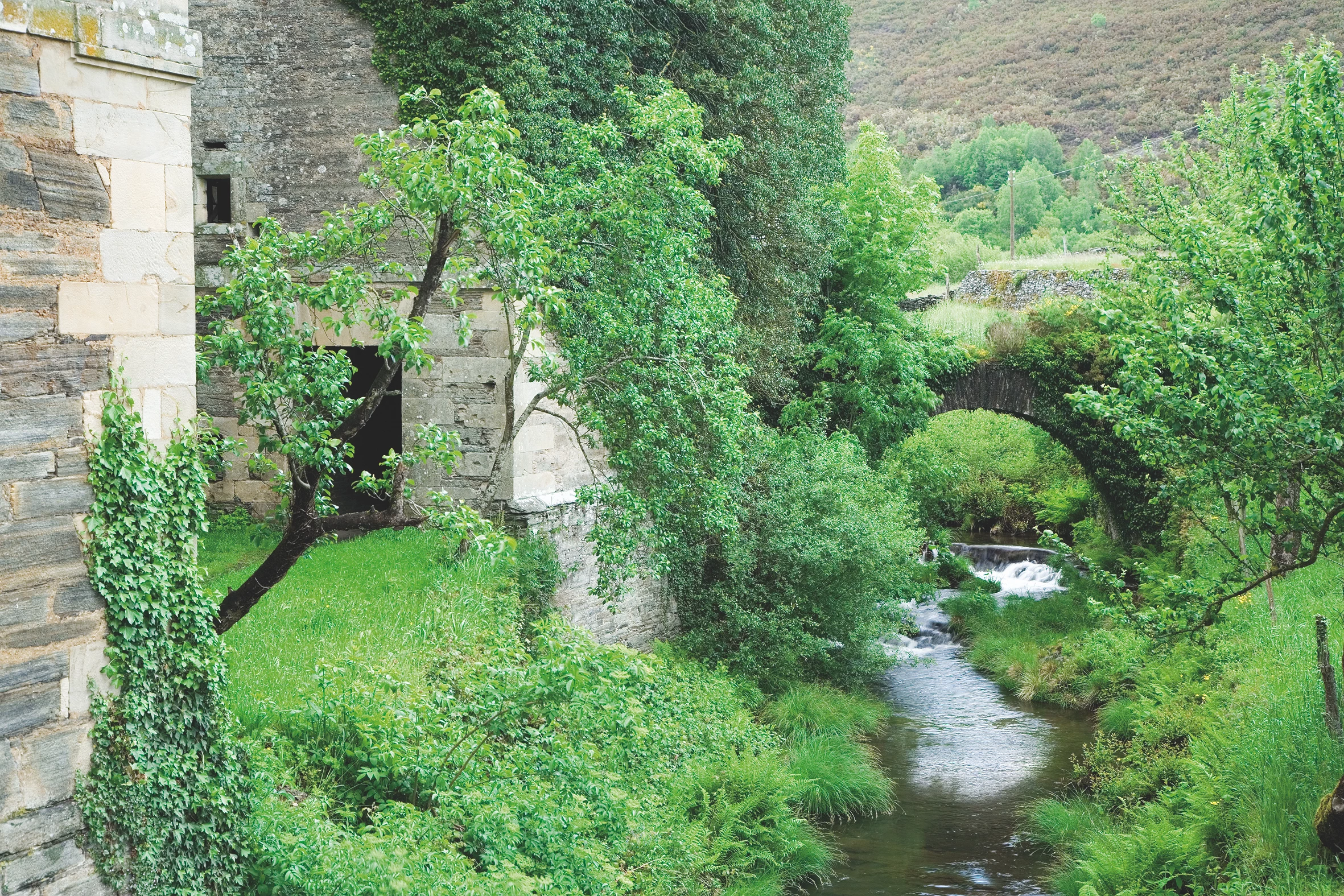
Balcones de Villanueva de Oscos Route
- Villanueva de Oscos
 25,272 Km
 5 hours
  Download
Download the route in PDF and KML and follow the route with your mountain bike or MTB. With different levels of difficulty, duration, slope and length. If you don’t have a bike you can rent one.
-
San Tirso de Abres – Vegadeo Route
- San Tirso de Abres
Download the route in PDF and KML and follow the route with your mountain bike or MTB.
-
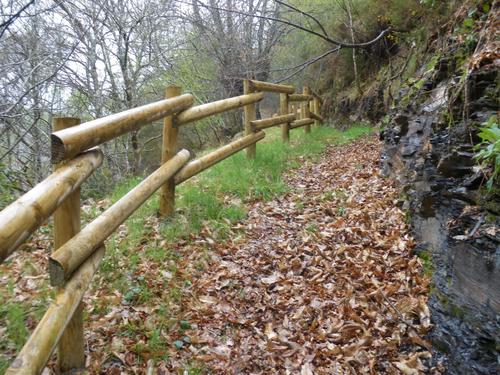
Agüeira Green Path
- Villanueva de Oscos
- 14 km
- 5 h
- Media
The route is made up of two circular sections starting and ending in the center of Villanueva. The longer one, about 12 km, coincides in part with the forest route.
-
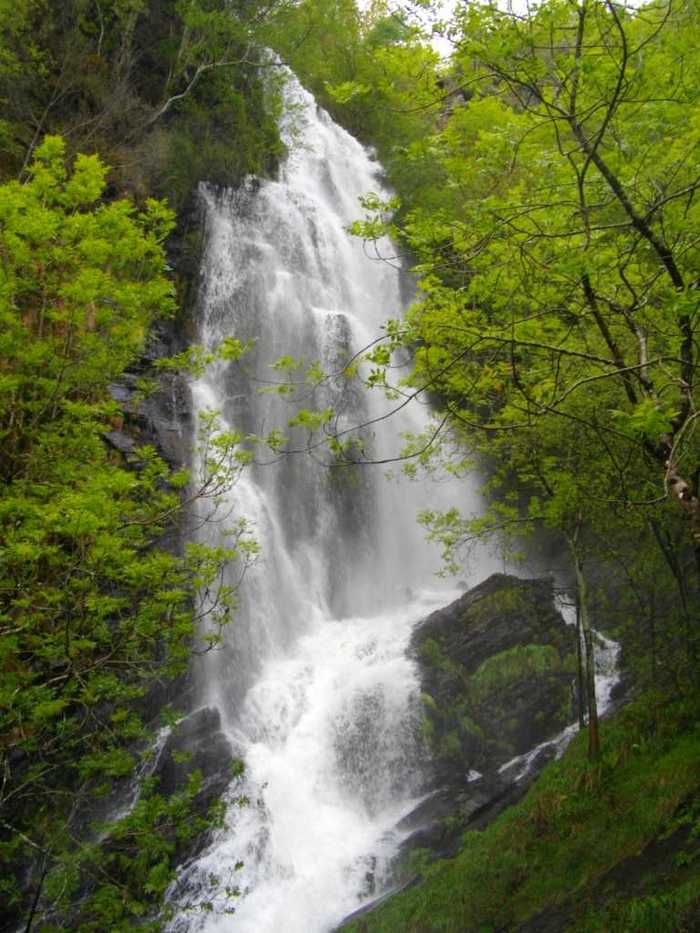
A Seimeira Route
- Santa Eulalia de Oscos
- 8 km round trip
- 3 hours
- Download
The route begins in the recreational area of Pumares; we cross the road and head parallel to the river to Pumares, a village of old ferreira activity, where we can still see the remains of an old mallet. From here, along a marked path, and leaving the river Agüeira to our left, we continue a slight ascent into a legendary forest characterized by riparian species (alders, ashes, willows, and hazelnut trees) and by oaks and chestnut trees that with their whimsical shapes are true monuments.
-
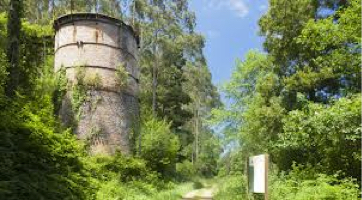
As Minas Route
- Castropol
- 5 km
- 1 hour and a half
- low
The route starts in the town of Tol. At the crossroads of the church of San Salvador, follow the signs to the parking area Fontequias, in the vicinity of the neighborhood of Cabaleiros.


