


A Seimeira Route
- Santa Eulalia de Oscos
- Linear route
- 8 km round trip
- 3 hours
- Download
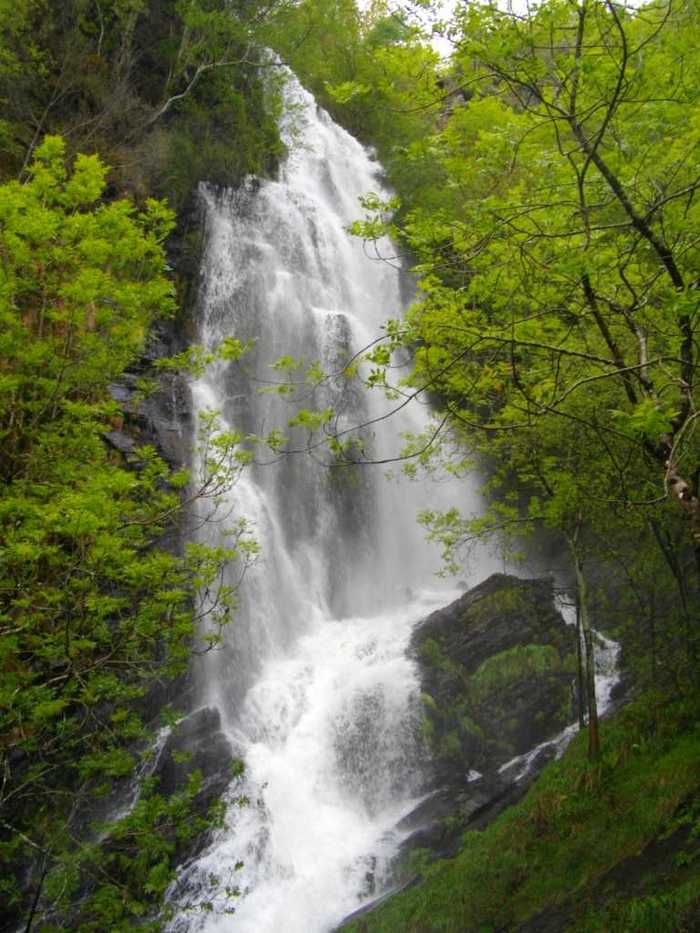
The route begins in the recreational area of Pumares; we cross the road and head parallel to the river to Pumares, a village of old ferreira activity, where we can still see the remains of an old mallet. From here, along a marked path, and leaving the river Agüeira to our left, we continue a slight ascent into a legendary forest characterized by riparian species (alders, ashes, willows, and hazelnut trees) and by oaks and chestnut trees that with their whimsical shapes are true monuments.
Most of the path is guarded by stone walls adorned with moss, with a soft carpet of leaf litter that cushions our steps. Already in the Ancadeira we pass by several abandoned buildings that show us the importance that the place had. We continue through the magical and lonely “Valle del Desterrado” that leads us to a crossroads where we can continue straight ahead until we reach the waterfall (seimeira) of about 30 meters of fall or turn left across a small bridge that will take us after a slight ascent to the village of Busqueimado where we can visit the chapel, dedicated to San Pedro, accompanied by two impressive yew trees listed as a natural monument. The way back will be done by the same path in reverse.
Hiking trails
-
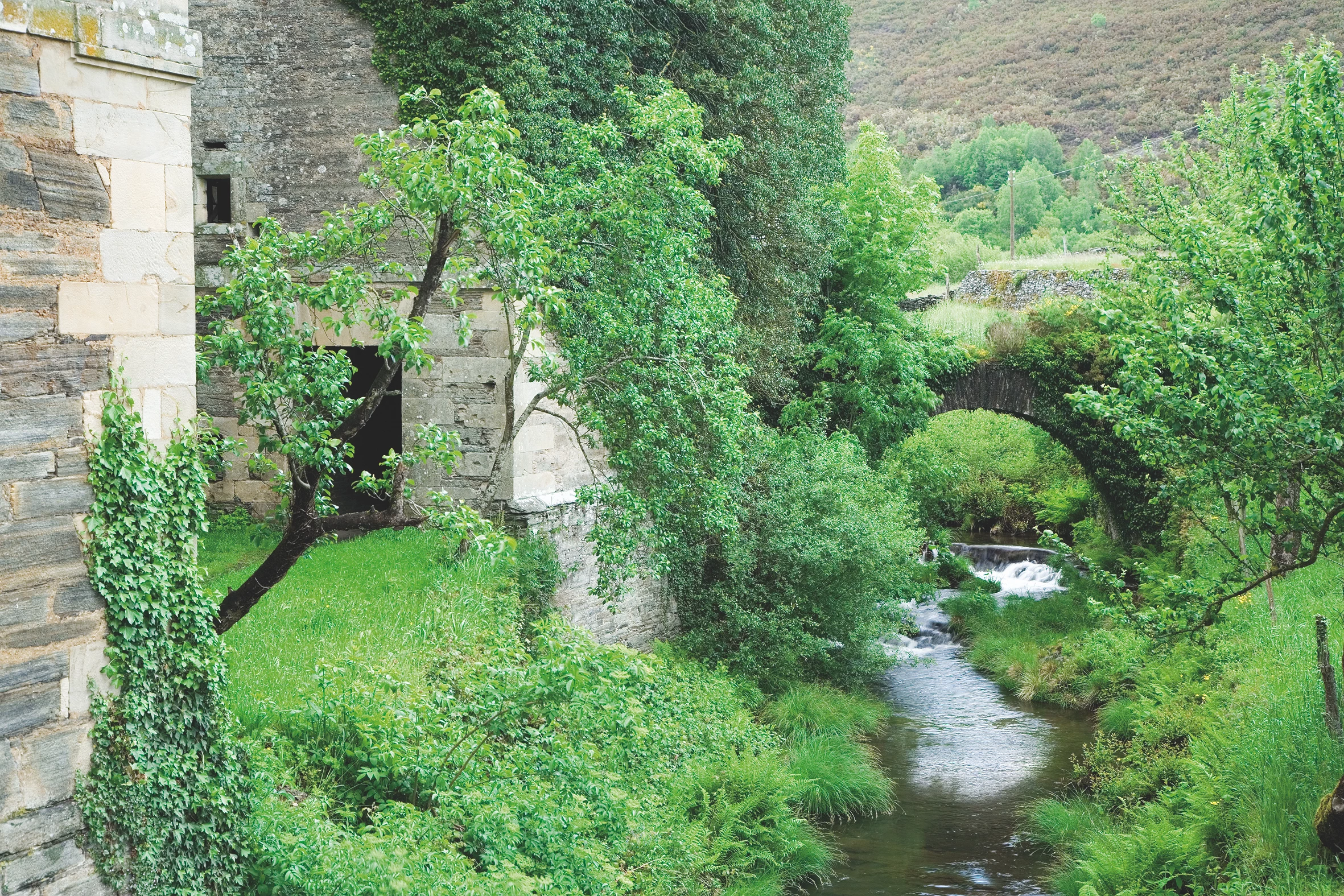
Balcones de Villanueva de Oscos Route
- Villanueva de Oscos
 25,272 Km
 5 hours
  Download
Download the route in PDF and KML and follow the route with your mountain bike or MTB. With different levels of difficulty, duration, slope and length. If you don’t have a bike you can rent one.
-
Forcón de los Ríos Route
- Santa Eulalia de Oscos
- 13.3 km
- 4 hours
- Media
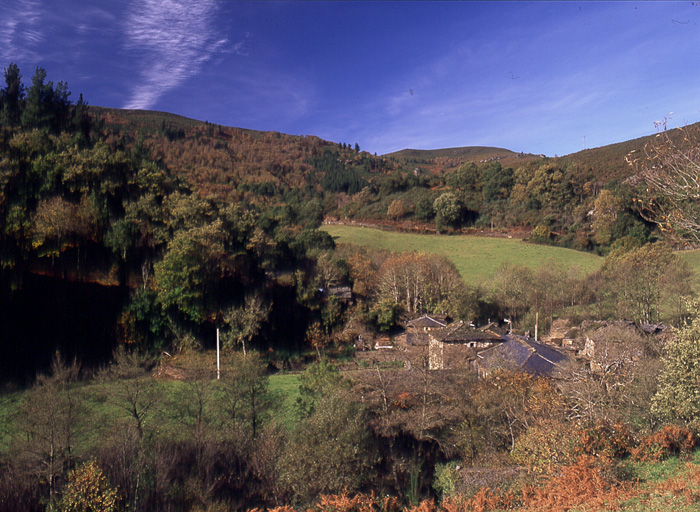
Route of nature and ethnography that begins next to the house of culture in Santa Eulalia de Oscos.
-
Coastal Path Tapia – Figueras
- Castropol
- 14 km
- 4 hours
- Download
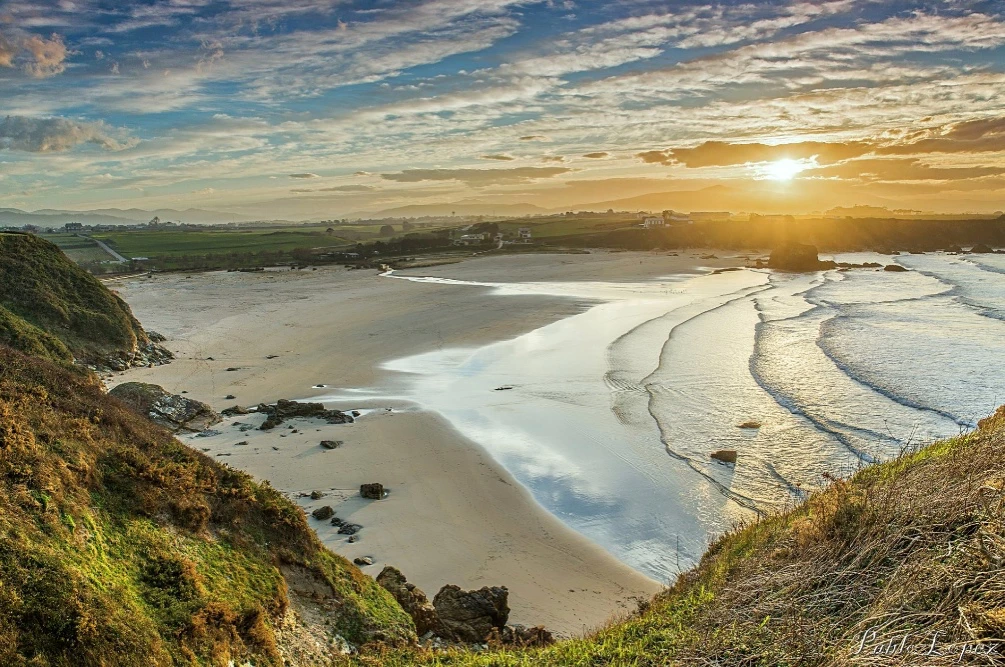
In our region the route starts at Penarronda beach, declared a natural monument for its high environmental values, a beach that holds the blue flag and where you can not miss a good swim.
-
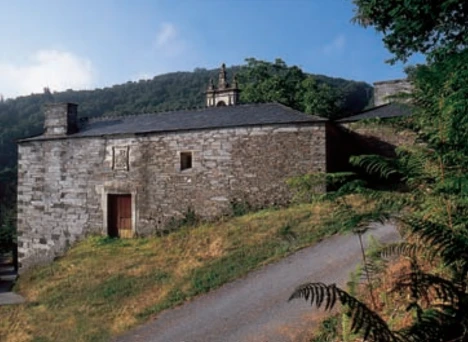
Mon Route
- San Martín de Oscos
- 12.6 km
- 4.5 hours
- Media
The itinerary begins in the village of A Revoqueira, three kilometers from San Martín.
-
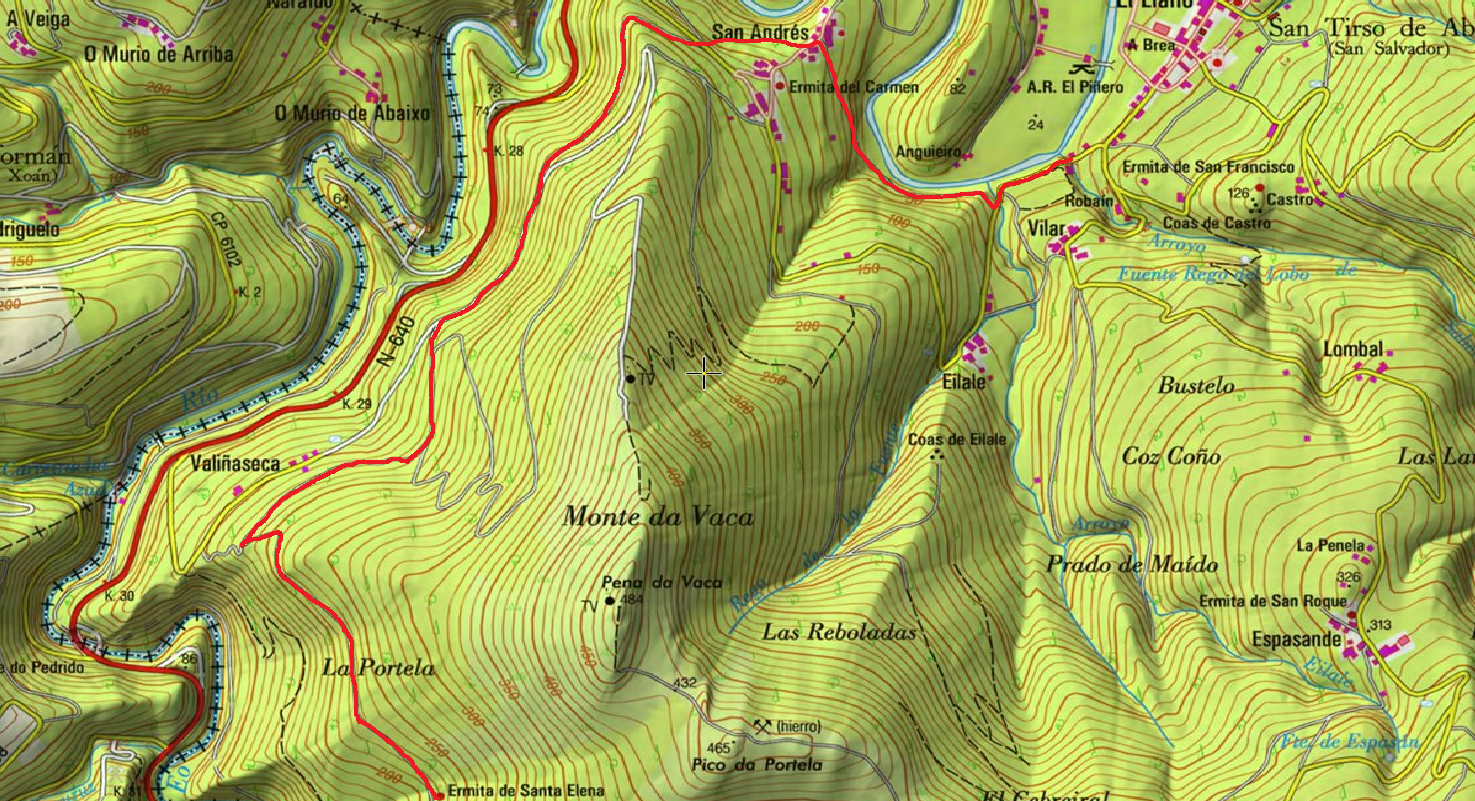
Ruta de los Pañeiros
- San Tirso de Abres
- 6 km (solo ida)
- 2 horas
- Baja
Antiguo Camino de Santiago que acogía a los romeros llegados por la Ría del Eo.
-
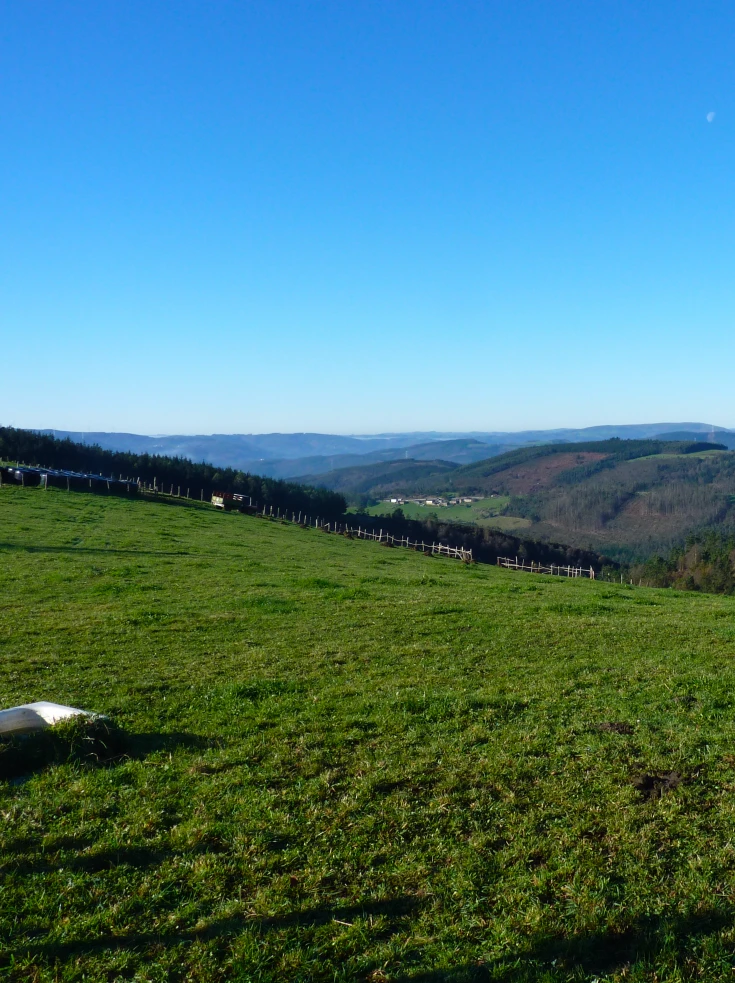
Ruta de Eiroá
- Taramundi
- 13 km
- 3h 50m
- Baja
Esta ruta circular recorre buena parte del valle del río Cabreira, combinando caminos de montaña en la ida y de fondo de valle en la vuelta. Se inicia junto al hotel La Rectoral, tomando el camino que asciende entre el arbolado hacia la Sierra de Eiroá. Sin llegar a alcanzar su cumbre nos desviamos hacia el pueblo de Piñeiro, para llegar a él en suave descenso y disfrutar de su arquitectura tradicional y cabazos alzados al cielo.


