


- Home
- What to visit?
- Feria de las Roscas de Semana Santa
Feria de las Roscas de Semana Santa
- San Tirso de Abres
- Fiestas y Eventos
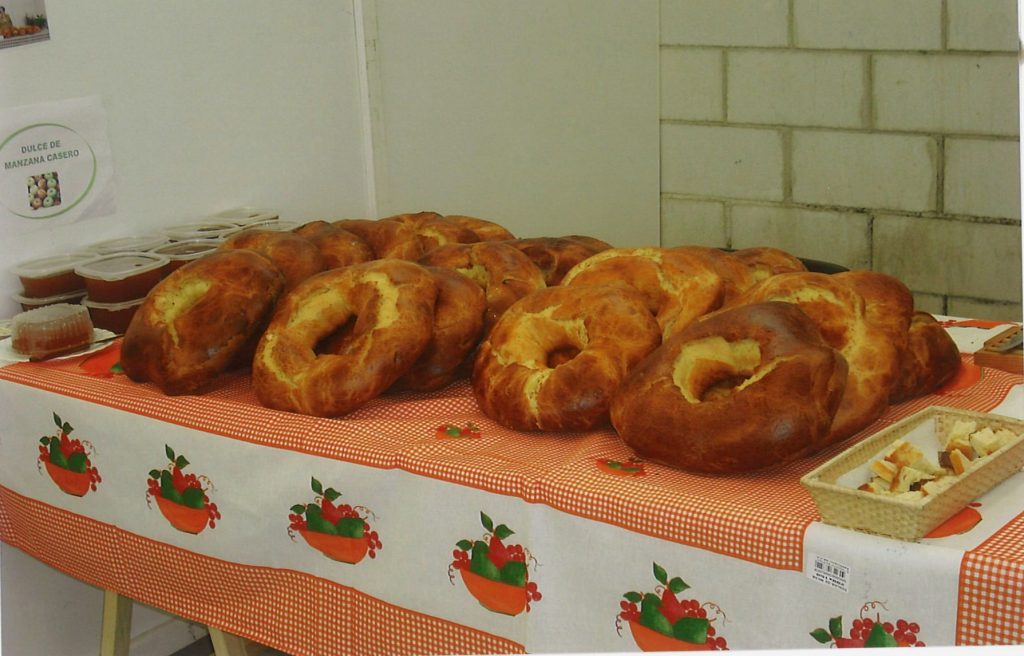
La Feria de las Roscas de Semana Santa en San Tirso de Abres es una celebración tradicional que honra uno de los postres más emblemáticos del concejo: la rosca de Jueves Santo. Este dulce casero, elaborado con una receta transmitida de generación en generación, tiene su origen en la necesidad de aprovechar los huevos prohibidos durante la Cuaresma. La feria busca preservar y promover esta tradición, involucrando a la comunidad local en su elaboración y difusión
What to see?
-

Castro As Croas de Eilale
- San Tirso de Abres
- Heritage
-
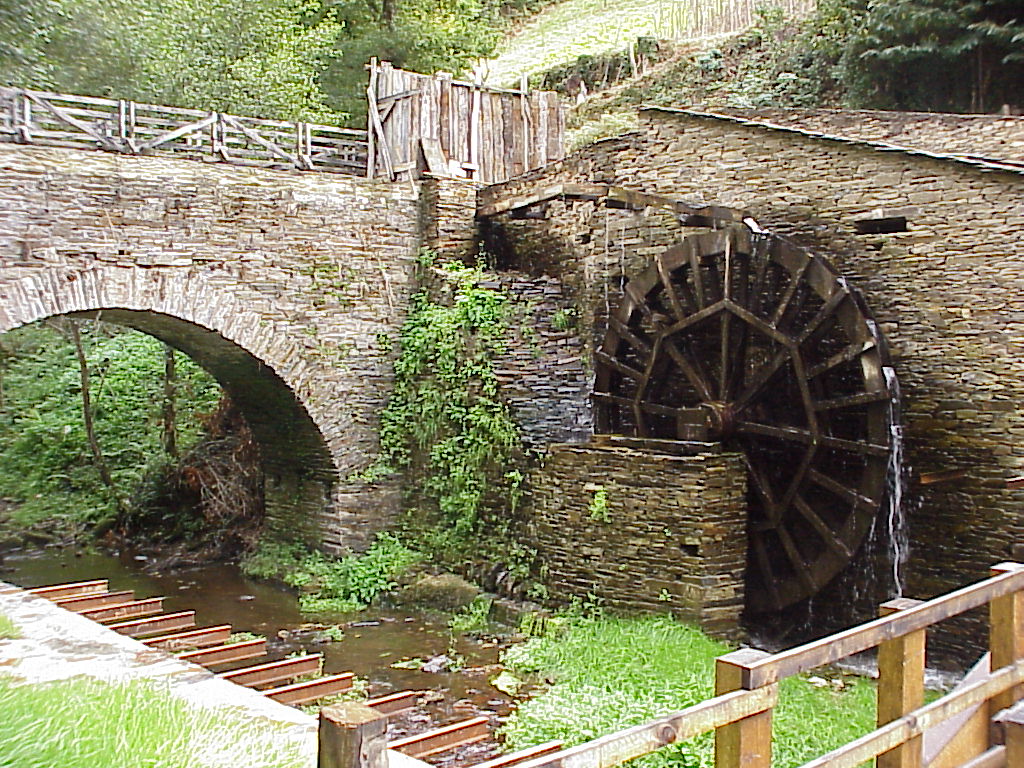
Interactive Museum of the Mills in Mazonovo
- Taramundi
- Museum
This museum was created to show the great variety of hydraulic and hand-operated mills that were used throughout history and in different parts of the world to grind cereals.
-
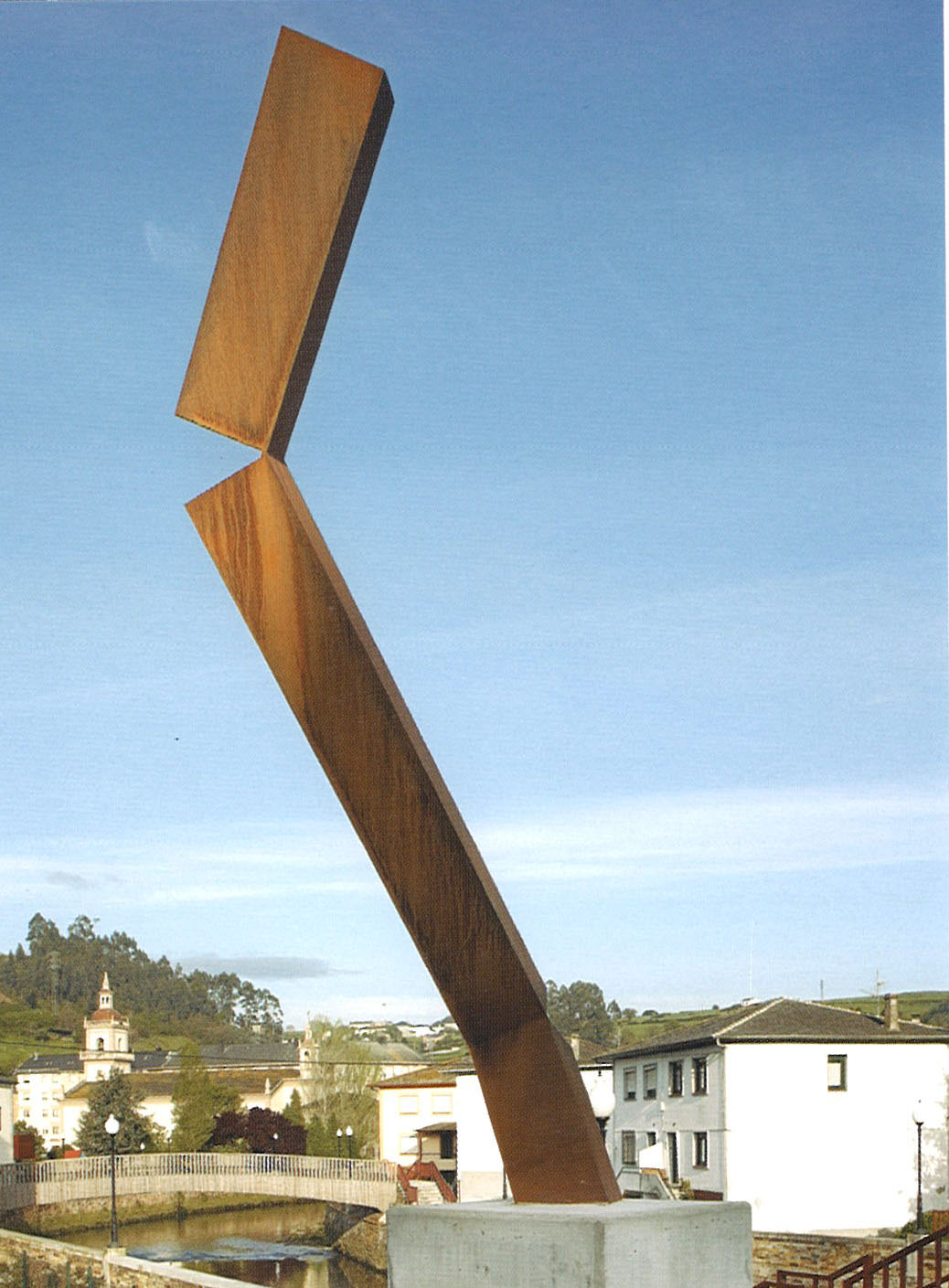
Contemporary art sculptures and sculptures by César Montaña (Vegadeo)
- Vegadeo
- Sculpture
The town of Vegadeo has the peculiarity of being crossed by two rivers: the Monjardín and the Suarón, which have twelve bridges that cross them (six each). Taking advantage of this circumstance, the idea was that visitors to Vegadeo could get to know the town center by crossing these bridges, and enriching the visit with a sculpture on each of them.
-
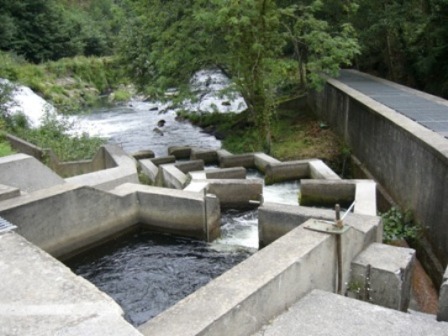
Escala de Salmones
- San Tirso de Abres
-
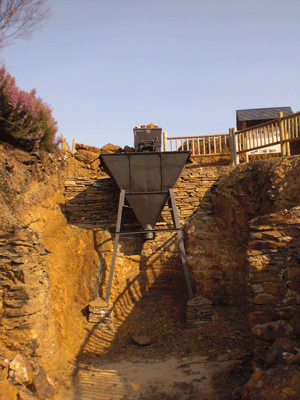
Las Minas
- Villanueva de Oscos
- Mines
Recently, the Town Council of Villanueva de Oscos, with the collaboration of the Principality of Asturias, has recovered and rehabilitated the mines of this municipality.
-
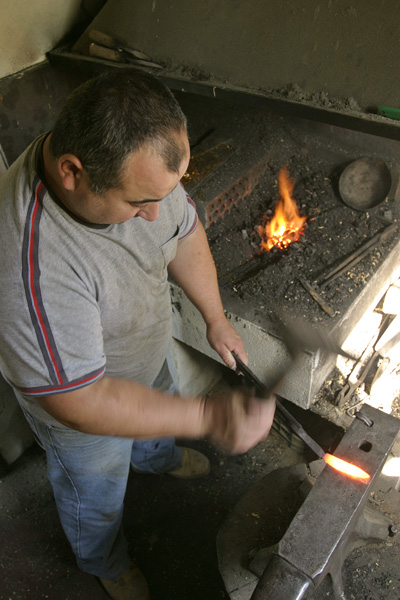
Knife and razor artisan workshops
- Taramundi
Some artisans perform demonstrations in their workshops of the craft they develop. In this way, visitors can see the whole process of elaboration of the products, which also allows them to actively participate in the process.


