


- Home
- What to visit?
- Castro As Croas de Eilale
Castro As Croas de Eilale
- San Tirso de Abres
- Heritage
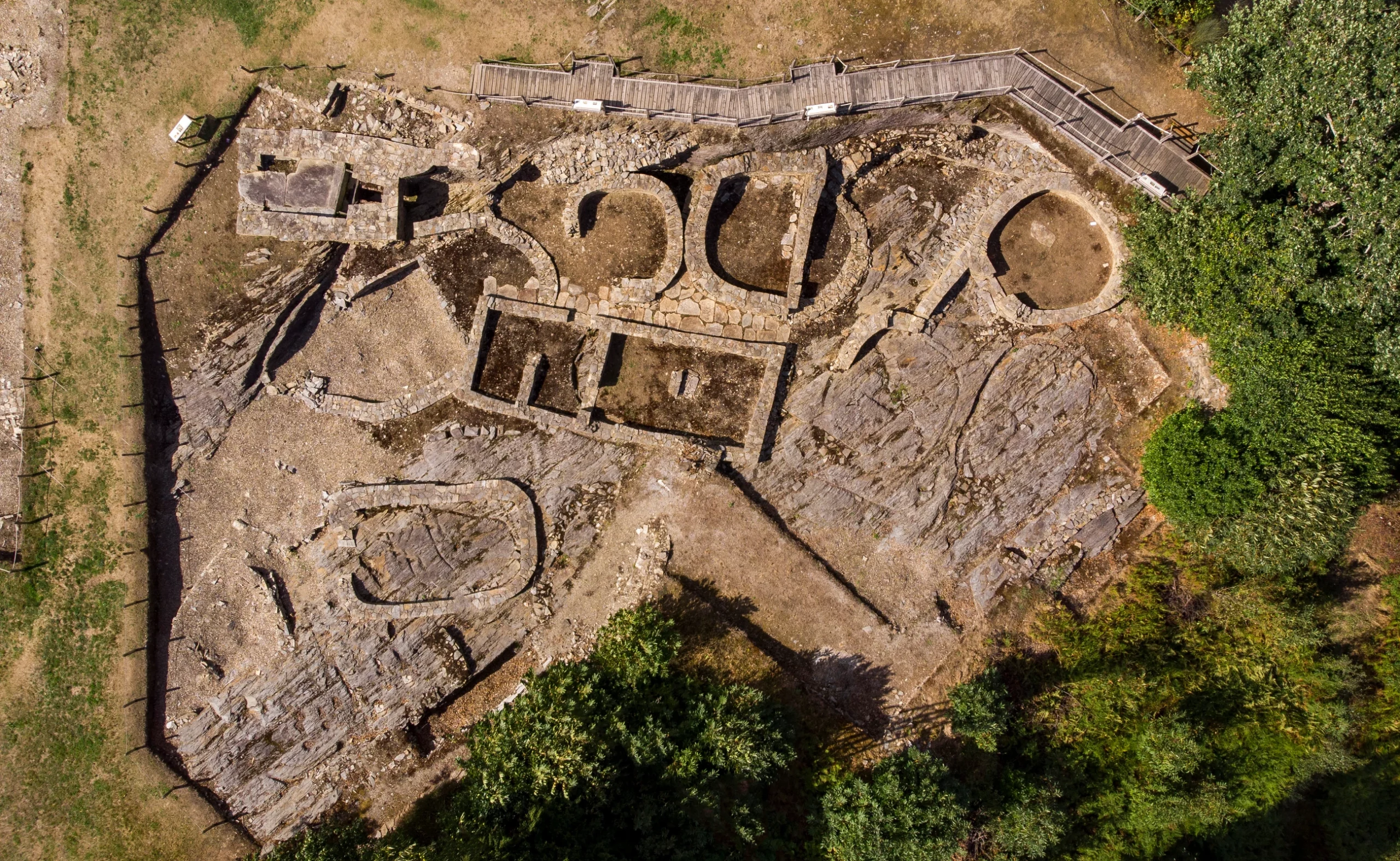
As Croas de Eilale es un castro situado en el concejo de Santiso d’Abres (Asturias), en un alto del monte da Vaca, a 173 metros de altitud. Se trata de un asentamiento fortificado de época prerromana, con una planta ovalada de unos 130 × 85 metros. Su sistema defensivo es muy destacado, con tres fosos, contrafosos y restos de murallas. Desde él se domina visualmente el valle del Eo, lo que le daba un valor estratégico. Se cree que estuvo vinculado a la explotación minera de hierro de la zona, especialmente a la mina de La Rebolada. Es un ejemplo de castro de montaña con función económica y defensiva. Actualmente está parcialmente cubierto por vegetación. Aunque en estado de ruina, conserva un gran interés arqueológico y patrimonial. Es uno de los castros mejor defendidos del occidente asturiano.
What to see?
-
Yacimientos Arqueológicos “Os Castros”
- Taramundi
- Heritage
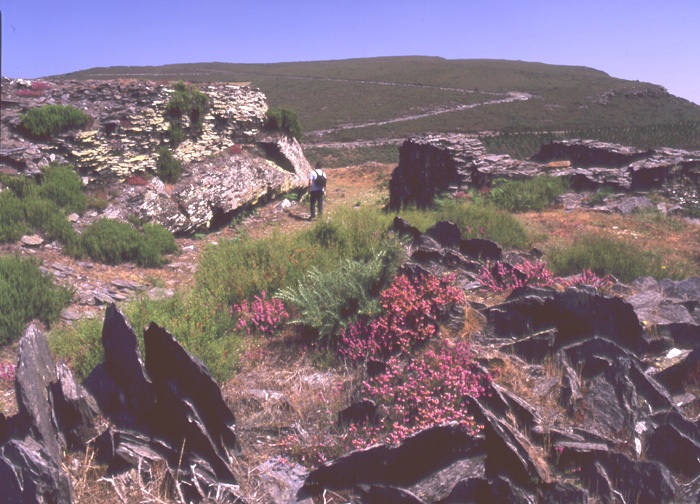
El yacimiento, conocido como Os Castros se localiza en la capital del concejo. Buena parte de su superficie se ha mantenido ajena al desarrollo urbano del municipio si bien la carretera que desciende hacia Mazonovo significó la destrucción algunas cabañas y parte de la muralla. En el año 2000 se iniciaron las excavaciones arqueológicas bajo patrocinio del Ayuntamiento de Taramundi, la Consejería de Cultura del Principado de Asturias y la meritoria colaboración de la asociación de hosteleros locales ANTURTA.
-
Los Castros
- San Martín de Oscos
- Heritage
The castros are population centers of an eminently strategic and defensive nature. They are found throughout the northwest of the peninsula (castreña culture). These settlements arise in the transition from the Bronze Age to the Iron Age, reaching its peak during the Second Iron Age.
-
Eo Leche Artisan Cheese Factory
- Taramundi
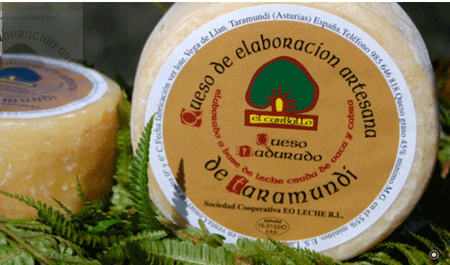
The Eo Leche Taramundi cheese factory is located in the Parque de Empresas Artesanas, about 400 meters from the center of the town of Taramundi.
-
Interpretation Center of Fishing in the Eo River
- San Tirso de Abres
- Interpretation center
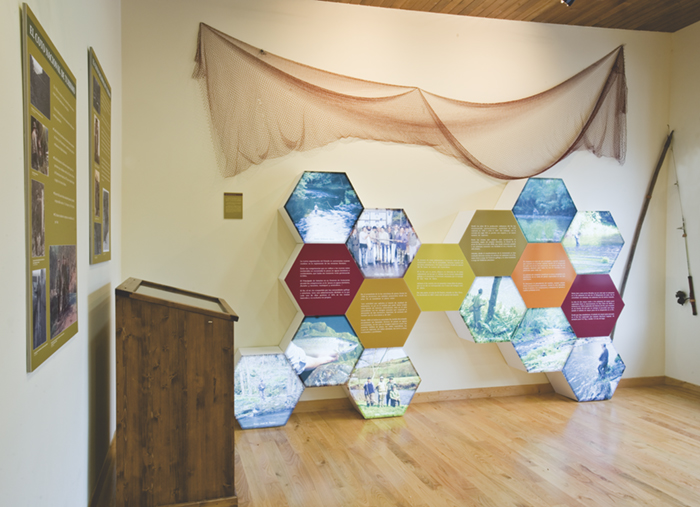
Through different media (audiovisual, photographic and computer) we can learn about the Eo River, the different species that inhabit it or the relationship of man with the river; how humans have taken advantage of the wealth offered by its waters and, above all, the importance that fishing has had in the area.
-

Mina do Salgueiro
- San Tirso de Abres
- Mines
-
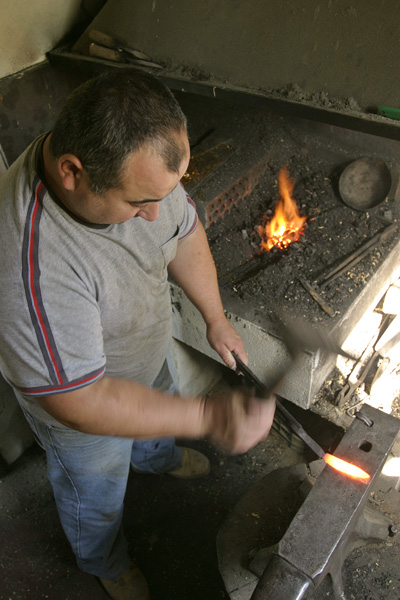
Knife and razor artisan workshops
- Taramundi
Some artisans perform demonstrations in their workshops of the craft they develop. In this way, visitors can see the whole process of elaboration of the products, which also allows them to actively participate in the process.


