


- Home
- What to visit?
- Interactive Museum of the Mills in Mazonovo
Interactive Museum of the Mills in Mazonovo
- Taramundi
- Museum
This museum was created to show the great variety of hydraulic and hand-operated mills that were used throughout history and in different parts of the world to grind cereals.
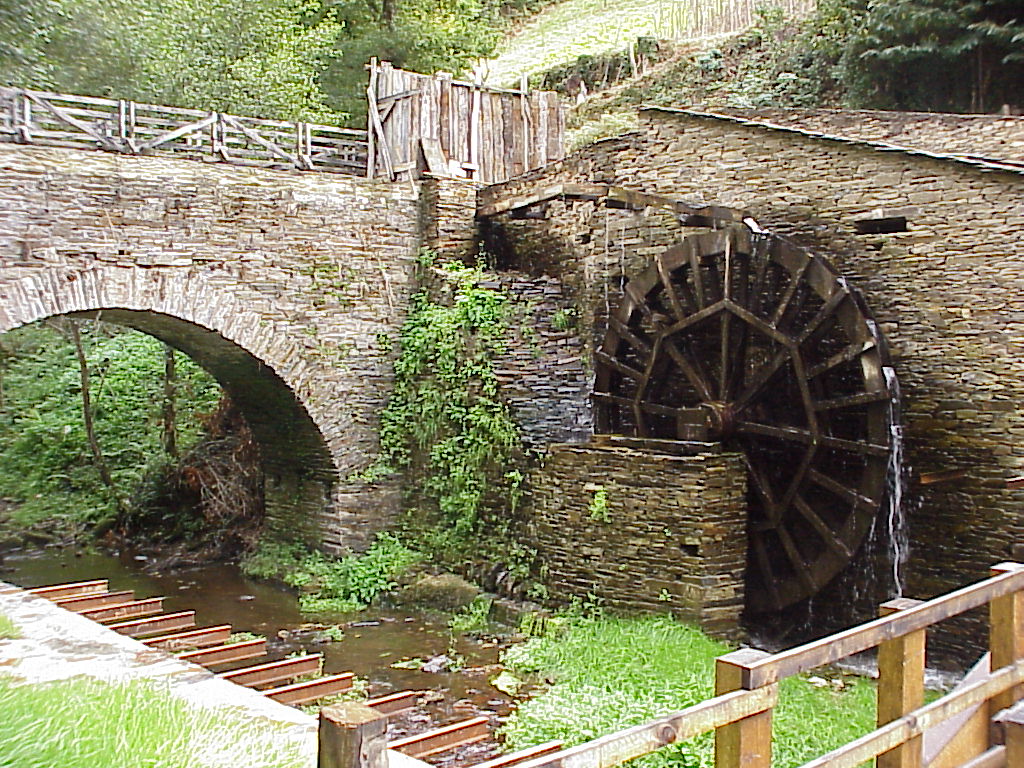
Through the different existing replicas you can grind as our ancestors did, see how the electric current is made, since the museum has its own power plant that gives energy to the whole set. With an outside visit along the supply channel you can see mills from other cultures such as Chinese and Brazilian. Arriving at the end of the walk to an artificial waterfall that serves as a reservoir to supply water to the set.
Building 1 . interactive
It includes hand mills (where you can grind as it was done in the past), and the following hydraulic mills: gravity mill (working continuously); medieval mill and Greek mill (the visitor can put them into operation by opening the water flow to the impeller).
Building 2
See how wheat was milled in Taramundi until a few decades ago in a hydraulic mill that is in continuous operation; next to it there is another exactly the same dismantled to be able to observe in detail all its elements and to better understand its operation.
In addition to the mill, there is a space reserved for understanding the process of transforming hydraulic energy into electrical energy with the power plant that still supplies energy to the complex today. An open-chamber Francis turbine, supplied with water by an aqueduct, has been in operation since 1941.
Exterior
Through the canal that supplies the complex, you can observe mills from other cultures, such as the Chinese mill, completely made of wood and moved by human power, and the Brazilian mill, which works hydraulically. Arriving at an artificial waterfall where the river is cut to supply water to the whole complex.
Mills
There are 19 mills in the museum: 8 manual, 6 hydraulic, 3 specific for children and 2 special mills (the latter two are life-size, but exhibited in ideal conditions, for the understanding of the different elements of these devices). The visit to the museum is completed with an outdoor walk, showcases of elements related to the mills and information panels.
Basic information
- 985 646 817
- 619 635 330
- informacion@mazonovo.es
- See website
- Mazonovo, s/n - Taramundi
Schedule
Every day
from 10:30 a.m. to 6:30 p.m.
Prices
Adults and children over 10 years old:
4,90 €
Children up to 10 years old (included):
2,90 €
Groups:
3,40 €/person
What to see?
-
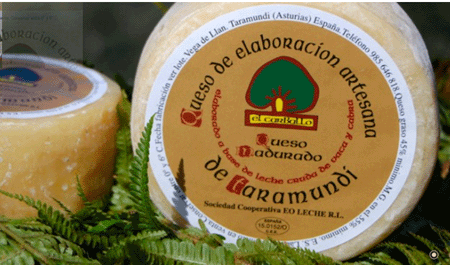
Eo Leche Artisan Cheese Factory
- Taramundi
The Eo Leche Taramundi cheese factory is located in the Parque de Empresas Artesanas, about 400 meters from the center of the town of Taramundi.
-
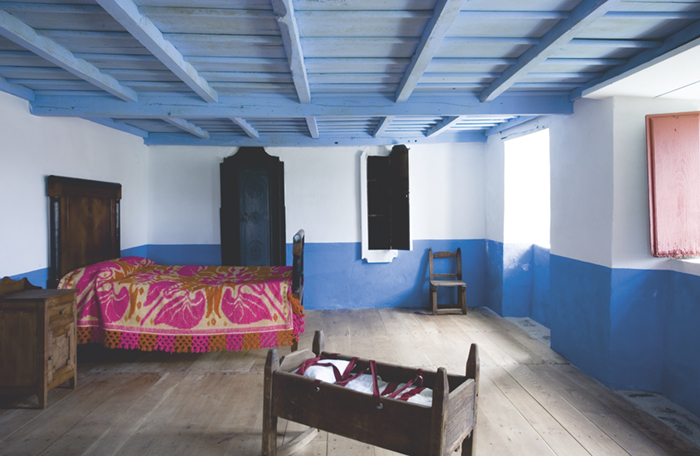
Casa del Marco Interpretation Center “Casa Campesina Museum”.
- San Martín de Oscos
- Museum
In the town of Villarquille (San Martín de Oscos) we find the Casa del Marco, a peasant house with its furniture, tools and implements which shows the way of life of the rural society of the region until the mid-twentieth century.
-
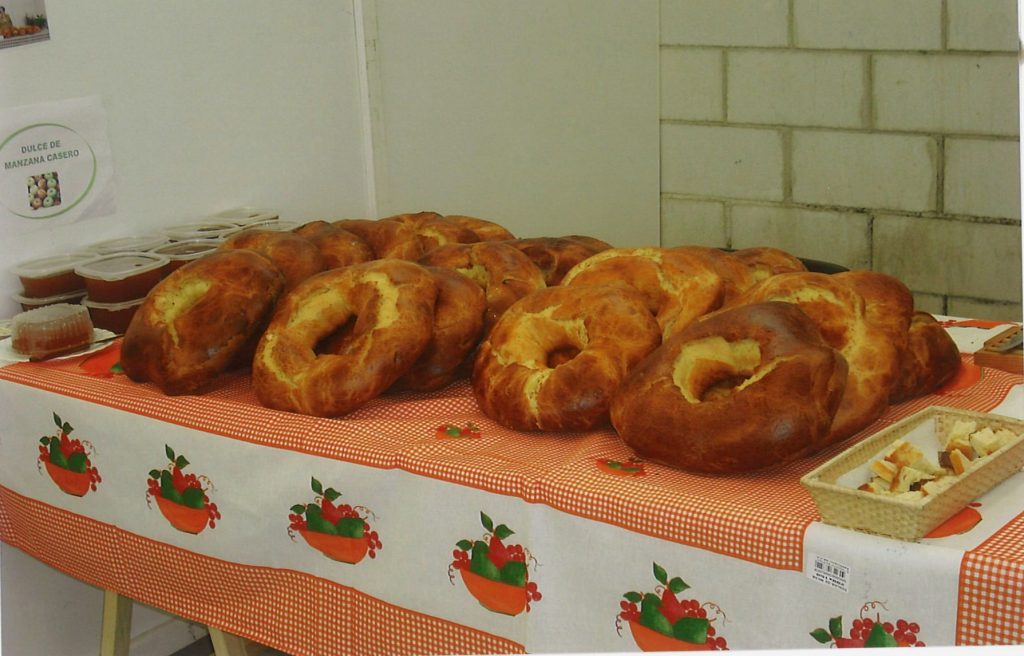
Feria de las Roscas de Semana Santa
- San Tirso de Abres
- Fiestas y Eventos
-
Bres Craft Center
- Taramundi
- Craft
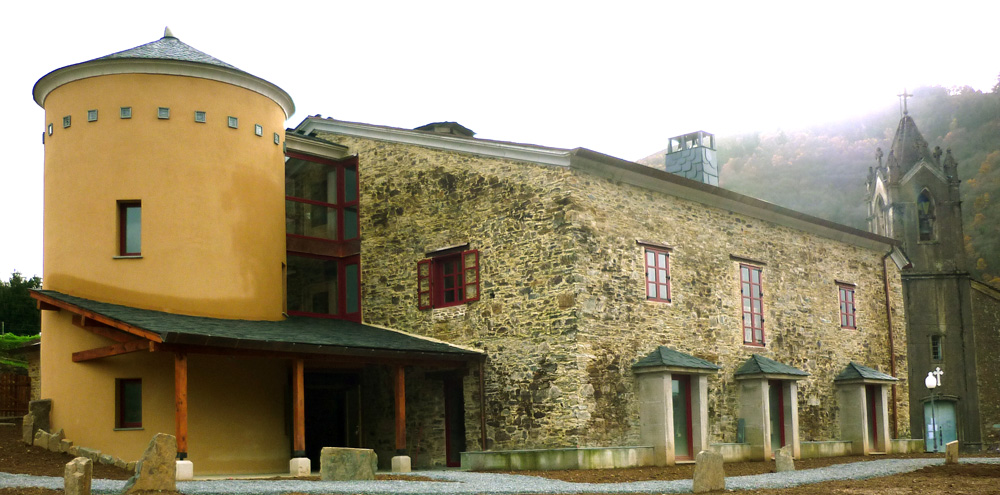
The Bres Craft Center is located in the old Casona de Villanueva, in the center of Bres, 5 kilometers from the capital of the council. This center was conceived as a facility to facilitate the knowledge and enhancement of craft activities, both new and traditional of the region.
-
Cabazos
- San Tirso de Abres
- Heritage
-
Ethnographic Museum of Esquíos
- Taramundi
- Museum
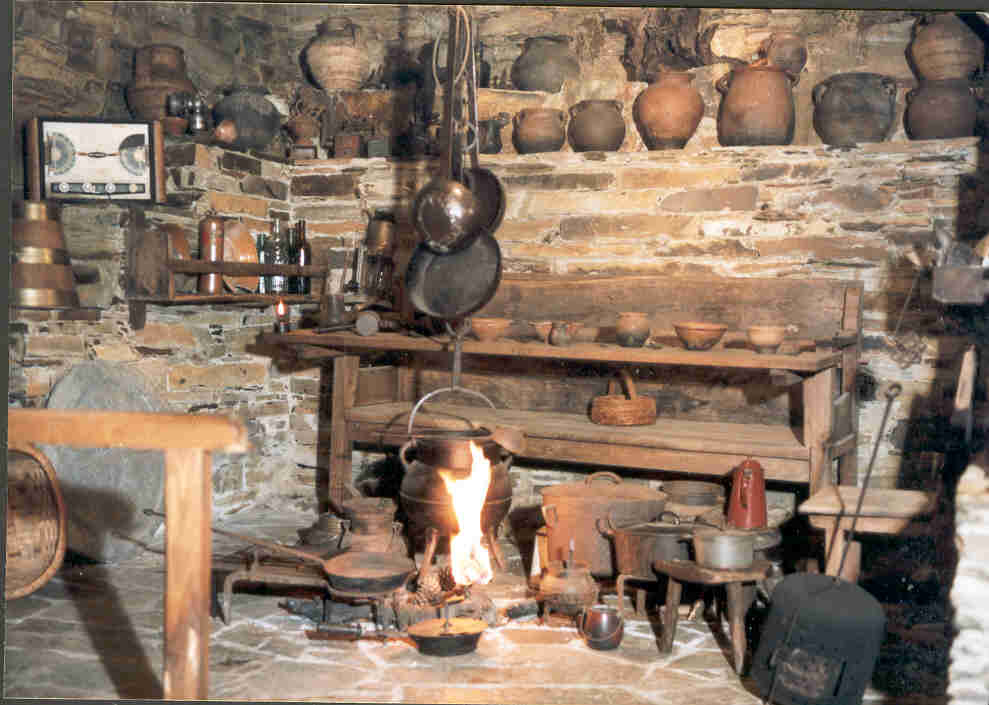
Esquíos is a village in the council of Taramundi inhabited for centuries by families of ferreiros, the Lombardía family, who emigrated from Italy to the Basque Country and later to Asturias.


