


- Home
- What to visit?
- Castro As Croas de Eilale
Castro As Croas de Eilale
- San Tirso de Abres
- Heritage
As Croas de Eilale es un castro situado en el concejo de Santiso d’Abres (Asturias), en un alto del monte da Vaca, a 173 metros de altitud. Se trata de un asentamiento fortificado de época prerromana, con una planta ovalada de unos 130 × 85 metros. Su sistema defensivo es muy destacado, con tres fosos, contrafosos y restos de murallas. Desde él se domina visualmente el valle del Eo, lo que le daba un valor estratégico. Se cree que estuvo vinculado a la explotación minera de hierro de la zona, especialmente a la mina de La Rebolada. Es un ejemplo de castro de montaña con función económica y defensiva. Actualmente está parcialmente cubierto por vegetación. Aunque en estado de ruina, conserva un gran interés arqueológico y patrimonial. Es uno de los castros mejor defendidos del occidente asturiano.
What to see?
-
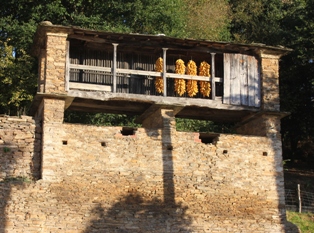
Cabazos
- San Tirso de Abres
- Heritage
-
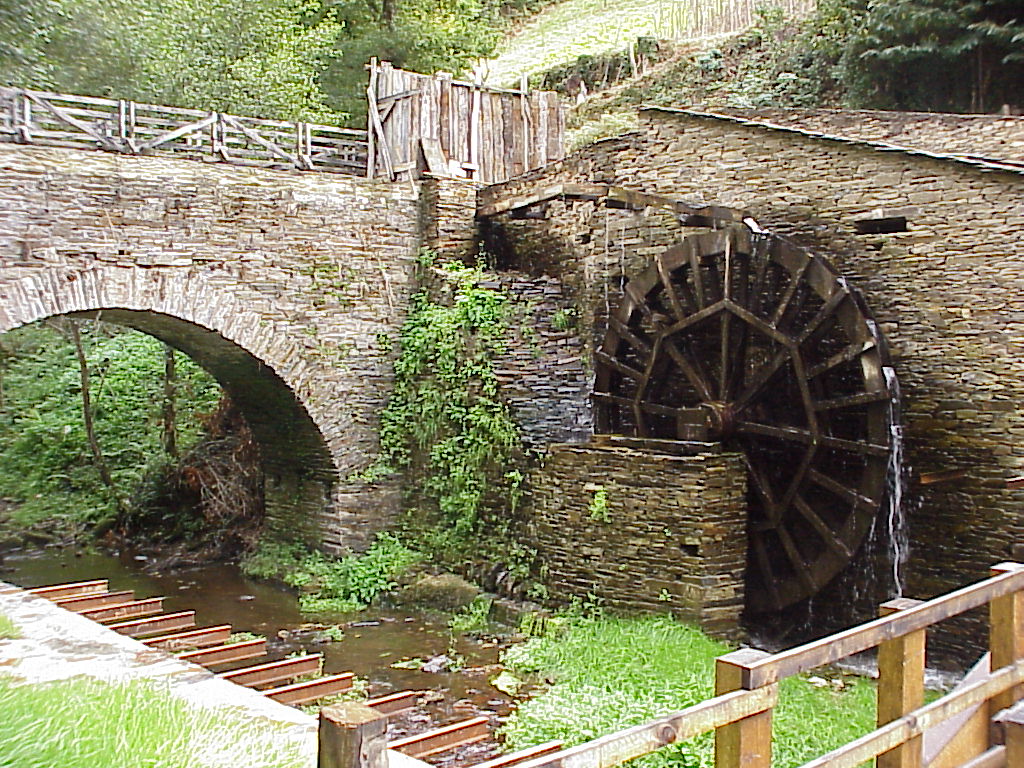
Interactive Museum of the Mills in Mazonovo
- Taramundi
- Museum
This museum was created to show the great variety of hydraulic and hand-operated mills that were used throughout history and in different parts of the world to grind cereals.
-
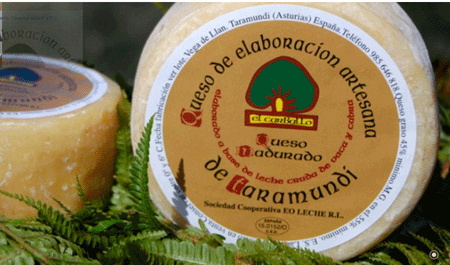
Eo Leche Artisan Cheese Factory
- Taramundi
The Eo Leche Taramundi cheese factory is located in the Parque de Empresas Artesanas, about 400 meters from the center of the town of Taramundi.
-
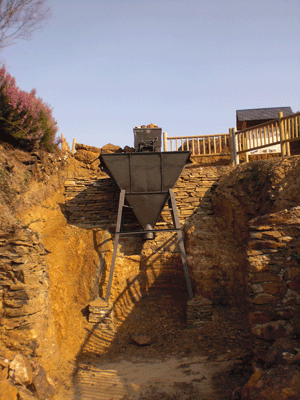
Las Minas
- Villanueva de Oscos
- Mines
Recently, the Town Council of Villanueva de Oscos, with the collaboration of the Principality of Asturias, has recovered and rehabilitated the mines of this municipality.
-
Piantón
- Vegadeo
- Heritage
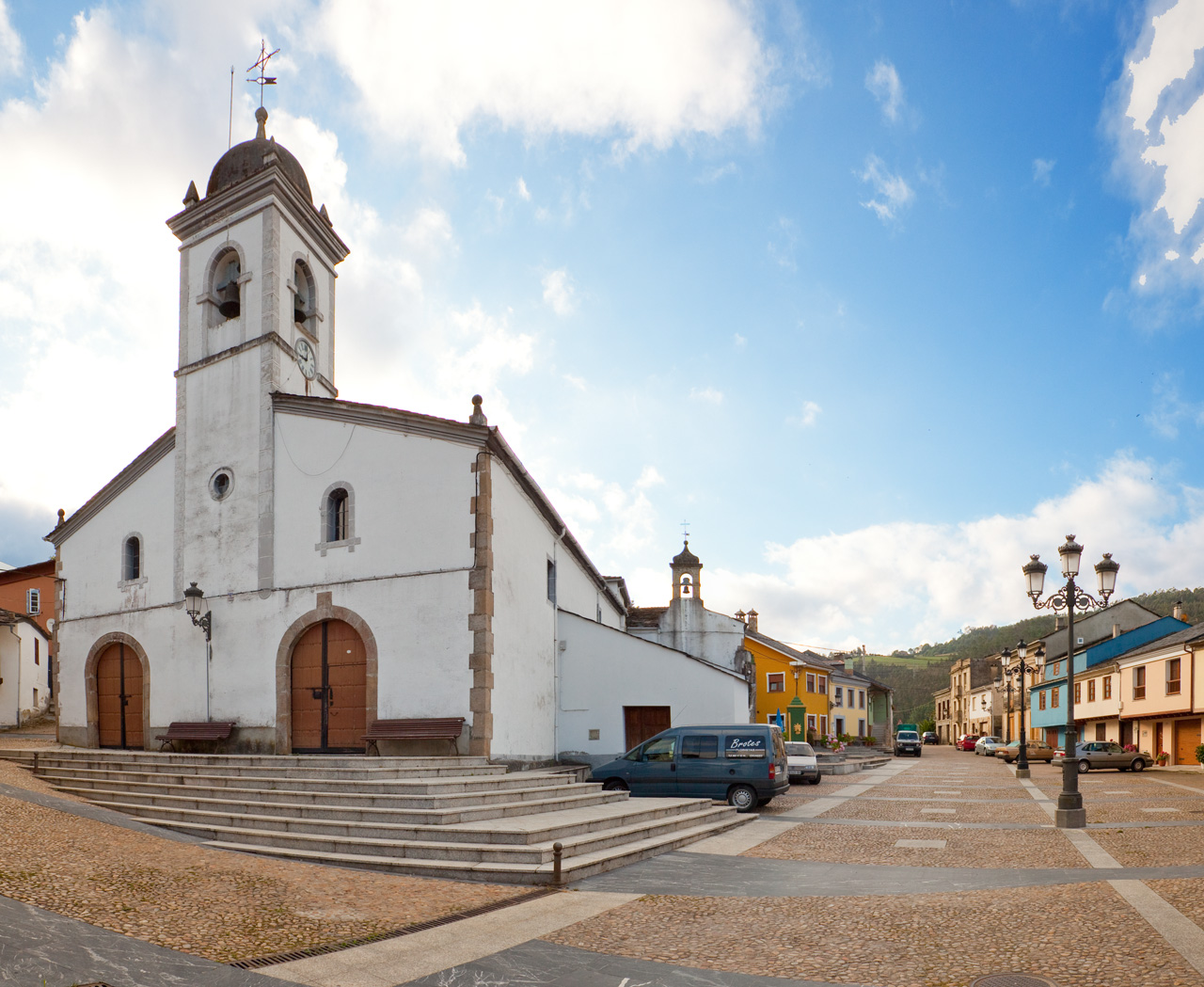
Two kilometers from the town of Vegadeo is the village of Piantón, which can be reached on foot as the entire route has a sidewalk. It is a beautiful walk along the Suarón River.
-
Las Minas
- San Martín de Oscos
- Mines
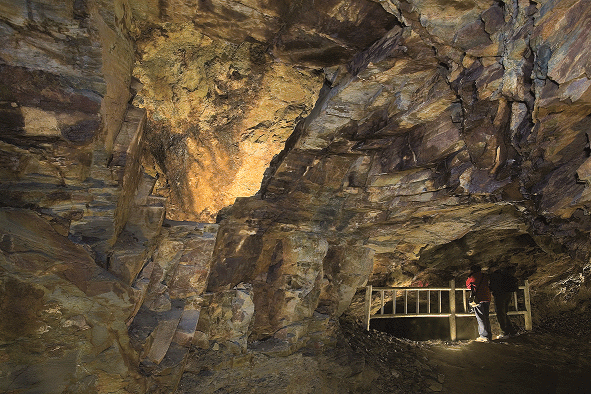
There are remains in the Oscos region that tell us that mining was an activity that was developed in the area since prehistoric times. Before the conquest of the Romans, the inhabitants of this region were already looking for gold nuggets in the river placers. But it was after the arrival of the Romans that this industry was boosted. In the Flavian period, at the beginning of the first century A.D., a first golden age was experienced. The castros (fortified settlements) resurged as a result of the exploitations and the landscape was dotted with small industries of which there are still remains such as: forges, function furnaces and samples of the technology that was used for the exploitation of the deposit.


