


- Home
- What to visit?
- Mercado de Verano
Mercado de Verano
- San Tirso de Abres
- Fiestas y Eventos
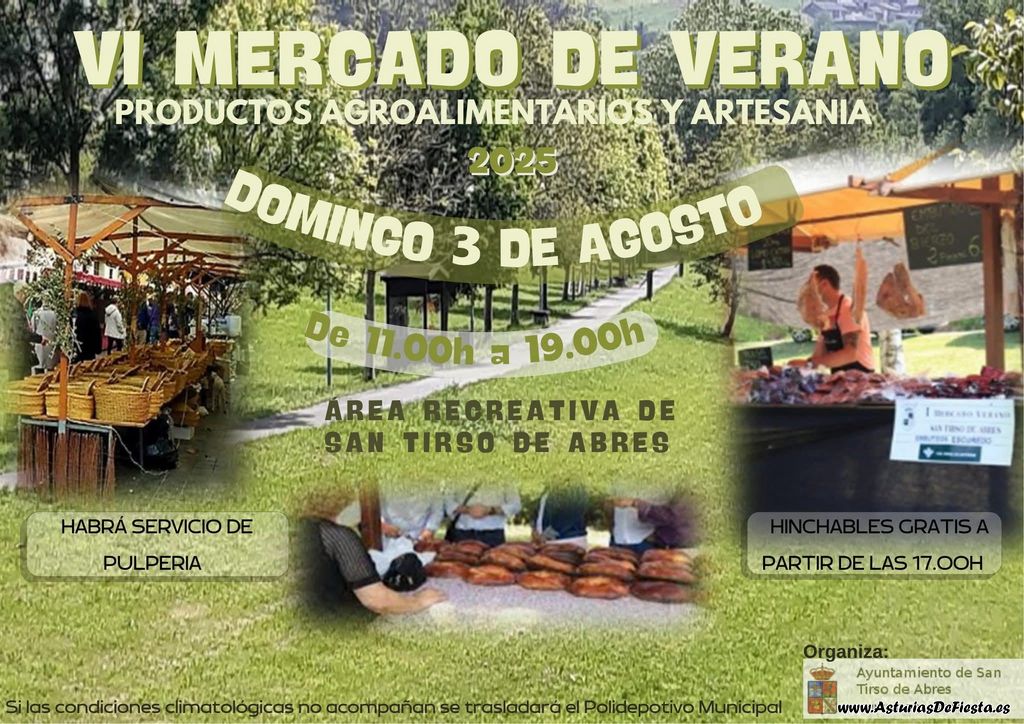
El Mercado de Verano de San Tirso de Abres es una cita anual que se celebra durante los fines de semana de agosto en el área recreativa del municipio, junto al río Eo. Organizado por el Ayuntamiento, este evento reúne a productores locales y artesanos para ofrecer una variedad de productos agroalimentarios y artesanales. Los asistentes pueden disfrutar de un ambiente festivo con música en vivo, actividades para niños y, en ocasiones, servicio de pulpería. La feria se adapta a las condiciones meteorológicas; en caso de mal tiempo, se traslada al polideportivo municipal
What to see?
-
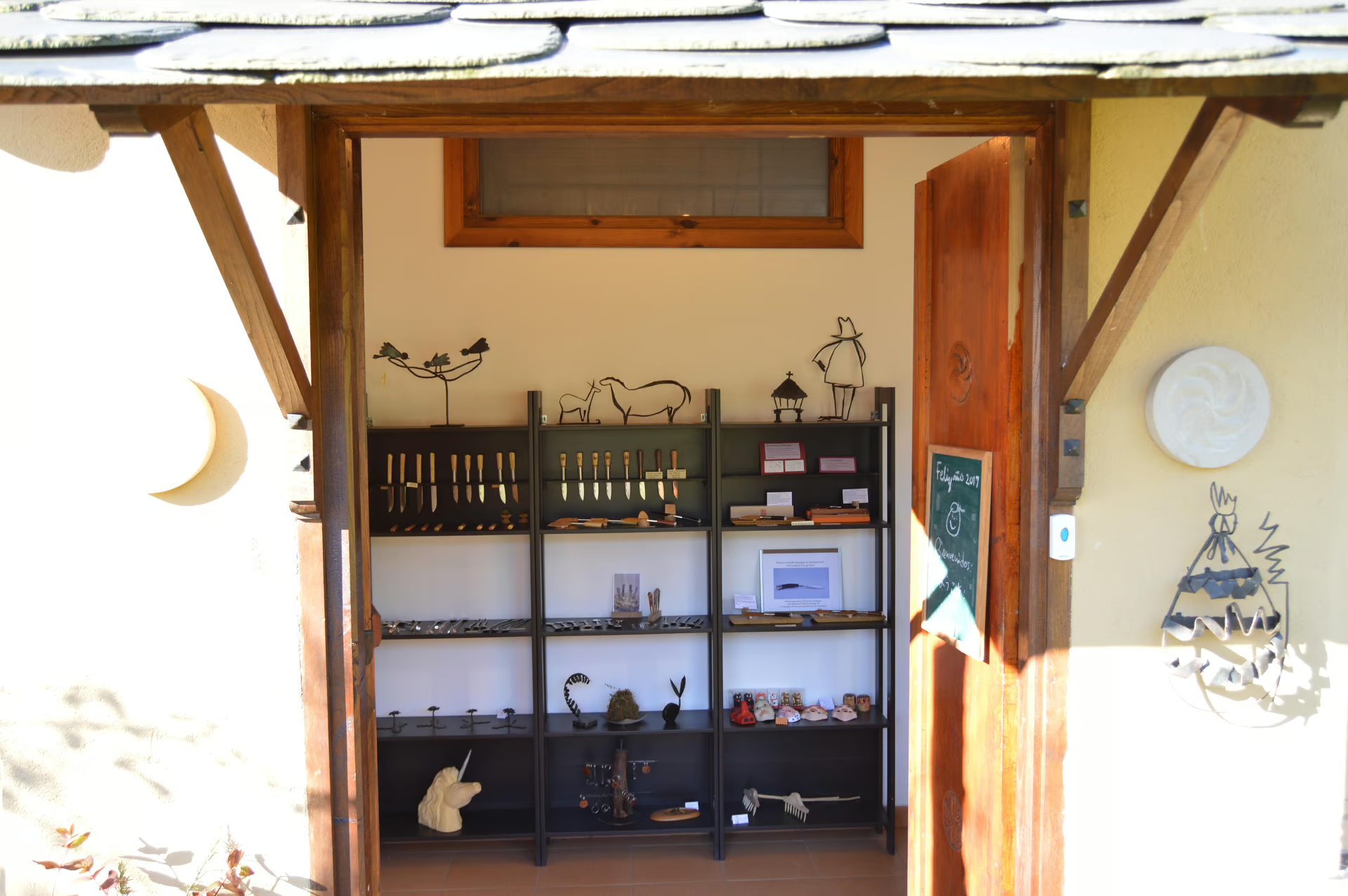
Hiottoko artistic forge and cutlery workshop-shop
- Santa Eulalia de Oscos
- Craft
Traditionally, in Santa Eulalia de Oscos, knives have been made for more than a century. Nowadays Jorge (knifemaker) and Keiko (metal craftswoman) maintain this tradition developing this ancient craft to which they add part of the Japanese ancestral wisdom.
-
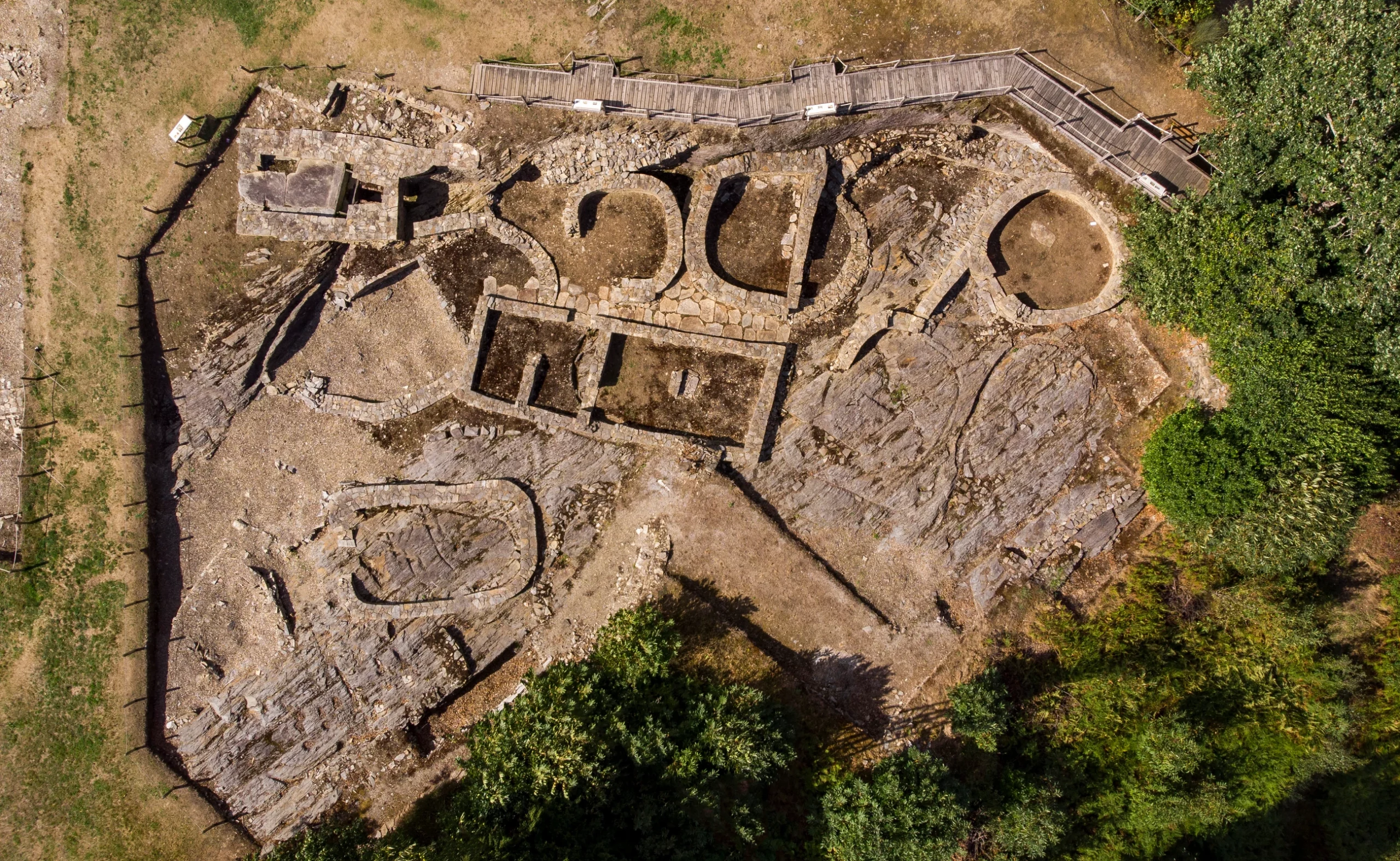
Yacimientos Arqueológicos “Os Castros”
- Taramundi
- Heritage
El yacimiento, conocido como Os Castros se localiza en la capital del concejo. Buena parte de su superficie se ha mantenido ajena al desarrollo urbano del municipio si bien la carretera que desciende hacia Mazonovo significó la destrucción algunas cabañas y parte de la muralla. En el año 2000 se iniciaron las excavaciones arqueológicas bajo patrocinio del Ayuntamiento de Taramundi, la Consejería de Cultura del Principado de Asturias y la meritoria colaboración de la asociación de hosteleros locales ANTURTA.
-
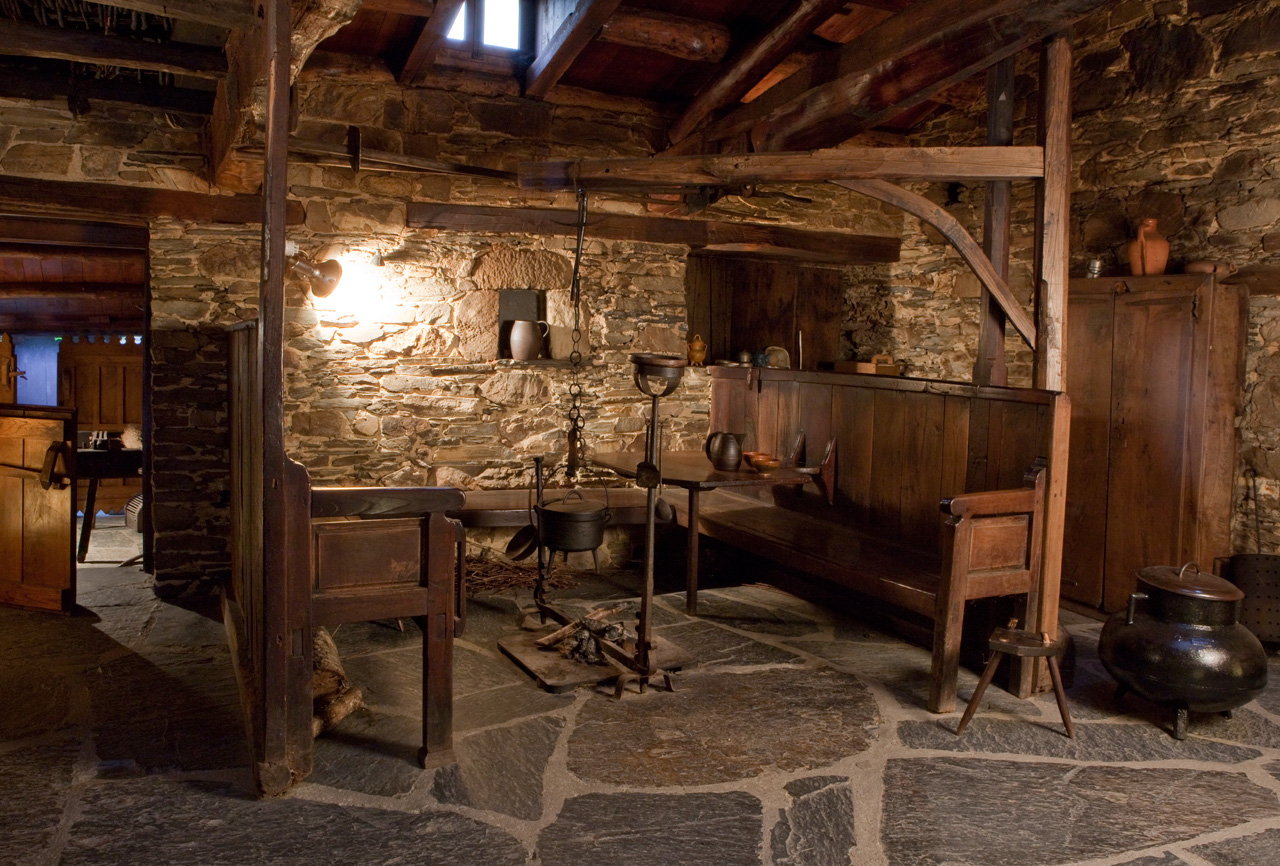
Marquis of Sargadelos Birthplace Museum
- Santa Eulalia de Oscos
- Museum
The house where Antonio Raimundo Ibáñez, Marquis of Sargadelos (1749-1809) was born is now an exhibition space dedicated to the life and work of this industrial and enlightened merchant, who in the late 18th century built in Sargadelos (Cervo, Lugo) one of the first cast-iron foundry and earthenware factories in Spain.
-
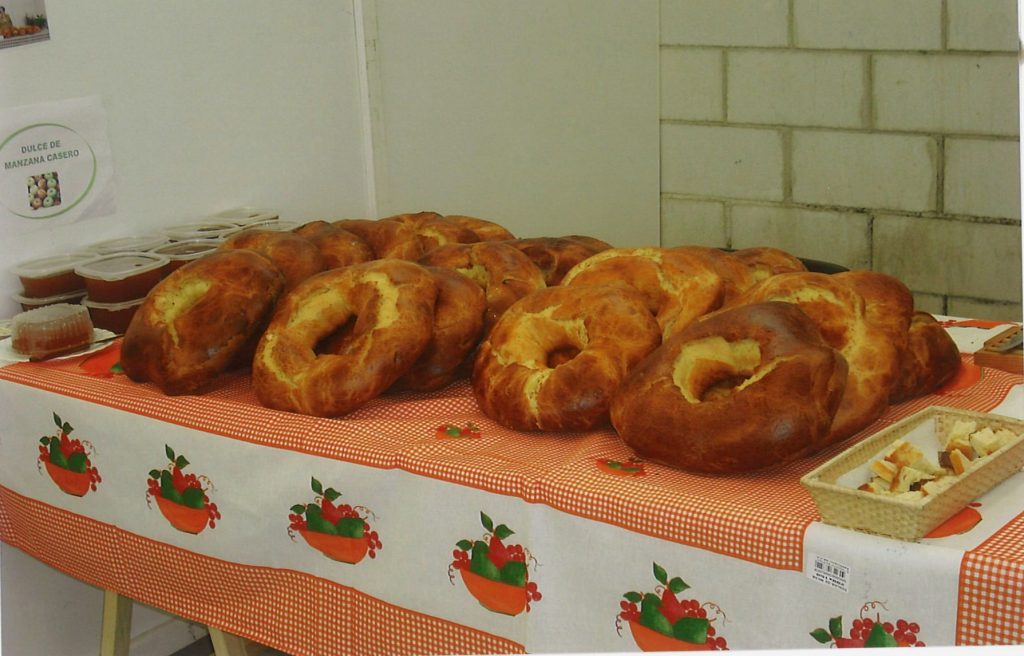
Feria de las Roscas de Semana Santa
- San Tirso de Abres
- Fiestas y Eventos
-
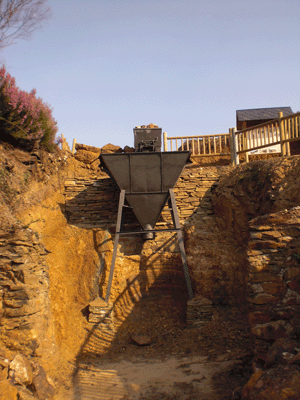
Las Minas
- Villanueva de Oscos
- Mines
Recently, the Town Council of Villanueva de Oscos, with the collaboration of the Principality of Asturias, has recovered and rehabilitated the mines of this municipality.
-
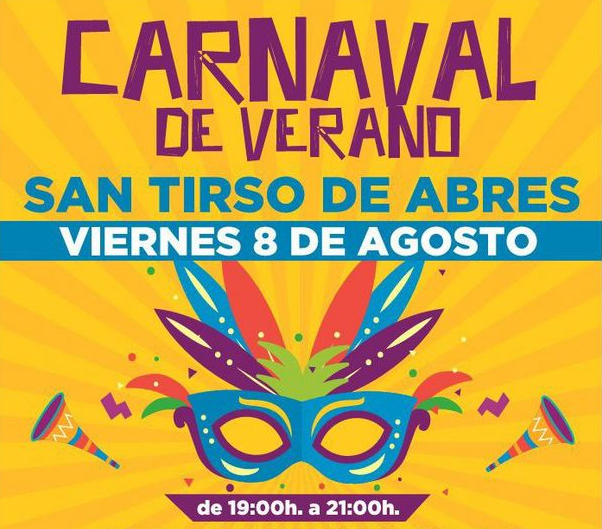
Carnaval de Verano
- San Tirso de Abres
- Fiestas y Eventos


