


- Home
- What to visit?
- Escala de Salmones
Escala de Salmones
- San Tirso de Abres
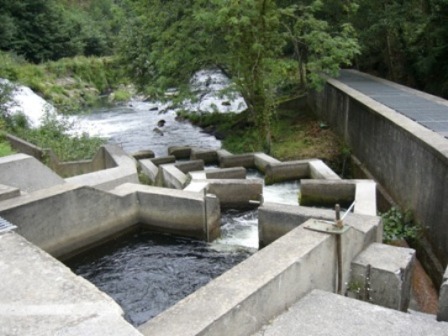
La Escala de Salmones de San Tirso de Abres es una infraestructura ecológica situada en la Vía Verde del Ferrocarril del Eo, en el concejo de San Tirso de Abres, Asturias. Esta estructura permite a los salmones superar las barreras físicas impuestas por las presas en su ruta migratoria hacia las zonas altas del río Eo, donde se reproducen. Consiste en una serie de escalones interconectados que facilitan el ascenso de los peces, contribuyendo a la conservación de la biodiversidad fluvial.
Además de su función ecológica, la escala de salmones es un punto de interés en la Vía Verde del Eo, una ruta de senderismo y cicloturismo que sigue el trazado de un antiguo ferrocarril minero. A lo largo de este recorrido, los visitantes pueden disfrutar de paisajes naturales y observar la fauna local, como nutrias y aves acuáticas. La escala de salmones destaca como ejemplo de ingeniería ambiental aplicada a la conservación de especies migratorias en el río Eo.
What to see?
-
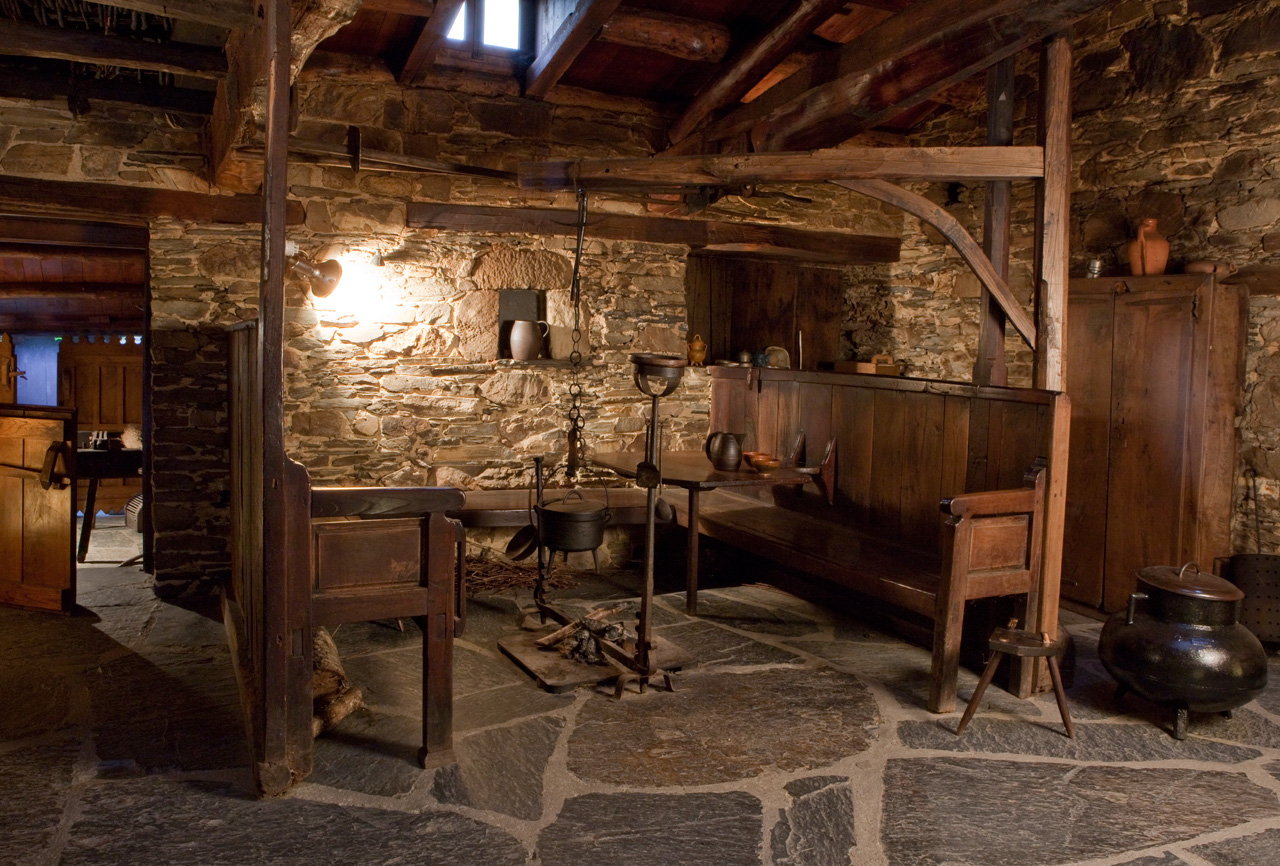
Marquis of Sargadelos Birthplace Museum
- Santa Eulalia de Oscos
- Museum
The house where Antonio Raimundo Ibáñez, Marquis of Sargadelos (1749-1809) was born is now an exhibition space dedicated to the life and work of this industrial and enlightened merchant, who in the late 18th century built in Sargadelos (Cervo, Lugo) one of the first cast-iron foundry and earthenware factories in Spain.
-
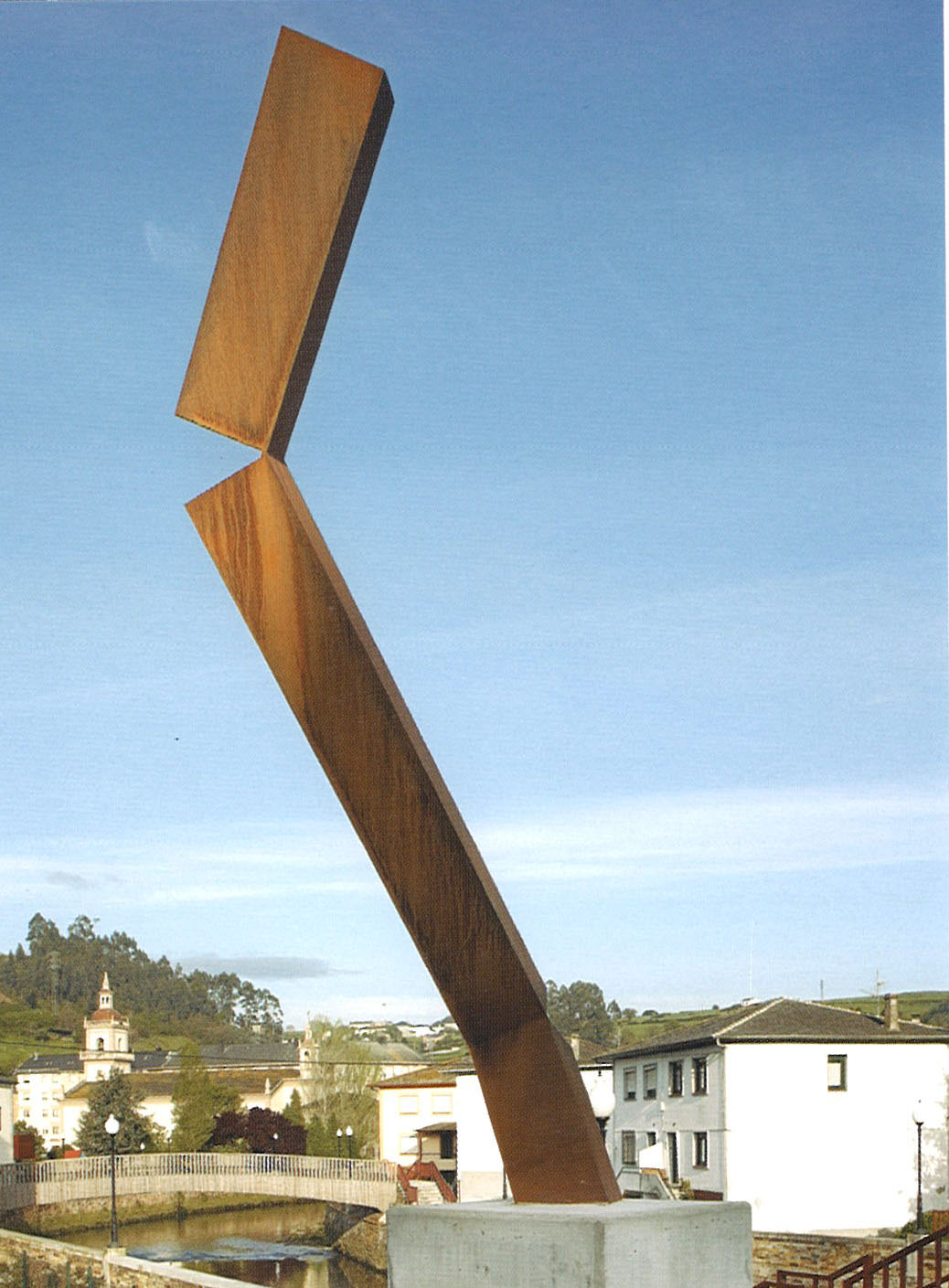
Contemporary art sculptures and sculptures by César Montaña (Vegadeo)
- Vegadeo
- Sculpture
The town of Vegadeo has the peculiarity of being crossed by two rivers: the Monjardín and the Suarón, which have twelve bridges that cross them (six each). Taking advantage of this circumstance, the idea was that visitors to Vegadeo could get to know the town center by crossing these bridges, and enriching the visit with a sculpture on each of them.
-

Castro As Croas de Eilale
- San Tirso de Abres
- Heritage
-
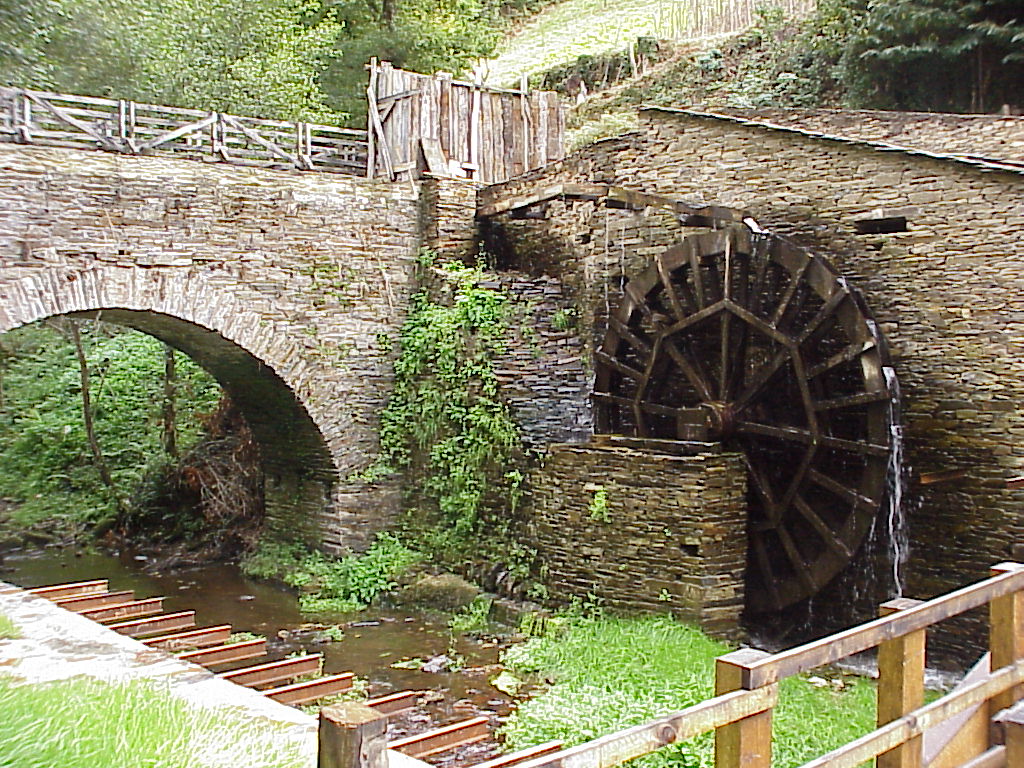
Interactive Museum of the Mills in Mazonovo
- Taramundi
- Museum
This museum was created to show the great variety of hydraulic and hand-operated mills that were used throughout history and in different parts of the world to grind cereals.
-
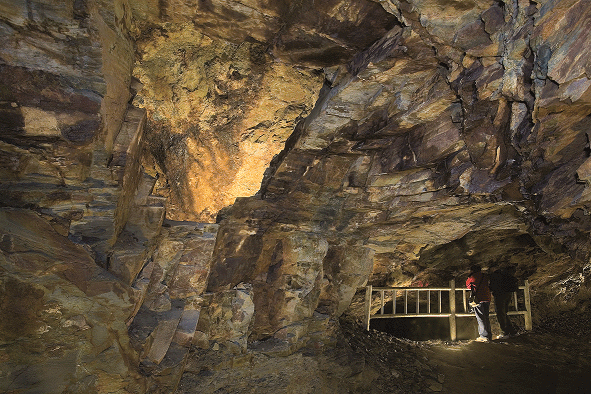
Las Minas
- San Martín de Oscos
- Mines
There are remains in the Oscos region that tell us that mining was an activity that was developed in the area since prehistoric times. Before the conquest of the Romans, the inhabitants of this region were already looking for gold nuggets in the river placers. But it was after the arrival of the Romans that this industry was boosted. In the Flavian period, at the beginning of the first century A.D., a first golden age was experienced. The castros (fortified settlements) resurged as a result of the exploitations and the landscape was dotted with small industries of which there are still remains such as: forges, function furnaces and samples of the technology that was used for the exploitation of the deposit.
-
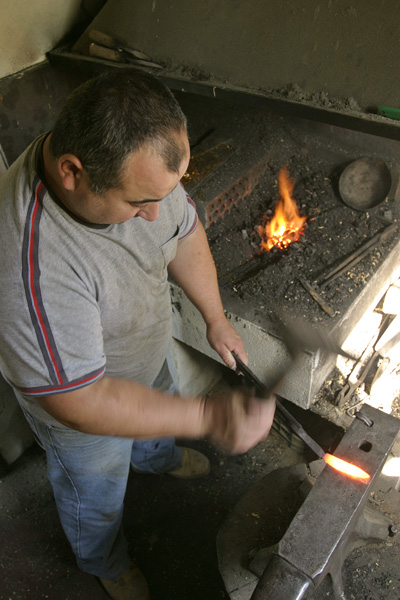
Knife and razor artisan workshops
- Taramundi
Some artisans perform demonstrations in their workshops of the craft they develop. In this way, visitors can see the whole process of elaboration of the products, which also allows them to actively participate in the process.


