


- Home
- What to visit?
- Accommodations
- Cabeza Da Vila II
Cabeza Da Vila II
- San Martín de Oscos
- Village House
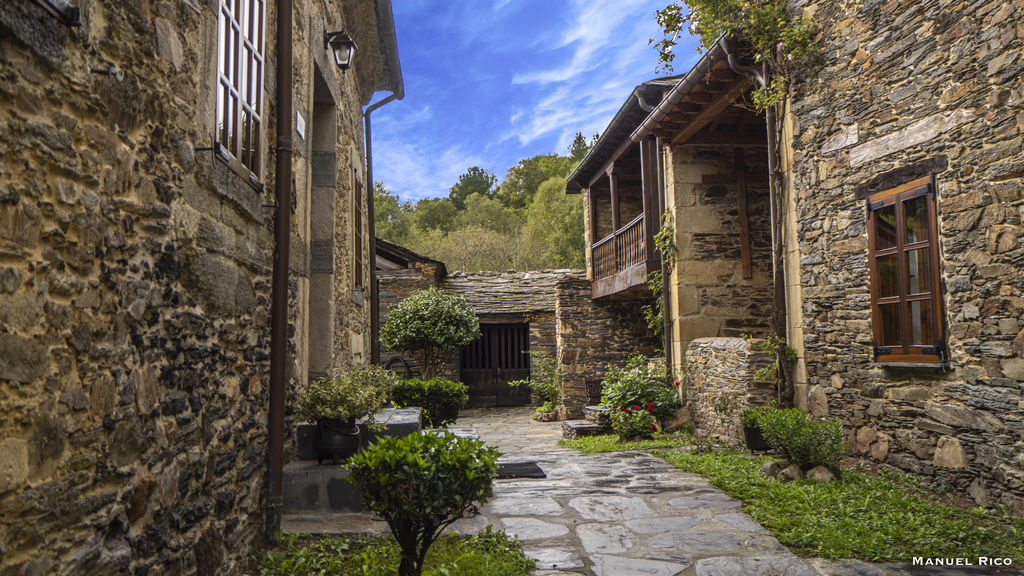
Welcome to Nucleo Rural Cabeza da Vila Cabeza da Vila is a rural nucleus located in San Martin de Oscos (Asturias) which consists of a XVII century mansion with 5 double rooms with private bathroom, TV and heating in the style of a rural hotel. Totally restored preserving all its splendor, the visitor will find his well-deserved rest. We also have an apartment (Casa de Alba) with 1 bedroom and La Casa del forno with 3 bedrooms, both with living room, bathrooms and individual kitchen. The whole complex has large gardens with barbecue, areas where you can relax in our sun loungers or hammocks and a playground where children can play. The enclosure is completely fenced.
Basic information
- 985 626 019
- 696 684 237
- Ver web
- La Villa, s/n - Loujedo - San Martín de Oscos
Other accommodations
-
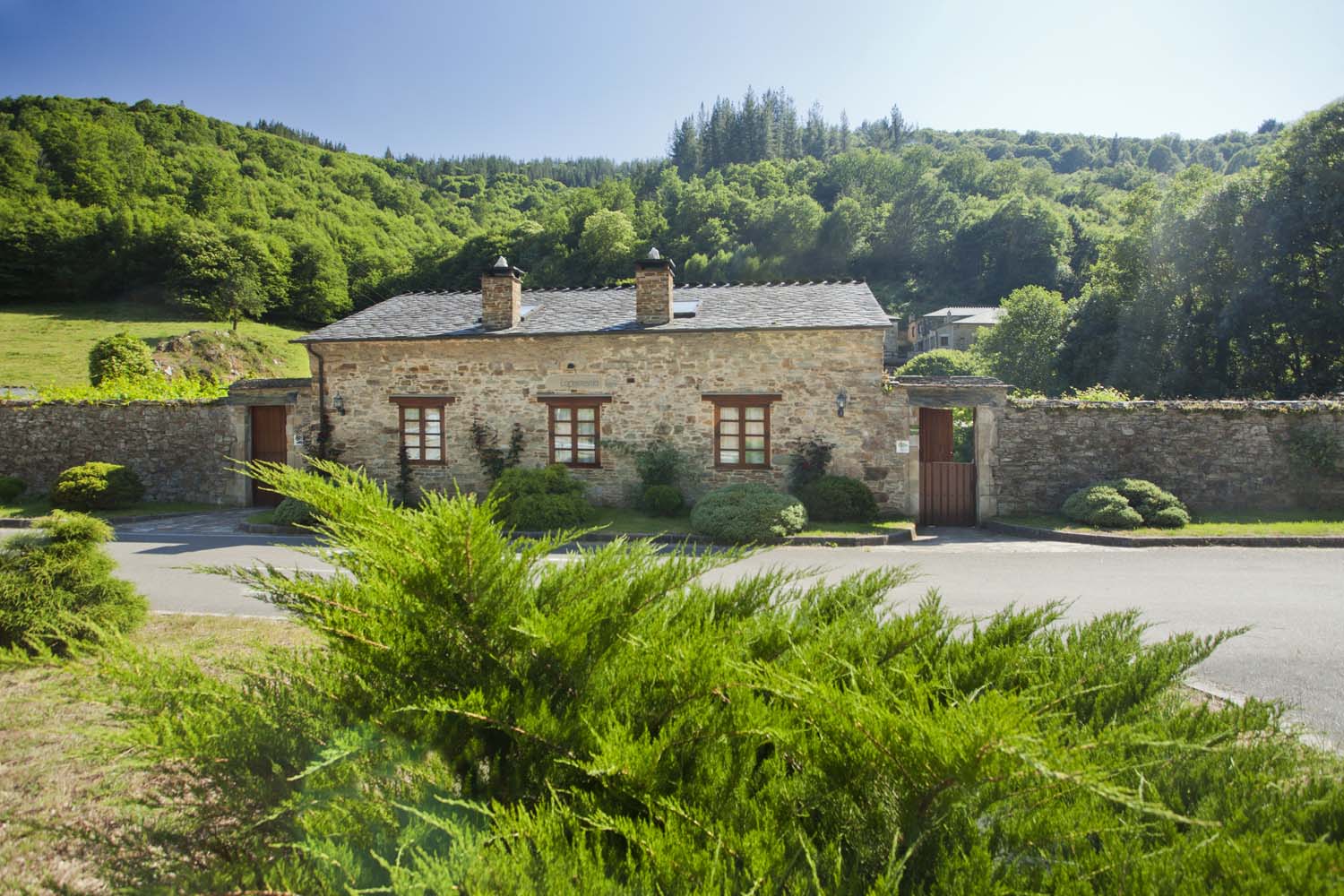
La Ferrería
- Santa Eulalia de Oscos
- Vacation home
The house is located in the village of La Ferrería,1 km from Santalla, capital of the council of Santa Eulalia de Oscos on the banks of the river Agüeira.
-
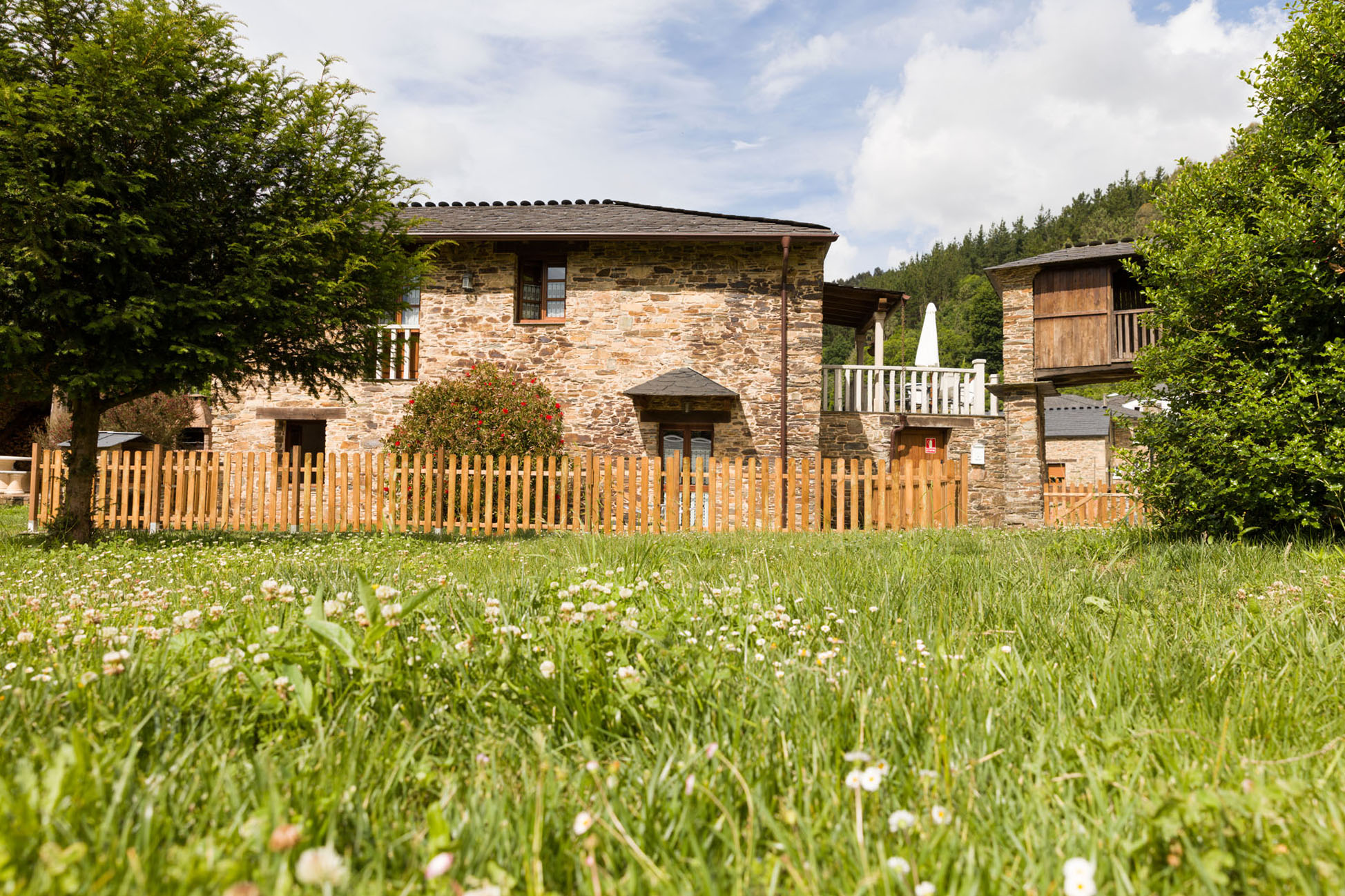
Tareira
- Taramundi
- Rural Apartment
Casas Rurales TAReira is a set of 2 village houses and 2 rural apartments located at 1000 m. of Taramundi, in A Veiga da Sarza.
-
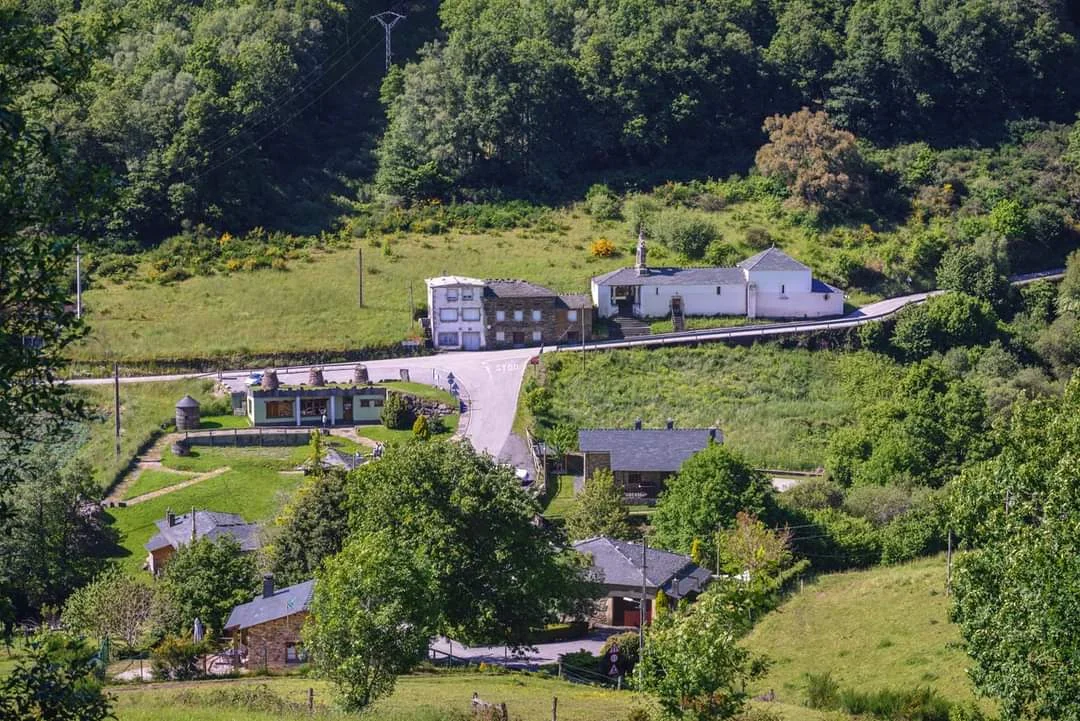
Casa Dolores
- Villanueva de Oscos
- Village House
An idyllic offer of Rural Tourism that will guide you on a journey into the bowels of a unique Asturias, different…
-
Cantábrico
- Vegadeo
- Tourist apartment
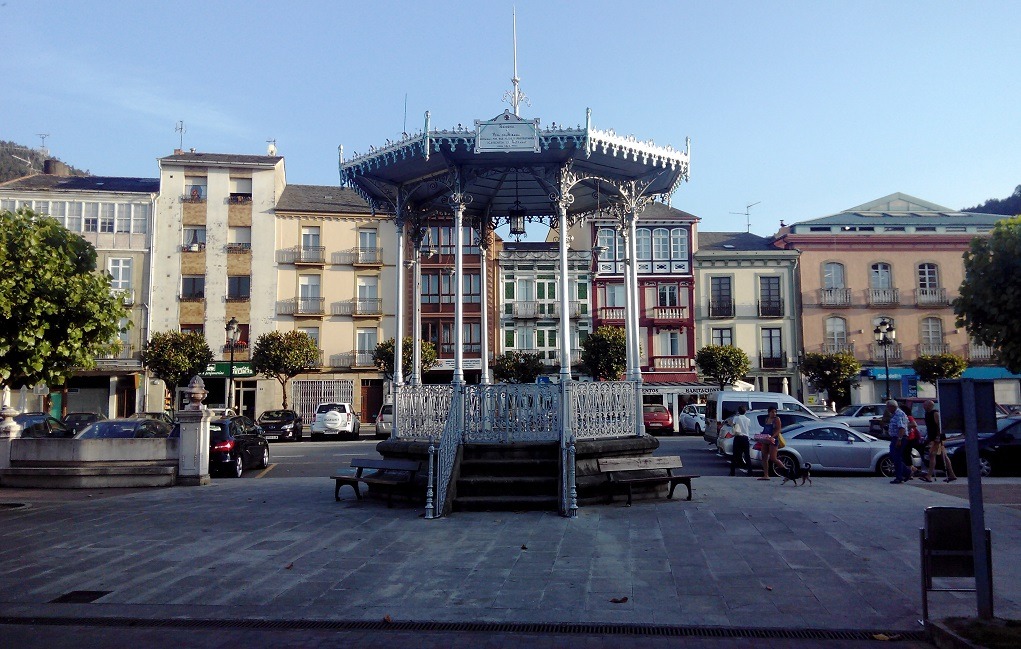
Surrounded by unique landscapes, the Cantábrico Tourist Apartments offer you the possibility of spending a special stay in one of the most beautiful and unknown areas of Asturias, the West.
-
Río Eo
- San Tirso de Abres
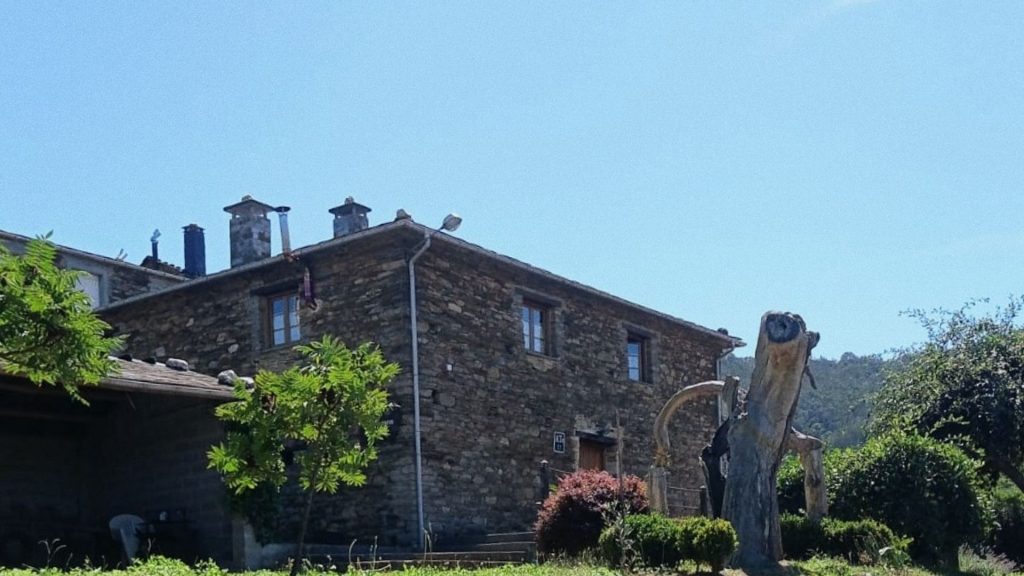
- Rural Apartment
-
Cabeza Da Vila I
- San Martín de Oscos
- Village House
Welcome to Nucleo Rural Cabeza da Vila Cabeza da Vila is a rural nucleus located in San Martin de Oscos (Asturias) which consists of a XVII century mansion with 5 double rooms with private bathroom, TV and heating in the style of a rural hotel. Totally restored preserving all its splendor, the visitor will find his well-deserved rest. We also have an apartment (Casa de Alba) with 1 bedroom and La Casa del forno with 3 bedrooms, both with living room, bathrooms and individual kitchen. The whole complex has large gardens with barbecue, areas where you can relax in our sun loungers or hammocks and a playground where children can play. The enclosure is completely fenced.


